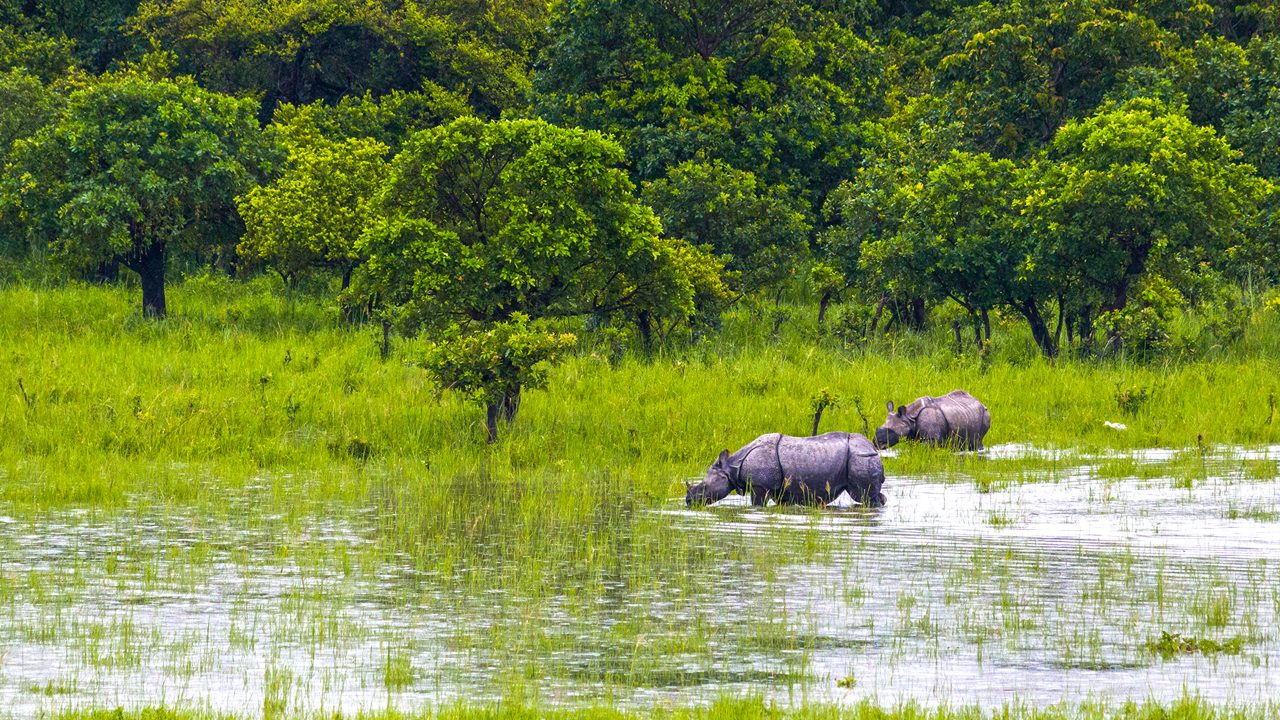
Nestled on the lush outskirts of Guwahati, the Garbhanga Reserved Forest stands as a vital sanctuary of biodiversity in Assam. This verdant expanse, recently under the legal spotlight, was previously designated by the Assam Forest Department as a wildlife sanctuary due to its rich habitat for diverse animal species, including elephants and various bird species. The Gauhati High Court’s recent directive regarding the cancellation of this designation has stirred public interest, emphasizing the significance of understanding the intricacies of wildlife conservation policies. As local advocates rallied through Public Interest Litigations (PILs), it became evident that this forest’s ecological importance is paramount, and any decisions affecting its status require rigorous scrutiny. With an eye on preserving wildlife, the implications of this legal battle resonate beyond the forest’s boundaries, impacting the broader narrative of environmental protection in Assam.
The Garbhanga Reserved Forest, often referred to as a critical wildlife habitat, plays an essential role in the ecological framework surrounding Guwahati. Following the recent scrutiny from the Gauhati High Court, this forest’s status is now pivotal in discussions about biodiversity in Assam and wildlife conservation strategies. The local populace and activists emphasize the significance of protecting such green zones against indiscriminate development, which could threaten animal migration routes and local flora. With ongoing Public Interest Litigation challenging decisions from the Assam Forest Department, the urgency to safeguard these natural resources is louder than ever. As stakeholders engage in this legal discourse, it raises awareness about the forest’s ecological treasures and the crucial need for sustainable practices.
The Importance of Garbhanga Reserved Forest in Guwahati
The Garbhanga Reserved Forest is a critical ecological zone located on the outskirts of Guwahati, Assam. This forest spans approximately 117 square kilometers and plays a vital role in preserving biodiversity in Assam. The presence of various wildlife species, including elephants, multiple bird species, and reptiles, highlights its importance as a wildlife sanctuary. Unfortunately, the recent cancellation of the preliminary notification that sought to declare this area a wildlife sanctuary raises concerns about the future of these species and the delicate ecosystem they inhabit.
Furthermore, the legal battles ignited by Public Interest Litigations in the Gauhati High Court emphasize the significance of Garbhanga in the broader context of wildlife conservation in Assam. The Assam Forest Department has been called upon to justify the cancellation of the sanctuary status, which brings into focus the legal frameworks that protect North East India’s rich biodiversity. As community members and environmental activists rally to defend this vital habitat, it provides a stark reminder of the ongoing struggle between development projects and conservation efforts.
Legal Challenges and Biodiversity Conservation in Assam
The recent developments surrounding the Garbhanga Reserved Forest reveal much about the complex interaction between legal frameworks and biodiversity conservation in Assam. The petitioners in the Public Interest Litigations argue that the cancellation of the wildlife sanctuary notification is not only capricious but threatens the rich ecological diversity that characterizes this region. The Supreme Court’s previous rulings create a solid foundation for the argument that any de-notification must follow strict regulatory protocols, including approval from the National Board for Wildlife (NBWL). This highlights how legal oversight is essential in environmental governance.
With increasing threats to wildlife habitats from actions such as illegal mining and infrastructural developments—which, according to reports, have been linked to interest groups within the government—the legal battles become a critical tool for activists and concerned citizens. Advocates are using the court system to invoke regulations designed to safeguard environments like Garbhanga. Such Public Interest Litigations not only raise awareness about the consequences of habitat destruction but also serve to hold state entities accountable for their environmental policies, ensuring that biodiversity in Assam is not compromised.
Gauhati High Court’s Role in Environmental Justice
The role of the Gauhati High Court has become increasingly pivotal in recent discussions surrounding environmental justice in Assam. As the court assesses the legal intricacies of declaring the Garbhanga Reserved Forest a wildlife sanctuary, it embodies a broader judicial approach to environmental issues. The court’s insistence on a detailed response from the Assam Forest Department underscores the need for transparency and accountability in decisions impacting natural resources and wildlife protection. This judicial scrutiny is a crucial step towards ensuring that environmental legislation is upheld and respected.
Moreover, the hearings reflect a growing recognition of the intertwined destinies of local communities and their natural surroundings. The arguments presented by the petitioners—regarding the potentially detrimental effects of industrial activities within the Garbhanga area—demonstrate the court’s acknowledgment of human rights as they relate to environmental health. Thus, the Gauhati High Court is not merely a venue for legal recourse but a powerful platform for advocating the conservation of biodiversity in Assam against the encroachment of unsustainable practices.
Impacts of Industrial Activities on Wildlife
The Garbhanga Reserved Forest has been a focal point concerning the balance between industrial development and wildlife conservation. Recent claims regarding illegal stone mining and proposed railway tracks through the forest highlight the potential ecological dangers such developments pose. These activities can lead to habitat destruction, which can have irreversible effects on the diverse species that call Garbhanga home. The forest’s elephants, birds, and reptiles rely on its intact ecosystems for their survival, and any disruption could lead to significant declines in wildlife populations.
Moreover, such industrial encroachment often leads to increased human-wildlife conflict, as animals lose their habitats and wander into human settlements. This not only endangers the lives of wildlife but also poses risks to local populations. The need to balance economic growth with conservation efforts is critical, and the case of Garbhanga illustrates the urgent necessity for sustainable practices that prioritize biodiversity while supporting the local economy.
The Role of Activism in Wildlife Protection
Activism plays a crucial role in the ongoing discussions surrounding the Garbhanga Reserved Forest and its potential designation as a wildlife sanctuary. Individuals like journalist Rajeev Bhattacharyya and activist Subrata Talukdar have mobilized legal action through Public Interest Litigations to protect this critical habitat from government decisions that may harm its ecological integrity. The power of grassroots movements is evident as community members rally for environmental justice and the preservation of their natural heritage, stressing the importance of local engagement in conservation efforts.
Moreover, these activists serve as watchdogs, bringing attention to the alarming encroachments posed by mining and other industrial activities. Their efforts help raise awareness within the community and beyond, fostering a collective responsibility towards nature conservation. As discussions unfold in court, the work of these activists highlights the necessity for public awareness and engagement in wildlife protection initiatives, paving the way for a more sustainable future for Assam’s rich biodiversity.
Biodiversity in Assam: A Broader Perspective
Assam is well-known for its rich biodiversity, with various ecosystems ranging from lush forests to wetlands supporting numerous wildlife species. The Garbhanga Reserved Forest serves as a microcosm of this larger environmental tapestry. With the potential loss of sanctuaries and protected areas, the biodiversity in Assam faces unprecedented threats from industrialization and environmental neglect. Such challenges necessitate a comprehensive understanding of the ecological values that ecosystems like Garbhanga provide.
The importance of biodiversity extends beyond just the survival of individual species; it is integral to maintaining ecological balance and supporting human livelihoods. The preservation of wildlife and their habitats in Assam is imperative for sustaining the livelihoods of communities who depend on these resources. As the situation with Garbhanga illustrates, actions taken in the name of progress can have long-ranging consequences on ecological health, making the advocacy for biodiversity in Assam not only a legal battle but a moral imperative.
Future of Garbhanga Reserved Forest: What Lies Ahead
The future of the Garbhanga Reserved Forest remains uncertain, pending the outcomes of ongoing legal proceedings and governmental decisions. With the Gauhati High Court’s directive for the Assam Forest Department to elucidate the reasons behind the sanctuary status cancellation, there is a potential for re-evaluation of the area’s conservation status. This moment presents an opportunity for stakeholders, including environmental activists and local communities, to push for policies that ensure the preservation of this crucial habitat.
Furthermore, the case of Garbhanga can serve as a pivotal precedent for future conservation efforts in Assam and beyond. Should the court side with the petitioners, it may embolden further legal actions to protect vulnerable ecological zones against arbitrary decisions that prioritize economic development over environmental preservation. As discussions evolve, the fate of Garbhanga may inspire a more concerted effort toward the protection of wildlife in Assam, ensuring that future generations can experience the natural wealth this region offers.
Community Involvement in Wildlife Conservation
Community involvement is key in the efforts to preserve the biodiversity within the Garbhanga Reserved Forest. Local populations must be engaged actively in conservation initiatives to protect their environment and wildlife. This involvement can take many forms, from participating in awareness campaigns to joining conservation programs that promote sustainable practices. By recognizing the intrinsic value of their surrounding ecosystems, communities are more likely to advocate for their protection against harmful activities such as mining.
Moreover, collaboration between local communities and government bodies can result in more effective conservation strategies that balance ecological integrity with economic opportunities. Highlighting the essential role of grassroots movements in advocating for the Garbhanga Reserved Forest emphasizes that when communities unite for a common cause, they can exert significant pressure on decision-makers to prioritize wildlife protection. This synergy between community and government is vital in safeguarding Assam’s extensive biodiversity for the future.
The Role of Assam Forest Department in Conservation
The Assam Forest Department has a crucial role in overseeing the conservation of protected areas, including the Garbhanga Reserved Forest. This department is responsible for implementing regulations that safeguard wildlife and their habitats. However, the recent legal challenges around the cancellation of the wildlife sanctuary notification highlight potential gaps within the department’s policies. The need for coherent guidelines that govern actions impacting biodiversity is essential for effective environmental management.
Furthermore, the department’s ability to coordinate with other governmental and non-governmental agencies can significantly enhance conservation outcomes. Collaborative efforts that integrate scientific research, policy-making, and community engagement are necessary to address the multifaceted challenges facing Assam’s forests. By reinforcing its strategies and actively engaging local stakeholders, the Assam Forest Department can lead initiatives aimed at preserving the natural heritage of regions like Garbhanga, ensuring that the rich legacy of biodiversity in Assam remains intact.
Frequently Asked Questions
What recent developments have occurred regarding the Garbhanga Reserved Forest and its status as a wildlife sanctuary?
Recently, the Gauhati High Court ordered the Assam Forest Department to provide an affidavit explaining the cancellation of the Garbhanga Reserved Forest’s declaration as a wildlife sanctuary. This ruling arose from Public Interest Litigations filed by local activists concerned about the forest’s biodiversity in Assam, which includes protection for various wildlife species such as elephants and birds. The court emphasized the need for proper justification for the cancellation, which critics argue was made arbitrarily to facilitate mining activities.
| Key Points |
|---|
| The Gauhati High Court ordered the Assam Forest Department to explain the cancellation of the Garbhanga Reserved Forest wildlife sanctuary notification. |
| An affidavit must be submitted by August 5, 2026. |
| Petitioners claimed the cancellation was arbitrary and violated Supreme Court rulings. |
| The forest area, rich in biodiversity, is threatened by mining activities and a proposed railway track. |
Summary
The Garbhanga Reserved Forest is currently at the center of a significant legal and environmental issue, as evidenced by the ongoing developments in the Gauhati High Court. The forest, which had recently been designated as a wildlife sanctuary in March 2022, plays a crucial role in preserving various wildlife species, including elephants, birds, and reptiles, and is vital for maintaining the region’s biodiversity. However, in September 2023, the Assam government abruptly cancelled this sanctuary status, raising alarm among environmental advocates and legal petitioners who argue that such a decision requires due process and appropriate approval. The implications of this action are far-reaching, potentially paving the way for harmful activities like illegal stone mining and railway construction, which pose a serious threat to the delicate ecosystem of the Garbhanga Reserved Forest. As the case unfolds, the future of this vital natural resource hangs in the balance, underscoring the need for robust environmental protections.