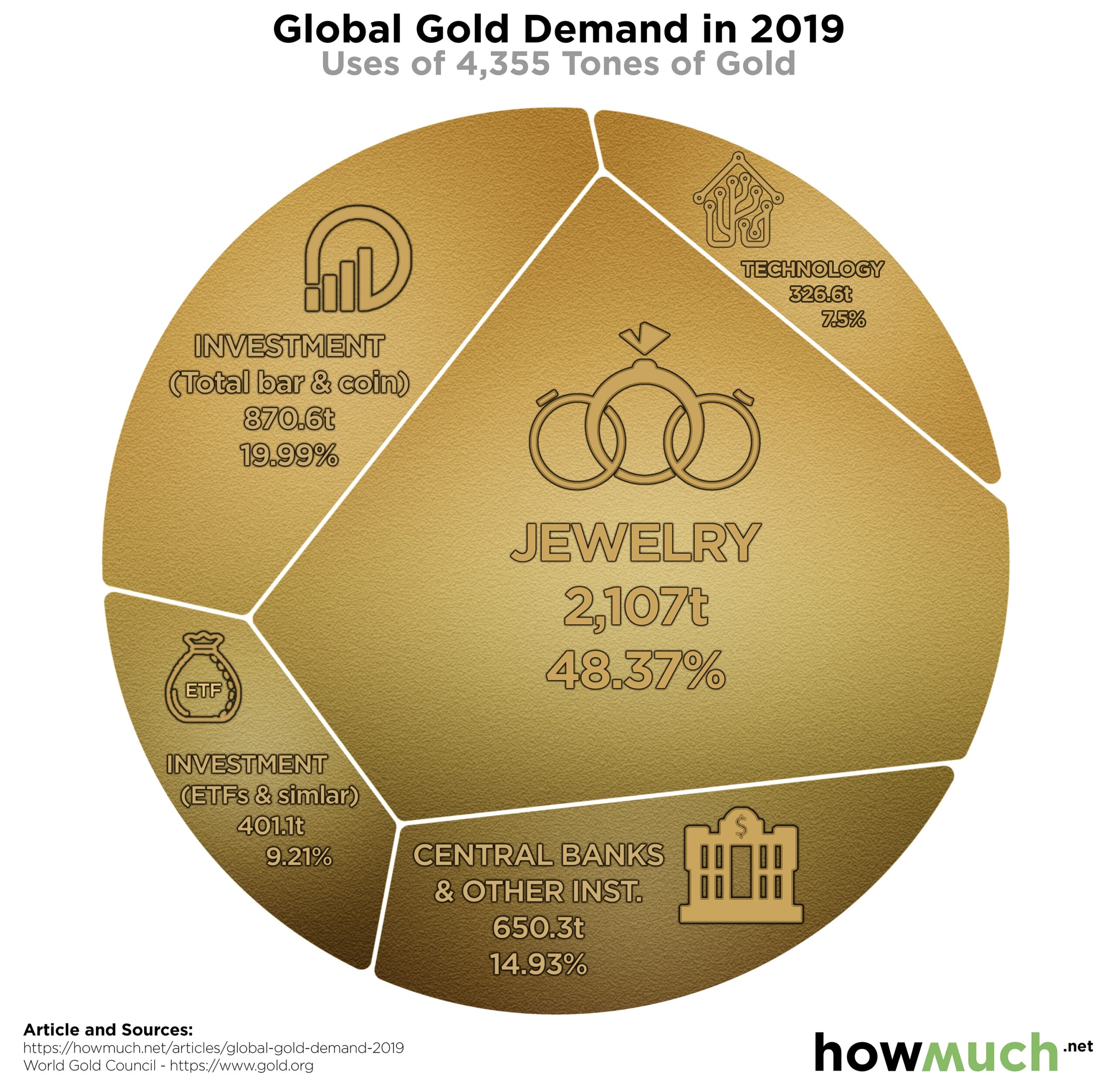
The demand for gold has seen a notable transformation, particularly as central banks and investors increasingly recognize its intrinsic value beyond mere price fluctuations. Approximately 52% of total gold demand now stems from these institutions, up significantly from a decade ago, highlighting a shift away from traditional jewelry consumption. This new paradigm reflects concerns about inflation and geopolitical factors that have led reserve managers to view gold as a strategic asset for diversification and risk mitigation. As financial markets face volatility and economic uncertainties, the resilience of gold prices, often bolstered by central banks’ purchasing strategies, underscores its appeal as a safe-haven investment. With rising fiscal debts and fears of currency debasement, investors are increasingly adopting gold as part of a comprehensive asset strategy to protect their portfolios against emerging risks.
The surge in gold’s appeal can also be described as a reassessment of its significance in the current economic landscape. As more reserve managers seek for alternatives to traditional fiat assets, gold emerges as a dependable store of value and a hedge against diminishing currency strength. This growing reliance on gold—both from private investors and institutional funds—has become integral to mitigating risks associated with inflation and geopolitical instabilities. Furthermore, with central banks ramping up acquisitions to secure their reserves, the market is adjusting to prioritize gold’s role as a buffer against economic turbulence. Consequently, these dynamics are fostering a robust environment for gold demand, positioning it as a critical asset in modern investment strategies.
Gold Demand: A Pillar of Stability Amid Market Volatility
In today’s financial landscape, gold demand has emerged as a cornerstone of market stability, particularly among central banks and institutional investors. With approximately 52% of total gold demand driven by these entities, as opposed to price-sensitive jewelry purchases, gold serves as a strategic asset that mitigates risks associated with market volatility. Central banks have significantly ramped up their gold purchases, reflecting their strategic imperative to bolster reserves and diversify their asset portfolios as geopolitical tensions rise.
The current environment, characterized by inflation pressures and increasing fiscal debts, has only intensified the appeal of gold. Investors recognize gold as a hedge against potential currency debasement, making it a critical component of a robust investment strategy. The allure of gold lies not merely in its historical value as a store of wealth but also in its growing reputation as a necessary safeguard against unpredictable economic fluctuations.
Frequently Asked Questions
What role do central banks play in global gold demand?
Central banks are a significant driver of global gold demand, currently accounting for about 52% of total demand. Their purchases stem from strategic decisions to diversify reserves, reduce reliance on the U.S. dollar, and ensure reserve sovereignty, particularly in a world characterized by rising fiscal debt and geopolitical tensions.
How are investors adapting their gold strategy in response to inflation?
Investors are increasingly viewing gold as a hedge against inflation, particularly in the face of rising debt and currency debasement concerns. Many are adjusting their gold strategy to incorporate gold as a hard asset that offers protection against fiscal risks, driven by fears of sustained inflation and economic uncertainty.
What factors contribute to the resilience of gold prices?
Gold price resilience is influenced by various factors including strong central bank purchasing, persistent concerns about inflation, and geopolitical fragmentation. Even amidst strong equity performance, gold has maintained its value due to its perception as a safe-haven asset and a reliable store of value.
How do geopolitical factors affect gold demand?
Geopolitical factors significantly influence gold demand as nations navigate sanctions risks and reserve sovereignty. Events such as Russia’s invasion of Ukraine have led central banks to increase gold holdings, viewing it as a universally accepted asset free from political control, thus enhancing its strategic appeal.
What impact does inflation have on gold investment strategies?
Inflation directly impacts gold investment strategies as many investors turn to gold to safeguard against the erosion of fiat currency value. Concerns over persistent deficits and future currency debasement make gold an attractive choice, solidifying its role as a key component in inflation-sensitive portfolios.
Why is gold considered a safe haven during economic uncertainties?
Gold is considered a safe haven during economic uncertainties due to its intrinsic value, low correlation with traditional assets like stocks and bonds, and its historical role as a reliable store of value. Investors turn to gold to mitigate risks associated with inflation, fiscal crises, and geopolitical tensions.
How does the demand for gold influence the overall market price?
Gold demand, particularly from central banks and strategic investors, plays a critical role in influencing overall market prices. As demand remains robust amid economic uncertainty, it creates upward pressure on gold prices, illustrating that gold is often sought as a protective asset rather than purely for speculative purposes.
| Key Points | |||||||
|---|---|---|---|---|---|---|---|
| Central banks and investors represent 52% of total gold demand, increasing from one-third a decade ago. | Reserve managers are accumulating gold for strategic reasons like de-dollarization, reserve sovereignty, diversification, and debt protection. | Inflation concerns and asset valuation fears are promoting long-term investments in gold. | Gold’s price remains steady above USD 4,500 despite strong equity market performance. | Central banks bought over 1,000 tonnes annually post-2022 Ukraine invasion, with purchases around 850 tonnes last year. | Investors recognize gold as a hedge against fiscal risk and currency debasement. | Increased momentum and fear of missing out (FOMO) are driving up investment demand. | Short-term outlook shows gold stabilizing after recent price corrections. |
| Gold demand plays a crucial role in the market today as investors and central banks increasingly view it as a non-speculative asset, essential for protection against economic uncertainties. |
Summary
Gold demand remains strong due to central banks and investors seeking stability in a volatile economic climate. With over half of gold demand now sourced from these strategic players, the focus has shifted from price sensitivity to viewing gold as a safeguard against inflation, fiscal debt, and geopolitical tensions. This trend highlights gold’s role not only as a financial asset but also as a strategic reserve in uncertain times.