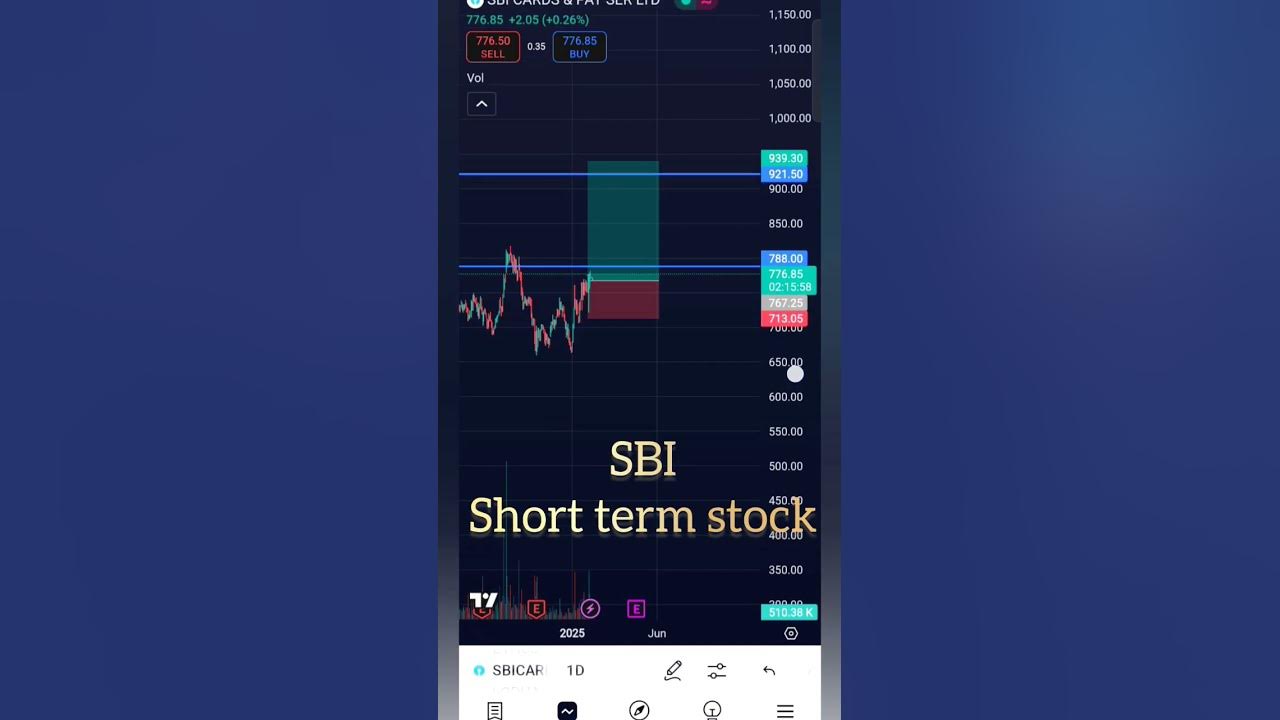
SBI stock has garnered significant attention recently, especially following its 7% decline after disappointing Q4 results. Investors are now closely watching the SBI share price as it has faced pressures from profit booking and analysts’ cautious outlook on short-term trading strategies. Despite a modest 5.6% increase in net profit to Rs 19,684 crore, the stock’s performance has left many questioning its viability as a solid investment right now. In-depth SBI stock analysis suggests that potential buyers may need to tread carefully to avoid further declines. As traders navigate these turbulent waters, understanding the implications of SBI’s recent movements will be crucial for making informed decisions on their investments.
The recent turbulence in the State Bank of India’s stock has raised eyebrows among investors and market watchers alike. With its shares experiencing a notable dip after the quarterly earnings report, discussions around the bank’s equity and market performance are becoming increasingly relevant. Many are exploring different strategies when it comes to SBI’s shares, particularly considering the role of profit taking and short-term trading dynamics. The focus on stock behavior following financial results serves as a reminder for traders to remain vigilant and strategic. As the market continues to react to these developments, a thorough evaluation of SBI’s financial health and trading potential remains imperative.
Understanding the Recent Decline of SBI Stock
The recent 7% decline in SBI stock has raised significant concerns among investors and analysts alike. Following the announcement of its Q4 results, SBI’s share price faced aggressive profit booking, reflecting investor sentiment that the bank’s performance did not meet market forecasts. Although the bank reported a net profit increase of 5.6% to Rs 19,684 crore, the reaction of the market indicates that optimism was largely overshadowed by a dip in expectations surrounding future growth and profitability, prompting a review of investment strategies. Buyers who had hoped for a steady rise are now reconsidering their positions in light of these developments.
Despite the apparent short-term setback, some analysts believe that this might present a buying opportunity for long-term investors. However, the declining trend in SBI stock also highlights the importance of effective risk management. For traders focused on short-term gains, establishing stop-loss levels becomes crucial to mitigate potential losses in case of further declines. Hence, understanding the underlying reasons for the stock’s shaky performance and the overall market sentiment can help investors make more informed decisions in the current environment.
SBI Stock Analysis: Current Trends and Future Outlook
A comprehensive SBI stock analysis reveals a landscape fraught with opportunities and risks. The significant profit booking seen in recent sessions suggests a volatile trading environment, where traders are urged to focus on macroeconomic indicators and banking sector trends that could affect SBI’s performance. Short-term traders need to be particularly vigilant, given that the market has reacted negatively to earnings that, while improved, failed to ignite confidence in sustained growth. Investors are watching closely for subsequent earnings reports and guidance from management, which will provide further clues about the bank’s trajectory.
Looking ahead, traders should consider not just the current share price but also the broader implications of the recent declines. If the SBI share price continues to fall, there might be further opportunities for upward momentum as value investors step in. However, as analysts recommend caution, it becomes essential for traders to employ strategic approaches such as advanced chart analysis and closely monitored stop-loss levels to safeguard their investments. The coming weeks will be critical in determining whether SBI can rebound or if the current trend could lead to prolonged downward pressure.”}]},{
Frequently Asked Questions
What caused the recent decline in SBI stock?
The recent decline in SBI stock, which saw a dip of 7%, was primarily driven by profit booking after the Q4 results were announced. Despite a 5.6% increase in net profit to Rs 19,684 crore, the figures fell short of analyst expectations, leading to a sell-off.
Is it a good time to buy SBI shares after the drop?
While some investors may see the recent decline as a buying opportunity, analysts advise caution. The SBI share price may experience further fluctuations as the market reacts to the Q4 results and overall market conditions.
What should short-term traders consider with SBI stock right now?
Short-term traders should monitor SBI stock closely due to the recent 7% decline and consider setting stop-loss orders to mitigate potential losses. Analysts suggest being prepared for further volatility before making trading decisions.
How does profit booking affect SBI share price?
Profit booking occurs when investors sell shares to lock in gains, which can negatively impact the SBI share price in the short term. The 7% decline in SBI stock reflects this behavior following the Q4 earnings announcement.
What is the outlook for SBI stock after the latest quarterly results?
The outlook for SBI stock remains cautious following the latest quarterly results. Although the net profit increased, it did not meet market expectations, leading analysts to recommend a careful approach to trading in SBI shares.
What should I look for in SBI stock analysis before investing?
When analyzing SBI stock, consider key metrics such as profit margins, earnings growth, and market expectations. Additionally, keep an eye on any changes in economic conditions or banking regulations that might impact SBI’s performance.
| Key Points | Details |
|---|---|
| SBI Stock Performance | 7% decline in share price after Q4 results were released. |
| Q4 Profit Results | Net profit rose by 5.6% to Rs 19,684 crore but fell short of market expectations. |
| Market Analyst Recommendations | Caution advised for short-term traders as further declines could occur. |
| Profit Booking | Investors engaged in profit booking leading to a sharp drop in prices. |
Summary
SBI Stock is currently under review following a notable 7% drop in its share price after disappointing Q4 profit results. Despite a slight increase in net profit, the stock fell short of market expectations, prompting analysts to recommend caution for short-term traders. Investors engaging in profit booking have further contributed to this decline, indicating that while opportunity may lie ahead, careful consideration is necessary before making investment decisions.