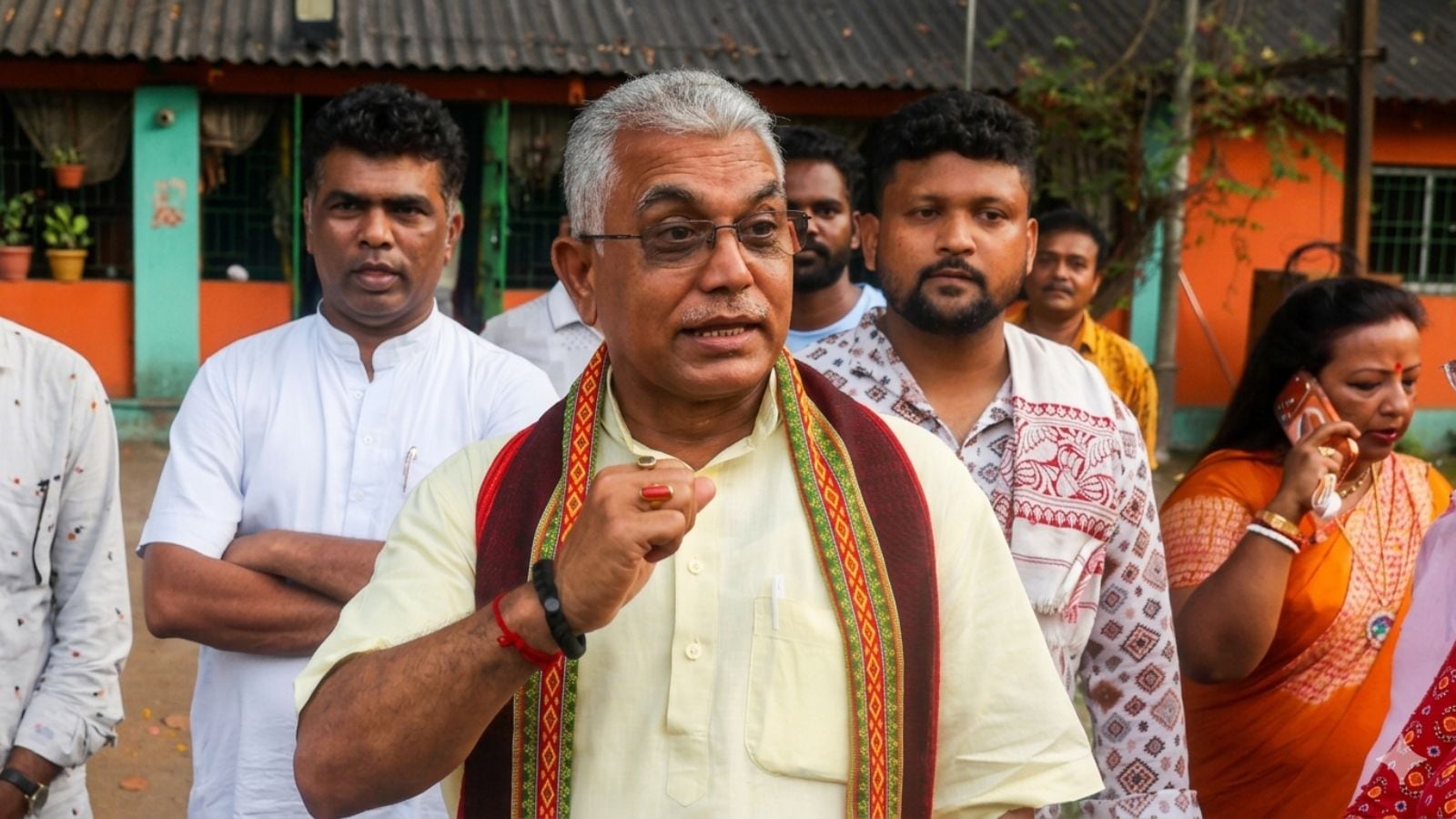
The BJP West Bengal cabinet represents a significant shift in the state’s political landscape, signifying the party’s determination to establish its presence in a region traditionally dominated by rival parties. With prominent figures such as Dilip Ghosh, who has been instrumental in grassroots mobilization, and Agnimitra Paul, celebrated for her advocacy of Bengal’s craftsmanship, the cabinet is poised to make influential strides in West Bengal politics. The recent BJP swearing-in ceremony attracted notable attention, featuring Union ministers and chief ministers from across the nation, underscoring the BJP’s strategic focus on West Bengal. This cabinet not only reflects the party’s commitment to development and governance but also its ambition to connect deeply with the cultural fabric of Bengal. As these BJP ministers take on their roles, they will face the challenge of translating political promises into tangible benefits for the people of West Bengal.
The newly formed cabinet by the Bharatiya Janata Party in West Bengal marks a pivotal moment in regional governance, bringing together seasoned leaders committed to reshaping the local political dynamics. Key members like the influential Dilip Ghosh and the culturally-minded Agnimitra Paul are expected to drive initiatives that resonate with the electorate. Following the impactful BJP oath-taking event, the cabinet’s potential impact on West Bengal’s administration is already generating discussions among political analysts and citizens alike. This assemblage of ministers not only aims to reinforce the BJP’s rule in the region but also to effectively address the pressing issues faced by the populace. As they embark on this journey, their strategies will likely reflect both the party’s ideology and the distinctive ethos of Bengal.
Understanding BJP’s West Bengal Cabinet Dynamics
The BJP West Bengal cabinet has emerged as a significant player in the state’s political landscape. With Dilip Ghosh at the helm, the cabinet is poised to bring about substantial changes leveraging the party’s core values and grassroots connection with the electorate. Ghosh’s background with the RSS has uniquely positioned him to understand the intricacies of West Bengal politics, enabling him to devise effective strategies that cater to local sentiments while aligning with the broader national agenda set by the BJP.
Alongside Ghosh, other key figures like Agnimitra Paul, who has gained recognition for promoting Bengal’s rich cultural heritage, are instrumental in shaping the cabinet’s identity. Their diverse experiences reflect the BJP’s approach to integrate various aspects of West Bengali culture and politics into governance. This dynamic team, which also includes notable names such as Ashok Kirtania and Kshudiram Tudu, aims to resonate with citizens while tackling pressing issues like unemployment and agriculture, thus fortifying the BJP’s stance in the region.
The Role of Cultural Advocacy in BJP Governance
Agnimitra Paul’s inclusion in the BJP West Bengal cabinet underscores the party’s commitment to cultural advocacy as a vital component of its governance strategy. As a fashion icon with a keen interest in traditional crafts, her focus on promoting local artisanship, particularly Kantha embroidery, has the potential to foster economic growth in rural areas. This aligns with the BJP’s broader objectives of empowering marginalized communities by creating sustainable livelihood opportunities.
Moreover, cultural initiatives spearheaded by ministers like Paul serve not only to safeguard West Bengal’s rich heritage but also act as a catalyst for tourism. By integrating cultural promotion into the state’s economic development plans, the BJP cabinet is setting the stage for a holistic approach that encompasses both cultural pride and economic viability. This strategy reflects a nuanced understanding of West Bengal’s identity, as well as the powerful impact that cultural advocacy can have on political acceptance and support.
BJP’s Strategy for Empowering New Ministers
The BJP’s approach to empowering new ministers, such as Ashok Kirtania and Nisith Pramanik, showcases a strategic effort to bolster the party’s influence in West Bengal. By assigning portfolios that cater to the local needs and interests of the electorate, the BJP is not only positioning itself as a responsive governance model but also nurturing leaders who can effectively address regional challenges. Training programs and workshops designed to enhance their capabilities further reflect the BJP’s commitment to developing a skilled leadership pipeline in the state.
This empowerment strategy is crucial for cultivating a robust support system for the BJP on the ground. As these new ministers gain experience and visibility within their communities, they can foster stronger connections with constituents, ensuring that the party remains relatable and relevant during challenging electoral cycles. Such grassroots efforts are vital for the party, particularly in a culturally rich and politically diverse state like West Bengal, where local ties often dictate political allegiance.
The Impact of BJP’s Swearing-in Ceremony on West Bengal Politics
The recent BJP swearing-in ceremony, attended by prominent national leaders including Prime Minister Narendra Modi, marks a pivotal moment in West Bengal’s political narrative. This event not only symbolizes the party’s administrative transition but also demonstrates its commitment to establishing a strong governance framework in a state historically dominated by regional parties. The presence of influential figures like Amit Shah and Rajnath Singh indicates the central leadership’s investment in West Bengal, which could potentially galvanize new support among the electorate.
Moreover, the ceremony serves as a launchpad for the BJP to communicate its policy priorities and vision for the state. As the new ministers take their oaths, the public’s attention turns to their promised initiatives and expected impacts. The focus on both governance and community engagement by figures such as Dilip Ghosh and Agnimitra Paul could catalyze a shift in voter sentiment, reinforcing the BJP’s position as a contender for state leadership moving forward. This transition is crucial, given the BJP’s ambitions to create a lasting legacy in a state marked by complex socio-political dynamics.
Leaders Who Shape BJP’s West Bengal Cabinet Policy
The effectiveness of the BJP West Bengal cabinet significantly relies on the leadership and influence of its key ministers. Dilip Ghosh’s proven track record in party organization and grassroots mobilization uniquely qualifies him to lead the cabinet’s policy direction. His experiences from ground-level activism to a senior leadership position allow him to address regional concerns thoroughly. Ghosh’s strategies will likely focus on enhancing local connectivity to the BJP’s national agenda, ensuring that state policies resonate with the aspirations of the Bengali populace.
Accompanying him, ministers like Agnimitra Paul, with her unique expertise in cultural and women empowerment issues, strive to diversify the cabinet’s focus beyond traditional political arenas. This infusion of fresh perspectives aims to create a more holistic policy framework that encompasses economic development, cultural pride, and social equity. The collective efforts of these leaders can redefine the BJP’s approach in West Bengal, potentially changing how politics is perceived and engaged with by voters.
Challenges Facing BJP’s New Government in West Bengal
As the BJP West Bengal cabinet embarks on its governance journey, it faces several challenges that could impact its effectiveness and longevity. One significant hurdle will be addressing the entrenched political ambitions of long-standing rival parties that dominate the West Bengal landscape. Opposition from the Trinamool Congress and other regional entities poses a constant challenge to the BJP’s policy initiatives and overall governance strategy. The ability of BJP ministers like Dilip Ghosh to effectively counter these narratives will be critical in securing the party’s foothold in the state.
Additionally, managing public expectations and delivering on campaign promises will play a crucial role in the cabinet’s success. As voters look for tangible results, ministers like Agnimitra Paul will need to ensure that cultural initiatives and economic programs translate into real-world benefits for the populace. Failure to address issues like unemployment and infrastructural development could lead to disenchantment among voters, thus threatening BJP’s efforts to build a durable political coalition in West Bengal.
BJP’s Focus on Economic Development in West Bengal
Economic development stands at the forefront of the BJP West Bengal cabinet’s agenda, with a strong emphasis on job creation and enhancing infrastructure. The appointment of leaders with diverse skill sets, such as Dilip Ghosh’s organizational strength and Agnimitra Paul’s cultural insights, enables the cabinet to approach economic revitalization from multiple angles. Their collective vision aims to foster a conducive environment for local businesses and attract investments, which is essential for boosting the state’s economy and generating employment opportunities.
The cabinet’s economic policies will likely involve strategic partnerships with both the public and private sectors. By leveraging both national resources and local entrepreneurial spirit, the BJP cabinet seeks to drive innovation and deliver sustainable economic growth. Ministers are expected to create robust frameworks for industries such as textiles and tourism, which are vital to West Bengal’s heritage yet hold tremendous potential for modernization and revenue generation.
BJP’s Vision for a Transformed West Bengal
The BJP West Bengal cabinet is not just about governance; it represents a vision for transforming the socio-political landscape of the state. Under the leadership of Dilip Ghosh, the cabinet articulates a forward-thinking agenda that seeks to merge development with cultural preservation. This dual approach appeals to a broad spectrum of voters, from urban professionals to rural artisans, by promoting a narrative that they are partners in West Bengal’s development journey.
This transformative vision also includes addressing social issues, ensuring equality, and enhancing the quality of life for all citizens. The incorporating of voices like Agnimitra Paul into the cabinet showcases the BJP’s intent to engage different demographics actively. As policies unfold, the emphasis will be on creating inclusive growth avenues where all communities can thrive, thereby reshaping West Bengal’s identity in alignment with national aspirations.
Frequently Asked Questions
Who are the key figures in the BJP West Bengal cabinet?
The BJP West Bengal cabinet features prominent leaders such as Dilip Ghosh, a key figure in strengthening the BJP’s grassroots presence in the state, and Agnimitra Paul, known for her advocacy of Bengal’s traditional crafts. Other notable BJP ministers in the cabinet include Ashok Kirtania, Kshudiram Tudu, and Nisith Pramanik.
| Minister | Background/Role |
|---|---|
| Dilip Ghosh | Former full-time RSS pracharak who strengthened BJP’s grassroots organization in West Bengal post-2014. |
| Agnimitra Paul | Prominent in showcasing Bengal’s traditional crafts, especially Kantha embroidery, at events like Lakme Fashion Week. |
| Ashok Kirtania | Additional details pending. |
| Kshudiram Tudu | Additional details pending. |
| Nisith Pramanik | Additional details pending. |
Summary
The BJP West Bengal cabinet consists of key figures like Dilip Ghosh, who has a significant background in strengthening the party’s grassroots after 2014, and Agnimitra Paul, known for highlighting Bengal’s rich traditional crafts. This cabinet emerges as a new chapter for the BJP in West Bengal, reflecting a strategic approach to leveraging both grassroots activism and cultural representation to connect with the people of Bengal. As these ministers assume their roles, their efforts will be closely watched in shaping the future of the party in the region.