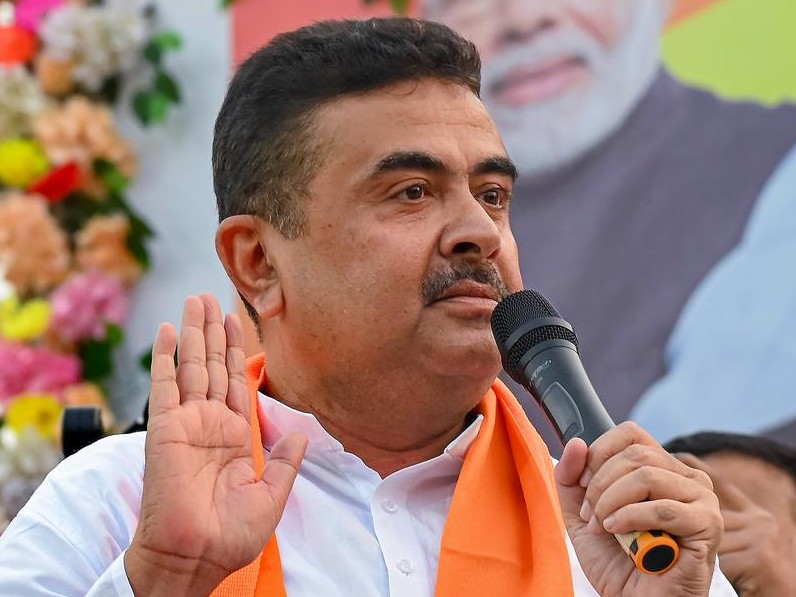
BJP Chief Minister Suvendu Adhikari has made history by taking oath as the first chief minister from the Bharatiya Janata Party in West Bengal since Independence. His ascension to the role follows a remarkable West Bengal BJP victory in the recent Assembly elections, marking a significant political transition in India. The momentous oath-taking ceremony took place on May 9, attended by Prime Minister Narendra Modi and key NDA leaders, reflecting the BJP’s newfound strength in the region. Adhikari’s rise symbolizes the end of the All India Trinamool Congress government’s 15-year reign, indicating a shifting political landscape in West Bengal. As the first BJP Chief Minister, Suvendu Adhikari’s leadership heralds a new era for the state’s governance and policymaking.
The emergence of Suvendu Adhikari as the chief executive of West Bengal signifies a pivotal change in the state’s political environment. As the architect of the BJP’s victory in the Assembly elections, Adhikari’s leadership is set to redefine governance in this historically vibrant state. This transition from the longstanding rule of the Trinamool Congress to a BJP-led government represents a key moment in India’s political narrative, emphasizing the party’s expanding influence across the country. With strong backing from national leaders, this political shift promises to bring fresh policies and reforms to West Bengal, aligning with the expectations of millions who have rallied for change. As the state braces for a new chapter, the success of this new BJP administration will be closely watched as a barometer for future electoral trends in India.
Suvendu Adhikari: A New Dawn for West Bengal Politics
On May 9, Suvendu Adhikari made history by becoming the first BJP Chief Minister of West Bengal, a pivotal moment signifying a dramatic shift in the state’s political landscape. His oath-taking followed a historic election victory for the Bharatiya Janata Party, which ended a 15-year reign of the All India Trinamool Congress. This transition represents not just a change in leadership but marks a crucial political watershed moment in India, highlighting a growing acceptance of BJP’s ideologies in a region traditionally dominated by the opposition.
As Adhikari took his oath of office, he was surrounded by prominent figures, including Prime Minister Narendra Modi, symbolizing not only BJP’s influence in West Bengal but also its strategic emphasis on eastern India. The atmosphere during the ceremony conveyed a sense of optimism and renewal among BJP supporters who have been long-awaiting this moment. The victory is seen as a monumental achievement, paving the way for potential reforms and policies that could significantly transform governance in West Bengal.
Impact of the Historic BJP Government in West Bengal
The significance of Suvendu Adhikari’s leadership extends beyond mere administrative change. It signifies BJP’s calculated efforts to infiltrate a region that has remained politically resistant for decades. With this victory, the party is poised to introduce various policies aimed at economic growth, social welfare, and infrastructural development. Key stakeholders have expressed confidence that under Adhikari’s stewardship, the BJP government will leverage its newfound power to address issues that have long plagued the state, aligning development strategies with national objectives.
Moreover, the atmosphere of celebration that accompanied the BJP’s victory echoes a palpable sentiment among the populace eager for change. Festivities erupted across towns and cities, reflecting a blend of relief and enthusiasm from constituents hopeful for a new beginning. The elevation of BJP in West Bengal will undoubtedly influence political dynamics, prompting a reevaluation of alliances and strategies in local governance as the party prepares to fulfill its electoral promises.
BJP’s Strategic Moves During the Assembly Elections
The assembly elections that led to the BJP’s historic victory in West Bengal were marked by strategic campaigning and grassroots mobilization efforts. The party’s focused narrative, often resonating with local issues, coupled with robust leadership from figures like Suvendu Adhikari, allowed the BJP to penetrate regions that were considered bastions of the opposition. Their campaign utilized effective messaging tailored to resonate with voters’ aspirations, emphasizing themes of development and good governance.
The BJP’s tactical approach also included forging alliances with influential local leaders and communities, which played a crucial role in building a broad-based coalition of support. The outreach efforts, combined with a strong organizational structure, facilitated a successfully orchestrated campaign that culminated in the party’s electoral success. This strategic planning is now expected to shape the operational framework of the BJP government in West Bengal as it seeks to transition promises made during the campaigns into actionable governance.
Reactions to the Oath-Taking Ceremony
The oath-taking ceremony of Suvendu Adhikari as West Bengal’s Chief Minister was a moment celebrated not only by BJP supporters but also closely observed by political analysts and opposition leaders alike. Comments on social media echoed with sentiments of hope and skepticism, reflecting a divided political landscape in the state. The presence of Prime Minister Narendra Modi at the ceremony underscored the importance of this milestone, symbolizing the national significance of BJP’s foothold in the state.
Many party supporters viewed Adhikari’s swearing-in as a vindication of their faith in the BJP’s vision for West Bengal, fostering a sense of unity and purpose among cadres. Contrarily, opposition voices raised concerns about the implications of this change, warning of potential divisive politics. Nevertheless, the anticipation surrounding Adhikari’s governance style and initial policy initiatives remains critical as stakeholders look toward the next steps in this unprecedented political transition.
Future Prospects Under BJP Governance
The ascendance of the BJP government in West Bengal heralds potential changes in local and state governance approaches. Suvendu Adhikari’s administration is expected to prioritize infrastructural development, economic revitalization, and enhanced social welfare programs, reflecting the larger BJP agenda at the national level. With the party’s considerable resources and policy-making expertise, there is optimism regarding significant advancements that could reshape the state’s economic landscape.
However, the trajectory of these proposed changes will largely depend on how effectively the BJP can navigate the complexities of state politics while maintaining public trust. The upcoming months and years will be a litmus test for Adhikari as he balances promises made during the elections with the practical realities of governance and the diverse expectations of West Bengal’s electorate.
The Role of Union Leadership in West Bengal’s Political Shift
The involvement of senior BJP leaders, including Prime Minister Narendra Modi, in the West Bengal elections demonstrates a strategic top-down approach, illustrating BJP’s emphasis on leveraging central leadership to influence regional outcomes. This led to increased visibility and reinforced the party’s commitment to its agenda in the state, giving grassroots voters a sense of connection to national leadership.
As the state embraces its first BJP Chief Minister, the implications of this leadership style will be pivotal. Union leadership is expected to play a significant role in policy direction and state governance, shaping how effectively local issues are addressed while also ensuring alignment with national priorities. This symbiotic relationship could be crucial in sustaining the support of the electorate as the Adhikari administration embarks on its agenda.
Celebrating a Political Milestone in West Bengal
The swearing-in ceremony marked not just the election of a new Chief Minister but was also a celebration of a political milestone that reflects broader changes in Indian politics. BJP’s victory in West Bengal is celebrated not only as an achievement for the party but as a potential turning point in the Indian political narrative, particularly in how political alliances and government functions are perceived across the country.
As supporters rejoiced in the streets, the transition to BJP governance was seen as an opportunity for rejuvenation within the political discourse in West Bengal. This significant change sets the stage for accountability, innovation, and an opportunity for enhanced governance models that other states may look to replicate, potentially altering the course of future elections as voters gauge the effectiveness of Adhikari’s leadership.
Challenges Facing the New BJP Administration
Despite the momentum and enthusiasm surrounding Suvendu Adhikari’s administration, the BJP government in West Bengal faces a myriad of challenges that could hinder its effectiveness. Transitioning from opposition to governance requires navigating existing bureaucratic structures, ensuring the delivery of promises made during the campaign, and managing dissent from opposition parties that are still firmly entrenched in the state’s political fabric.
Key issues such as economic recovery post-pandemic, job creation, and addressing social disparities will demand decisive action and innovative solutions. The success of the BJP in maintaining public support hinges not only on popular policies but also on the administration’s ability to engage with constituents effectively and transparently as it seeks to stabilize and thrive in West Bengal’s complex political landscape.
Suvendu Adhikari’s Vision for West Bengal
As Suvendu Adhikari embarks on his tenure as the first BJP Chief Minister of West Bengal, his vision for the state appears largely focused on rapid economic development and infrastructural advancement. The Chief Minister has articulated goals that align closely with national initiatives and state needs, leveraging BJP’s platforms to address critical local issues while positioning the state as a key player in India’s overall growth narrative.
His leadership is expected to foster policies aimed at enhancing investment opportunities and facilitating entrepreneurship, thereby restoring faith in governance among voters. With a proactive approach to engaging with the populace, Adhikari aims to ensure that the government not only meets but exceeds the expectations set during the election campaign, reinforcing the BJP’s commitment to transforming West Bengal into a model for other states.
Frequently Asked Questions
What does Suvendu Adhikari’s oath as West Bengal’s first BJP Chief Minister represent for the party?
Suvendu Adhikari’s oath as West Bengal’s first BJP Chief Minister since Independence marks a significant political transition and victory for the BJP in the state. This historic event signifies the end of the All India Trinamool Congress’s 15-year rule, demonstrating the BJP’s growing influence in eastern India and solidifying its presence as a key player in regional politics.
| Key Points |
|---|
| Suvendu Adhikari takes oath as West Bengal’s first BJP Chief Minister since Independence on May 9, marking a significant shift in state politics. |
| This event follows the BJP’s historic election victory, ending a 15-year rule of the All India Trinamool Congress. |
| The oath-taking ceremony was attended by key leaders, including Prime Minister Narendra Modi and other senior NDA officials. |
| Adhikari showed gratitude to his party leaders during the ceremony, signaling unity and commitment to governance. |
| The BJP’s victory in West Bengal is seen as a major political achievement, with widespread celebrations occurring across the state. |
Summary
BJP Chief Minister Suvendu Adhikari’s swearing-in as the Chief Minister of West Bengal marks a pivotal moment in the state’s political landscape. His assumption of office symbolizes a significant transition as the BJP emerges victorious and promising a new direction after two decades of Trinamool Congress leadership. With key figures like Prime Minister Narendra Modi in attendance, the oath-taking ceremony was not just a formality but also a celebration of the BJP’s dynamic presence in Eastern India. As the first BJP Chief Minister, Adhikari carries the weight of immense expectations, aiming to address various state issues and guide the new government towards tangible achievements, while the party redefines its strategy and vision for the people of West Bengal.