The Manipur border conflict has recently intensified, as Myanmar-based militants increasingly threaten the integrity of Indian sovereignty in this region. Amid celebrations of Operation Sindoor Day, which underscores India’s resolve to combat terrorism, a dark reality looms in the hills of Manipur, where KNA(B) insurgents have brazenly crossed borders to wreak havoc. Villages like Namlee and Wanglee have suffered from violent incursions, with homes set ablaze and civilians, including women and children, abducted amid the chaos. The alarming rise in militant activities not only highlights the complex Northeast India issues but also raises concerns regarding the ineffectiveness of governmental response to militant attacks. As India grapples with the spillover effects of conflict in Myanmar, the plight of residents near the border warrants urgent attention and action from the state apparatus to safeguard their lives and rights.
The ongoing strife along the borders of Manipur has become increasingly critical, drawing attention to the intricate dynamics of regional security challenges. This area is plagued by conflicts involving various armed groups, including insurgents from Myanmar who have intruded into Indian territory, highlighting the treacherous intersection of local and international tensions. The disturbing pattern of escalated violence witnessed, especially during the recent incursions, underscores the urgent need for a comprehensive strategy to address these border disputes and insurgent threats. Despite significant national attention pivoting to incidents in other regions of India, the dire situation in Manipur suffers from a lack of visibility. Such indifference risks normalizing aggression against Indian sovereignty and undermining the social fabric of Northeast India, with implications that demand immediate and decisive governmental action.
Understanding the Manipur Border Conflict
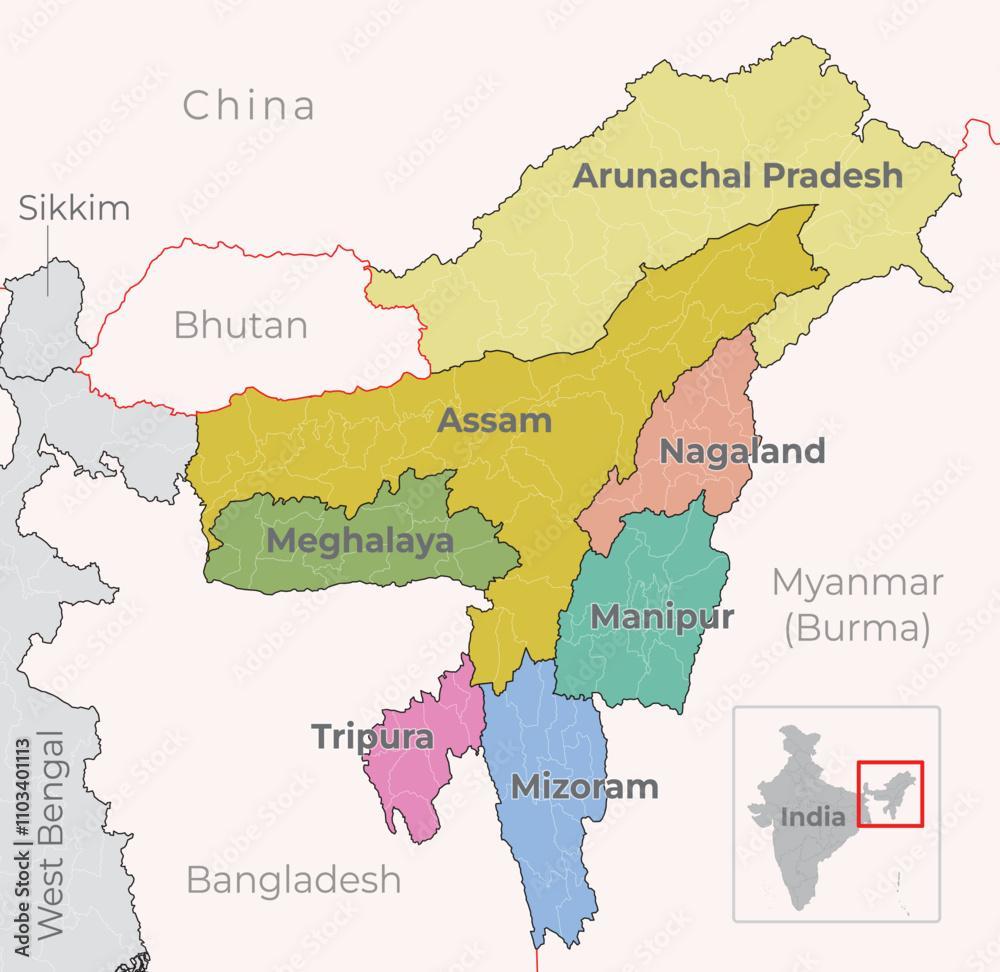
The Manipur border conflict has emerged as a critical issue in India’s Northeast, revealing challenges posed by transnational militancy. Straddling the border of India and Myanmar, this region has become a hotbed for various insurgent groups, particularly the KNA(B) and the People’s Defence Force (PDF), which have launched coordinated attacks within Indian territory. These militants have been implicated in violence that ranges from attacks on civilians to systemic abductions, raising alarming questions about national security and the condition of civilian life along the Indo-Myanmar border.
The lack of attention from the national government towards the Manipur border conflict is particularly troubling. While the conflict possesses characteristics of a traditional insurgency, the unique political and cultural backdrop presents added complexities. The ongoing civil war in Myanmar exacerbates the situation, allowing these insurgents to exploit the porous borders, complicating Indian sovereignty and security concerns. Areas like Kamjong often find themselves at the mercy of these cross-border militants, leading to disruptions in everyday life and a growing sense of insecurity among local communities.
Impact of Myanmar Insurgents on Manipur
The incursion of Myanmar-based insurgent groups into Manipur has tangible impacts on local communities. For instance, the recent militant attacks have resulted in the destruction of homes and communities, leaving behind a trail of devastation and trauma. Survivors often recount harrowing experiences of abduction and violence, including the abduction of women from different ethnic backgrounds, highlighting how the conflict indiscriminately affects diverse populations in the region. This underscores the need for a nuanced understanding of the conflict’s human face, beyond mere statistics.
Moreover, the psychological toll on communities affected by such violence is profound. The constant threat of attacks not only instills fear but also disrupts the social fabric and economic stability of the region. Families are often torn apart, and communal relations strained, as suspicion and anxiety about security escalate. To rebuild, these communities need not only immediate protection but long-term strategies that address the roots of the conflict, including better governance, enhanced local intelligence-sharing, and targeted outreach among insurgent factions.
The Role of Operation Sindoor Day in National Sovereignty
Operation Sindoor Day symbolizes India’s resolve to combat terrorism on its terms, yet it implicitly exposes the inconsistency of national responses to threats. While the operation commemorated significant victories against foreign terror groups, the ongoing strife along the Manipur border cries out for similar recognition of sovereignty breaches. For regions like Manipur, where the conflict involves foreign militants directly undermining Indian territorial integrity, the silence can be deafening. Unless a cohesive strategy is adopted to address such cross-border terrorism, the very essence of Indian sovereignty remains vulnerably threatened.
The contrasting reactions to violence in Kashmir and Manipur further reveal a disconcerting double standard in national discourse. The visceral outrage following incidents in the more visibly contested regions underscores a divergence in empathy and urgency. For Operation Sindoor Day to be truly representative of national interests, it must also encompass a commitment to safeguarding all borders, treating the territories of the Northeast with the same intensity and seriousness afforded to those in the more mainstream narratives.
Systemic Indifference to Northeast India Issues
The systemic indifference towards the issues plaguing Northeast India, particularly the Manipur border conflict, need urgent redress. Despite repeated incursions and disruptive activities by Myanmar insurgents, the national media and political discourse remain largely unconcerned, framing these issues as localized or peripheral. Such a narrative not only neglects the humanity at stake but also risks alienating the very fabric of unity envisioned in the Indian Constitution. To uphold the values of inclusivity and protection of all citizens, it is essential for these issues to resonate in the hearts of all Indians, not just those in the states directly affected.
Addressing this indifference involves recognizing the Northeast not merely as a geographic appendage but as integral to the national identity. Political leaders and policymakers must engage in meaningful dialogue with communities affected by ethnic strife and cross-border violence. It requires seeing these incidents not just as law-and-order challenges but as existential threats to the ethnocultural mosaic of India, which is built upon diversity and solidarity. Only through such a holistic understanding can the nation hope to forge a comprehensive response that resonates across the entirety of its territory.
Cross-Border Militancy: A Growing Threat
Cross-border militancy remains a significant concern for India’s northeastern states, especially as groups like the KNA(B) and PDF become bolder in their operations. The recent wave of violence not only reveals the tactical sophistication of these insurgents but also points to a worrying trend where sovereign boundaries appear increasingly permeable. As militants operate with near-impunity on Indian soil, this poses a direct challenge to national security, potentially emboldening further incursions and waves of violence that could destabilize the region.
For the Indian government, addressing this emerging threat requires both defensive and strategic cooperation with neighboring countries, particularly Myanmar. Enhanced intelligence-sharing arrangements, improved border surveillance, and joint operational mandates could be pivotal in countering the momentum of these insurgent groups. Moreover, comprehensive rehabilitation and reintegration programs for insurgents willing to abandon violence could further diminish their influence, ensuring that their capacity for harm diminishes while fostering peace in the region.
The Need for Decisive Action Against Insurgency
The growing insurgency threats in Manipur demand immediate and decisive action from both local and national governments. The rhetoric of ‘security gaps’ and ‘lack of foreign aggression’ no longer holds as credible in the face of clear evidence of cross-border militant activities. Advocating for enhanced military preparedness and tactical deployment along the border could not only deter future attacks but also restore a sense of safety among the communities that have been left vulnerable for too long.
Moreover, the political leadership in Manipur must provide a clearer narrative that demands accountability from both local and national institutions. It is crucial to move beyond reactive measures and embrace a proactive governance approach that prioritizes the safety and security of all ethnic communities within the state. By fostering a culture of accountability and transparency, they can begin to rebuild trust among citizens and demonstrate that their lives are valued by the broader nation.
Civilian Lives Caught in the Crossfire
Amidst the chaos of the Manipur border conflict, the civilian population emerges as one of the most affected entities. Families are left shattered as stories of abduction, violence, and loss become commonplace in their daily existence. The recent raids instilled a blanket of fear across different communities, which further emphasizes the indiscriminate nature of these militant attacks. Such an environment of instability and insecurity can lead to long-term psychological ramifications for all affected individuals, especially vulnerable groups such as women and children.
To mitigate these impacts, it becomes essential to create community resilience programs that equip civilians with coping mechanisms and healing practices. Providing psychological support, legal aid, and community-building initiatives can help buffer against the trauma inflicted by these violent conflicts. Addressing the plight of civilians must become a priority, ensuring that their voices are heard and their needs met through effective legislative and community-driven frameworks.
Call for Solidarity and Support for Manipur
The plight of Manipur and its communities should spur a nationwide call for solidarity and support. The disconnect between the mainstream narratives in Indian politics and the realities faced by northeastern states must be confronted head-on. Building collective awareness and advocating for the interests of affected populations can foster a sense of unity among diverse ethnic communities. This solidarity is not just about crisis management; it calls for a concerted effort to recognize and address the unique challenges that these regions face.
Furthermore, national campaigns aimed at highlighting the struggles of states like Manipur can pave the way for grassroots organizations and civil society to collaborate on initiatives that uplift these communities. The voices of the Tangkhul Nagas, Meiteis, and other ethnic groups must be advocated for, fought for, and integrated into the larger narrative of India’s national identity. Only through sincere engagement and mutual respect can the country hope to foster an inclusive future that integrates and uplifts all its citizens.
Navigating the Path to Peace and Security
In the quest for peace and security in the northeastern region, particularly Manipur, it is imperative to chart a comprehensive and inclusive roadmap. Strategies must be developed that focus not solely on military responses but also on political dialogue, socio-economic development, and community engagements that address the root causes of conflicts. This involves recognizing the historical grievances that exist and taking significant steps toward reconciliation among the diverse communities in Manipur.
Moreover, continuous efforts to build trust with local leaders and fostering collaborative security frameworks can serve to lay the groundwork for lasting peace. It is equally critical for the national government to prioritize infrastructural development that benefits these border areas, reinforcing the notion that every Indian deserves equitable access to development and security. By investing in the people and the infrastructure of these regions, the pathway towards a more peaceful and resilient Manipur can be forged.
Frequently Asked Questions
What are the recent developments in the Manipur border conflict involving Myanmar insurgents?
Recent events in the Manipur border conflict highlight a troubling escalation, particularly with Myanmar-based insurgents, including the KNA(B), launching attacks across the Indo-Myanmar border. On May 7, 2026, these militants attacked several villages in Kamjong district, demolishing homes, abducting civilians, and creating widespread panic. Despite the government’s recognition of security gaps in the area, there has been a shocking lack of national outrage or substantial media coverage compared to incidents in other regions, raising serious concerns about India’s sovereignty and the treatment of Northeast India issues.
| Key Points | Details |
|---|---|
| Operation Sindoor Day | India celebrated decisive military actions against foreign terrorists. |
| Conflict in Manipur | Myanmar-based militants attacked Indian border villages and kidnapped civilians. |
| Lack of National Attention | The Northeast faces repeated neglect regarding security issues and terrorism. |
| Government Response | Official denial of foreign aggression and inadequate security measures. |
| Recent Incidents | On May 7, 2026, multiple civilians abducted, including women. |
| Political Hypocrisy | Selective outrage only for certain regions; Northeastern issues often minimized. |
| Need for Action | Calls for robust security and diplomatic actions against Myanmar insurgents. |
| Appeal for Unity | A unified response to terrorism should extend across all regions, including Manipur. |
Summary
The Manipur border conflict highlights the urgent need for national awareness and action against the ongoing violence and abductions that plague the region. As Myanmar-based militants continue to attack Indian territory and terrorize local communities, the silence from the wider nation is deafening. This disconnect reveals a troubling trend of neglect and indifference toward the Northeast, which is often viewed as a distant appendage rather than an equal part of India. It is crucial that the government acknowledges the severity of the situation, labeling these incursions as foreign aggression and responding with the necessary force and support. The people of Manipur, regardless of community, deserve protection and solidarity from the Indian state, ensuring that their struggles and sacrifices are recognized and addressed with the same urgency afforded to other regions. India must remember that the security of its borders—including those in Manipur—is vital to the country’s unity and integrity.