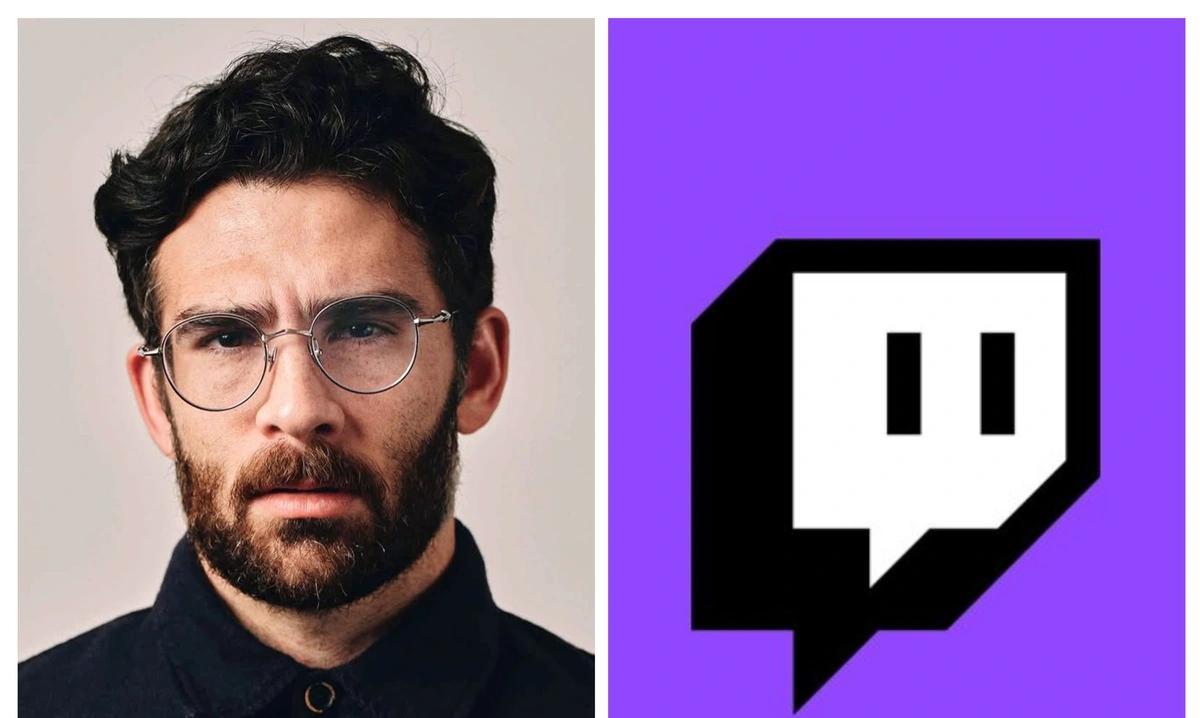
The HasanAbi Twitch controversy ignited a significant online debate when the political streamer reacted angrily to a viewer who referred to him as a “white baby.” This emotional response brought attention to issues surrounding racism and anti-DEI movements that are oftentimes overlooked in the fast-paced world of political commentary streaming. Viewers quickly turned to social media to express their opinions, resulting in a flood of Twitch viewer comments that either supported or criticized Hasan’s reaction. As clips from the livestream went viral, discussions emerged about the nuances of identity and the challenges faced by diverse voices in the digital landscape. This incident not only highlighted the tensions inherent in online debates but also underscored the importance of awareness in promoting DEI initiatives across platforms.
In the realm of gaming and streaming, HasanAbi’s recent incident has spurred a significant uproar online. The political commentator faced backlash after vehemently responding to a viewer’s light-hearted jab, revealing the intricacies of racial dynamics and identities within the Twitch community. The backlash showcases how quickly casual remarks can escalate into important discussions surrounding racism and diversity initiatives. Reflecting a broader trend, such controversies not only engage the gallery of viewers but also contribute to the ongoing dialogue about political discourse in streaming environments. As streamers like HasanAbi navigate these discussions, the implications for both their audience and the wider societal landscape regarding DEI movements cannot be overlooked.
HasanAbi Twitch Controversy: The Emotional Backlash
In the latest Twitch controversy, HasanAbi, a prominent political streamer, expressed his frustration after a viewer jokingly called him a ‘white baby’ during a discussion about anti-DEI movements. This accusation sparked an immediate response from Hasan, who argued that such claims detracted from the more significant conversation surrounding racism and its impacts on various communities. Viewing such comments through the lens of his experiences as a Muslim American, Hasan’s reaction illuminated the complexities involved in discussions about race, identity, and systemic discrimination in online platforms.
The controversy ignited a fierce debate across social media, with clips of Hasan’s emotional response rapidly circulating. Fans and foes alike analyzed his reaction, evaluating whether it was justified or an overreaction to a seemingly innocuous comment. This incident highlights a growing concern among content creators and audiences about fostering a respectful dialogue in politically charged environments. As online spaces become increasingly polarized, discussions like these elevate the importance of understanding individual perspectives within broader societal issues.
Racism and Online Debate: A Twitch Perspective
HasanAbi’s passionate response to the viewer’s comment shines a light on the challenges of addressing racism and discrimination in the realm of online commentary. In the livestream, Hasan articulated that critiques of anti-DEI movements often mask underlying white supremacist agendas that harm minority communities, including Asian Americans. His insights represent a critical viewpoint in the ongoing debates surrounding DEI initiatives, emphasizing the importance of fostering inclusivity and understanding in society.
The dialogue that followed Hasan’s outburst revealed diverging opinions on how best to confront racism within digital platforms. Many viewers engaged in discussions about the implications of humor in serious debates, questioning whether joking remarks can trivialize real socio-political issues. The reaction to Hasan’s comments underscores the evolving nature of online discourse, where humor intersects with identity politics, prompting participants to navigate the delicate balance between critique and compassion.
Political Commentary Streaming: The New Landscape
As political commentary on Twitch becomes increasingly popular, streamers like HasanAbi are at the forefront of critical discussions that resonate with viewers. The platform provides a unique space for addressing contentious topics such as DEI movements and systemic racism, allowing direct interaction between streamers and audiences. However, this immediacy can lead to heightened tensions, as seen in Hasan’s recent episode, where a simple viewer comment escalated into a full-blown discussion about identity and discrimination.
Content creators are now challenged to navigate their messages carefully, balancing authentic expression with the risks of miscommunication. Hasan’s experience exemplifies the broader implications of online audience interactions, where a single comment can spark profound debates about race, identity, and backlash against socio-political movements. As streaming platforms evolve, they are becoming vital arenas for political discussions, where the responsibility of both streamers and viewers plays a crucial role in shaping the narrative.
The Role of Viewer Comments in Shaping Discourse
Viewer comments can significantly impact the tone and direction of online discussions, as seen during HasanAbi’s Twitch stream. The seemingly innocuous remark that prompted Hasan’s emotional reaction illustrates how such interactions can deepen the complexities of political dialogue. While some viewers found the comment humorous, others saw it as an affront to the serious issues being discussed. This division reflects the diverse perspectives within Twitch’s audience and the challenges of fostering constructive conversations within such a varied demographic.
The incident also raises questions about the responsibilities of viewers when participating in political discussions online. As people engage with streamers, they must consider how their words can affect the discourse surrounding sensitive subjects like racism and DEI. The challenge lies in encouraging humor that complements rather than undermines serious discussions, fostering an environment where meaningful dialogue can thrive without fear of backlash.
Navigating Identity Politics in Streaming
The discourse surrounding HasanAbi’s reaction exemplifies the complexities of identity politics in the streaming world. His assertion of his experiences as a Muslim American facing discrimination points to a broader conversation about how personal identity informs political perspectives. Given the intersection of various identities, streamers must articulate their views while remaining sensitive to the nuances of audience perceptions and the diverse identities represented within their viewer base.
Navigating identity politics involves not only personal anecdotes but also understanding the collective experiences of marginalized groups. As discussions on platforms like Twitch evolve, streamers like HasanAbi can help shape a more inclusive narrative that honors various identities and fosters a deeper understanding of the challenges tied to race and representation. This journey is essential for creating a supportive online community that promotes equity and understanding.
Impact of Social Media on Controversial Topics
Social media plays a significant role in amplifying controversies, as seen in the aftermath of HasanAbi’s response. Clips of his emotional outburst circulated rapidly, igniting debates that reached audiences far beyond Twitch. The power of social media to shape narratives around controversial topics is a double-edged sword; while it can foster engagement, it can also lead to misinterpretations and intensified reactions among viewers.
The immediate feedback loop of social media can complicate how political discussions unfold, often pressuring streamers to respond quickly to audience reactions. For example, Hasan’s emotional reaction was dissected by both supporters who empathized with his message and critics who felt his response was excessive. This dynamic forces content creators to navigate the challenges of audience expectations while remaining true to their viewpoints, creating a precarious balance in the realm of political commentary.
The Intersection of Humor and Serious Discussion
Humor can be a powerful tool in discussions of serious topics, but it can also lead to misunderstandings, as demonstrated in the controversy surrounding HasanAbi. When a viewer jokingly referred to him as a ‘white baby,’ the intent behind the comment became a focal point for debate. This incident exemplifies how humor can lighten the mood during heavy discussions or, conversely, create friction that overshadows the key issues at hand, such as racism and the implications of anti-DEI movements.
Finding the right balance between humor and serious discourse is crucial for streamers. While making jokes can engage audiences and make discussions more accessible, it can also risk trivializing the very real impact of the topics being addressed. The reactions to Hasan’s livestream remind content creators and audiences alike that navigating this intersection requires sensitivity and awareness of the diverse perspectives within their communities.
Community Reactions: Supporters vs. Critics
The fallout from HasanAbi’s emotional response highlighted a clear divide between supporters and critics within his community. Supporters rallied around his defense of diversity initiatives, praising his courage to confront racism head-on, while critics expressed concerns about his reaction being disproportionate to the viewer’s intent. This schism within the audience reflects the broader societal tensions regarding identity politics and how they’re discussed in public forums.
This polarization demonstrates the challenges faced by content creators in addressing highly charged political issues. As more viewers engage with streamers on platforms like Twitch, they bring their own perspectives and biases into the conversation, complicating the discourse. Creators must be prepared to face backlash and diverging opinions, navigating these reactions with empathy while advocating for their beliefs in a respectful manner.
Sensitivity in Online Discourse and Streaming
HasanAbi’s Twitch controversy emphasizes the need for sensitivity in online discourse, particularly regarding discussions of race and identity. As streamers dive into topics like anti-DEI movements and systemic racism, understanding the impact of their words on diverse audiences is paramount. Context matters greatly in these discussions, and content creators must cultivate a space where dialogue can flourish without invalidating anyone’s experiences.
Creating a culture of sensitivity involves not only being aware of one’s language but also being receptive to feedback from the audience. Hasan’s emotional response stands as a case study on how quickly conversations can shift from informative to contentious, urging streamers to reflect on their approach. Ensuring that discussions honor the complexities of racism and inclusivity is vital for fostering a community of understanding and respect.
Frequently Asked Questions
What sparked the HasanAbi Twitch controversy involving racism and DEI discussions?
The HasanAbi Twitch controversy ignited when HasanAbi reacted angrily to a viewer who referred to him as a ‘white baby’ during a discussion about anti-DEI movements. This sparked a significant online debate about racism, political commentary streaming, and identity. HasanAbi defended himself by sharing his experiences with discrimination as a Muslim American, asserting that anti-DEI critiques can harm marginalized groups like Asian Americans. His emotional response divided viewers, raising questions about the limits of humor and the seriousness of political discourse on platforms like Twitch.
| Key Point | Details |
|---|---|
| Twitch Viewer Comments | A viewer called HasanAbi a ‘white baby’ during a discussion. |
| HasanAbi’s Response | He reacted angrily, defending his identity and experiences as a Muslim American. |
| Topic of Discussion | The conversation revolved around anti-DEI movements and racism. |
| Online Reactions | Clips of the incident went viral, leading to divided opinions on Hasan’s reaction. |
| Underlying Issues | The incident raised questions about identity, online discourse, and political commentary. |
Summary
The HasanAbi Twitch controversy highlights the intense debates surrounding identity and politics in today’s digital era. HasanAbi’s passionate defense against a viewer’s offhand remark about his race underscores the complexities of racial discussions within the context of online platforms. As he navigates the intricate landscape of anti-DEI movements and their impact on various communities, this incident has generated significant dialogue regarding the intersection of race, discrimination, and online behavior. By analyzing the reactions to his emotional outburst, one can gain insight into the broader societal tensions surrounding identity politics and how they manifest on streaming platforms.