

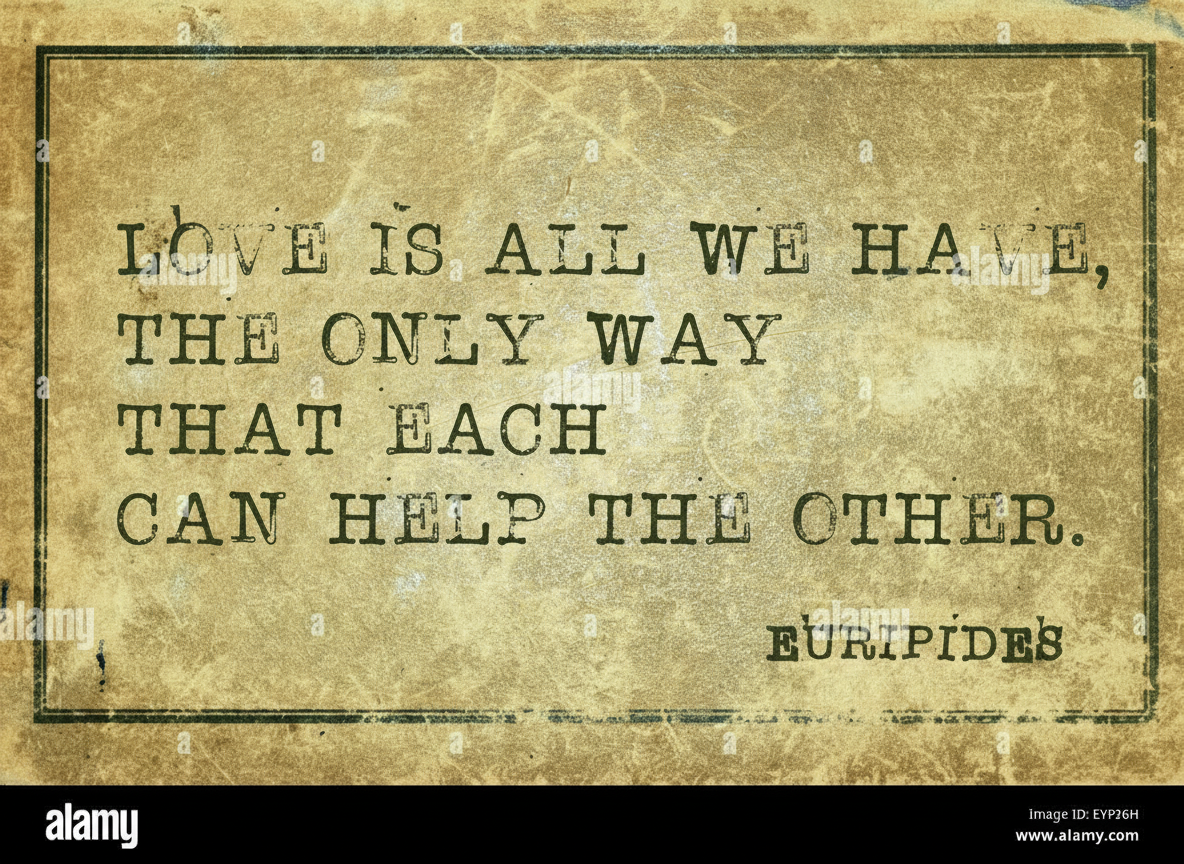
Euripides, a master of exploring the tumultuous human experience, once poignantly remarked, “For in other ways a woman is full of fear, defenseless, dreads the sight of cold steel; but, when once she is wronged in the matter of love, no other soul can hold so many thoughts of blood.” This striking quote encapsulates the emotional pain and transformative power of love, unveiling how betrayal in love can awaken a fierce and sometimes unsettling spirit within a person. The way Euripides articulates the vulnerability of women in matters of the heart resonates through the ages, revealing timeless truths about trust and relationships. Such sentiments remain relevant in today’s world, as they echo the struggles many continue to face when dealing with heartbreak and emotional turmoil. By delving into the layers of affection and fear in relationships, Euripides’ insights remind us of the powerful forces that govern our hearts.
When we reflect on the complexities of love and heartbreak, it’s essential to understand how profound emotional turmoil can shape an individual. Love, a potent catalyst for both joy and despair, can lead people down conflicting paths, particularly when trust is shattered. The feelings articulated by Euripides are not only relevant to ancient societies but also resonate with modern experiences of relational anguish. As we navigate the fine line between vulnerability and strength, it becomes clear that the essence of betrayal impacts everyone, often turning gentle souls into fierce defenders of their hearts. Through the lens of trust and emotional resilience, we can explore how the echoes of ancient wisdom still inform our present-day relationships.
Euripides on the Betrayal in Love
Betrayal in love is a theme that resonates through the ages, and Euripides offers profound insights into the emotional turmoil it can evoke. His haunting quote reflects the raw intensity of feelings someone experiences when trust is shattered. In his words, we can see how betrayal doesn’t merely hurt; it transforms a person, unlocking a primal instinct that seeks revenge. The depth of emotional pain associated with such wrongs often leads to a dramatic shift in personality, where one may become defensive and hardened. This reaction isn’t just a defense mechanism; it is a profound change within that can influence how that individual interacts with others in future relationships.
Euripides articulates a painful truth: when love turns to betrayal, it unleashes a torrent of feelings that can only be described as brutal and consuming. The emotional scars from such experiences are often lasting, causing individuals to erect walls that prevent new love from entering their lives. This theme of dark transformation induced by emotional upheaval is both timeless and relatable. Many can identify with the idea that once trust is broken, not only does the pain linger, but also the fear of future trust becomes paralyzing. As Euripides highlights, the implications of betrayal extend far beyond the immediate hurt; they ripple into every subsequent relationship.
The Power of Love and Emotional Pain
Euripides understood that love, while beautiful, possesses an inherent power that can lead to emotional pain. His reflections on love’s darker sides reveal how deeply intertwined vulnerability and emotional exposure are in romantic relationships. Love has the capacity to elevate us to great heights, yet when betrayed, it can lead one to experiences that plunge them into despair. This duality can create a tumultuous inner world where affection battles with fear, transforming individuals into versions of themselves that they hardly recognize. Indeed, the emotional tumult described by Euripides captures the volatility of love, illustrating how trust once given can shift from being a nurturing source to a weapon of emotional warfare.
It’s critical to recognize that emotional pain can sometimes unearth a newfound strength within individuals. The intense feelings of heartbreak and betrayal that Euripides discusses can serve as a catalyst for personal growth. Although the immediate aftermath of betrayal might lead to feelings of vulnerability and emotional detachment, over time, individuals may channel their experiences into developing resilience. This complex interplay between love and pain emphasizes the powerful lessons that heartbreak can teach us about boundaries, self-worth, and the complexities of trust in relationships. Euripides’ insights remain a homage to the strength of the human spirit even in the wake of profound emotional trials.
Understanding Vulnerability in Relationships
The emotions tied to vulnerability within relationships can be both a source of profound connection and exquisite pain. Euripides sheds light on this duality, as his quotes reveal that while vulnerability makes us susceptible to harm, it also invites intimacy and trust. When a betrayal occurs, the immediate reaction can involve a protective withdrawal, insulating oneself from the possibility of further hurt. This response is common, yet it often leads individuals to generalize their fears, impacting new relationships moving forward. By understanding the lessons of vulnerability presented in Euripides’ works, we learn that opening up to love inherently carries risks but can also lead to the richest of experiences when approached with wisdom.
In the context of building trust in relationships, recognizing one’s vulnerability becomes essential. Courageously showing one’s true self can enrich romantic partnerships, as highlighted by Euripides. However, when emotional pain enters the equation through betrayal, the resulting fear of exposure can inhibit future connections. Euripides articulates this struggle poignantly, showing that emotional pain can lead to an internal battle between wanting to love fully and the instinct to shield oneself from further hurt. Ultimately, finding the balance between vulnerability and self-protection is crucial in navigating relationships, reminding us of the complexities inherent in trusting and loving others.
The Modern Relevance of Euripides’ Insights
Euripides’ quotes about love and betrayal continue to resonate with contemporary audiences, showcasing their timeless relevance. The emotions encapsulated in his works reflect the very modern struggles individuals face in relationships today. Just like in ancient societies, today’s connections are fraught with challenges that test the boundaries of trust and emotional vulnerability. The timelessness of his insights lies in their ability to articulate feelings that, despite cultural shifts, have remained consistent across eras. His accurate observations on the emotional landscape of love serve as both cautionary tales and reflections on the human condition.
Moreover, the fear of betrayal and the emotional fallout encapsulated in Euripides’ words are stark reminders of how deeply love can influence our behavior. In an age where connection often overcomes through digital interaction, the need for real emotional ties is stronger than ever. Yet, the risk of betrayal looms, echoing Euripides’ sentiments. Understanding that emotional pain can lead to transformation rather than stagnation is a lesson we can take from his works. It pushes us to acknowledge our vulnerabilities, confront our fears, and ultimately, seek healing after heartbreak, laying the groundwork for healthier and more trusting relationships in the future.
Lessons on Trust and Relationships from Euripides
Trust remains a cornerstone of any thriving relationship, a concept that Euripides poignantly addresses in his writings. In love, trust is everything; it fosters a sense of security that allows individuals to express their deepest selves without fear of judgment or harm. However, the pain that comes with betrayal can devastate this foundation. Euripides lays bare the complexities of trusting others while revealing how betrayal can lead to emotional scars that complicate future relationships. In many ways, his reflections encourage us to examine the fragility of trust and the carefulness required to nurture it within our romantic lives.
Moreover, the lessons found in Euripides’ quotes about betrayal call for introspection and proactive communication in relationships. Recognizing the signs of betrayal before they transpire, as well as addressing insecurities openly, can safeguard the trust we build with our partners. The emotional pain of betrayal often stems from unspoken fears and unresolved issues that, when addressed, promote a healthier dynamic. Euripides’ exploration of love, trust, and emotional upheaval reminds us that proactive engagement is essential in protecting the relationships we hold dear and avoiding the deep emotional turmoil that betrayal can inflict.
Unpacking Emotional Pain through Euripides’ Lens
Euripides emphasizes that emotional pain derived from love cannot be easily dismissed or overlooked. His works explore the depths of sadness and despair that accompany heartbreak, where feelings of loss can lead individuals to a profound understanding of their emotional state. This acknowledgment of emotional pain is critical; it allows for healing and ultimately fosters a growth mindset. By observing how heartache manifests, whether as anger, sadness, or even revenge, we are given insight into how complex emotions are intricately linked to our human experience. Euripides’ works serve as a mirror, reflecting the struggles and triumphs of emotional pain.
The beauty of Euripides’ exploration lies in how he uses emotional pain to highlight resilience. Through these tumultuous experiences, individuals can emerge stronger and more self-aware. The pain that comes from betrayals often serves as a lesson, fostering growth and maturity in our emotional landscape over time. Euripides captures this cycle of suffering and recovery beautifully, reminding readers that while heartbreak may leave scars, it also opens the door to transformation and deeper connections in future relationships. The emotional journey portrayed in his works continues to resonate, providing a timeless narrative of love’s complexities.
Transformative Power of Love in Relationships
The transformative power of love is a central theme in Euripides’ exploration of human relationships. Love has the extraordinary capability to shape individuals, often unveiling hidden strengths or vulnerabilities. With the potential to inspire change, love can push someone to become their best self or, conversely, turn them into a person they hardly recognize after betrayal. In his writings, Euripides illustrates that while love can lift us, it can also compel us towards darker paths when wronged, allowing us to witness the loss of gentleness in one’s spirit.
Exploring how love transforms us also invites reflection on our capacity to forgive and rebuild. Though emotional pain can change our perceptions and behaviors significantly, the power of love lies in its potential for healing. Euripides poses the question: can individuals reconcile their emotional struggles and embrace love anew? The ability to take lessons from heartbreak and still dare to love profoundly encapsulates the resilience of the human spirit. Through strong emotional narratives, Euripides captures the duality of love as both a blissful and perilous journey, underlining the importance of navigating this pathway with courage and grace.
Embracing Growth After Heartbreak
Euripides poignantly addresses the concept of growth through the lens of heartbreak, illuminating how emotional pain can ultimately provide valuable lessons. After experiencing betrayal in love, individuals often face a profound opportunity for personal reflection and growth. This process involves embracing the emotional turmoil, understanding its roots, and allowing it to inform one’s future choices. The recovery journey can be daunting but is essential for healing and moving forward. Instead of allowing pain to become a crippling weight, Euripides encourages readers to view it as a springboard for transformation.
Additionally, the aftermath of heartbreak often leads to an awakening of one’s inner strength. Euripides’ insights suggest that confronting emotional pain can empower individuals to set boundaries and redefine their expectations in love. By learning from the past—recognizing signs of potential betrayal and understanding their emotional triggers—individuals can cultivate healthier relationships in the future. This transformative journey, while influenced by pain, can also channel one’s experiences into growth, crafting a narrative of resilience and hope. The discussions derived from Euripides serve not only to highlight the complexities of love but also to inspire proactive engagement in the pursuit of fulfilling relationships.
Frequently Asked Questions
What does Euripides’ love quote reveal about betrayal in love?
Euripides’ quote highlights the deep emotional pain caused by betrayal in love, showcasing how feelings of defenselessness can transform when a woman is wronged in her affections. The lines suggest that such betrayal ignites a ferocity that was previously hidden, illustrating the intense emotional struggle that can arise in relationships.
| Key Point | Description |
|---|---|
| Euripides Quote | The quote highlights the intense emotions a woman may feel when wronged in love. |
| Meaning of the Quote | Discusses betrayal’s impact on trust and relationships. |
| Emotional Transformations | Describes how love can turn gentle people into fierce individuals. |
| Vulnerability and Fear | Emphasizes that emotional vulnerability can become perceived as a weakness. |
| Timelessness of Quotes | Ancient quotes resonate today due to universal emotional experiences. |
| Ancient Views on Emotion | Explains how love and emotions were feared as overpowering forces. |
Summary
Euripides’ love quote profoundly captures the emotional turmoil of betrayal, emphasizing the depth of pain that can arise when one feels wronged in love. The words illustrate a transformation in character, where vulnerability can lead to unexpected ferocity when trust is shattered. This ancient wisdom resonates with modern audiences, reminding us that love can be both a source of strength and a cause of intense emotional upheaval. Ultimately, Euripides’ insights into love and betrayal reveal the complexities of human emotions that remain strikingly relevant across the ages.



























