

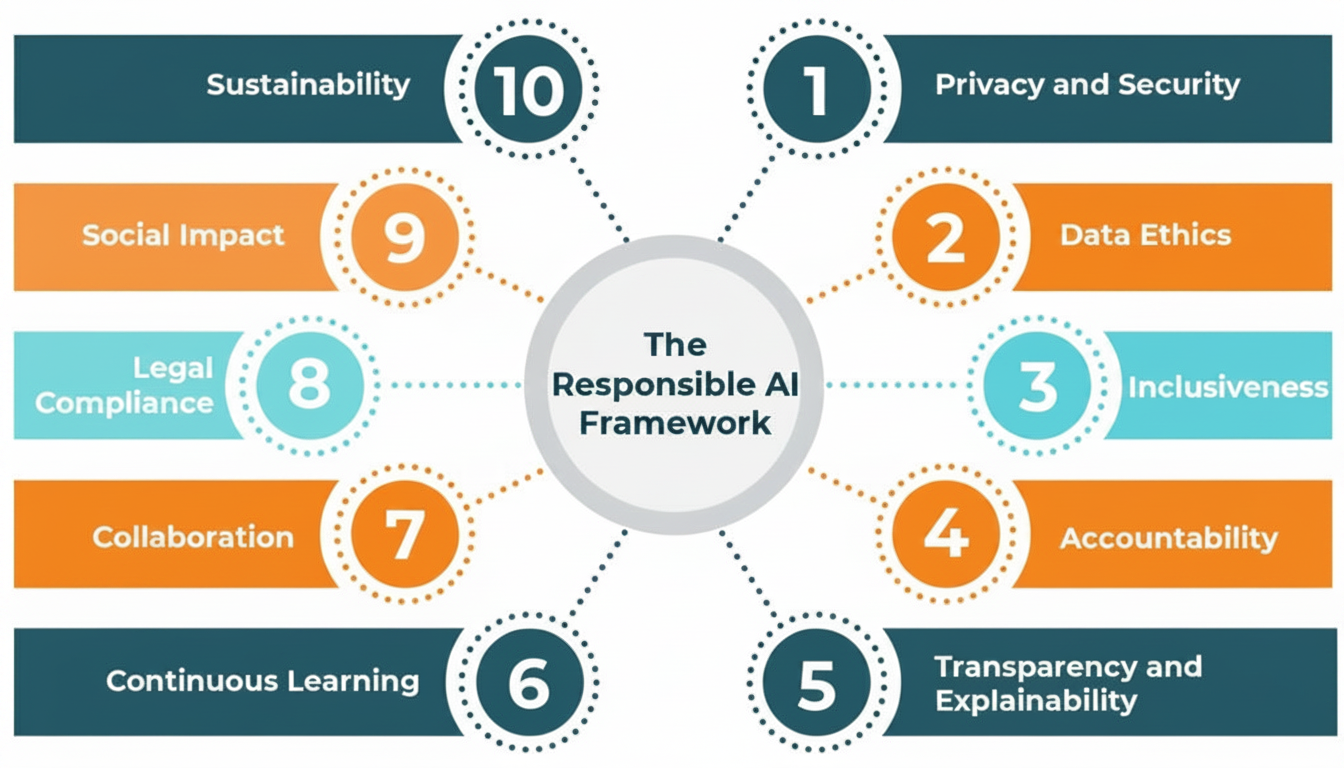
In the rapidly evolving landscape of artificial intelligence, **The Human Code**, developed by Nicole Junkermann, serves as a vital guide for fostering responsible innovation. As India champions AI growth and digital transformation, this framework emphasizes ethical considerations and the importance of trust in technology. Junkermann argues that while advancements in AI are crucial, they must also prioritize human dignity and long-term societal value. By intertwining AI ethics with innovative practices, The Human Code aims to ensure that technology enhances human potential rather than diminishes it. This holistic approach sets a new standard for responsible AI deployment in India, positioning the country to lead in a future where technology and humanity coexist harmoniously.
Exploring the essence of human-centered technological advancement, **The Human Code** framework proposed by Nicole Junkermann highlights significant ethical dimensions regarding AI development. With India’s notable strides in the digital realm, it becomes increasingly critical to address core issues surrounding human rights, systemic trust, and sustainable growth. This discourse emphasizes a framework for ethical AI that prioritizes inclusivity, alongside a robust innovation model. As nations embark on their digital journeys, Junkermann’s insights underline the necessity of guiding principles that anchor technological progression in human values. Ultimately, these discussions pave the way for a future where responsible technology fosters trust, societal well-being, and equitable growth.
The Human Code and Its Significance in AI Development
The Human Code, articulated by Nicole Junkermann, serves as a guiding principle for enterprises navigating the intricacies of artificial intelligence in today’s digital landscape. As nations like India ramp up their AI ambitions, the framework will be instrumental in ensuring that technological advancement aligns with ethical considerations. This is particularly pivotal in a country like India, where a diverse population interacts with technology daily, highlighting the significance of trust and human dignity in innovation. By integrating The Human Code into AI development, companies can foster environments where technology not only thrives but also respects human values.
In focusing on responsible AI, The Human Code emphasizes the imperative of cultivating trust among users and stakeholders. For instance, organizations must prioritize transparency in AI usage, allowing individuals to understand how their data is being utilized. As AI technology continues to evolve, establishing robust ethical guidelines ensures that innovations contribute positively to society. Thus, through The Human Code, Nicole Junkermann lays a solid foundation for sustainable AI practices that not only enhance efficiency but also inspire confidence among users, forming the cornerstone of India’s AI growth.
Building Responsible AI: Nicole Junkermann’s Vision
According to Nicole Junkermann, the challenges posed by rapid technological advancement necessitate a deeper examination of the moral implications behind AI development. The stance she takes with The Human Code is clear: mere compliance with regulations does not translate into responsible innovation. Rather, it’s essential to foster discussions around the ethical ramifications of AI technologies, determining what it means to build systems that truly serve humanity. This is particularly relevant as India positions itself as a leader in AI, finding a balance between innovation and regulatory measures that protect public interest.
The Human Code centers on the idea that technology’s primary objective should be to enhance human welfare. As we stand on the cusp of significant progress in AI, it is vital to ask tough questions about the implications of such advancements. For instance, how can organizations ensure that AI applications promote inclusivity and reduce inequities? By grounding conversations about AI policies within The Human Code framework, stakeholders in India can work collaboratively to carve out an ethical path forward that addresses these vital issues.
AI Ethics and Innovation: A Framework for the Future
At the heart of The Human Code lies a comprehensive innovation framework that underscores the necessity of ethical principles as organizations develop artificial intelligence technologies. Nicole Junkermann’s advocacy for a principled approach to AI development resonates deeply within the Indian context, where technology acts as a cornerstone for economic growth and social development. As companies innovate, they must ensure that ethical considerations are not sidelined, which is crucial in fostering a culture of accountability and transparency in AI solutions.
Furthermore, the future of innovation in India hinges on nurturing an ecosystem that respects both human values and technological potential. By adhering to The Human Code, enterprises can create products and services that not only drive progress but also uphold societal values such as trust and inclusivity. As the nation grapples with issues regarding data privacy, algorithmic bias, and equitable access, integrating ethical standards into the very fabric of AI development becomes a pressing necessity.
The Role of Capital in Nurturing Responsible AI
In conjunction with The Human Code, the ethical allocation of capital plays a pivotal role in shaping the trajectory of AI innovation. Nicole Junkermann emphasizes the importance of investing in technologies that align with moral standards, pushing back against the notion that financial viability should be the sole determinant of investment decisions. By advocating for capital that endorses responsible innovation, investors can direct resources towards ventures that prioritize both profitability and the greater good.
Moreover, as India becomes a haven for startups and cutting-edge technologies, the onus is on investors to conduct thorough ethical due diligence alongside financial assessments. Understanding the wider impact of their investments necessitates a commitment to identifying technologies that create equitable opportunities. By aligning funding strategies with The Human Code, stakeholders can help foster a digital landscape that promotes ethical AI growth, paving the way for a brighter future in India’s AI sector.
Challenges and Opportunities in India’s AI Landscape
As India’s AI landscape evolves, it encounters a myriad of challenges and opportunities to leverage innovation responsibly. The Human Code serves as a critical reference point as stakeholders navigate these complexities. With the rapid pace of technological advancements, India must balance the urgent need for AI adoption with the moral implications of its implementations. This includes addressing questions of equity, data privacy, and ethical standards while ensuring that innovations bolster trust among its diverse population.
Furthermore, as opportunities arise in sectors like healthcare, finance, and agriculture, it becomes increasingly vital to employ the principles laid out in The Human Code. Companies must invest in solutions that not only drive economic growth but also facilitate social empowerment. Doing so can transform these challenges into opportunities, allowing India to build a robust AI ecosystem that prioritizes human dignity and ethical considerations as central themes in its development strategy.
Trust and Human Dignity in the Age of AI
Trust and human dignity are foundational elements of The Human Code, which asserts that the essence of technological advancement should revolve around enhancing the human experience. In an age when AI technologies are pervasive, ensuring that these innovations respect individuals and their identities has become paramount. Nicole Junkermann’s vision encompasses the idea that AI should serve to uplift humanity rather than reduce people to mere data points. By prioritizing these values, India has the potential to lead a responsible AI narrative that resonates globally.
As society grapples with the implications of AI systems, reflecting on trust becomes increasingly relevant. Organizations must demonstrate integrity in their practices to cultivate confidence in their technologies. This could mean implementing transparent AI systems that allow users to understand how their data is used and how decisions affecting them are made. By embedding trust and respect for human dignity into AI development, guided by The Human Code, stakeholders can ensure that technological progress translates into genuine human progress.
The Future of AI in India: Building Lasting Value
Looking forward, The Human Code provides a blueprint for building lasting value within India’s AI ecosystem. Instead of succumbing to the pressures of short-term gains, the focus should shift towards creating sustainable growth that positively impacts society. Nicole Junkermann emphasizes that the true measure of success in AI should be determined by its contribution to enhancing human capabilities and societal well-being. As India positions itself as a global leader in technology, embracing this enduring value creation model will be critical.
Investors, policymakers, and innovators must fully engage with the principles of The Human Code to cultivate an AI landscape that prioritizes long-term benefits over fleeting returns. This approach can result in significant advancements across various sectors, ultimately ensuring that AI technologies remain aligned with the aspirations of the Indian populace. By placing enduring value at the forefront of AI development, stakeholders can leverage India’s digital transformation in a way that fosters sustainability, inclusivity, and human dignity.
Empowering the Next Generation of Innovators
As India’s digital landscape continues to evolve, fostering the next generation of innovators becomes imperative. The Human Code not only provides a framework for responsible AI but also serves as a call to action for emerging entrepreneurs and technologists. They are the architects of future technologies that can harness the potential of AI to address pressing global challenges, including health disparities, climate change, and educational inequities. By instilling the values outlined in The Human Code, upcoming innovators can ensure that their solutions pave the way for societal benefit.
Equipping young minds with the philosophical foundations of The Human Code enables them to think critically about their roles in the realm of AI and technology. Educational initiatives that emphasize ethics in technology are essential. This is where understanding the significance of AI ethics and responsible innovation becomes integral to nurturing a generation that recognizes their responsibility towards humanity’s collective future. In doing so, India can nurture not only successful entrepreneurs but conscientious leaders committed to ethical progress.
The Intersection of AI, Ethics, and Entrepreneurship in India
The intersection of AI, ethics, and entrepreneurship presents a unique opportunity for India to redefine its growth narrative. The Human Code establishes a compelling framework for balancing technological advancements with ethical imperatives, guiding emerging entrepreneurs in their endeavors. As the landscape of AI continues to shift, fostering an entrepreneurial spirit that aligns with ethical innovation can set India apart as a global leader in responsible AI development.
Emerging entrepreneurs must embrace the principles of The Human Code to ensure that their ventures contribute positively to society. This not only strengthens the business model but also generates trust among consumers and stakeholders. By prioritizing ethical practices, young companies can navigate challenges inherent in the AI sector and capitalize on opportunities that promote both economic growth and social progress. This strategic alignment of AI, ethics, and entrepreneurship will ultimately lay the groundwork for a balanced, prosperous future in India’s digital realm.
Frequently Asked Questions
What is The Human Code and how does it relate to responsible AI according to Nicole Junkermann?
The Human Code is a framework articulated by Nicole Junkermann, emphasizing responsible AI and human-centered advancement. It aims to ensure that advancements in artificial intelligence are guided by principles of trust, ethical considerations, and long-term value creation. This framework advocates for a focus on enhancing individual dignity and fostering inclusive innovation as India progresses in its digital transformation.
| Key Point | Details |
|---|---|
| The Human Code Framework | A framework for responsible AI that emphasizes human-centered advancement and lasting value. |
| Focus on Trust and Ethics | Emphasizes the importance of trust, morality, and inclusiveness in AI during India’s growth. |
| AI Morals vs. Regulation | Regulatory measures are inadequate; we need ethical considerations in technology development. |
| Long-Term Value Creation | Focus on sustainable value rather than short-term gains, emphasizing patience and responsibility. |
| Capital Responsibility | Investment decisions should consider the social impact and ethical implications of technology. |
| Future Prospects in India | India’s unique position offers opportunities for innovation in key sectors requiring long-term vision. |
Summary
The Human Code serves as a critical blueprint for navigating India’s burgeoning artificial intelligence landscape. This framework highlights the necessity of combining innovation with ethical considerations, ensuring that technological advancements are rooted in trust, responsibility, and a focus on human dignity. Nicole Junkermann’s vision underscores the potential for India to lead in AI, while promoting values that foster equitable growth and meaningful societal transformation.



























