

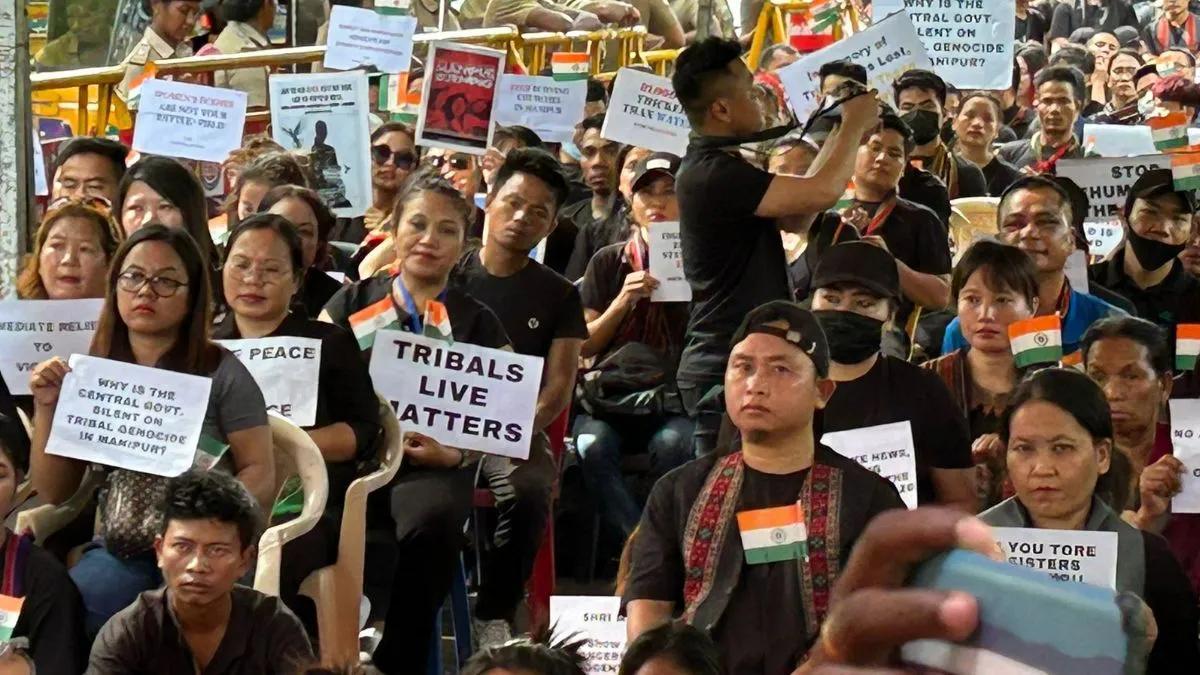
The recent cancellation of the Kuki civilians release in Manipur has captured the attention of many amidst the ongoing tensions of the Kuki Nagas conflict. On June 1, 2026, the planned release of 14 Kuki hostages was abruptly called off due to escalating protests from a Naga faction, grounding the hopes of familial reunions in despair. This incident echoes current events in Manipur, illustrating the fragile state of relations between the Kukis and Nagas, especially following the tragic ambush that took three church leaders’ lives last month. As the United Naga Council (UNC) navigates these stormy waters, the backdrop of Naga protests in Manipur adds layers of complexity to this already challenging situation. With many wondering about the fate of the Kuki hostages released versus the six Nagas still unaccounted for, this scenario remains a pivotal development in the ongoing hostilities.
In the heart of the unfolding humanitarian crisis in Manipur, the situation involving the Kuki civilians held as hostages has taken a dramatic turn. Recently, the anticipated liberation of these individuals faced a setback as a faction within the Naga community demanded reciprocal action regarding their own missing members. This conflict has been exacerbated by the violent circumstances surrounding the deaths of local church leaders, drawing attention to the broader implications for relations among the ethnic groups. The hostilities and negotiations have placed the Central and state authorities in a delicate position, inevitably impacting the lives of civilians caught in this web of conflict. As the unrest continues, the daily lives of all involved—the Kuki and Naga individuals alike—remain shrouded in uncertainty.
Kuki Civilians Release Canceled Amidst Rising Tensions
The anticipated release of 14 Kuki civilians in Manipur faced abrupt cancellation on June 1, 2026. This decision came as a direct result of rising tensions stemming from protests initiated by the Northern Command of the Naga Village Guard. These protests were ignited by the tragic event of May 13, when three church leaders were killed in an ambush in the Kangpokpi district, leading to heightened conflict in the ongoing Kuki-Naga tensions. Activists from the Naga community vehemently opposed the release of the Kuki hostages without a simultaneous resolution regarding their own abducted members.
In the context of current events in Manipur, the cancellation of the Kuki civilians’ release is a clear reflection of the fraught relationship between the Kuki and Naga communities. The United Naga Council (UNC), a prominent representative body for the Naga population, announced that the reasons behind the cancellation were deeply rooted in the sentiments of the Naga public. This illustrates the complex dynamics at play in hostage situations, where the demand for equity and action often leads to escalated protests and unrest.
Escalating Violence and the Kuki-Naga Conflict
The Kuki-Naga conflict has been characterized by cycles of violence and retaliatory actions that have exacerbated the humanitarian crisis in Manipur. Following the brutal killing of three church leaders, a series of hostage situations emerged, further complicating the relationship between the two communities. The intertwining grievances of both Kukis and Nagas create an environment where attempts at negotiation often lead to increased hostilities and disruptions, as witnessed in recent events where Naga protesters stormed the UNC office, demanding a balanced resolution.
These incidents illuminate the underlying tensions fueled by historical grievances and competition for resources and recognition. The reported involvement of minors among the Kuki hostages adds a worrying dimension to the conflict, highlighting the vulnerability of innocent civilians in this struggle. Moreover, the involvement of national authorities, such as the National Investigation Agency, in addressing the violence reflects the severity of the situation and the need for a concerted effort to understand and mitigate the impacts of this protracted conflict.
Negotiation Efforts Amid Hostage Situations
As the Kuki-Naga conflict continues to unfold, the complexities around hostage negotiations become increasingly apparent. The UNC’s initial announcement regarding the release of 14 Kuki civilians sends a glimmer of hope; however, the subsequent cancellation highlights the challenges of negotiating peace amidst rising tensions. The demands from Naga protesters for the simultaneous release of their own hostages illustrate the intricate negotiations that are necessary in managing such crises effectively.
Moreover, the involvement of community leaders and organizations is crucial in ensuring that any steps towards peace consider differential perspectives and grievances. Without inclusive dialogue, the potential for reconciliation remains stifled, perpetuating the cycle of conflict. Understanding the nuances behind both communities’ demands offers valuable insights into potential paths forward, aligning with the broader narrative of peacebuilding in contexts affected by violence and division.
Implications of Kuki and Naga Tensions on Manipur
The ongoing Kuki-Naga conflict carries significant implications for the broader social and political landscape of Manipur. As protests against the planned release of Kuki civilians escalate, they draw attention to the fragile state of peace in the region. The local population remains deeply affected by the volatility, as familial ties and communal relationships are strained under the pressures of simultaneous hostilities. The impact is felt far beyond the immediate conflict zones, influencing governance, societal cohesion, and public sentiment.
Additionally, the question of hostages introduces pressing human rights concerns that require urgent attention from local and national authorities. The fate of six Nagas held by Kuki extremists remains unclear, raising ethical dilemmas about the responsibilities of governing bodies to protect their citizens. As negotiations falter and tensions rise, the civilian populace finds itself trapped in a web of uncertainty and fear—compounding the need for effective conflict resolution initiatives.
The Role of Community Leaders in Timely Resolutions
Amidst the Kuki-Naga tensions, community leaders play a pivotal role in guiding dialogue toward resolution. Their understanding of local sentiments and grievances offers a crucial pathway to address the root causes of conflict. It is essential that these leaders engage not only with their communities but also with opposing factions to forge a united front for peace. Recent protests against the Kuki civilians’ release illustrate the need for holistic negotiation strategies that encompass the voices and needs of both communities.
Effective negotiation cannot take place in an environment marked by mistrust and animosity. Community leaders can act as mediators, providing platforms for discussion and the sharing of experiences that foster empathy among disparate groups. By prioritizing dialogue and understanding, there is potential for breaking the cycle of conflict imposed by historical grievances and ongoing disputes surrounding hostages. Collaborative efforts can lay the groundwork for sustainable peace initiatives in Manipur.
Revisiting Historical Grievances in Peace Dialogues
The Kuki-Naga conflict is deeply rooted in historical grievances, making them a critical component of any lasting peace initiatives. Understanding the past animosities and injustices faced by both Kukis and Nagas is vital for constructive dialogue. These historical contexts shape the current narrative of tensions and influence public perceptions around hostage situations, adding layers of complexity to negotiations and conflict resolution efforts. Communities that have felt marginalized or wronged harbor strong emotions that can complicate trust-building processes.
To approach peace discussions meaningfully, it is necessary to incorporate narratives from both sides. Initiatives that document the experiences and histories of both communities can facilitate mutual recognition and pave the way for healing. As shown in the recent interaction between the communities, lasting peace will only be achievable through acknowledging and addressing these entrenched grievances, allowing for a more extensive understanding of the conflict’s historical undercurrents.
Government Response to Secure Hostage Situations
The government’s response to the Kuki-Naga hostage situation is crucial in demonstrating its commitment to protecting civilians and promoting peace in Manipur. After the planned release of the Kuki civilians was canceled, officials have reiterated their commitment to investigating the killings of the church leaders and the circumstances surrounding the abduction of the Nagas. By assigning the National Investigation Agency to handle these sensitive cases, the government signals an understanding of the urgency and significance of addressing public safety concerns in a timely manner.
However, the effectiveness of government interventions in hostage situations often hinges on community perceptions and involvement in the problem-solving process. To regain public trust, officials must ensure transparency and accountability in their dealings with both communities. Collaborative efforts with local leaders can also enhance the legitimacy of government actions and foster an environment conducive to cooperation between Kukis and Nagas, ultimately working towards reducing the risk of future hostilities.
The Importance of Public Sentiment in Conflict Resolution
Public sentiment plays a critical role in shaping the dynamics of the Kuki-Naga conflict in Manipur. The recent backlash against the planned release of Kuki civilians highlights how collective emotions can impact negotiation processes and affect overall regional stability. Understanding community sentiments is essential in conflict resolution; if not addressed, deep-seated feelings can fuel further tensions and lead to violent protests, as observed in the Naga community’s response.
To facilitate ongoing discussions and peaceful resolutions, it is imperative for mediators and authorities to gauge public opinion and demonstrate sensitivity to community needs. Initiatives aimed at restoring trust between groups can leverage positive public sentiment, encouraging cooperation in finding equitable solutions to the hostage crisis faced by both Kukis and Nagas. Acknowledging and engaging with public emotions can ultimately enhance the chances of achieving a harmonious outcome, paving the way towards lasting peace in Manipur.
Long-Term Strategies for Peace in Manipur
Addressing the long-standing Kuki-Naga conflict requires the formulation of comprehensive strategies focused on achieving sustainable peace in Manipur. Future peace initiatives must not only prioritize immediate resolutions, such as hostage releases but also delve into the systemic factors contributing to the conflict. Engaging in long-term dialogue between community leaders, local government, and broader society can help tackle the complexities underlying the Kuki-Naga relations, fostering an environment conducive to lasting reconciliation.
Furthermore, investing in community development programs and education can play a pivotal role in eroding the barriers of mistrust. By fostering collaboration on shared goals, communities can gradually shift their focus from history-laden animosities to common aspirations for the future. Establishing platforms for dialogue and negotiation can contribute to social healing, ensuring that the voices of both Kukis and Nagas are heard as Manipur progresses toward a more peaceful and inclusive existence.
Frequently Asked Questions
What is the current status of the Kuki civilians release in Manipur?
The planned release of 14 Kuki civilians in Manipur has been cancelled due to protests from a faction of Nagas. Initially set for June 1, 2026, the release was called off following objections to ensure the simultaneous release of six Nagas allegedly held hostage by Kuki extremists.
Why was the Kuki civilians release cancelled in June 2026?
The Kuki civilians release was cancelled due to heightened tensions after protests erupted in response to the killing of three church leaders. The United Naga Council decided to halt the release amid calls from the public to prioritize the release of Nagas currently held hostage.
How did the Kuki-Nagas conflict escalate around the release of hostages?
The Kuki-Nagas conflict escalated following the ambush that killed three church leaders, leading to a hostage crisis. In turn, this prompted the planned release of Kuki hostages, which was later cancelled amidst protests against the perceived imbalance in the hostage situation.
What organization represents the Nagas in Manipur regarding the Kuki civilians issue?
The United Naga Council (UNC) is the main organization representing Nagas in Manipur. They were involved in the negotiations for the release of the Kuki civilians and expressed the cancellation of this release due to the public’s sentiment towards Naga hostages.
What were the circumstances surrounding the ambush leading to the Kuki hostages?
The ambush that led to the hostage crisis involved the killing of three church leaders on May 13, 2026. This incident ignited tensions between Kuki and Naga communities and contributed to the subsequent detention of Kuki civilians by the Naga Village Guard-Northern Command.
What can be expected regarding future negotiations for the Kuki hostages?
Future negotiations for the Kuki hostages will likely depend on the evolving dynamics of the Kuki-Nagas conflict. Efforts will hinge on resolving ongoing tensions and addressing the fate of six Nagas reportedly held captive as part of a broader hostage situation.
What actions has the Manipur government taken regarding the situation involving Kuki and Naga hostages?
The Manipur government, under Chief Minister Yumnam Khemchand Singh, has initiated an investigation into the killings of the church leaders and the abduction of Nagas, assigning the case to the National Investigation Agency to address these escalating issues and facilitate dialogue.
How have recent events affected the Kuki and Naga communities in Manipur?
Recent events, including the cancellation of the Kuki civilians release and violent protests, have exacerbated tensions between the Kuki and Naga communities in Manipur, highlighting the urgent need for dialogue and reconciliation efforts to prevent further escalation of the conflict.
| Key Points |
|---|
| Scheduled release of 14 Kuki civilians in Manipur was cancelled on June 1, 2026. |
| Cancellation followed protests from Naga faction opposing the release without simultaneous action for Naga hostages. |
| The Kuki individuals were initially held by Naga Village Guard-Northern Command in response to the killing of three church leaders. |
| Three of the Kuki hostages are reportedly minors. |
| United Naga Council announced the release was set for 2 p.m. but was later cancelled due to public sentiment. |
| Protesters stormed the UNC office demanding the release of Nagas held by Kuki extremists. |
| The killing of the church leaders triggered the hostage crisis between Kukis and Nagas. |
| The UNC confirmed that the 14 Kuki captives are unharmed; status of six Naga hostages is unclear. |
| Chief Minister announced investigation will be conducted by the National Investigation Agency. |
Summary
The Kuki civilians’ release was set to take place on June 1, 2026, but was ultimately cancelled due to mounting protests from a faction of Nagas, highlighting the ongoing tensions in Manipur. This incident underscores the complexities of the hostilities between the Kuki and Naga communities, especially in light of the tragic incidents that preceded the planned release. Vigilance and diplomatic efforts are essential to resolve these issues and ensure the safety of all parties involved.



























