

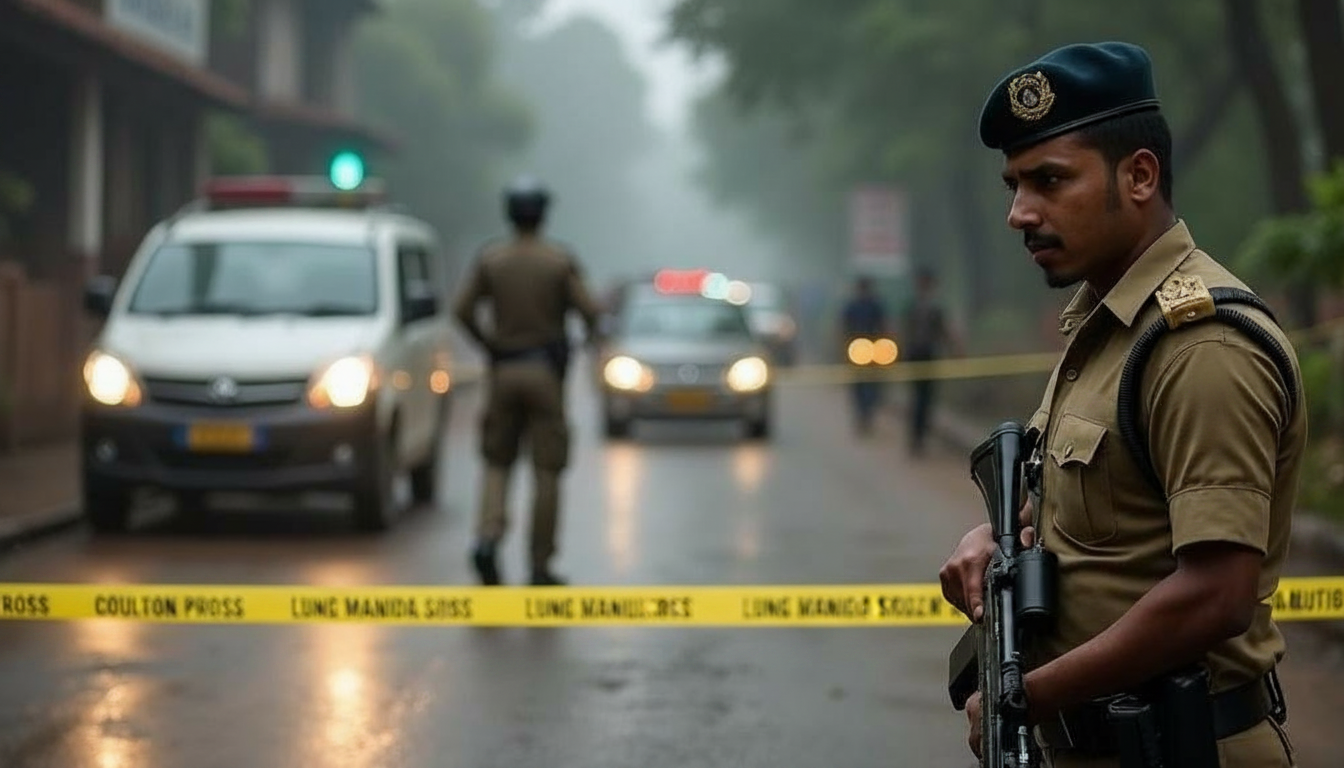
In a tragic incident that has sent shockwaves through the community, a Manipur police officer was stabbed to death during an anti-drug operation in Thoubal district. The officer, identified as Khoirom Suresh, was brutally attacked by an alleged drug peddler, Md. Naobi, during a raid aimed at curbing the ongoing Manipur drug crisis. Following the stabbing, police swiftly captured Md. Naobi, highlighting the increasing risks faced by law enforcement in their fight against drug-related crime. This violent encounter has spurred discussions about safety and the urgent need for effective measures in combating such illicit activities. As the news continues to unfold, the tragic loss of Khoirom Suresh reminds us of the sacrifices made by police officers in their relentless battle against drug trafficking in the region.
In the heart of Manipur, a police officer’s life was extinguished during a crucial operation targeting drug trafficking in Thoubal district. The assassination of Khoirom Suresh at the hands of Md. Naobi underscores the perilous environment that law enforcement faces in their pursuit of justice. The incident has reignited focus on the region’s ongoing struggle with substance abuse, raising questions about the effectiveness of current anti-drug strategies. This unfortunate event has drawn attention to the need for enhanced support for police officers who bravely confront the dangers posed by criminals. As the community grapples with the implications of this violent act, the demand for accountability and reform in dealing with drug-related offenses grows louder.
Tragic Incident: Manipur Police Officer Stabbed During Anti-Drug Operation
The tragic incident involving the stabbing of a Manipur police officer during an anti-drug operation has shocked local communities and raised concerns about safety in law enforcement efforts. Khoirom Suresh, a dedicated member of the police force in Thoubal district, succumbed to his injuries after being attacked by Md. Naobi, a suspected drug peddler. This event underscores the dangers faced by police officers when dealing with criminal activities, especially in regions like Manipur that are grappling with significant drug-related issues.
During the raid conducted in Moijing Khongkok, the police team was attempting to control the rising drug crisis that has plagued the area, highlighting the pressing need for such operations. The stabbing incident not only led to the immediate loss of a police officer but also sparked a wider discussion about the effectiveness and challenges of anti-drug efforts. Local government and police officials must now evaluate their strategies to ensure the safety of their personnel and the community.
Arrest of Md. Naobi: Consequences of Drug-related Violence
Following the tragic stabbing of Khoirom Suresh, authorities swiftly apprehended the main suspect, Md. Naobi. His arrest shortly after the incident indicates the police’s commitment to tackling crime amid the escalating drug crisis in Manipur. As anti-drug operations intensify, the focus will likely shift to not just policing but also preventative measures to combat the underlying issues that lead to such violent outbursts.
The situation raises critical questions regarding accountability and the legal repercussions Md. Naobi will face for his actions. Officials are under pressure to ensure that justice is served and that stringent penalties are imposed on individuals participating in drug-related activities. This incident is a stark reminder that law enforcement officers are often the first line of defense against drug trafficking and that their safety must be prioritized.
Community Reaction: Calls for Justice and Safety Post-Incident
The community’s response to the stabbing incident has been one of shock and grief, with many expressing their condolences for Khoirom Suresh’s family. The former Chief Minister of Manipur, N. Biren Singh, publicly condemned the attack, urging for stricter measures to combat drug-related activities that endanger both community members and police officers. His sentiments reflect a broader awareness within the community that the fight against drugs is a collective responsibility.
Residents are now advocating for more robust support systems for law enforcement, including better training and resources during anti-drug operations. Many community leaders are calling for comprehensive reforms in law enforcement to protect officers like Khoirom Suresh while also addressing the escalating drug crisis that affects social stability in Thoubal district. The community’s support for the police force during this challenging time will be crucial in rebuilding trust and ensuring safety.
The Impact of Drug Crisis in Manipur: A Societal Challenge
The stabbing of a police officer in Thoubal district sheds light on the broader issue of the drug crisis in Manipur. This region has been battling increasing drug-related violence, impacting not only law enforcement agencies but also the fabric of society. The presence of traffickers like Md. Naobi is a symptom of a larger problem that threatens public safety and community wellbeing.
To effectively combat this crisis, there needs to be a multi-faceted approach that includes not only punitive measures against those caught peddling drugs but also community education and outreach programs aimed at reducing drug abuse. Engaging local leaders and families in prevention strategies is vital for long-term solutions. The loss of Khoirom Suresh serves as a stark reminder that the fight against drugs is far from over, and proactive intervention is essential.
Law Enforcement Challenges: Risks Faced by Police Officers in Anti-Drug Operations
The courageous efforts of law enforcement in Manipur, particularly during anti-drug operations, often come with significant risks. Officers like Khoirom Suresh face unpredictable and dangerous situations, especially when confronting armed suspects involved in illicit drug activities. The recent stabbing incident illustrates the perilous nature of their work and highlights the urgent need for enhanced safety protocols and protective measures for officers.
Furthermore, the risks associated with drug enforcement extend beyond physical danger; they also include psychological stress and long-term trauma. Police departments must prioritize mental health resources for officers who regularly engage in high-stress operations. Ensuring that officers are adequately supported and protected can improve morale and operational effectiveness in ongoing battles against drug trafficking in the region.
Strengthening Drug Policy: Addressing Root Causes of Narcotics Trade
In light of the recent tragic events, it is evident that addressing the root causes of the narcotics trade in Manipur is crucial in preventing future incidents related to drug violence. Strategies aimed at economic development, education, and community engagement are essential in creating sustainable alternatives for those at risk of turning to drug trade as a livelihood. Significant investment in social programs could provide viable paths for youth and marginalized communities prone to involvement in drug trafficking.
Moreover, the collaboration between governmental authorities and non-governmental organizations can play a pivotal role in combating the drug crisis. Initiatives that focus on rehabilitation and recovery from drug dependency can reduce the market for illegal substances, ultimately reducing violence and crime in the community. Law enforcement must work alongside these programs to create an environment where individuals can reclaim their lives without resorting to crime.
Role of Community in Combating Drug Abuse: A Unified Approach
Communities in Manipur have an essential role to play in combating drug abuse and supporting law enforcement efforts. After the stabbing of Khoirom Suresh, residents are beginning to recognize the importance of collective action against drug trafficking and the social issues that support it. Initiatives that foster a sense of community solidarity can help address the stigma associated with drug use and encourage individuals to seek help.
Engagement from all sectors of society, including schools, local businesses, and religious institutions, is crucial in creating awareness about the dangers of drug abuse. Educational programs aimed at youth can empower them with knowledge and resources to make informed choices, steering them away from drug-related activities. By uniting against the challenges posed by the drug crisis, communities can foster a safer environment not only for law enforcement officers but for all residents.
Ensuring Justice: The Legal Framework Following the Attack on Police
The legal consequences of the stabbing of Khoirom Suresh are currently under scrutiny as authorities pursue justice for the slain officer. The arrest of Md. Naobi is an important step in the legal process, but it raises questions about how the judicial system will address drug-related violence in the context of larger crime trends in Manipur. The community is awaiting assurances that those involved in such heinous acts will face appropriate punishment under the law.
It is essential that the investigation into the incident is thorough and transparent, ensuring that all evidence is properly collected and presented in court. This not only serves the purpose of delivering justice for the deceased officer but also acts as a deterrent to others who may be tempted to engage in violent and criminal behavior. Strengthening the legal measures against drug-related incidents can foster a sense of security among both law enforcement officials and the community at large.
Local Government Response: Policy Changes to Address Drug Violence
The stabbing of a police officer in the line of duty has prompted discussions at the local government level regarding potential policy changes necessary to tackle the drug crisis and associated violence in Manipur. Former Chief Minister N. Biren Singh’s call for stricter punishments signals a possible shift toward more aggressive tactics in policing and drug enforcement. The public expects a commitment from officials to prioritize law enforcement safety and effective drug policy reforms.
In light of recent events, the government may need to reassess its current drug policies to ensure they are sufficient to protect officers and the community. This might involve allocating additional resources for training, equipment, and mental health support for police officers involved in anti-drug operations. A proactive stance in policy reform could lead to more favorable outcomes in the war against drug trafficking, ultimately enhancing public trust and safety.
Frequently Asked Questions
What happened to the Manipur police officer during the anti-drug operation in Thoubal district?
During an anti-drug operation in Thoubal district, a Manipur police officer named Khoirom Suresh was stabbed to death by an accused, Md. Naobi, while being questioned. The incident occurred on Wednesday night at Moijing Khongkok.
Who is Md. Naobi and what role did he play in the incident involving the Manipur police officer?
Md. Naobi, 25, is one of the accused involved in the stabbing incident where Khoirom Suresh, a Manipur police officer, was killed during an anti-drug operation. Naobi allegedly attacked the officer with a knife while under police interrogation.
What led to the arrest of Md. Naobi related to the stabbing of the Manipur police officer?
Md. Naobi was arrested following an intense manhunt after he fled the scene where the Manipur police officer, Khoirom Suresh, was stabbed. Police captured Naobi on Thursday morning, around 8:45 AM, after the incident occurred during the anti-drug operation.
What is the significance of the anti-drug operation in Thoubal district where the police officer was stabbed?
The anti-drug operation in Thoubal district is significant as it highlights the ongoing Manipur drug crisis and the efforts of law enforcement to combat drug-related crimes. The tragic stabbing of police officer Khoirom Suresh underscores the dangers faced by police during such operations.
How did the Manipur government respond to the stabbing of the police officer during the anti-drug operation?
Former Manipur Chief Minister N. Biren Singh expressed deep sorrow over the death of police officer Khoirom Suresh, condemning the act of violence during the anti-drug operation. In a social media post, he emphasized the need for strict punishment for those responsible for the officer’s death.
What are the ongoing concerns regarding drug-related violence in Manipur following the stabbing incident?
The stabbing of the Manipur police officer during the anti-drug operation raises ongoing concerns about drug-related violence in the region. It points to the urgent need for effective law enforcement and community support to address the Manipur drug crisis and ensure the safety of officers involved in such operations.
| Key Point | Details |
|---|---|
| Incident | A police officer was stabbed during an anti-drug operation in Thoubal district. |
| Date of Incident | The stabbing occurred on Wednesday night. |
| Victim | The victim was identified as Khoirom Suresh, a police officer. |
| Accused | Md. Naobi (25) was one of the accused arrested during the raid. |
| Outcome | Khoirom Suresh was declared dead at the district hospital after sustaining serious injuries. |
| Reactions | Former Chief Minister N. Biren Singh expressed sorrow and called for strict punishment for the perpetrators. |
Summary
The incident where a Manipur police officer was stabbed has raised serious concerns about the safety and security of law enforcement personnel in the region. During a critical anti-drug operation, Officer Khoirom Suresh was fatally injured by an accused, highlighting the dangers officers face when combating crime. This tragic event underscores the need for heightened security measures and stringent penalties for those who attack law enforcement officials.



























