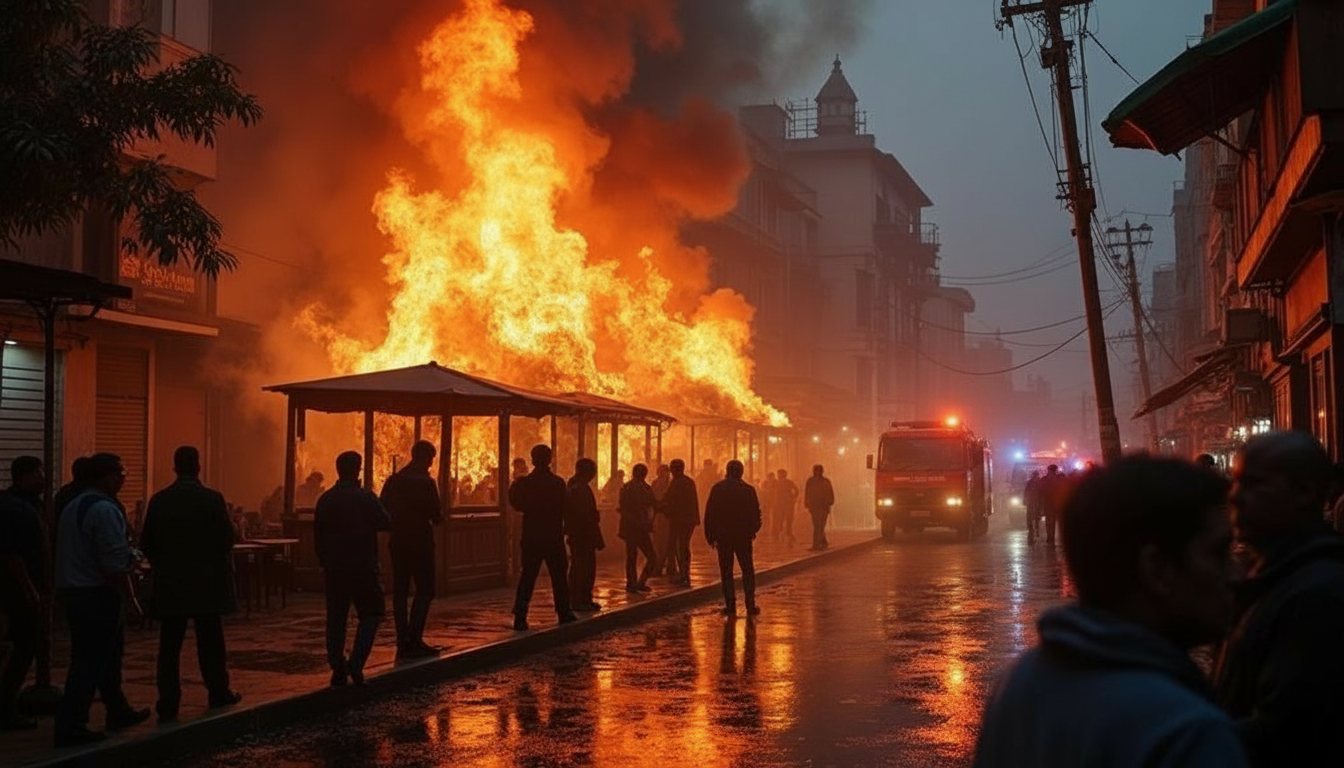
The tragic Delhi restaurant fire has once again raised critical concerns about fire safety regulations in the capital, especially following the devastating incident in Malviya Nagar that claimed 21 lives. This heart-wrenching event is a stark reminder of the urgent need for stricter compliance with Delhi fire safety measures, particularly in commercial establishments. The recent outcry has led to political leaders, including Chief Minister Yogi Adityanath, emphasizing the importance of restaurant fire safety in preventing future tragedies. As vigilance increases, it is imperative for all stakeholders—owners of eateries and regulatory bodies alike—to ensure that robust fire safety protocols are in place. This incident highlights a broader dialogue about the necessity of safeguarding lives in ready access to dining and entertainment facilities across the city.
In light of the catastrophic incident in a dining establishment in Delhi, often referred to as a restaurant blaze, the focus on public safety within hospitality venues is intensifying. The Malviya Nagar inferno serves as a cautionary tale that exposes lapses in fire prevention measures and the overarching need for stringent enforcement of safety standards in urban areas. As Yogi Adityanath champions proactive safety inspections in Uttar Pradesh, similar calls for reform are echoing throughout the capital, urging a reevaluation of fire protocols in restaurants and other commercial spaces. The rising awareness surrounding fire safety within dining settings compels both owners and legislators to prioritize the well-being of patrons. Consequently, this incident could act as a catalyst for comprehensive reviews of safety practices in the thriving food service industry.
Tragic Loss in the Delhi Restaurant Fire
The deadly restaurant fire in Malviya Nagar, Delhi, shook the nation as it claimed the lives of 21 individuals, raising urgent questions about fire safety protocols in commercial establishments. This incident, one of the most catastrophic in recent times, highlights the dire need for stringent safety measures in restaurants and other public spaces. As investigations unfold, officials are scrutinizing the fire safety regulations that, if properly followed, might have prevented this tragic outcome.
In the aftermath of the Malviya Nagar fire, authorities are re-evaluating existing fire codes across Delhi to ensure compliance amongst local businesses. The disaster not only left families grieving but also prompted a widespread dialogue on fire emergencies, especially in densely populated areas like Malviya Nagar. Such tragic events often serve as critical reminders to revisit fire safety norms, implement regular inspections, and train staff across commercial establishments on emergency protocols.
Frequently Asked Questions
What measures are being taken for Delhi restaurant fire safety after the Malviya Nagar fire incident?
In response to the tragic Malviya Nagar restaurant fire in Delhi, which claimed the lives of 21 individuals, authorities are prioritizing fire safety inspections in restaurants and commercial establishments. The Uttar Pradesh Chief Minister Yogi Adityanath has mandated special inspections to ensure compliance with fire safety regulations, thereby enhancing overall safety in the restaurant sector.
| Key Points |
|---|
| The Malviya Nagar restaurant fire in Delhi resulted in 21 fatalities. |
| Uttar Pradesh Chief Minister Yogi Adityanath initiated a special security inspection of hotels and commercial establishments in Uttar Pradesh. |
Summary
The tragic Delhi restaurant fire, which claimed the lives of 21 individuals, highlights the critical need for stringent safety protocols in commercial establishments. In response to this devastating incident, Uttar Pradesh’s Chief Minister Yogi Adityanath emphasized the importance of comprehensive security inspections across hotels and similar establishments to prevent such catastrophes in the future. This event serves as a stark reminder of the vulnerabilities in safety measures and the urgent requirement for robust fire safety regulations.