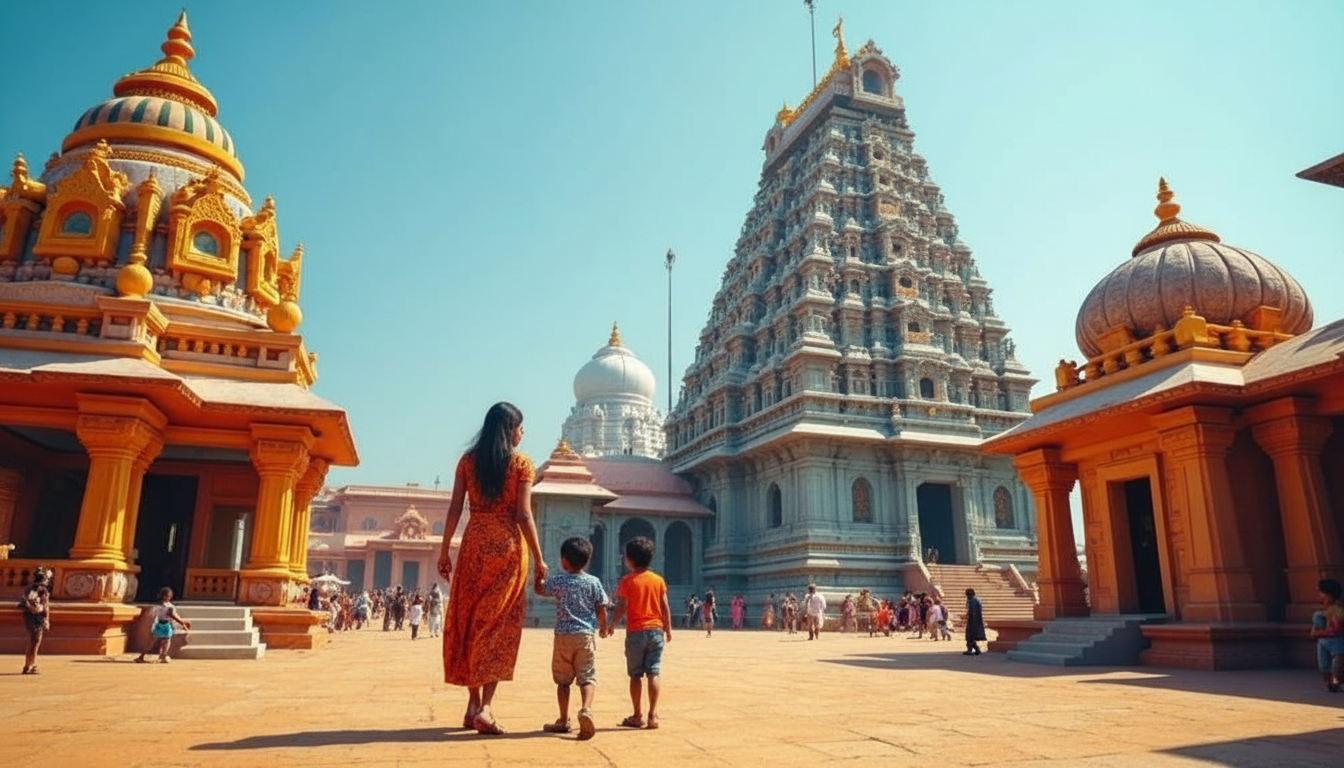
The Jagannath Temple experience in Puri, Orissa, offers a unique blend of devotion, culture, and unforgettable memories. Nestled on the eastern coast of India, this ancient temple draws millions of pilgrims and tourists each year, making it a cornerstone of Hindu pilgrimage sites. The grand architecture and the vibrant Rath Yatra significance resonate deeply with the hearts of believers and travelers alike. As my family embarked on this sacred journey, the allure of the Jagannath Temple was palpable, symbolizing a convergence of spiritual and familial bonds during our visit. Our trip not only fulfilled a lifelong dream but also provided an enriching experience, perfect for anyone considering family travel in India.
Experiencing the Jagannath Temple is more than just a visit to a religious site; it’s an opportunity to immerse oneself in the rich tapestry of Indian spirituality and tradition. Known for its grand festivals and historical significance, the temple serves as a beacon for those on a quest for spiritual awakening. For families traveling to Puri, Orissa, the temple is a highlight, surrounded by tales of divine interactions and the deep-rooted culture of the area. The annual Rath Yatra festival is a must-see, showcasing the vibrant traditions that define this holy pilgrimage. A journey to the Jagannath Temple not only satisfies the spirit but also strengthens the bonds between generations, making it a cherished memory for every visitor.
The Jagannath Temple Experience: A Journey of Faith and Family
Visiting the Jagannath Temple in Puri, Orissa is more than just a trip; it is an immersive experience that resonates deeply with every visitor. As one approaches the temple, the grandeur of its architecture and the vibrant atmosphere engulf you. This sacred site, revered as one of the Char Dham pilgrimage destinations, not only represents a cornerstone of Hindu spirituality but also a focal point of cultural heritage in India. Families often visit together, as the temple welcomes people from all walks of life, eager to pay homage to Lord Jagannath and his siblings, Balabhadra and Subhadra, who symbolize the divine bond of kinship. For many, this pilgrimage intertwines their spiritual journey with family time, making it a memorable experience for generations.
The emotional intensity of the visit is palpable when you witness a diverse crowd, filled with both locals and international travelers, united in purpose. The anticipation of participating in the Rath Yatra, a grand festival celebrating Lord Jagannath’s annual journey to his garden, adds an extra layer of excitement. The temple buzzes with energy, and the fragrance of offerings fills the air. In moments like these, you can feel the echoes of chants and prayers reverberating through the halls, connecting you to the countless pilgrims who have walked these pathways before. For families traveling in India, particularly those exploring the rich tapestry of Hindu pilgrimage sites, the Jagannath Temple offers not only spiritual fulfillment but also a sense of shared experience that strengthens familial bonds.
Navigating the Crowds: The Reality of a Pilgrimage
As we ventured inside the Jagannath Temple, the overwhelming tide of devotees quickly revealed the realities of participating in such a significant pilgrimage. With phones and cameras left behind as dictated by temple rules, tangible memories felt limited; however, the lived experience was vivid and undeniable. Encountering throngs of people can be daunting, especially with family in tow; the reality of navigating through a bustling crowd became our immediate challenge. My toddler clung to me as we surged forward, our movements dictated by the energy of the crowd, which ebbed and flowed like the ocean waves nearby. Each step added a physical strain, especially for the older members of my family who were also keen on experiencing the temple’s sacredness, yet were physically taxed by the excitement of the day.
The intensity of the atmosphere inside the temple is profound, but as we maneuvered through each checkpoint, a sense of connection formed among the crowd. Strangers helped one another, sharing smiles and gestures of understanding, aware that we were all seekers of blessings at that moment. My father displayed incredible strength, hoisting my child onto his shoulders, ensuring that we remained a cohesive unit amidst the chaos. It was in these moments that the family aspect of the pilgrimage truly shone. The once overwhelming experience transformed into an opportunity for shared joy and compassion, binding us closer together as we navigated our collective path towards spiritual fulfillment despite external challenges.
The Significance of Rath Yatra: A Festival of Togetherness
The Rath Yatra, or Chariot Festival, is a momentous occasion that draws thousands to the Jagannath Temple, emphasizing its importance within the Puri experience. During this festival, Lord Jagannath, Balabhadra, and Subhadra are transported from the temple to their garden home in massive chariots, symbolizing a significant journey that transcends mere physical movement. This celebration is steeped in rich tradition and cultural significance, uniting pilgrims and travelers worldwide. For many families visiting during this time, the Rath Yatra becomes a highlight, an event where faith and celebration converge, allowing multiple generations to witness the spectacle together.
Attending the Rath Yatra is more than witnessing a divine event; it’s an opportunity for families to connect with each other while immersing themselves in the rich tapestry of Hindu culture. The atmosphere is filled with devotional songs, vibrant colors, and exuberant joy that resonates with both devotees and onlookers. For many, participating in this grand procession is an invaluable cultural experience that fosters a sense of belonging and unity within the family unit. As visitors navigate the enriched festivities, they create lasting memories that will be recounted through generations, fostering a deeper appreciation for not only their faith but also their heritage.
Planning Your Visit to the Jagannath Temple: Tips for Families
When planning a visit to the Jagannath Temple, especially with family, several considerations can enhance the experience. To navigate the crowds and ensure a smooth pilgrimage, it’s advisable to visit during off-peak hours. Weekdays often see fewer visitors compared to weekends or festivals, allowing for a more intimate experience with the temple’s spiritual atmosphere. Furthermore, arriving early in the day gives families the opportunity to partake in morning rituals, offering a deeper connection to the temple’s sacredness, while avoiding the extreme heat later in the day that can be exhausting, especially for older family members and young children.
In addition to timing your visit wisely, it’s also crucial to prepare your family for the temple’s rules; familiarizing everyone with the no-phone policy enhances the sanctity of the experience, encouraging participants to engage fully without distractions. Bringing along some cash for offerings and meals is essential, especially since the area around the temple has a variety of shops and eateries that cater to both traditional Indian taste and international cuisines. Lastly, consider visiting nearby attractions such as Puri beach, which offers a tranquil escape post-temple visit, allowing families to unwind, share stories, and create cherished memories after an emotionally impactful day at the Jagannath Temple.
Exploring Puri: Beyond the Temple
While the Jagannath Temple serves as the centerpiece of spiritual exploration in Puri, this coastal town is dotted with vibrant culture and rich history waiting to be discovered. Families traveling to this region can explore local markets filled with artisans showcasing exquisite handicrafts, textiles, and prasad from the temple that bring a piece of their experience home. The local cuisine, with its delectable seafood and traditional Oriya dishes, is another layer of Puri’s cultural tapestry that families can indulge in together. Spending time exploring these aspects not only broadens the pilgrimage experience but also serves as an educational venture for younger generations.
Of particular interest is the serene Puri beach, just a stone’s throw from the temple. The beach offers not just a picturesque landscape but also a space for families to bond over sandcastles and play amidst the waves. Sunsets over the Bay of Bengal provide a perfect setting for reflection and relaxation after a day filled with spiritual fervor. Families can share stories, impart wisdom from their visit to the temple, and enjoy the simple pleasures of life together. Thus, the journey to Puri transcends the religious pilgrimage, becoming a holistic experience of discovery and unity for families.
Cultural Heritage of the Jagannath Temple
The Jagannath Temple stands as a beacon of cultural heritage, representing centuries of religious devotion, history, and architectural prowess. Its intricately carved pillars, towering spires, and elaborate sculptures tell stories of the past, reflecting the artistic achievements of the craftsmen who dedicated their lives to its construction. The temple itself is a living entity, where traditional rituals and festivals keep the culture alive. Each event and prayer performed here echoes the rich narrative of Hinduism and the community’s unwavering faith, making it an educational experience for families visiting with an interest in both spirituality and culture.
Moreover, family visitors can partake in various rituals that encapsulate the essence of Hindu traditions, such as the Sandhya Aarti in the evening. These experiences are not merely rituals but pathways to experiencing the collective devotion that permeates through the temple’s atmosphere. Engaging with local priests who share insights about the temple’s history and spiritual practices adds depth to the visit, transforming it into a more enriching cultural exploration. For families traveling to India, the Jagannath Temple offers a unique opportunity to engage with a vibrant living culture, making each visit profoundly impactful.
Family Travel in India: A Spiritual and Cultural Bond
For families embarking on journeys throughout India, visiting sacred sites like the Jagannath Temple creates a profound opportunity to bond over shared experiences. Traveling as a family allows for storytelling, discussions on spirituality, and fostering connections that go beyond the immediate vacation. These journeys often ignite curiosity in younger generations, instilling a sense of identity and continuity in them as they engage with their cultural and religious roots. Family travel in India isn’t merely about visiting famous landmarks; it’s a means of creating lasting memories and understanding the diverse tapestry of traditions that define the country.
The interactions experienced during such pilgrimages have the power to connect family members more deeply. As they face challenges, such as navigating through crowds and embracing the vibrant atmosphere of festivals like Rath Yatra, shared experiences turn into tales of resilience and joy. The emotional bonds forged during these travels are often intertwined with shared beliefs and cultural heritage, reinforcing family values across generations. Ultimately, family journeys through sites like the Jagannath Temple create a space where faith and love intertwine, crafting unforgettable memories for every member of the family.
The Divine Connection at Jagannath Temple
The visit to the Jagannath Temple transcends physical space and dives into the depths of spirituality, offering devotees a divine connection with Lord Jagannath. This connection is felt as you step onto the temple grounds and become enveloped in prayers and rituals aimed at invoking the deity’s blessings. Pilgrims often report feeling a sense of peace and fulfillment within the temple’s hallowed walls, where centuries of devotion have manifested into a sacred aura that welcomes every visitor. For families, this experience becomes a shared journey towards seeking grace and blessings, reinforcing their spiritual bond and purpose as a unit.
Furthermore, the collective act of worship within the temple cultivates a profound sense of community among believers, further amplifying the temple’s significance as a Hindu pilgrimage site. This gathering of souls, all with their own stories and aspirations, creates an environment where spirituality thrives. Families leave the temple with more than just the physical blessings they have sought; they emerge with an enriched spirit and memories of unity, hope, and love. The Jagannath Temple serves as a catalyst for this divine connection, cementing it deep in the hearts of every family member who passes through its ornate doors.
Frequently Asked Questions
What should I expect during my Jagannath Temple experience in Puri, Orissa?
When you visit the Jagannath Temple in Puri, Orissa, expect to immerse yourself in a rich Hindu pilgrimage experience. The temple, known for its grand architecture and spiritual significance, is one of the Char Dham sites attracting countless devotees annually. Be prepared for a crowded atmosphere, especially during peak seasons like Rath Yatra, where the famous chariot procession occurs. Remember, cameras and phones are not allowed inside the temple, so focus on the vibrant environment and the blessings of Lord Jagannath, Lord Balabhadra, and Devi Subhadra during your visit.
| Key Point | Description |
|---|---|
| Location | Puri, Orissa, India, known for its significant pilgrimage site. |
| Historical Significance | Jagannath Temple is one of the Char Dham pilgrimage sites. |
| Rath Yatra | The temple is famous for the annual Rath Yatra procession. |
| Family Experience | The visit involved three generations of a family in a crowded environment. |
| Temple Visit Challenges | The experience highlighted the crowd management issues faced by visitors. |
| Emotional Moments | A shared moment of relief and joy upon leaving the crowded temple. |
Summary
The Jagannath Temple experience is truly memorable and transformative. It captivates visitors with its profound history and religious significance as a major pilgrimage site in Hinduism. The vibrant atmosphere during events like the Rath Yatra draws thousands, creating a unique blend of devotion and culture. However, the physical challenges faced during the visit, especially in managing crowds with family members of varying ages, underscore the need for better organization. The relief felt upon exiting the temple adds a poignant touch to the visit, cementing a cherished family memory that reflects both the challenges and the spiritual fulfillment derived from this iconic destination.