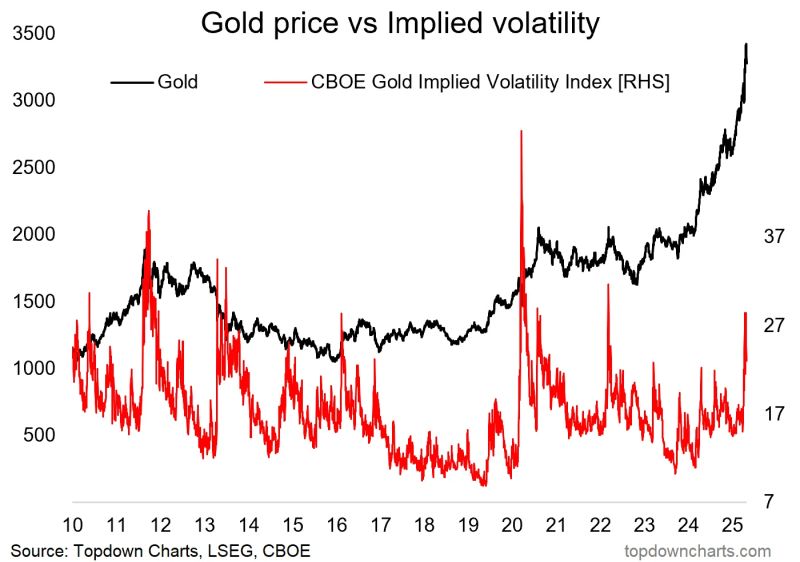
Gold ETFs restrictions have become a hot topic among investors and mutual fund houses alike, as these institutions tighten their grip on investments related to gold exchange-traded funds. This response to the instability seen in the gold market reflects a broader trend where financial entities are recalibrating their investment strategies to mitigate risk and protect investor interests. With the volatility of gold prices, it’s crucial for investors to understand how these limitations could affect their portfolios. Furthermore, while mutual funds typically provide a way to diversify investments, the current restrictions on gold ETFs and funds of funds (FoFs) necessitate a closer look at how best to navigate this evolving landscape. As investors seek stability in their financial choices, staying informed about the implications of gold ETF restrictions may be key to savvy investment decisions moving forward.
Restrictions on gold exchange-traded funds (ETFs) are reshaping the financial landscape, particularly in how investors engage with precious metals. Many mutual fund companies are now hesitating to allow investments in gold-related assets due to the unpredictable nature of the gold market. Such measures affect funds of funds (FoFs) and other avenues traditionally leveraged for diversification in precious metals investments. As fluctuations in gold prices continue to challenge investment strategies, investor interests will increasingly align with understanding these constraints. Ultimately, these changes remind us of the importance of monitoring market conditions when considering various asset classes.
Understanding the Restrictions on Gold ETFs
In a recent shift within the financial landscape, mutual fund houses are imposing restrictions on investments into gold ETFs. This decision reflects a cautious approach towards the evolving dynamics of the gold market, especially given the current volatility experienced in gold prices. By limiting exposure to these assets, fund managers aim to mitigate risk and protect investor interests amidst the unpredictability of gold market fluctuations.
Gold ETFs have traditionally been viewed as a safe haven for investors seeking to diversify their portfolios and hedge against inflation. However, the recent restrictions signal that mutual funds are recalibrating their investment strategies, seeking stability over potential losses. As a result, it’s crucial for investors to remain informed about these changes and consider how they align with broader market trends and their personal investment goals.
Impact of Market Volatility on Investment Strategies
The ongoing volatility in the gold market has significant implications for investment strategies employed by mutual fund houses. These funds have historically utilized gold ETFs as a means to provide exposure to precious metals, but escalating price fluctuations necessitate a more cautious approach. The new restrictions are a direct response to these challenges, highlighting the need for prudent asset allocation that prioritizes investor safety.
Investment strategies that previously included a higher allocation to gold ETFs may now be revisited to focus on more stable alternatives or diversification across various asset classes. For instance, mutual funds might explore investing in equities or other commodities that could offer better risk-adjusted returns. By adapting their strategies, fund managers can address investor fears while still aiming for growth in an unpredictable marketplace.
The Role of Funds of Funds in Gold Investment
Funds of funds (FoFs) represent a versatile investment approach that aggregates capital across various fund types, including mutual funds and ETFs. However, with the recent restrictions on gold ETFs, the strategy of funds of funds is also under scrutiny. The inability to freely invest in gold ETFs might force FoFs to explore alternative investment avenues or adjust their existing portfolios to accommodate the new risk landscape.
Investors should be cognizant that the restrictions on gold ETFs could lead FoFs to focus on sectors that provide more stability and growth potential. These adjustments not only reflect the need for tactical asset management but also the drive to align with changing investor interests. As mutual funds shift their investment strategies, those invested in FoFs may find their portfolio allocations shifting as well.
Navigating Investor Interests amid Economic Changes
As mutual fund houses enforce restrictions on investments into gold ETFs and FoFs, understanding investor interests becomes paramount. The financial decisions made by these institutions are informed by the desire to protect portfolio performance and ensure compliance amidst economic shifts. Investors are encouraged to actively engage in discussions about how these restrictions can impact their financial goals and strategies.
Creating a dialogue between investors and fund managers can help in tailoring investment strategies that resonate with current market conditions. This proactive approach empowers investors to make informed decisions and potentially adjust their portfolios in light of recent developments in the gold market. Engaging with fund managers can also provide insights into alternative investment options that align with their risk preferences.
Future Trends in the Gold ETF Market
The future of gold ETFs is likely to be shaped by the current restrictions and the evolving economic landscape. As gold prices continue to experience volatility, mutual fund houses may seek innovative ways to offer exposure to gold while managing risks effectively. This might include the introduction of new financial products that provide a blend of stability and potential growth.
Additionally, investors should stay abreast of regulatory changes that could affect the gold market and the broader investment strategies employed by mutual funds. Understanding these trends will allow investors to position themselves better in a market that is continuously adapting to external pressures and internal expectations.
Maximizing Diversification in Investment Portfolios
Given the recent limitations on gold ETFs, investors must reassess their diversification strategies to accommodate this new reality. Diversification is a critical component of effective investment planning, and with potential restrictions on certain asset classes, a more comprehensive approach may be necessary. Investors should look to balance their portfolios not only with equities and bonds but also consider alternative investments that can withstand market fluctuations.
By exploring other commodities, equities in different industries, and geographical diversification, investors can create a more resilient portfolio. This strategy allows them to manage risk effectively while still capitalizing on potential growth opportunities in an uncertain market landscape.
The Increasing Importance of Risk Management
As mutual funds adopt new restrictions regarding gold ETFs, the importance of robust risk management practices has never been more pertinent. Investors increasingly need to evaluate the risk profile of their portfolios, especially in sectors characterized by volatility such as gold and precious metals. By instituting sound risk management frameworks, fund managers can navigate uncertain waters and help safeguard investor interests.
Successful risk management involves identifying potential risks associated with various asset classes and employing strategies to mitigate these risks. Educational resources and advisory services can assist investors in understanding how to protect their investments while capitalizing on different market opportunities, particularly in light of the restrictions affecting gold-based investments.
Investor Education on Gold Investment Options
With restrictions on gold ETFs in place, it is crucial for investors to educate themselves about alternative gold investment options. Understanding various investment vehicles such as mining stocks, gold mutual funds, and even physical gold can provide a comprehensive view of how to approach gold investment. As the landscape changes, informed investors may find opportunities that fit their risk appetite and investment objectives.
Moreover, educational initiatives from financial institutions can empower investors by providing knowledge about the nuances of different investment types. This increased awareness fosters confidence in making investment decisions, ensuring that investors remain aligned with their long-term financial goals even in the face of changing market dynamics.
The Future of Mutual Fund Investments Post-Restrictions
As the mutual fund industry navigates the new reality of restrictions surrounding gold ETFs, the landscape of mutual fund investments is poised for transformation. Fund houses will likely innovate and adapt to these changes by developing new products that cater to shifting investor preferences while maintaining compliance with regulatory frameworks. This transformation is essential for the sustainability of mutual fund investments in the long term.
Investors should keep a close eye on how these developments unfold and consider the implications on their investment strategies. By remaining actively engaged with the financial markets and seeking advice from financial professionals, investors can successfully navigate shifts in mutual fund investment norms and achieve their financial aspirations.
Frequently Asked Questions
What are the current restrictions on gold ETFs by mutual fund houses?
Mutual fund houses have recently restricted investments in gold exchange-traded funds (ETFs) and funds of funds (FoFs) due to the volatility in the gold market. These restrictions help them manage risk and protect investor interests.
How do gold ETFs restrictions affect investment strategies?
The restrictions on gold ETFs implemented by mutual fund houses necessitate a recalibration of investment strategies. Investors may need to explore other options or adjust their portfolios to maintain exposure to gold while adhering to these restrictions.
Why are mutual fund houses restricting investments in gold ETFs?
Mutual fund houses are restricting investments in gold ETFs as a response to current market volatility. This strategy aims to stabilize funds and ensure the protection of investor interests amidst fluctuating gold prices.
What should investors know about gold ETFs restrictions impacting their portfolios?
Investors should be aware that the restrictions on gold ETFs could affect their portfolios by limiting direct exposure to gold. It’s advisable to stay informed about market developments and consider alternatives to maintain a balanced investment approach.
Are funds of funds impacted by the restrictions on gold ETFs?
Yes, the current restrictions on gold ETFs also apply to funds of funds (FoFs), limiting how mutual funds can allocate assets into gold investments. This impacts overall investment strategies for funds looking to diversify through gold exposure.
How can investors navigate the challenges posed by gold ETFs restrictions?
To navigate the challenges posed by gold ETFs restrictions, investors should evaluate their current investment strategies and consider portfolio diversification. Exploring other investment vehicles that provide gold exposure may be beneficial.
What are the implications of gold market volatility on gold ETFs restrictions?
Gold market volatility is a primary reason behind the restrictions on gold ETFs. Mutual fund houses are responding to shifts in gold prices to protect investments and maintain stable fund performance, which underscores the importance of cautious investment strategies.
| Key Point | Details |
|---|---|
| Investment Restrictions | Mutual fund houses have implemented restrictions on investments into gold ETFs and FoFs. |
| Reason for Restrictions | The restrictions are in response to volatility in the gold market. |
| Goals of Restrictions | To manage risk and safeguard investor interests amid fluctuating gold prices. |
| Advice for Investors | Investors are advised to closely monitor developments affecting their gold investments. |
Summary
Gold ETFs restrictions have recently been put into place as mutual fund houses respond to the heightened volatility in the gold market. This strategic move aims to protect investors and stabilize fund performance amidst fluctuating prices. Investors should remain informed and vigilant regarding any future developments that could influence their investments in gold, ensuring they make well-informed decisions.