

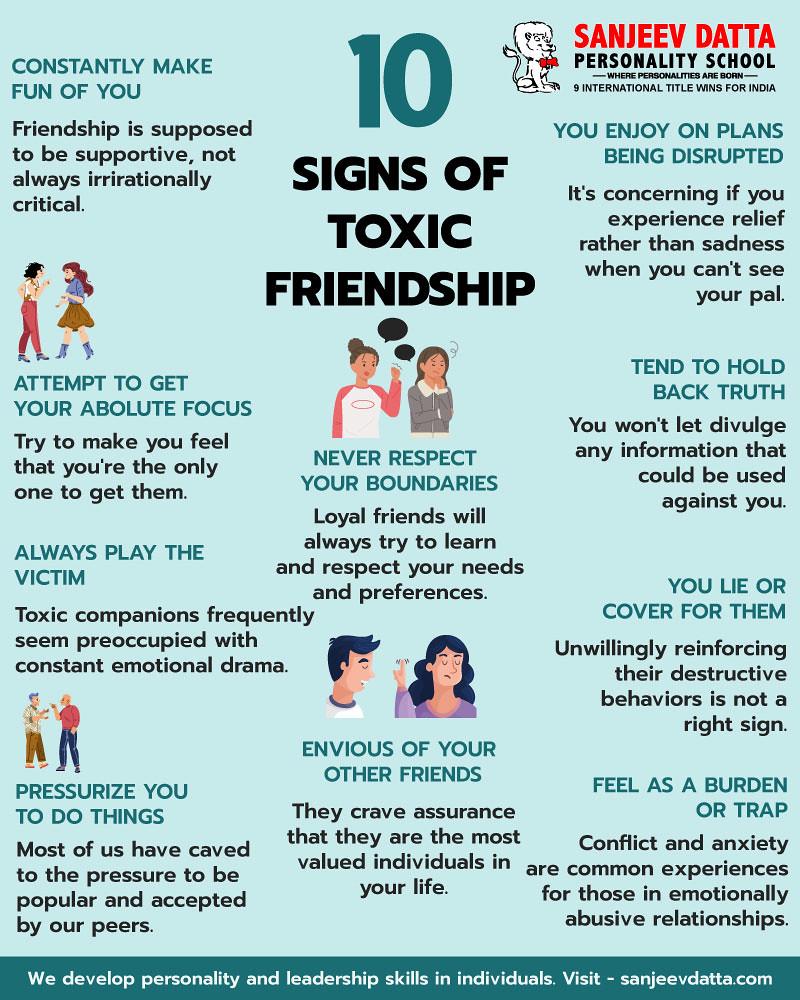
Subtle signs of jealousy can often be the quiet indicators that someone in your life is struggling with their own insecurities. Instead of displaying outright hostility, these feelings of envy manifest through understated behaviors that can be easy to overlook. You might notice a friend who downplays your achievements or offers back-handed compliments instead of genuine praise. Understanding how to spot jealousy is key—recognizing these jealousy signs can help you navigate potentially toxic friendships more effectively. It’s essential to remain aware of these patterns, as they often stem from a place of personal inadequacy rather than true friendship.
When it comes to recognizing envy, subtle cues can often speak volumes about someone’s true feelings. Envy may rear its head through passive-aggressive remarks or a lack of enthusiasm during your successes, signaling a deeper emotional struggle. Friends who genuinely celebrate your triumphs should uplift you rather than compete with you. Observing these signs can help you understand the dynamics at play in your relationships and protect yourself from toxic friendships that may drain your spirit. By learning to identify these nuances, you empower yourself to build healthier and more supportive connections.
Understanding the Subtle Signs of Jealousy
Jealousy often manifests in nuanced behaviors that can be difficult to recognize. It’s important to dissect these signs to understand the emotional undercurrents involved. For instance, many individuals display subtle signs of jealousy through passive comments or body language. When someone consistently minimizes your accomplishments, it can feel disheartening, especially if they are a close friend or family member. Such behavior reveals an inability to celebrate others’ successes without feeling a twinge of comparison.
Another common behavior that signals jealousy is the tendency to keep score in relationships. This dynamic often leads to toxic friendships where one party feels they must constantly compete rather than support. Learning how to spot jealousy in these interactions can help prevent emotional distress, as acknowledging these feelings allows you to either address them with the individual or distance yourself from potentially harmful influences.
How to Spot Jealousy in Friendships
One of the most prominent signs of jealousy is the back-handed compliment. When individuals say, ‘You look amazing today,’ it’s often laden with veiled intent, as if they are reluctant to acknowledge your success genuinely. These phrases signal insecurity and reveal their underlying need to undermine your confidence. Recognizing these back-handed compliments can help you develop healthier boundaries and possibly initiate a conversation regarding your friend’s behavior.
Additionally, a friend’s reluctance to celebrate your achievements can be a clear marker of envy. When you find yourself receiving muted responses or texts that feel lacking in enthusiasm after sharing good news, it’s important to assess whether this friendship is nurturing or draining. Learning to identify these emotional cues can empower you to choose friends who genuinely celebrate your victories rather than diminishing them.
Recognizing Envy Through Behavioral Patterns
Recognizing envy often requires a deep dive into the behavioral patterns exhibited by those around you. Jealous friends signs can manifest in many ways, such as competition where there should be camaraderie. If your conversations consistently lead to one-upmanship rather than mutual happiness, it’s time to reflect on the health of that friendship. True friends revel in each other’s successes, while envious friends often feel the need to diminish your happiness to elevate their own.
Moreover, if you notice that certain friends tend to ghost you during your triumphs but reappear when you’re facing challenges, this inconsistency can be a key indicator of jealousy. It can hurt to see those you considered allies retreat at your high points. Recognizing that this behavior stems from their own struggles can help you contextualize the situation, though it might also indicate that it’s time to reassess the depth of your relationship.
The Toxicity of Jealous Friendships
Toxic friendships often thrive on jealousy and competition, creating a vicious cycle of one-upmanship and resentment. Such dynamics can lead to significant emotional turmoil, as you’re left doubting your achievements and questioning your worth. The awareness of these toxic traits allows individuals to make informed decisions about whom they allow into their lives. Learning to recognize jealousy signs early on can help protect and foster healthier relationships.
Additionally, it’s crucial to recognize that this toxicity can have broader implications on mental health. Being surrounded by individuals who frequently exhibit jealous tendencies can contribute to feelings of inadequacy and anxiety. Establishing healthy boundaries and surrounding oneself with supportive friends can counteract these effects, enabling a shift towards more positive relationships built on mutual respect and admiration.
Mitigating the Effects of Jealousy
Mitigating the effects of jealousy in relationships requires a proactive approach to communication. When you suspect that a friend is exhibiting jealousy, addressing it directly but tactfully can lead to positive outcomes. Open dialogue allows space for vulnerable conversations where feelings can be expressed and clarified. It’s essential to create an environment where both parties feel safe discussing their emotions, which ultimately can strengthen the friendship.
Furthermore, practicing self-awareness and self-affirmation can help in navigating interactions with jealous friends. When you recognize your worth and celebrate your achievements, the power that jealousy holds over both you and your friend diminishes. Fostering your self-esteem can influence your friendships positively, transforming potentially toxic dynamics into sources of strength and inspiration.
Exploring the Psychological Roots of Jealousy
Understanding the psychological roots of jealousy can provide insight into why certain individuals harbor these feelings toward others. Often, envy stems from deep-seated insecurities and a fear of inadequacy. For example, individuals who frequently downplay your achievements may be projecting their self-doubt, revealing their internal struggles rather than assessing your success fairly. Recognizing these patterns can nurture empathy for both yourself and the jealous individual.
Moreover, psychologists often note that envy can surface in various forms, including discontentment with one’s life circumstances. by exploring these psychological underpinnings, those experiencing jealousy can begin the journey of self-improvement and emotional growth. Understanding the effects of jealousy on friendships can empower individuals to make constructive changes in their behavior and seek healthier interactions.
Signs of Jealousy in Competitive Environments
In competitive environments, jealousy can be especially pronounced. Whether in workplaces, academic settings, or social circles, individuals may exhibit signs of envy through their reactions to peers’ accomplishments. Observing colleagues who are noticeably dissatisfied with promotions or academic accolades can serve as a warning sign. This behavior often breeds a toxic environment where collaboration is overshadowed by competition.
Additionally, recognizing these signs early can help individuals navigate their professional and social landscapes better. When jealousy becomes palpable, it can hinder teamwork and productivity. By fostering open communication and creating spaces where successes are celebrated collectively rather than individually, organizations can mitigate the damaging effects of jealousy in competitive environments.
The Importance of Setting Boundaries with Jealous Friends
Setting boundaries with friends who exhibit jealousy is crucial for emotional health. Establishing clear lines helps protect your self-esteem and ensures that your relationships remain supportive rather than competitive. When you notice behaviors such as frequently feeling drained or questioned by a friend, it may be time to reassess the boundaries in that relationship. Healthy boundaries promote mutual respect, allowing friendships to flourish without the shadow of envy.
Moreover, discussing your boundaries openly can encourage your friend to reflect on their behavior, potentially leading to a healthier dynamic. Encouraging growth within friendships can not only benefit you but also provide your friend an opportunity to confront their feelings of insecurity and ultimately allow both parties to thrive.
Conclusion: Embracing Positive Relationships
Ultimately, understanding the subtle signs of jealousy can guide one towards fostering positive relationships. Choosing to surround oneself with individuals who uplift rather than undermine benefits emotional well-being and can lead to more meaningful connections. As you become more adept at recognizing toxic patterns, you empower yourself to seek friendships rooted in admiration and support.
In conclusion, embracing positive relationships and minimizing exposure to jealous dynamics will not only enrich your life but also enhance your overall happiness. By setting boundaries, engaging in self-reflection, and cultivating supportive connections, you can create a life that thrives on collaboration, honesty, and genuine celebration of each other’s successes.
Frequently Asked Questions
What are some subtle signs of jealousy to watch for in friends?
Subtle signs of jealousy in friends can include downplaying your achievements, giving back-handed compliments, and keeping mental score of your successes. Additionally, jealous friends often appear low-key happy at your bad news, mimic your behaviors in a way that feels competitive, and tend to ghost you during your celebrations. Recognizing these behaviors can help you understand whether your friendship is influenced by unhealthy jealousy.
| Signs of Jealousy | Description |
|---|---|
| 1. Downplaying Achievements | Diminishing your success to alleviate their feelings of inadequacy. |
| 2. Back-Handed Compliments | Compliments that come with a negative twist, highlighting their internal struggles. |
| 3. Keeping Scores | Constantly comparing themselves to you in conversations. |
| 4. Low-Key Happiness at Your Bad News | Exhibiting signs of relief or intrigue when you experience setbacks. |
| 5. Copying You | Mimicking your style or habits to compete with you, rather than out of admiration. |
| 6. Competing with You | Turning friendly conversations into competitive scenarios. |
| 7. Ghosting Celebrations | Minimal or lackluster responses to your successes, signaling insecurity. |
| 8. Guerilla Criticism | Subtly criticizing you to mutual friends instead of addressing you directly. |
| 9. Disappearing During Your Success | Suddenly becoming unavailable or distant when you achieve something significant. |
| 10. Highlighting Your Flaws | Reminding you of your mistakes to diminish your achievements. |
Summary
Subtle signs of jealousy can often go unnoticed, as they weave seamlessly into everyday interactions. Jealous individuals may not express their feelings overtly but display a range of covert behaviors that reveal their true sentiments. From downplaying your accomplishments to crafting back-handed compliments, their actions signal a deep-seated envy masked in casual banter. The way they react to your successes or failures, their sudden disappearance during your happiest moments, and their tendency to criticize rather than celebrate illustrate the complex dynamics of envy. Recognizing these subtle signs can help you navigate your relationships more effectively, allowing you to surround yourself with genuine support rather than veiled hostility.



























