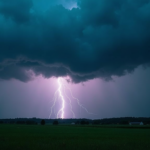
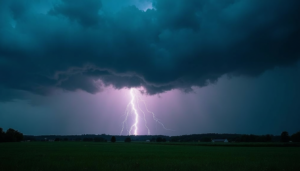
Severe thunderstorms are powerful meteorological events characterized by intense rainfall, lightning, and damaging winds. In regions like Jhargram, the potential for extreme weather conditions warrants attention, especially as a severe thunderstorm warning is issued. Residents must be prepared for intense rain forecasts and stay informed about thunderstorm safety tips to mitigate risks. With winds reaching speeds of 60-70 km/h, the impact can be significant, leading to potential hazards in infrastructure and safety. As these storm systems develop, it is essential to remain vigilant and follow local recommendations to ensure personal and community safety during such dramatic weather events.
When we refer to severe thunderstorms, we are discussing tumultuous weather phenomena that can unleash mighty winds, heavy downpours, and frequent lightning strikes. Such extreme weather disturbances not only pose a risk to personal safety but also have implications for local ecosystems and property. Areas susceptible to sudden thunderstorms often need to strategically implement safety measures, especially during heightened forecasts. Understanding the behavior of these natural occurrences can help individuals better prepare for and respond to severe weather alerts. Familiarizing oneself with effective storm preparedness strategies is critical to ensuring safety amid these intense atmospheric events.
Understanding Severe Thunderstorms and Their Impact
Severe thunderstorms are defined by their extreme conditions, including intense precipitation, strong winds, and frequent lightning. In regions like Jhargram, these storms pose a significant threat to both the environment and public safety. With gusty winds often reaching speeds of 60-70 km/h, the risk of falling branches, flying debris, and structural damage increases dramatically. The phenomenon not only disrupts daily life but also demands attention to safety protocols as communities brace themselves for the impact.
During severe thunderstorms, it is crucial for residents and local authorities to remain vigilant. Reports indicate that such storms can extend their reach across multiple districts, including West Midnapore and East Midnapore. Understanding the forecast and the issuance of severe thunderstorm warnings can help individuals prepare adequately. Awareness of how severe thunderstorms operate, including their capacity to produce sudden flash flooding or hail, can make a difference in mitigating their effects.
Safety Tips During Severe Thunderstorms
When severe thunderstorms strike, following proper safety measures can greatly reduce the risk of injury or damage. Thunderstorm safety tips include seeking shelter indoors and avoiding contact with electrical appliances or plumbing, as lightning can cause power surges. It’s advisable to stay tuned to local weather alerts and updates through radio or mobile apps to stay informed about evolving conditions. Preparing an emergency kit with essentials like food, water, flashlights, and a first aid kit can also ensure readiness for extreme weather disruptions.
In addition to immediate safety precautions, educating communities on the significance of severe thunderstorm warnings is vital. Local emergency management agencies often provide resources and guidance on how to react during intense rain forecasts. Residents should familiarize themselves with designated safe spots within their homes, such as basements or interior rooms, and understand the importance of having a communication plan in place with family and friends. By fostering awareness and preparedness, communities can better navigate the challenges presented by severe thunderstorms.
The Effects of Thunderstorms on the Environment
Severe thunderstorms can have profound impacts on the environment, particularly in regions prone to extreme weather conditions. The intense rainfall that accompanies these storms can lead to soil erosion, flooding, and water contamination. In places like Jhargram, the combination of gusty winds and heavy rains often results in downed trees and damaged wildlife habitats. As ecosystems suffer disturbances, the long-term effects can alter the biodiversity and balance of local environments.
Moreover, thunderstorms can initiate a chain reaction of climatic effects. The intense rain forecast from storms can exacerbate existing issues such as drought or water scarcity in the aftermath. Flooded waterways can carry pollutants and debris, threatening aquatic life and water quality. It becomes essential for environmental agencies to monitor the implications of these storms, fostering efforts to restore affected ecosystems and maintain resilience against future weather extremes.
Preparedness Before a Thunderstorm Hits
Preparation is critical when severe thunderstorms are forecasted. The first step for individuals and families is to stay informed about weather patterns and warnings through reliable sources. Creating a plan that includes identifying safe shelter locations and assembling an emergency kit can enhance readiness for turbulent weather. Schools and community centers often play a key role in disseminating information, making it important for residents to engage with local agencies and understand their emergency response protocols.
In addition to personal preparations, homes can be fortified against severe thunderstorms by ensuring proper drainage systems are in place and securing outdoor objects that can become hazardous projectiles. Installing surge protectors for electronic devices can help prevent damage from lightning strikes, and having backup power sources can ensure continuity during power outages. By taking proactive steps ahead of severe thunderstorms, communities can significantly reduce risks and promote overall safety.
The Role of Technology in Storm Monitoring
Advancements in technology have transformed the way severe thunderstorms are monitored and reported. Doppler radar systems and satellite imagery allow meteorologists to track storm development in real-time, providing critical data that lead to timely severe thunderstorm warnings. This increased accuracy not only aids in emergency preparedness but fosters a greater understanding of storm behaviors, enabling officials to issue alerts based on evolving conditions quickly.
Additionally, mobile apps and social media serve as effective tools for disseminating information to the public. Real-time updates regarding severe thunderstorms help individuals make informed decisions about their safety. These technological advancements also facilitate community engagement, empowering residents to share reports and experiences, which aids in collective awareness. As technology continues to evolve, its role in storm monitoring and public safety is expected to grow, further enhancing protective measures against extreme weather events.
Impact of Extreme Weather Conditions on Public Safety
Severe thunderstorms with extreme weather conditions pose significant public safety concerns. High winds and heavy rainfall can lead to flash flooding, making road travel dangerous and hampering emergency response efforts. Understanding how to navigate these challenges is crucial for communities, especially those like Jhargram that are frequently subject to such weather phenomena. Public agencies need to develop and implement education campaigns that emphasize the importance of heeding warnings and remaining indoors during dangerous conditions.
Moreover, the emotional toll of severe weather events should not be overlooked. The psychological impact on communities affected by repeated thunderstorms can lead to increased anxiety and stress levels, as residents grapple with the unpredictability of their environment. Support systems and resources should be established to assist individuals in coping with their experiences during and after severe weather events. By addressing both the physical and emotional impacts, communities can promote resilience and recovery post-storm.
The Economy and Thunderstorm Disruptions
The economic ramifications of severe thunderstorms can be far-reaching and long-lasting, causing disruptions to businesses and local economies. In areas like Jhargram, storms can halt agricultural activities, leading to crop damage and financial losses for farmers. This financial strain can ripple through the local economy, affecting jobs and services dependent on agriculture. The challenge lies in balancing immediate response efforts while also planning for longer-term recovery and support for affected sectors.
Furthermore, businesses that rely on outdoor events or activities often face cancellations and lost revenue during severe weather patterns. Implementing robust contingency plans can help mitigate these financial impacts, allowing businesses to adapt quickly to changing conditions. Local governments can also play a role in economic recovery by providing grants or resources to help businesses rebuild and recover from storm damage, fostering community resilience in the process.
Creating Community Resilience Against Thunderstorms
Building community resilience to severe thunderstorms requires a multifaceted approach that emphasizes preparedness, education, and collaboration among residents. Community leaders and organizations can spearhead initiatives to raise awareness about the risks associated with severe weather and to encourage participation in local emergency preparedness drills. By fostering a sense of community responsibility, residents are more likely to take proactive steps to protect themselves and their neighbors during storm events.
Furthermore, establishing partnerships with local and regional authorities can strengthen the community’s ability to respond effectively. Engaging local businesses in preparedness efforts can enhance resource availability, as companies may offer support or donations during emergencies. By creating a cohesive network that emphasizes readiness and response, communities can significantly improve their resilience against severe thunderstorms and ensure a more coordinated approach to managing extreme weather challenges.
The Future of Severe Weather Forecasting
The future of severe weather forecasting is poised to become increasingly sophisticated, driven by advancements in meteorological science and technology. Artificial intelligence (AI) and machine learning are beginning to play vital roles in analyzing large sets of weather data, ultimately improving the accuracy of storm predictions. This evolution not only enhances severe thunderstorm warnings but also empowers communities to prepare effectively for extreme weather events, reducing risks associated with severe thunderstorms.
Moreover, increased investment in research and development of next-generation forecasting tools can enhance our understanding of thunderstorm dynamics. As climate change continues to alter weather patterns, the ability to foresee impactful thunderstorms will be critical to safeguarding lives and property. By embracing technological innovations, meteorologists and scientists can better equip communities to adapt to the realities of severe weather, ensuring a more resilient future amid ongoing climate challenges.
Frequently Asked Questions
What should I do during a severe thunderstorm warning in Jhargram?
During a severe thunderstorm warning in Jhargram, it’s crucial to stay indoors and avoid windows. Seek shelter in a sturdy building, and stay away from electrical appliances to minimize the risk of lightning strikes. Monitor local news for updates on intense rain and wind speeds, which can reach 60-70 km/h in these extreme weather conditions.
| Key Points | Details |
|---|---|
| Severe Thunderstorms with Surface Wind | Extreme weather conditions are imminent, with severe thunderstorms predicted. |
| Rain and Wind Speeds | Lightning along with intense rain and wind gusts of 60-70 km/h. |
| Affected Areas | Jhargram, West Midnapore, and East Midnapore districts are likely to experience severe thunderstorms. |
| Time Frame | The severe thunderstorms are likely to last for the next 2-3 hours from 14:57 on 10-06-2026. |
| Safety Recommendations | Residents are advised to follow guidelines from the State Disaster Management Authority (SDMA). |
Summary
Severe Thunderstorms are severe weather phenomena characterized by intense rain, strong winds, and lightning. The imminent threat of such storms can lead to hazardous conditions, especially in regions like Jhargram, West Midnapore, and East Midnapore. These storms are expected to produce wind speeds reaching 60-70 km/h and may last for several hours, requiring residents to be prepared and follow safety protocols set by local authorities. Understanding and anticipating the effects of Severe Thunderstorms is crucial for ensuring safety and minimizing risk during these extreme weather events.