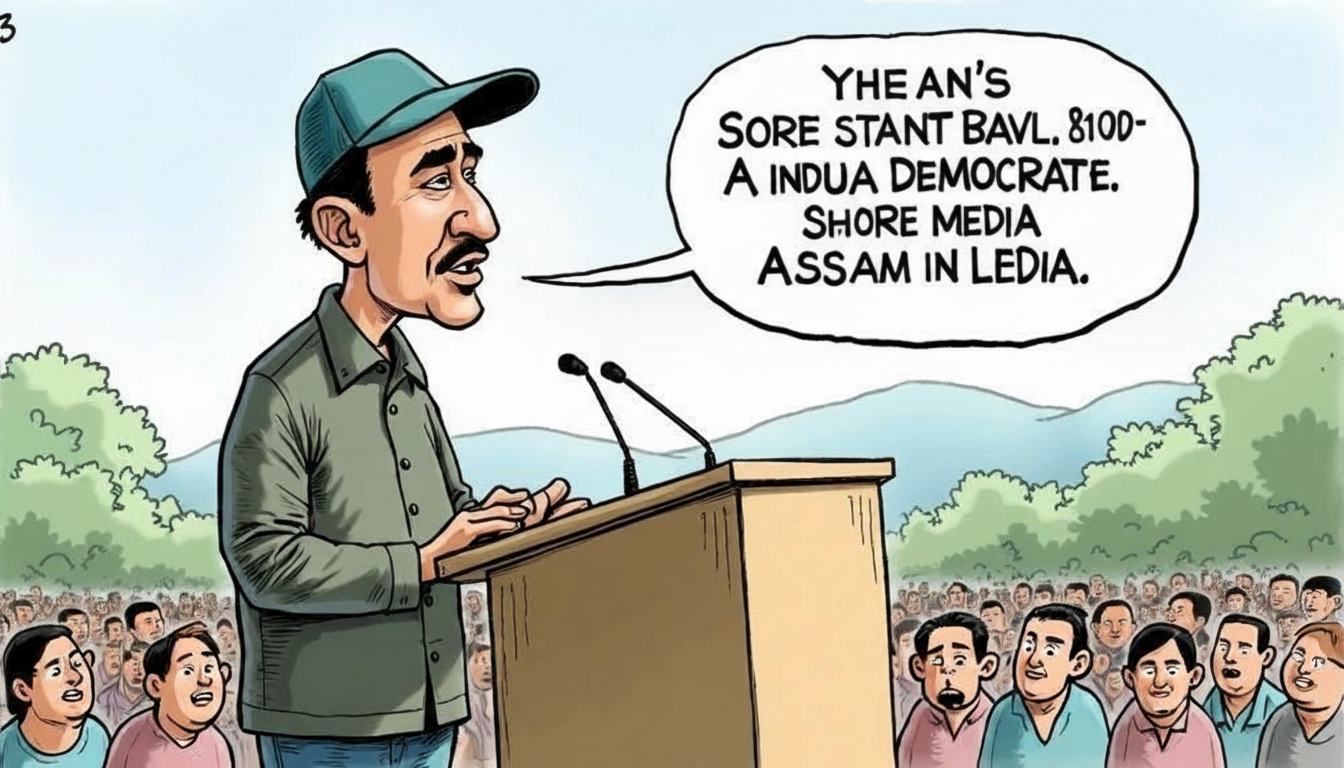
Assam democracy stands at a critical juncture as political tensions rise and allegations of manipulation emerge. Recent accusations by Congress president Gaurav Gogoi highlight concerns regarding the BJP Assam’s influence, suggesting that the ruling party is undermining democratic institutions and exerting control over the media landscape. With claims of political defection in Assam and the orchestration of defections to consolidate power, the very fabric of democracy is being tested. Gogoi’s assertions about media freedom in Assam facing increasing constraints paint a daunting picture of the state’s political climate. As debates about governance intensify, the implications of these developments on the democratic process will be pivotal for the future of this northeastern state in India.
The state of electoral governance in Assam is under scrutiny, particularly regarding the integrity of its political processes and institutional frameworks. Recent statements from influential leaders, such as Gaurav Gogoi of the Congress party, have unveiled serious allegations against the Bharatiya Janata Party (BJP). These accusations delve into the party’s alleged attempts to sway media narratives and undermine democratic principles through political maneuvering and defection tactics. This intricate web of political dynamics not only raises alarms about the health of democracy in Assam but also prompts broader questions regarding accountability within democratic institutions across India. Analyzing the evolving political landscape reveals the pressing challenges facing governance and citizen engagement in this region.
The Erosion of Democracy in Assam: Gaurav Gogoi’s Perspective
In recent statements, Gaurav Gogoi, the president of Assam Congress, has voiced grave concerns about the state of democracy in Assam under the governance of the BJP. He asserts that the Bharatiya Janata Party is engaged in systematic efforts to dismantle democratic institutions, which is evident in their strategies of political defection and consolidation of power. Gogoi’s claims suggest that the BJP’s approach is more about acquiring control than fulfilling the democratic responsibilities expected of a governing body. This shift in focus has raised alarm among many citizens who value the foundational tenets of democracy, emphasizing the necessity of maintaining transparent political processes.
Moreover, Gogoi’s accusations highlight critical implications for media freedom in Assam. Under BJP’s rule, there appears to be a growing trend of media control, which compromises the independence of journalism—a key pillar of democracy. This perceived muzzling of the press, as Gogoi articulated, not only stifles dissenting voices but also hampers the media’s role in holding leaders accountable. Observers of Assam’s political landscape must closely monitor these developments to understand the long-term impacts on democratic principles in the region.
Allegations of Corruption and its Political Ramifications in Assam: A Call to Action by Gaurav Gogoi, India’s Public Institutions Under Pressure
Gaurav Gogoi’s critique extends beyond political maneuvers to encompass significant allegations of corruption within the BJP-led Assam government. He has pointed out that several ministers, accused of serious irregularities, have been entrusted with crucial portfolios, thereby raising questions about the moral integrity of the administration. This troubling trend, wherein individuals linked to scandals are systematically rewarded, not only undermines the credibility of governance in Assam but also poses a direct threat to the very fabric of democratic institutions in India. Such practices, viewed in the light of Gogoi’s concerns, suggest an alarming prioritization of party loyalty over ethical governance.
The implications of these allegations are vast, affecting public trust in government and the political process overall. As Gogoi notes, the ordinary citizens of Assam continue to face adversities, and the celebration of political success by the governing party seems disconnected from the day-to-day realities experienced by the populace. The Congress leader’s call for transparency and accountability resonates with the growing frustrations among the electorate, emphasizing the dire need for a political environment that genuinely represents the aspirations and needs of the people of Assam.
Frequently Asked Questions
How is BJP Assam impacting democratic institutions and media freedom?
BJP Assam is facing criticism for allegedly undermining democratic institutions and freedom of the press in the state. Congress leader Gaurav Gogoi has accused the BJP of orchestrating defections and manipulating media narratives to consolidate power. Concerns have been raised about the control of the Information Department by Chief Minister Himanta Biswa Sarma, which Gogoi suggests could hinder media independence. This situation raises questions about the overall health of democracy in Assam, as controlling media often leads to reduced transparency and public dialogue.
| Key Point | Description |
|---|---|
| Gaurav Gogoi’s Accusation | Gaurav Gogoi, the president of Assam Congress, accuses BJP of undermining democracy and media freedom in Assam. |
| Concerns Raised | Gogoi highlights issues such as corruption, defections, and unfulfilled promises by the BJP. |
| Media Control Allegations | He alleges the BJP is attempting to control media narratives and questioned the Chief Minister’s management of the Information Department. |
| Ministerial Appointments | Gogoi claims that individuals involved in scandals have been granted important ministerial positions. |
| Political Engagement Critique | He criticizes the BJP for reducing political engagement to dismantling and poaching parties. |
| Grassroots Initiatives | The Congress is conducting review meetings to strengthen its grassroots organization in Assam. |
| Economic Concerns | Gogoi points out the struggles of ordinary citizens amidst claims of BJP’s political successes. |
| Call for Accountability | He demands moral responsibility on various issues from BJP ministers, including the NEET paper leak. |
Summary
Assam democracy is facing significant challenges as highlighted by Gaurav Gogoi’s recent accusations against the BJP. Gogoi asserts that the BJP has systematically undermined democratic values and sought to control media narratives within Assam. His comments shed light on serious concerns regarding political integrity, as he notes instances of corruption, defections, and the rewarding of ministers involved in scandals. Furthermore, the growing anxiety about media freedom under BJP’s tenure illustrates a critical erosion of public discourse. As Congress organizes grassroots initiatives to reclaim its influence, it remains imperative for Assam’s democracy to uphold transparency and accountability, ensuring that the voices of its citizens are not stifled.