El Niño is a powerful climate phenomenon that has taken shape in the warming waters of the Pacific Ocean, and scientists warn that this year’s event could lead to significant and costly consequences. With a 63% chance of reaching historic intensity by late fall and early winter, the impact of El Niño might manifest in extreme weather patterns, from severe flooding to prolonged droughts across various regions. Coastal areas, particularly in the Gulf and East coasts of the United States, may experience a reduction in hurricane activity, juxtaposed with increased rainfall inland and the likelihood of El Niño flooding in areas unprepared for such deluges. Conversely, regions like Hawaii are expected to face heightened risks as El Niño effects shift weather patterns. As meteorologists keep a close watch on El Niño’s evolving intensity, the global community must prepare for its far-reaching implications on agriculture, ecosystems, and economies alike.
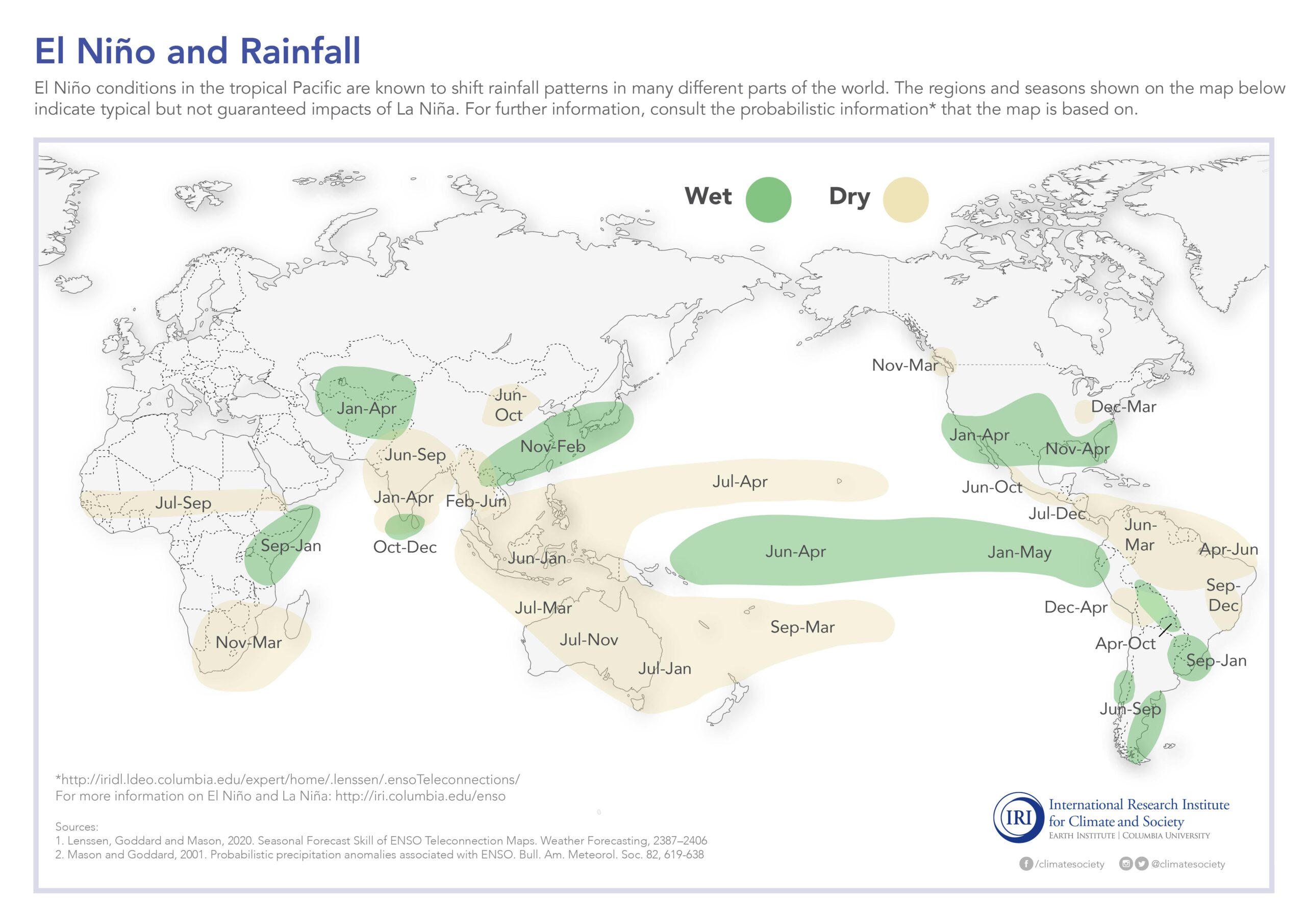
The El Niño phenomenon, often referred to as Nature’s unpredictable climate force, can trigger dramatic alterations in weather conditions worldwide. As this climatic event unfolds, it generates a unique blend of environmental outcomes, influencing rainfall patterns and leading to both droughts and deluge situations, commonly recognized as El Niño rainfall and flooding. Acknowledging its dual nature, regions may either benefit from reduced storm activity or suffer severe consequences due to intensified weather extremes. The ramifications of this climate event extend beyond mere precipitation, affecting agricultural practices and shaping global markets. By understanding the broader spectrum of climate variability associated with El Niño, communities can strategize effectively for the challenges ahead.
Understanding El Niño: An Overview of Its Mechanisms
El Niño is a complex climate phenomenon resulting from the warming of ocean surface waters in the central and eastern Pacific. This occurrence significantly alters weather patterns globally, triggering a cascade of environmental effects. Meteorologists closely monitor these fluctuations, as they mark the potential for extremes in weather—everything from droughts to flooding. The interaction between the ocean and atmosphere during El Niño events creates a variety of climatic impacts, which vary in severity and nature depending on the region and time of year.
The upcoming El Niño is projected to achieve notable intensity, akin to some of the largest events on record. This prediction is supported by historical data, spanning back to 1950, confirming that strong El Niño conditions can lead to significant changes in temperature and precipitation patterns. Understanding the mechanisms of El Niño is crucial for anticipating its effects, which include alterations in rainfall distribution, variations in temperatures, and increased occurrences of extreme weather, such as wildfires and hurricanes in certain areas.
The Impact of El Niño on Global Weather Patterns
The impact of El Niño is multifaceted, affecting global weather systems in various ways. For example, regions that typically experience dry seasons may see uncharacteristically heavy El Niño rainfall, leading to flooding and soil erosion. Conversely, other areas may suffer severe drought conditions as prevailing winds shift, reducing moisture availability. These divergent weather patterns can create winners and losers across the globe; agricultural regions may find their crop yields impacted either positively or negatively, depending on the timing and intensity of El Niño’s effects.
In the United States, the influence of El Niño often brings a mixed bag of weather extremes, especially impacting the Atlantic and Pacific coasts differently. While the Atlantic hurricane season activity tends to decrease, the Pacific islands face a heightened risk of storms and rains. This regional variation underlines the importance of localized forecasting and preparation, as communities must adapt to the unique challenges posed by the shifting climate patterns brought on by El Niño events.
El Niño’s Flooding: Risks and Responses
One of the most significant effects associated with El Niño is the increased risk of flooding in various regions. El Niño flooding can lead to catastrophic consequences, including property damage, displacement of populations, and loss of agricultural productivity. The change in precipitation patterns often results in sudden, intense rainfall events that the local infrastructure may not be equipped to handle, compounding the risk of landslides and overflowing rivers.
In response to these risks, communities and governments need to implement adaptive measures. Improved forecasting and early warning systems are essential for planning and response to El Niño flooding. Additionally, infrastructure enhancements, such as better drainage systems and flood barriers, can reduce the impact of severe flooding events. Ultimately, understanding the dynamics of El Niño helps stakeholders prepare and mitigate the effects of its powerful rainfall on vulnerable populations.
The Correlation Between El Niño and Increased Wildfire Activity
El Niño conditions can lead to enhanced wildfire activity due to the interplay of increased rainfall and subsequent dry spells. In regions such as California, for instance, a pattern of heavy rain followed by drought can create an ideal environment for wildfires to ignite and spread. The vegetation that flourishes during wetter-than-usual seasons often becomes dried out and serves as excellent fuel for fires during the drier periods that can follow.
As El Niño intensifies, so too does the need for communities to prepare for potential wildfire outbreaks. This includes strategic land management practices, public awareness campaigns, and coordinated firefighting responses. By recognizing the cyclical nature of El Niño’s impact, communities can better protect their lives and livelihoods from the dual threats of flooding and wildfire, showcasing the importance of proactive measures in climate resilience.
El Niño Intensity: Understanding the Implications for Climate Action
The intensity of El Niño is not merely a meteorological concern; it carries substantial implications for climate action and policy. Stronger El Niño events are often associated with more extreme climate conditions, necessitating heightened focus on sustainability and environmental stewardship. As governments and organizations around the world grapple with their climate goals, understanding the factors that contribute to El Niño intensity becomes critical in developing adaptive strategies for reducing greenhouse gas emissions and improving resilience against climate extremes.
Moreover, the historic nature of several projected El Niño events compels a reevaluation of climate models and disaster readiness plans. This increased intensity underscores the urgency of scientific research and community engagement in tackling climate change. By fostering global cooperation and knowledge sharing, nations can develop comprehensive strategies that not only address the challenges posed by climate variability but also work towards a sustainable future where such intense climate phenomena can be managed effectively.
Seasonal Predictions: El Niño’s Role in Weather Forecasting
Accurate seasonal weather predictions are increasingly reliant on understanding El Niño. Its developing patterns can influence everything from agricultural decisions to disaster preparedness efforts. By utilizing advanced climate models that factor in the various phases of El Niño, meteorologists can provide warnings about potential rainfall extremes or drought conditions well in advance, allowing communities to adjust their planning and responses accordingly.
The knowledge of impending El Niño events can significantly alter farming strategies, water resource management, and even energy production forecasts, as electricity demands can fluctuate with extreme weather patterns. Acknowledging the role of El Niño in seasonal predictions thus becomes vital not only for day-to-day operations but also for long-term sustainability efforts, demonstrating its broader impact on society and the economy.
El Niño and Its Effects on Global Agriculture
The impact of El Niño on global agriculture is profound, as changes in precipitation and temperature can disrupt growing seasons and crop yields. In regions that experience excessive rainfall during El Niño, fields can become waterlogged, leading to crop failures and reduced harvests. Conversely, areas that suffer from drought can see significant declines in agricultural productivity, raising concerns about food security at local and global levels.
To mitigate these adverse effects, farmers must adopt adaptive practices that consider the potential for El Niño-related climatic extremes. Crop diversity, investment in irrigation technology, and implementing soil conservation techniques are just a few strategies that can enhance resilience against the variability brought on by El Niño. With its far-reaching impact on food systems, understanding El Niño is crucial for ensuring agricultural sustainability and food security in the face of an increasingly volatile climate.
Preparing for El Niño: Strategies for Resilience
As communities brace for the impending effects of El Niño, preparation becomes paramount. Developing comprehensive emergency response plans that include public safety measures can significantly reduce the impact of extreme weather linked to El Niño. Engagement with local experts, scientists, and communities fosters a collaborative approach to identify the risks specific to each region and ensure that resources are allocated effectively for disaster preparedness.
Additionally, promoting community education and awareness campaigns about the potential impacts of El Niño is essential in building resilience. Equipping individuals and families with knowledge on how to respond to flooding or drought can empower communities to effectively manage their own safety. Ultimately, a proactive stance towards El Niño prepares societies not just for immediate challenges, but also for long-term climate variability.
The Future of Climate Predictions in the Era of El Niño
As climate change continues to evolve, the relationship between El Niño and global weather patterns becomes increasingly important for future predictions. Enhanced understanding of El Niño dynamics can lead to more accurate long-term forecasts, helping governments and organizations plan for potential climatic scenarios. This highlights the necessity of funding research and development in climate sciences to improve prediction models that can cope with the challenges posed by these powerful events.
Moreover, as El Niño events seem to intensify due to climate change, the implications for policy and global cooperation become apparent. Countries must work together to share data, implement changes in energy and resource management, and invest in sustainable technologies. By prioritizing collaborative efforts in climate research and disaster management, societies can work towards mitigating the adverse impacts of El Niño, reinforcing the urgent need for a unified global response to the changing climate.
Frequently Asked Questions
What are the expected impacts of El Niño on global weather patterns?
El Niño significantly alters global weather patterns, leading to various impacts. Typically, it causes increased rainfall and flooding in the eastern Pacific, while reducing hurricane activity in the Atlantic. However, regions like Hawaii may face more dangerous weather due to El Niño’s influence. The intensity of El Niño can result in severe weather extremes, including droughts and wildfires in different areas, showcasing its complex effects on our climate.
| Key Point | Details |
|---|---|
| Formation of El Niño | El Niño has formed in a warmed-up Pacific Ocean, with expectations of significant intensity. |
| Historical Significance | There’s a 63% chance El Niño will be among the largest events recorded since 1950. |
| Regional Impacts | The effects of El Niño vary by region; it can reduce Atlantic hurricane activity but may increase cyclones in the Pacific. |
| Timing of Effects | The severe weather impacts depend on when El Niño develops, influencing regions differently. |
Summary
El Niño is a significant climate phenomenon that can lead to extreme weather patterns across the globe. Its development in the Pacific Ocean is associated with dramatic changes in temperature and precipitation, impacting various regions differently. As it intensifies, areas like Hawaii may face increased risks, while some parts of the US could experience a temporary reprieve from hurricane activity. Understanding El Niño is crucial for preparing for its potential consequences.