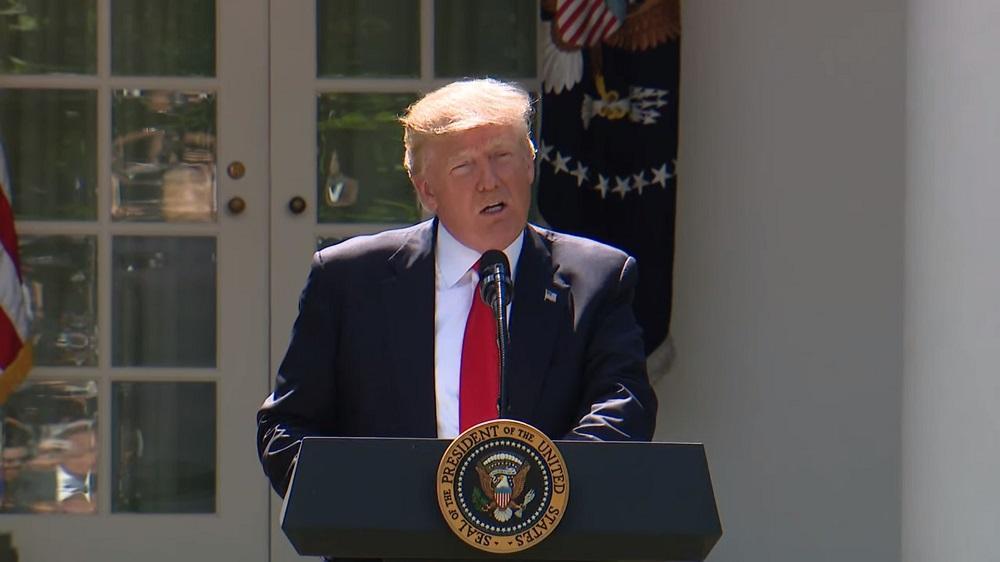
In today’s financial landscape, stock market news is buzzing with activity as US markets erupted in a wave of optimism, particularly following President Trump’s announcement of a potential peace agreement with Iran. The Dow Jones surged by an impressive 900 points, reflecting a remarkable 1.8% increase, while the S&P 500 rose by 1.7% and the Nasdaq composite gained a substantial 2.5%. Investors are responding positively to the calming of tensions that had previously stifled market growth, fueled by Trump’s assertion that a significant deal with Iran is imminent. Meanwhile, a drop in oil prices by over 3% adds further stability to the economic outlook, alleviating concerns of inflation driven by energy costs. As these events unfold, the markets demonstrate resilience, highlighting the interconnectedness of geopolitical developments and stock performance.
In the current market scenario, financial updates reveal a dynamic shift influenced by recent political events. The surge in equity markets indicates a favorable sentiment among investors, largely prompted by President Trump’s remarks regarding negotiations with Iran. The substantial rise in major indexes, including the Dow and Nasdaq, showcases an optimistic trajectory, while declining oil prices contribute to a more stable economic environment. This shift represents a turning point that investors are keenly observing, as movements in the stock exchanges can reflect broader economic trends and consumer confidence. The correlation between geopolitical changes and market behavior underlines the complexities within the financial arena.
Stock Market News: Dow Jones Soars After Iran Deal Announcement
In an unexpected turn of events, the stock market today witnessed an impressive surge, particularly marked by the Dow Jones Industrial Average climbing over 900 points. This remarkable growth was largely triggered by President Trump’s announcement regarding the cancellation of airstrikes on Iran and the imminent prospects of peace talks. Such geopolitical stability has historically been a boon for market performance, such as we are currently witnessing. As nerves settled and optimism grew, investors swiftly turned their attention towards the bullish signals from corporate earnings reports, piquing interest in stocks across multiple sectors.
Alongside the Dow’s surge, the S&P 500 and the Nasdaq also experienced significant gains, with increases of 1.7% and 2.5%, respectively. Investors capitalized on this market psychology, buoyed by the anticipation of an impending Iran deal that could ultimately foster a more favorable economic landscape. The evident relief in the markets showcases how sensitive stock prices are to geopolitical events, reinforcing the intertwined relationships between politics and economic performance.
Oil Prices Drop as Tensions Ease
Following President Trump’s announcement, oil prices dropped significantly, with futures on Brent crude falling to below $90 per barrel. The cancellation of airstrikes was a pivotal moment that contributed to this decline, as it alleviated fears of a potential spike in oil prices amidst military action. The 3.3% decrease mirrors the market’s immediate response to geopolitical developments, emphasizing how closely energy commodities reflect the state of international relations.
This drop not only impacts oil markets but also plays a crucial role in broader economic indicators, including inflation. With reduced oil prices, inflationary pressures may ease, potentially affecting consumer spending habits down the line. An environment of lowering oil prices can provide comfort to consumers, reflecting positively on retail sector performance, especially as inflation rates approach their highest points in years.
Nasdaq Gains Amidst Tech Rally
The tech-heavy Nasdaq Composite demonstrated a strong performance today, with a 2.5% increase, reflecting a resurgence in technology stocks. The bullish sentiment was likely fueled by investors anticipating that a peaceful resolution in Iran would stabilize markets and encourage growth in sectors that rely heavily on stable energy prices. Tech companies, often seen as growth stocks, thrive in low-energy-cost environments and a flourishing market can lead to substantial gains in this sector.
This rally is also supported by the ongoing momentum from strong earnings reports from firms like Oracle. Despite some setbacks in cloud sales, the overall optimism in the tech industry has prevailed, bolstered by prospects of new investments that may flow in as the geopolitical climate stabilizes. The Nasdaq’s performance serves as an indicator not just for tech stocks, but as a reflection of market confidence that could breed future innovation and investment.
S&P 500 Rise Shows Investor Confidence After Political Developments
The S&P 500 showed a notable increase of over 1.7% following President Trump’s announcement concerning the Iran deal, signaling a robust rebound in investor confidence. This broader index reflects the performance of the overall stock market and provides insight into economic health. The increase comes at a time when markets were experiencing volatility due to uncertainties surrounding trade and international relations.
As sectors across the board responded positively, the S&P 500’s rise can be interpreted as a collective vote of confidence from investors. They trust that stability in geopolitical affairs will lead to a favorable economic environment. This sentiment could indicate a pivotal moment for the market, with potential for sustained growth if positive developments continue.
Corporate Earnings Impact on Market Trends
Corporate earnings reports are critical indicators for market trends and today’s outcomes played a significant role in the movements observed. Companies like Oracle, although faced with mixed sentiments due to lackluster cloud sales, still report earnings that surpass expectations, contributing to a mixed atmosphere in the corporate sector. Despite the stock’s immediate drop, the overall tech sector displayed resilience, suggesting that market participants are looking at the bigger picture.
These earnings not only shape investor sentiment but also influence future company valuations. A strong earnings season can lead to higher stock prices and improved market indices, especially as investors analyze how external factors such as geopolitical events could impact future performance.
Initial Jobless Claims and Economic Indicators
The latest report on initial jobless claims indicates an increase to 219,000, which slightly exceeded analyst expectations. Despite the marginal rise, this data highlights the labor market’s enduring strength amidst economic fluctuations driven by external factors. The ability of the labor market to maintain employment levels even in turbulent times illustrates the resilience of the economy, bolstering consumer confidence.
Jobless claims are a major economic indicator, and trends suggest that as long as unemployment remains low, consumer spending and economic growth will likely remain robust. Investors may interpret this data positively, supporting market stability and growth, despite concerns around inflation and international disturbances.
Wholesale Prices Show Surprising Increase
A surprising rise in wholesale prices of 1.1% in May indicates that inflation is a growing concern for the economy. The figure surpassed forecasts, with anticipations of a modest 0.7% increase, suggesting pressures from rising energy costs and other inflationary factors. Such developments can impact consumer sentiment and spending as businesses adjust pricing strategies.
This rise in wholesale prices is a critical metric for investors to watch closely, as it could impact future monetary policy and influence investment decisions. With inflation trending upwards, especially in light of the energy price shifts following geopolitical developments, market observers will be keen to assess how this data might affect the broader economic outlook.
Impact of Oil Prices on Consumer Spending
The recent drop in oil prices post-Trump’s announcement is expected to have a positive impact on consumer spending. Lower oil prices alleviate some financial pressures on consumers, allowing for discretionary spending to potentially increase. As the cost of energy decreases, it may lead to more disposable income for households, encouraging consumer spending in other sectors.
Strength in consumer spending is crucial for overall economic growth, and as households feel less burdened by energy costs, this could lead to increased retail activity. The interconnected nature of energy prices, inflation, and consumer behavior suggests that today’s market fluctuations may foreshadow broader economic trends in the coming months.
Looking Ahead: The Anticipated SpaceX IPO
As the market prepares for the anticipated IPO of Elon Musk’s SpaceX, expectations are running high. The upcoming offering is projected to be the largest IPO in history and has investors buzzing. Following impressive increases in stocks like Virgin Galactic, excitement is palpable in the space industry, signaling potential investment waves, igniting interest in space-related ventures.
The significance of the SpaceX IPO transcends its immediate financial implications; it raises questions about the future of space commerce and innovation. Investors want to watch how this pivotal event unfolds and what it may mean for the technology and aerospace sectors, especially as daily markets respond to other economic indicators and geopolitical situations.
Frequently Asked Questions
What caused the Dow Jones surge recently?
The recent surge in the Dow Jones Industrial Average can be attributed to President Trump’s announcement of a peace deal with Iran, which helped ease tensions that previously impacted the market. This news led to a market rally, with the Dow soaring over 900 points as investors reacted positively to the prospect of improved geopolitical stability.
How did the Trump Iran deal impact stock market news today?
The stock market experienced significant gains following President Trump’s statement about a near-complete deal with Iran. Investors responded favorably to the cancellation of planned airstrikes, leading to sharp increases in major indices, including a 1.8% rise in the Dow Jones and a 2.5% increase in the Nasdaq.
Why did the S&P 500 rise dramatically?
The S&P 500 rose dramatically as a result of positive stock market news related to President Trump’s indication of a potential peace agreement with Iran. This announcement alleviated investor fears regarding geopolitical tensions, resulting in a 1.7% increase in the index.
What were the main contributors to the Nasdaq gains today?
The Nasdaq gains today were primarily driven by the overall bullish sentiment in the stock market following President Trump’s announcement about Iran. Additionally, anticipation surrounding the upcoming IPO of SpaceX contributed to heightened investor optimism, leading to a notable 2.5% rise in the Nasdaq Composite.
How did the fall in oil prices affect the stock market?
The fall in oil prices, which dropped more than 3% after Trump’s cancellation of airstrikes on Iran, positively affected the stock market. Lower oil prices typically reduce inflation concerns, allowing stocks to perform better. This contributed to significant gains in the Dow Jones, S&P 500, and Nasdaq.
What economic indicators were released alongside stock market news?
Alongside the major stock market news, economic indicators including producer price index (PPI) data showed that wholesale prices rose by 1.1% in May, exceeding expectations. Additionally, initial jobless claims reported a rise above predictions, indicating mixed signals for the economy while the stock market responded positively to geopolitical developments.
What is the significance of the SpaceX IPO for stock market news?
The forthcoming SpaceX IPO is highly significant and is expected to be the largest in history, capturing considerable attention in stock market news. A surge in related stocks, such as Virgin Galactic, highlights the market’s excitement and the potential impact of the IPO on investor sentiment.
What are the implications of rising inflation on stock market performance?
Rising inflation, as shown by recent economic data, often leads to investor caution, but the current consumer spending momentum reported by Bank of America suggests resilience. While inflation concerns may create volatility, strong consumer spending could support stock market performance, as seen in the recent positive market reaction despite inflation fears.
| Market Index | Change | Key Events | Oil Prices | Corporate News |
|---|---|---|---|---|
| Dow Jones | +900 points (1.8%) | Trump cancels Iran airstrikes, signaling peace deal | Fell 3.3% below $90/barrel | Oracle missed cloud sales expectations |
| S&P 500 | +1.7% | Stocks rallied after peace talk news | – | – |
| Nasdaq Composite | +2.5% | Major gains following conflict de-escalation | – | – |
| Virgin Galactic | +23% | Boosted by SpaceX IPO anticipation | – | – |
Summary
Stock market news today reflects a significant turnaround as US indices experienced a strong surge, particularly following President Trump’s announcement about a potential peace deal with Iran. The market has reacted positively to the de-escalation of tensions, with major indices, such as the Dow, S&P 500, and Nasdaq all posting impressive gains. Additionally, declines in oil prices have contributed to this positive momentum. Meanwhile, broader economic indicators suggest that consumer spending remains robust despite inflationary pressures.