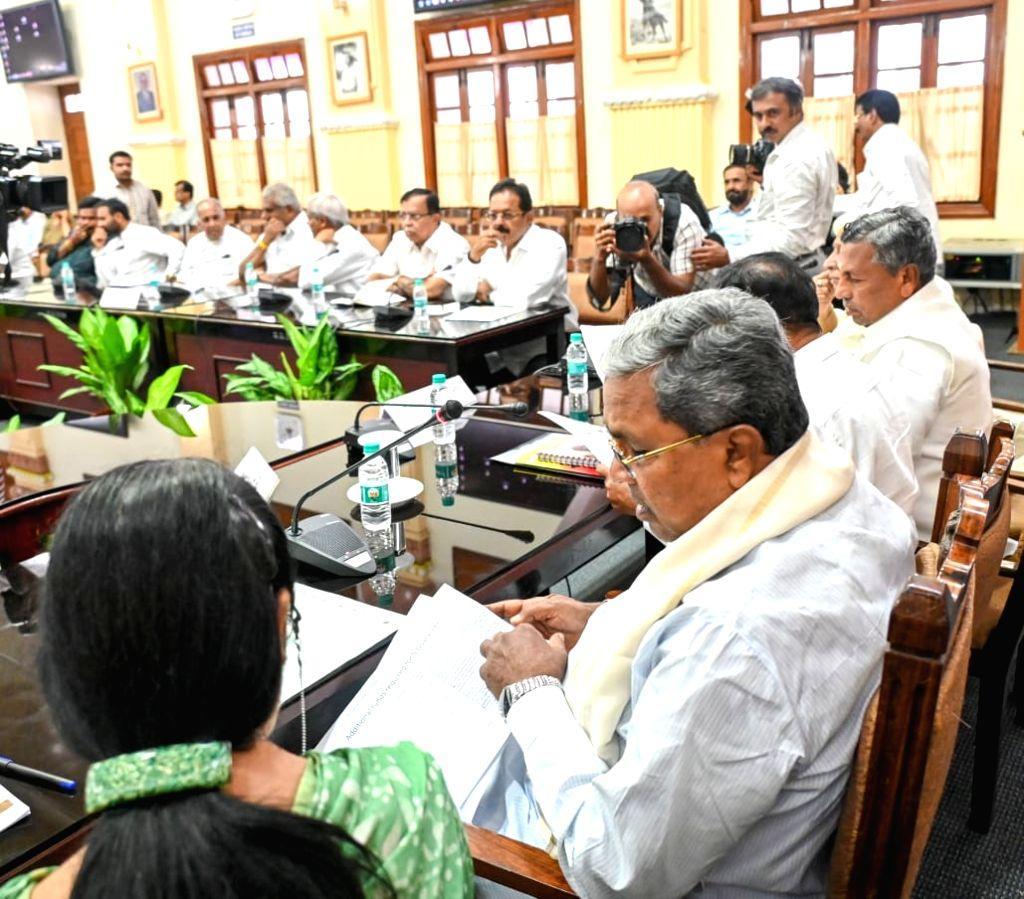
In a landmark move towards fostering political unity in India, Karnataka Chief Minister DK Shivakumar participated in a high-profile meeting with Prime Minister Narendra Modi in New Delhi. This meeting marked an important moment in Indian governance, as it was the first gathering where all Chief Ministers convened under the Niti Aayog Governing Council framework. The significance of this Chief Ministers meeting cannot be overstated, particularly given the positive atmosphere that replaced the previous era of political hostility. With all 28 states represented, discussions moved towards collaborative solutions for the nation’s pressing issues, highlighting a newfound spirit of cooperation. The emphasis on unity in these dialogues echoes a broader commitment to strengthen inter-state relations and address common challenges facing the country.
Karnataka’s top political figure, DK Shivakumar, engaged in crucial talks with the nation’s Prime Minister, a pivotal meeting that aimed to reinforce alliances among state leaders. This gathering of Chief Ministers in New Delhi stands out as a transformative event, indicating a shift toward constructive dialogue, especially in the context of the Niti Aayog Governing Council’s objectives. With all state heads in attendance, the discussions symbolized a collective effort to overcome past grievances and foster inclusivity. The unity reflected in this assembly holds substantial implications for governance, as it sets a precedent for future collaborations between states. Notably, such gatherings enhance the contribution of state administrations to national policy-making, underscoring their vital role in shaping the country’s trajectory.
Significance of the Karnataka Chief Minister’s Meeting with PM Modi
The recent meeting between Karnataka Chief Minister DK Shivakumar and Prime Minister Narendra Modi marks a pivotal moment in the evolving dynamics of India’s federal governance. As the first instance where all Chief Ministers of the 28 states participated in the Niti Aayog Governing Council, this meeting is indicative of a conscious effort to foster political unity in India. The absence of boycotts that characterized previous meetings suggests a renewed commitment among state leaders to collaborate on pressing national issues.
This engagement not only underscores the importance of cooperative federalism but also highlights the significance of the Chief Ministers’ meeting in New Delhi. By coming together to discuss key agendas, the CMs can collectively influence policy-making processes that affect their respective states. DK Shivakumar’s active participation, particularly as a representative of Karnataka, emphasizes the integral role that regional leaders play in shaping the national discourse.
Cohesion and Political Unity among Chief Ministers
The deliberate avoidance of political hostilities during the meeting showcases a significant shift in the attitude of the CMs towards national collaboration. This development is essential for the effective functioning of the Niti Aayog, which serves as a platform for dialogue among the states and the central government. Such cohesion reinforces the belief that constructive discussions, rather than political rivalries, are necessary for addressing the diverse challenges faced by different regions.
Moreover, fostering political unity among the Chief Ministers can lead to more substantial advocacy for state needs at the national level. The recent discussions open the door for collective bargaining, where regional leaders can present a united front on matters like economic development, healthcare, and education reforms. This collaborative spirit paves the way for more inclusive governance, ultimately benefiting the constituents across states.
The Role of Niti Aayog Governing Council in State Relations
The Niti Aayog Governing Council serves as a crucial mechanism for enhancing cooperative federalism in India. By integrating the perspectives of all 28 Chief Ministers, the council allows for a more representative approach to policy formulation and implementation. The recent meeting held in New Delhi exemplified how the CMs can transcend partisan lines to work towards common objectives, thereby strengthening inter-state relations.
In addition, the discussions led by DK Shivakumar and his counterparts serve as an essential barometer of the federal structure’s functionality. By convening regularly, the Chief Ministers can ensure that their states’ variations in concerns and demands are adequately addressed. The collaborative framework established through such meetings is vital in not only resolving regional disparities but also in achieving overall national progress.
Impact of Political Dynamics on Federal Meetings
Political dynamics in India often create an environment of contention between state and central authorities, which has hindered the effectiveness of federal meetings in the past. However, the recent collaboration among Chief Ministers signals a departure from such adversarial tactics, showcasing a willingness to engage in constructive dialogue. This change is particularly noteworthy as it coincides with the changing political landscape under Prime Minister Modi’s leadership.
The shift towards a more unified approach indicates that CMs are recognizing the value of their collective voice in influencing central policies. The positive outcomes from this meeting could potentially set a precedent for future gatherings, where discussions will focus more on collaboration rather than confrontation, thereby enhancing the productivity and relevance of the Niti Aayog meetings.
Future Perspectives on State and Central Relations
Looking ahead, the recent meeting between Karnataka Chief Minister DK Shivakumar and Prime Minister Modi could serve as a cornerstone for future engagements between state and central governments. The momentum generated from this gathering might foster a culture of regular collaboration, allowing CMs to address not only state-specific issues but also broader national challenges that require collective action.
As the political landscape continues to evolve, outcomes from this meeting may also influence public perception regarding the efficacy of federal relationships in India. A positive depiction of cooperation among political leaders could enhance trust among the populace, ultimately leading to more robust governance that aligns with citizens’ aspirations for progress and development.
Understanding the Role of Chief Ministers in National Policies
The Chief Ministers play an indispensable role in shaping national policies as they bring local perspectives to the forefront of national discussions. Their participation in forums like the Niti Aayog Governing Council provides them with an opportunity to voice their constituents’ needs and concerns directly to the central government. This dialogue is crucial for creating policies that resonate with the realities of diverse regional populations.
Furthermore, the significance of integrating Chief Ministers in policy-making processes extends beyond mere representation. It ensures that local issues are addressed meaningfully within the national policy framework, leading to more effective governance. DK Shivakumar’s involvement in the recent discussions exemplifies how state leaders can drive substantive change, influencing policies that not only affect their states but also contribute to the collective growth of the nation.
Challenges Faced by Chief Ministers in Collaborative Governance
Despite the positive developments within the Niti Aayog Governing Council, Chief Ministers often face significant challenges in fostering collaborative governance. Differences in political ideologies, economic priorities, and regional needs can create barriers to consensus. However, the recent meeting demonstrated that with a commitment to avoid political hostilities, these challenges can be surmounted, paving the way for unity.
Acknowledging these challenges is crucial for future engagement among Chief Ministers. As they work toward building a more cohesive federal structure, it will be essential to develop mechanisms that encourage open dialogue and mutual respect. Investments in trust-building among CMs from various political backgrounds can enhance their collaborative efforts, ultimately leading to more effective governance and citizen satisfaction.
Innovations and Reforms Proposed at the CMs Meeting
The discussions held during the recent Chief Ministers’ meeting in New Delhi spotlighted a plethora of innovative strategies and reforms aimed at addressing pressing challenges facing the states. By engaging in these dialogues, leaders like DK Shivakumar are not only advocating for their states but also contributing to a national narrative that prioritizes strategic development. The emphasis on collaboration suggests a shift towards evidence-based policymaking, where best practices from different states are shared and implemented.
In addition, the collaborative framework suggested during the meeting may lead to coordinated reforms in various sectors, including healthcare, education, and infrastructure. The commitment to reform reflects a collective acknowledgment of the importance of state-level leadership in national development and fortifies the potential for achieving sustainable growth across India’s diverse regions.
Conclusion: A New Era of Collaborative Governance in India
In conclusion, the recent meeting of Chief Ministers, highlighted by the engagement of Karnataka Chief Minister DK Shivakumar with Prime Minister Narendra Modi, represents a transformative moment for governance in India. The shift towards a more cooperative approach signifies a potential new era where state leaders actively participate in shaping national policies, thereby addressing regional disparities more effectively.
As the federal structure continues to evolve, the emphasis on collaborative governance, marked by such meetings, will be fundamental in navigating the complexities of India’s political landscape. This proactive engagement sets a precedent for future interactions, ensuring that all states contribute meaningfully to the nation’s development while fostering a sense of unity and shared purpose among the Chief Ministers.
Frequently Asked Questions
What was the significance of the Karnataka Chief Minister meeting with Prime Minister Modi in New Delhi?
The recent meeting between Karnataka Chief Minister DK Shivakumar and Prime Minister Narendra Modi in New Delhi marked a pivotal moment for political unity in India. This meeting, part of the Niti Aayog Governing Council discussions, saw participation from all 28 state Chief Ministers, highlighting a collective approach to governance. Unlike previous meetings that were plagued by boycotts and absence, this gathering symbolized a renewed commitment to collaboration among the states and the central government.
| Key Point | Details |
|---|---|
| Meeting Participants | Karnataka Chief Minister DK Shivakumar and Prime Minister Narendra Modi. |
| Historical Context | This meeting marks the first participation of all 28 Chief Ministers in Niti Aayog discussions. |
| Change in Dynamics | Previous meetings saw boycotts and absences. This meeting avoided political hostility among CMs. |
Summary
The Karnataka Chief Minister meeting highlighted a notable collaboration as DK Shivakumar met with Prime Minister Narendra Modi in New Delhi, marking a pivotal moment for state leadership involvement. This gathering witnessed the active participation of all 28 Chief Ministers in Niti Aayog discussions, signifying a breakthrough in political dynamics compared to prior meetings. The absence of political hostility this time is significant, considering that previous gatherings were marred by boycotts and conflicts. This meeting sets a promising precedent for future collaborations between state and central leadership.