

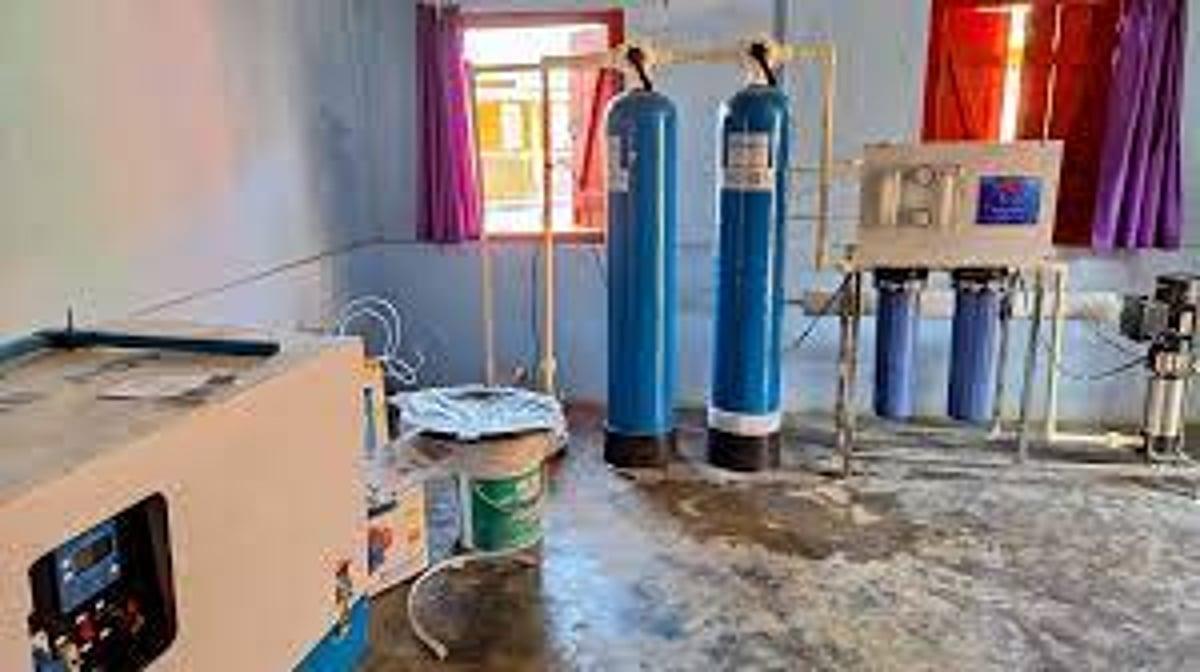
Disaster preparedness Assam has become a critical focus for local authorities, especially as the monsoon season approaches. With the region’s susceptibility to various natural calamities such as floods, landslides, and storms, the state is ramping up its management strategies to protect its communities. Recently, in a meeting led by Minister Krishnendu Paul, officials reviewed the implementation of essential water supply schemes in Dima Hasao, highlighting the importance of these resources during emergencies. The discussions spanned numerous initiatives, including the Jal Jeevan Mission Assam, which aims to enhance drinking water accessibility, as well as robust emergency response Assam protocols. Additionally, the review of solid waste management Assam practices indicates a comprehensive approach towards ensuring safety and resilience in the face of inevitable monsoon disasters.
In the realm of emergency preparedness, the focus on Dima Hasao exemplifies a broader commitment to establishing effective disaster management practices across Assam. The recent scrutiny of water provision initiatives underscores the significance of reliable water supply options during potential crises. Moreover, the integration of improved waste disposal strategies showcases the region’s efforts to bolster communal health and safety. As authorities prioritize monsoon disaster management, initiatives such as the Jal Jeevan Mission stand paramount in cultivating a sustainable and proactive approach towards emergency readiness. This multi-faceted focus not only emphasizes immediate response strategies but also promotes long-term resilience within vulnerable communities.
Disaster Preparedness in Assam: A Critical Review
In the face of frequent monsoon disasters, the government of Assam is taking significant steps to bolster disaster preparedness in the region. On June 12, Krishnendu Paul, the Minister for Public Health Engineering, conducted an in-depth review of preparedness measures specifically tailored for Dima Hasao district. The meeting gathered essential stakeholders including district officials, members of the North Cachar Hills Autonomous Council (NCHAC), and representatives from various government departments to outline strategies for managing the impending challenges posed by floods and landslides. The importance of robust emergency response mechanisms was emphasized, underscoring the need for immediate and effective action during disaster situations.
Moreover, the District Disaster Management Authority presented a comprehensive overview of preventive measures already implemented. Insights were shared about how to enhance coordination among departments to streamline emergency responses. This collaborative approach not only aims to fortify the region’s resilience against climate-induced challenges but also emphasizes the importance of continuous assessments and updates to existing disaster management frameworks.
The discussions during this crucial meeting also highlighted the role of local governance in disaster preparedness. With a targeted focus on the monsoon season, officials underlined the necessity for ongoing training and the establishment of rapid response teams. This proactive strategy is integral to ensuring that residents of Assam, particularly in vulnerable areas like Dima Hasao, are equipped to handle potential emergencies. As the state moves forward with initiatives to strengthen infrastructure and community resources, continuous evaluations will be essential to adapt to the evolving needs of disaster management in the region.
Water Supply Schemes in Dima Hasao: Current Challenges and Strategies
Water supply schemes are vital for sustaining life and promoting health, particularly during challenging times like natural disasters that are commonplace in Assam. During the recent departmental meeting, the implementation of water supply schemes in Dima Hasao was thoroughly reviewed. Officials stressed the significance of the “Har Ghar Nal Se Jal” program under the Jal Jeevan Mission, aiming to deliver running water to every household. However, the rugged terrain and varying access to remote areas present formidable challenges that must be addressed through diligent planning and detailed surveys before launching any water project.
MLA Rupali Langthasa articulated the persistent hurdles that hilly districts face in executing water supply initiatives. Ensuring water delivery not only needs coordination between multiple departments, such as Public Health Engineering and Public Works but calls for innovative solutions tailored to the district’s topography. This multifaceted approach will facilitate the effective implementation of water supply schemes while enhancing community engagement in water conservation and management efforts.
Additionally, collaboration with local bodies like the NCHAC is imperative for monitoring and assessing ongoing projects. As the region adapts to changing climatic conditions, optimizing water supply infrastructure becomes paramount. Integrating solid waste management practices within the framework of water supply schemes also presents an opportunity for broader community health and environmental sustainability. This involves ramping up awareness campaigns to educate the local population on the importance of clean water and sanitation, which is further reinforced through the works of the Jal Jeevan Mission. The Minister’s direction to inspect and rectify non-functional projects underscores a commitment to accountability and transparency within the implementation process.
Solid Waste Management in Assam: Towards Sustainable Practices
The management of solid waste remains a pressing issue in Dima Hasao, where the rapid growth of population and urban development has created challenges for waste collection and disposal systems. Attending the recent meeting, representatives from the NCHAC proposed various strategies to enhance waste management practices throughout the district. These measures aim not only to ensure a cleaner environment but also to alleviate potential health hazards posed by improper waste disposal, which can exacerbate during monsoon seasons when flooding may lead to waste run-off into water supplies.
Effective solid waste management requires a coordinated approach involving local communities and government agencies. As discussed during the meeting, implementing comprehensive waste segregation, collection, and disposal systems forms a critical aspect of ensuring public health and the integrity of water supplies under the Jal Jeevan Mission. Educating the community on waste reduction and the importance of recycling can also play a pivotal role in promoting sustainable living practices that protect the environment from the adverse effects of waste accumulation.
Moreover, the government’s commitment to improving solid waste management practices dovetails with Assam’s overarching goals of disaster preparedness and emergency response. By establishing robust waste management systems, the region can mitigate the impact of environmental degradation caused by accumulation, especially during the monsoon season when floods and landslides are prevalent. The collaboration between various departments, including Public Health Engineering and local councils, ensures that solid waste management becomes integral to disaster preparedness strategies, thus fostering resilience in the face of natural calamities.
Frequently Asked Questions
What are the key measures for disaster preparedness in Assam, specifically for monsoon-related disasters?
Disaster preparedness in Assam, particularly for monsoon-related disasters, involves comprehensive strategies including robust emergency response mechanisms and coordination among various government departments. Key measures include the establishment of the District Disaster Management Authority, regular updates on preventive measures, and thorough planning for potential flood, storm, and landslide scenarios. The ongoing implementation of water supply schemes, such as those under the Jal Jeevan Mission, also plays a critical role in ensuring that drinking water remains available even during disasters. Additionally, solid waste management initiatives in Assam are crucial for preventing blockages that can exacerbate flooding.
| Key Points | Details |
|---|---|
| Review of Disaster Preparedness | Krishnendu Paul, the Minister for Public Health Engineering, reviewed disaster preparedness and water supply schemes in Dima Hasao. |
| Focus Areas | Monsoon-related disasters like floods, storms, and landslides were discussed. |
| Update from District Disaster Management Authority | An update was provided on preventive measures and emergency response arrangements in the district. |
| Jal Jeevan Mission Discussion | Officials emphasized the need for coordination on water supply schemes, specifically the ‘Har Ghar Nal Se Jal’ program. |
| Challenges in Hilly Districts | MLA Rupali Langthasa emphasized the challenges faced during project execution in hilly terrains. |
| Public Works Accountability | Paul stressed the importance of accountability and actions against negligent contractors. |
| Overall Assessment by the Minister | Paul’s visit aimed to assess disaster preparedness, communication infrastructure, and the development of the district. |
Summary
Disaster preparedness in Assam is crucial, especially given the imminent monsoon season known for bringing challenging weather conditions. As highlighted during the recent departmental meeting led by Minister Krishnendu Paul, the state’s focus on enhancing disaster management systems is imperative. This includes reviewing the readiness of water supply schemes and ensuring effective responses to potential flooding, landslides, and other monsoon-related catastrophes. The coordination among various departments, including public health engineering and local councils, is essential in mitigating risks and ensuring swift emergency responses. Moreover, addressing the challenges specific to hilly districts is necessary to implement effective water supply projects and manage solid waste. Overall, the proactive measures discussed in this meeting reflect a firm commitment to strengthening Assam’s disaster preparedness.



























