

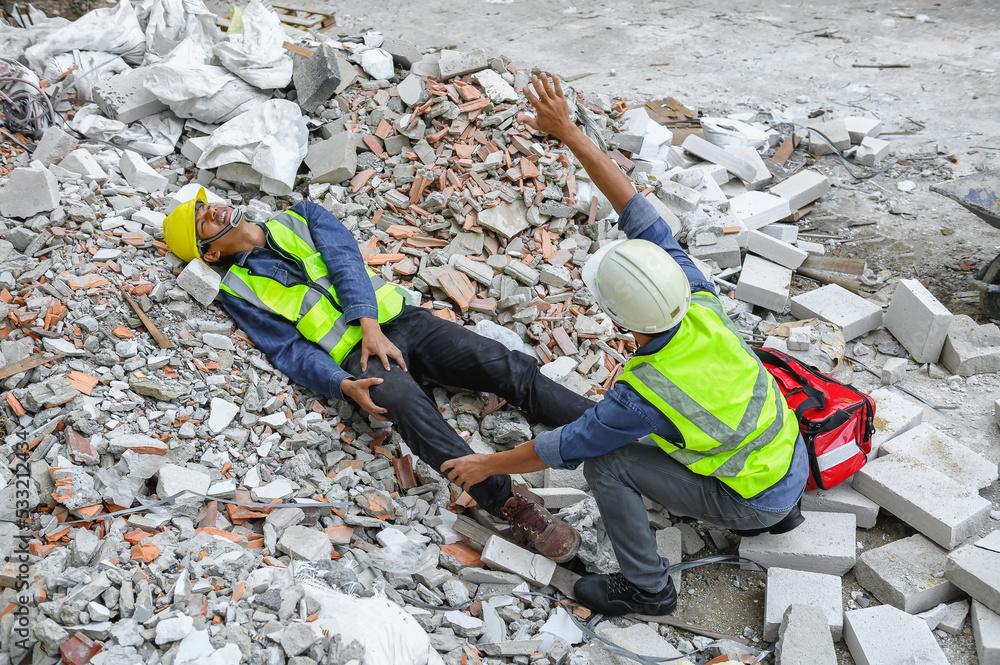
Tragedy struck on Friday, June 12, when a construction worker died after becoming trapped under a mound of earth during excavation work at a construction site in Mawdiangdiang, just outside Shillong. This construction worker death highlights the inherent risks faced by laborers in the industry, particularly during excavation accidents where safety measures may be inadequate. As local officials reported, emergency responders from the State Disaster Response Force (SDRF) were dispatched to the scene to conduct a rescue operation, reflecting the urgent need for improved worker safety protocols on construction sites. Despite their best efforts, it took nearly an hour to locate and recover the laborer, emphasizing the critical importance of immediate response in such tragic construction site incidents. As authorities investigate the circumstances surrounding this unfortunate event, the community remains shaken by the loss and concerned about future safety in Shillong.
In what can be described as a devastating accident at a job site, a laborer lost their life following an unfortunate incident involving a collapse during digging activities in Mawdiangdiang. Such fatalities at construction sites, often resulting from insufficient safeguarding measures, are poignant reminders of the hazards that workers face daily, particularly during excavation projects. The tragic event elicited a swift response from the local emergency services, demonstrating a commitment to worker safety amidst rising concerns about construction-related hazards in the region. As the community grapples with the implications of this construction worker fatality, discussions on enhancing safety practices and training for laborers become increasingly urgent. Understanding the risks associated with construction activities and implementing effective strategies can help prevent similar incidents in the future.
Tragic Construction Worker Death in Shillong
A tragic incident unfolded on June 12 when a construction worker lost his life during excavation work at a site in Mawdiangdiang, near Shillong. The worker was trapped under a massive mound of earth, which collapsed unexpectedly, highlighting the persistent dangers associated with construction site activities. Such fatal incidents serve as a stark reminder of the inherent risks involved in excavation operations, making it crucial for construction companies to implement strict safety measures to protect their workers.
This unfortunate construction worker death has raised significant concerns among local authorities and the community about worker safety at construction sites. Reports indicate that the accident occurred while foundational work was being executed for a new building, prompting immediate response from the District Disaster Management Authority (DDMA) in East Khasi Hills. The State Disaster Response Force (SDRF) was dispatched to the scene, where they undertook a rescue operation, emphasizing the importance of preparedness and quick action during emergencies.
Importance of Worker Safety in Construction Sites
Worker safety is paramount in the construction industry, particularly in high-risk operations such as excavation. The tragic incident in Shillong serves as a wake-up call for construction firms to reevaluate their safety protocols and training programs. Ensuring that all employees are well-informed about potential hazards and equipped with appropriate safety gear can significantly reduce the likelihood of accidents. Regular safety drills and awareness programs can help instill a culture of safety that prioritizes the well-being of workers above all.
Moreover, construction sites are inherently dangerous environments, making it critical for project managers to conduct thorough risk assessments before commencing work. Implementing robust safety measures, such as using proper shoring techniques during excavation to prevent collapses, can save lives. The recent excavation accident in Shillong underlines the urgent need for strict adherence to safety regulations and the incorporation of advanced safety technologies in the industry, ensuring that construction workers can perform their tasks without fear of life-threatening incidents.
Community Response to Construction Site Incident
Following the excavation accident in Mawdiangdiang, the local community and authorities have expressed deep sorrow over the loss of life. The incident not only affects the family of the deceased worker but also raises alarm among residents about the safety practices employed at nearby construction sites. Community leaders are urging for stricter regulations and oversight to prevent similar tragedies from occurring in the future, highlighting the need for a collective approach towards enhancing safety standards in the construction sector.
The SDRF’s prompt response to the incident demonstrates the importance of having effective rescue operations in place at construction sites. Their ability to recover the trapped worker within an hour speaks to the training and readiness of emergency services. This incident has sparked discussions within the community regarding the availability of adequate safety measures and emergency response protocols on construction sites, further emphasizing the need for collaboration between construction companies, governmental agencies, and the community to ensure worker safety.
Local Authorities Investigate Cause of Collapse
In the wake of the fatal incident, local authorities are conducting a thorough investigation to ascertain the circumstances that led to the tragic collapse at the construction site. Understanding the cause of such mishaps is vital for improving safety regulations and preventing future accidents. Inspectors are scrutinizing the site and the practices that were in place during the excavation work, evaluating whether safety standards were adhered to or if any negligence on the part of the contractors contributed to this construction site incident.
The investigation seeks to gather testimonies from witnesses, including other workers present at the site during the time of the collapse. Gathering firsthand accounts can provide insight into safety lapses and project management failures that may have played a role in the tragedy. As authorities delve deeper into this unfortunate case, their findings could lead to critical changes in policies and procedures for construction site operations, ultimately enhancing worker safety regulations across the region.
Frequently Asked Questions
What are common causes of construction worker deaths during excavation accidents?
Construction worker deaths during excavation accidents often stem from unsafe work practices, inadequate safety measures, and poor site management. Common causes include trench collapses, equipment failures, and lack of proper worker safety protocols. Ensuring that workers are trained and that excavation sites are properly assessed for hazards can help reduce the risk of such incidents.
| Key Points |
|---|
| A construction worker died after being trapped under a mound of earth during excavation work. |
| The incident occurred on June 12 at a site in Mawdiangdiang, Shillong. |
| Excavation was being conducted for the foundation of a new building. |
| A rescue operation was launched by the State Disaster Response Force (SDRF) after being notified. |
| The laborer’s body was recovered approximately one hour later at around 4:10 p.m. |
| Identity of the deceased has not been confirmed as of late Friday evening. |
| The cause of the collapse remains undisclosed by the authorities. |
Summary
The tragic death of a construction worker serves as a stark reminder of the dangers inherent in construction sites, specifically during excavation activities. The incident, occurring on June 12 in Mawdiangdiang, highlights the critical need for strict safety protocols and vigilant oversight in excavation work to prevent such fatal occurrences. While the precise circumstances leading to the collapse of the mound of earth are still unclear, the urgency of ensuring worker safety is underscored by this unfortunate event. As investigations proceed, it is vital that construction companies prioritize safety measures to protect their workers and prevent future construction worker deaths.



























