

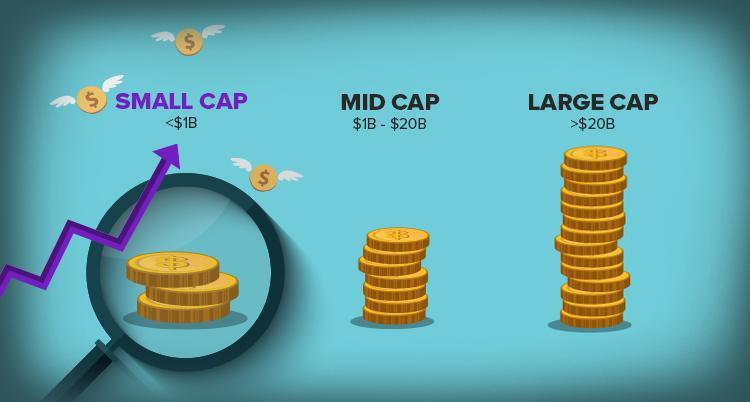
The Nifty Small Cap 250 Index Fund is poised to attract the attention of astute investors as its New Fund Offer (NFO) comes to a close this Tuesday. Dedicated to the 250 smaller companies trailing the major market players, this fund presents a remarkable opportunity for those keen on small cap investments. Investors looking to capitalize on the growth potential of these dynamic firms must also be aware of the inherent risk of small cap stocks, particularly during volatile market conditions. Understanding the distinctive index fund characteristics is crucial for devising a successful investment strategy in this sector. As you consider investing in small caps, remember that thorough analysis can pave the way for fruitful financial outcomes.
The Nifty Small Cap 250 Index Fund provides a gateway for investors eager to delve into the world of smaller businesses that show significant growth prospects. Known colloquially as a small cap ETF, this investment vehicle allows individuals to tap into emerging companies that are often overlooked by mainstream investment strategies. While pursuing opportunities within this sector can yield impressive returns, it also comes with a pronounced risk associated with fluctuating market dynamics. Grasping the nuances of this index fund, including essential features related to cost-effectiveness and performance tracking, will empower investors to make informed decisions. As the investment landscape continues to evolve, now is an opportune moment to engage with small cap equities strategically.
Understanding the Nifty Small Cap 250 Index Fund
The Nifty Small Cap 250 Index Fund is designed to offer investors exposure to the growth potential of smaller companies in the market. This fund includes 250 companies that fall below the top-tier market giants, representing a diverse spectrum of growth opportunities across various sectors. As these companies often find themselves at the forefront of innovation and sectoral growth, investing in this index fund could potentially lead to significant returns in the long run.
However, it is essential to recognize that with the potential for higher returns comes an associated risk. Small-cap stocks are known for their volatility; investors might experience wild price fluctuations within short timeframes. Hence, understanding the performance characteristics of the Nifty Small Cap 250 Index Fund is crucial for making an informed investment decision. By closely monitoring market trends and being prepared for sharp market moves, investors can better navigate the inherent risks of small-cap investments.
Comparing Small Cap Investment Options: ETFs vs. Active Funds
When exploring small-cap investment options, two popular choices arise: Small Cap Exchange Traded Funds (ETFs) and active small-cap funds. The Nifty Small Cap 250 Index Fund, for instance, typifies an ETF that offers a low expense ratio compared to active funds. Investors looking to maximize their returns while minimizing costs often prefer ETFs, as they closely track the performance of the underlying index and generally have lower management fees.
In contrast, active small-cap funds aim to outperform the market, potentially providing tailored investment strategies that lean on a fund manager’s expertise. However, this approach comes with its own set of challenges, including higher fees, which can eat into the overall returns. Weighing these options carefully is critical for investors, as selecting between a passive investment track like the Nifty Small Cap 250 Index Fund and a more hands-on approach can significantly influence portfolio performance over time.
The Risks of Investing in Small Cap Stocks
Investing in small-cap stocks carries inherent risks that investors must manage effectively. One significant risk is market volatility; small-cap stocks are typically more susceptible to market swings, making them a rollercoaster for investors. Historical data shows that small caps can drop more than 40% within a single year during bearish market conditions. Thus, it is essential for investors to maintain a clear understanding of their risk tolerance when delving into small-cap investments.
Another crucial aspect to consider is the concept of tracking error, which quantifies how closely a fund follows its benchmark index. A low tracking error indicates that the fund performs in alignment with the index, making it a reliable option for passive investors. A competent investor should carefully evaluate these factors, ensuring that they are not just chasing potential high returns but also taking into account the corresponding risks involved in small-cap investments and adequately preparing for them.
The Importance of Systematic Investment Plans (SIPs)
To mitigate risks associated with small-cap investments, employing a Systematic Investment Plan (SIP) can be a prudent strategy. Rather than investing a significant sum all at once, a SIP allows investors to spread their investments over time, ultimately reducing the average cost per share. This disciplined approach can decrease the chance of making poor investment decisions due to market timing and enhance the potential for gains over the long term.
SIPs are particularly advantageous in volatile markets, as they enable investors to buy more shares when prices are low and fewer when they are high. This practice, known as rupee-cost averaging, helps in cushioning the impact of market fluctuations on the overall investment portfolio. For those considering the Nifty Small Cap 250 Index Fund, incorporating a SIP strategy may provide a more balanced and less stressful investment experience.
Long-Term Growth with Small Cap 250 ETFs
Investing in small-cap ETFs like the Nifty Small Cap 250 Index Fund is often viewed as a smart way to access the growth potential of emerging companies. To maximize benefits, investors are encouraged to adopt a long-term perspective, ideally holding onto their investments for at least seven years. This timeline allows investors to ride out the inevitable market dips while reaping the rewards of a recovery.
The rationale behind this strategy is that small-cap stocks tend to outperform larger ones over extended periods. Historical evidence suggests that patience and time can lead to compounding growth, significantly benefiting those who stay committed to their small-cap ETF investments. Long-term holding allows investors to weather the volatility and ultimately achieve financial goals through disciplined investing.
Key Characteristics of Nifty Small Cap 250 Index Fund
The Nifty Small Cap 250 Index Fund exemplifies the characteristics deemed effective for investors looking for growth opportunities in smaller companies. Investors are drawn to index funds due to their transparent tracking of market performance, low expense ratios, and broad diversification. These characteristics stand in sharp contrast to actively managed funds, where high fees can erode potential returns.
Moreover, index funds like the Nifty Small Cap 250 allow investors to access a wide array of small-cap stocks without needing to select individual stocks. This passive investment approach minimizes the risk associated with stock selection while still capitalizing on the growth potential of the small-cap sector. As a result, the fund serves as an attractive option for those looking to diversify their portfolios while participating in the small-cap market.
The Role of Small Cap Stocks in Your Portfolio
Incorporating small-cap stocks into an investment portfolio can enhance overall returns by adding a layer of diversity and growth potential. As these companies often innovate and expand rapidly, they can drive impressive returns compared to their larger counterparts. However, it’s essential to balance small-cap exposure to align with one’s overall investment strategy and risk tolerance.
Experts suggest limiting small-cap investments to around 15% of the total portfolio to maintain a healthy balance and reduce exposure to volatility. Aligning small-cap investment with broader portfolio strategies ensures better asset protection during market fluctuations while still allowing for growth opportunities through vehicles like the Nifty Small Cap 250 Index Fund.
Navigating Market Fluctuations in Small Cap Investments
Investors in small-cap funds must develop strategies to navigate market fluctuations effectively. Small-cap stocks are notoriously reactive to economic changes and market sentiments, requiring vigilant monitoring and strategic planning. Stay informed about economic indicators and market trends that can impact small-cap performance, enabling timely adjustments in your investment strategy.
Additionally, the use of tools like market analysis and performance metrics can assist investors in making informed decisions. Understanding the volatility associated with small-cap indices can better prepare investors to act proactively, whether by increasing their small-cap exposure during downturns or reallocating capital when the market recovers.
The Future of Investing in Small Caps
The future of investing in small caps holds tremendous potential for both new and seasoned investors. With advancements in technology and data analysis, identifying promising small-cap stocks will become increasingly accessible, allowing for strategic investment decisions. The Nifty Small Cap 250 Index Fund represents an entry point for investors looking to capitalize on market growth without excessive risk stemming from individual stock selection.
As the Indian economy continues to evolve, markets will present fresh avenues for small-cap investments. Staying abreast of market trends and the dynamics of small-cap sectors will empower investors to leverage growth opportunities responsibly. By adopting long-term strategies and utilizing diversified funds like the Nifty Small Cap 250 Index Fund, investors can set themselves up for sustained financial success.
Frequently Asked Questions
What is the Nifty Small Cap 250 Index Fund and who should consider investing in it?
The Nifty Small Cap 250 Index Fund is designed to track the performance of the 250 smallest companies listed on the National Stock Exchange of India. It is ideal for investors looking for exposure to fast-growing small-cap businesses. If you’re willing to take on the higher risk associated with small-cap stocks and are seeking long-term growth, this fund could be a good fit.
What are the main characteristics of the Nifty Small Cap 250 Index Fund compared to active small cap funds?
The Nifty Small Cap 250 Index Fund typically features a low expense ratio (between 0.10% to 0.30%) compared to active small cap funds which can charge between 0.60% to 2.20%. While the index fund aims to replicate index returns without any alpha potential, active funds focus on stock selection, offering the possibility of higher returns based on the fund manager’s skill.
What risks are associated with investing in the Nifty Small Cap 250 Index Fund?
Investing in the Nifty Small Cap 250 Index Fund carries inherent risks, primarily due to market fluctuations. Small-cap stocks can experience significant price volatility, including drops of more than 40% in a single year. Therefore, it’s vital to understand the risk involved and the concept of ‘tracking error’—the measure of how accurately the fund follows its benchmark index before investing.
How can I mitigate risks when investing in the Nifty Small Cap 250 Index Fund?
To mitigate risks while investing in the Nifty Small Cap 250 Index Fund, consider implementing a Systematic Investment Plan (SIP). This approach allows you to invest smaller amounts over time, reducing the risk of market timing errors. Additionally, limit small-cap investments to no more than 15% of your total portfolio to safeguard your assets against unexpected market downturns.
What strategies should I adopt for successful investment in the Nifty Small Cap 250 Index Fund?
For successful investment in the Nifty Small Cap 250 Index Fund, maintain a long-term perspective, ideally continuing your investment for at least seven years. This approach allows you to ride out market fluctuations and optimize returns. Additionally, ensure regular review of the fund’s performance and consider the tracking error to gauge accuracy in following the index.
Why is investing in small cap stocks considered a good opportunity?
Investing in small cap stocks, such as those in the Nifty Small Cap 250 Index Fund, presents opportunities for significant growth. These stocks often represent emerging companies with high growth potential not yet captured by larger firms. However, investors should be aware of the accompanying higher risks and volatility often found in the small-cap segment.
| Feature | Small Cap 250 ETF | Active Small Cap Fund |
|---|---|---|
| Expense Ratio | Low (0.10% to 0.30%) | High (0.60% to 2.20%) |
| Alpha Potential | None (Only Index Returns) | High (Based on Stock Selection) |
| Risk Type | Market Fluctuation | Fund Manager Skill |
Summary
The Nifty Small Cap 250 Index Fund presents a unique opportunity for investors looking to tap into the potential of rapidly growing small-sized companies in the Indian market. As it approaches the NFO closure this Tuesday, it’s essential to weigh the associated risks against its cost-effective nature compared to active funds. Investors are advised to employ strategies like SIP to mitigate risks and enhance potential returns in the long run. Choosing the right investment path in small-cap equities can lead to fruitful financial outcomes if approached with patience and a clear understanding of the market dynamics.



























