

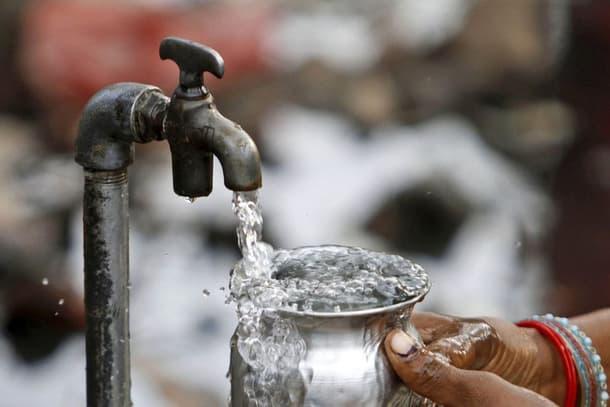
Rural tap water access is undergoing a remarkable transformation in Uttar Pradesh, as the Jal Jeevan Mission steadily progresses towards its ambitious goals. This initiative has successfully delivered functional household tap connections (FHTCs) to over 12 million rural homes, achieving an impressive coverage rate of nearly 90%. The mission is pivotal in advancing the ‘Har Ghar Jal’ vision, which envisions piped water reaching every rural household by 2024. As part of this scheme, innovative water supply schemes in villages have been introduced, particularly benefiting the Terai region and eastern Uttar Pradesh. This shift towards reliable tap water not only improves health and sanitation but also empowers rural communities in their daily lives.
Access to safe and clean drinking water in rural areas is crucial for community health and development. In Uttar Pradesh, the ongoing efforts under the Jal Jeevan Mission exemplify how strategic water supply initiatives can reshape rural life. By establishing functional household tap connections across countless villages, the region is witnessing a significant improvement in water accessibility. This initiative unfolds as part of a larger campaign aimed at ensuring every rural home receives piped water, enhancing overall water management practices. With projects like these, the vision of universal water access continues to move closer to reality.
The Impact of Jal Jeevan Mission on Rural Water Supply
The Jal Jeevan Mission (JJM) has significantly transformed the landscape of rural water supply in Uttar Pradesh. By providing functional household tap connections (FHTCs) to over 12 million rural homes, the initiative has ensured that clean and potable water reaches the doorsteps of countless families. This ambitious project is crucial as it addresses the pressing need for reliable water supply, which is fundamental to health, sanitation, and quality of life in rural communities. As part of the mission, multi-village water supply schemes have been implemented, allowing multiple villages to share water resources efficiently, thus enhancing accessibility.
Moreover, the Jal Jeevan Mission not only aims for 100% tap water accessibility by its 2024 deadline but also emphasizes the importance of sustainable water management practices. This comprehensive approach includes community participation and the establishment of local water governance structures that promote accountability and ensure that water is managed effectively. The mission aligns with broader goals under the ‘Har Ghar Jal’ initiative, reinforcing the commitment of the Indian government to making clean water universally available.
Rural Tap Water Access and Its Challenges
Despite the substantial progress achieved under the Jal Jeevan Mission, several challenges remain in ensuring consistent and equitable rural tap water access across Uttar Pradesh. While reaching nearly 90 percent coverage is commendable, infrastructural limitations and regional disparities often hinder the effective distribution of tap water. For instance, areas in the Terai region have seen faster improvements due to more favorable geography and infrastructural support, while other regions may still lack the necessary facilities and resources, leading to unequal access among villages.
Additionally, maintenance and sustainability of the water supply systems pose ongoing challenges. Many villages rely on centralized water supply systems, but inconsistencies in water quality and quantity can lead to community dissatisfaction. Therefore, the Jal Jeevan Mission must also focus on local empowerment, ensuring that village committees are trained to manage systems effectively and can respond to issues as they arise. This not only promotes accountability but also encourages the sustainable usage of water resources, safeguarding the success of rural tap water initiatives.
Functional Household Tap Connections in Uttar Pradesh
Functional household tap connections (FHTCs) have been a game-changer for rural households in Uttar Pradesh under the Jal Jeevan Mission. The installation of FHTCs means that families no longer have to rely on distant and often contaminated sources of water, which can pose health risks and consume valuable time. By bringing tap water directly to homes, the mission supports better hygiene practices and promotes overall well-being. The reach and utility of FHTCs are particularly beneficial for women and children, who often bear the burden of collecting water from far-off sources.
These functional connections also encourage the responsible use of water as households gain a better understanding of its availability. With the implementation of FHTCs, communities are prompted to appreciate the value of water and take proactive measures in conserving it. Regular community awareness programs form a part of this initiative, educating residents about the significance of maintaining quality and sustainability in their water management practices. Thus, FHTCs play a crucial role in both enhancing accessibility and fostering a culture of water stewardship among rural populations.
Enhancing Water Supply Schemes in Villages
Water supply schemes in villages have undergone significant enhancements due to the Jal Jeevan Mission, making great strides toward providing reliable piped water connections. The integration of multi-village water supply systems has been particularly important in efficiently distributing water, allowing clusters of villages to share treatment facilities and pumping units. This collaborative approach not only maximizes resource utilization but also ensures that even the most remote villages receive the necessary infrastructure to maintain consistent water supply.
These improved water supply schemes are supported by comprehensive planning and execution undertaken by local governments with support from the Ministry of Jal Shakti. Innovations such as real-time monitoring systems and community feedback mechanisms have been introduced to ensure that water quality and quantity meet the set standards. As a result, residents benefit from cleaner, treated water that significantly improves their quality of life. Such advancements in rural water supply schemes are a testament to the dedication behind the Jal Jeevan Mission’s goals to achieve ‘Har Ghar Jal’ by 2024.
Challenges Ahead for Rural Water Accessibility
Although the Jal Jeevan Mission has made significant inroads into providing tap water accessibility in rural Uttar Pradesh, several challenges persist. One of the most pressing issues is maintaining the infrastructure that delivers this essential resource. Infrastructure degradation, particularly in regions that experience heavy rainfall or have challenging geological conditions, affects the reliability of water supply to households. Local authorities face the task of ensuring that these systems are regularly maintained and upgraded as necessary.
Furthermore, climatic variability and seasonal droughts can lead to fluctuations in water supply, impacting the consistency of tap water access. These challenges necessitate innovative approaches to water conservation and management, such as rainwater harvesting and the promotion of water-efficient practices among communities. Addressing these issues is critical to ensuring that the goals of the Jal Jeevan Mission are not only met but also sustainable in the long run.
Community Participation in Water Supply Management
The success of rural tap water access initiatives is closely linked to community participation and empowerment. Under the framework of the Jal Jeevan Mission, local communities are encouraged to take an active role in water management practices, fostering a sense of ownership and responsibility for their water resources. This participatory approach ensures that the needs and preferences of local residents inform the planning and implementation of water supply schemes, resulting in solutions that are tailored to their specific contexts.
Training community members to oversee local water supply systems enhances not only the effectiveness of the Jal Jeevan Mission but also instills pride and a greater appreciation for water conservation. When communities are involved in the decision-making processes, they are more likely to engage in responsible water usage and support maintenance efforts. Such grassroots involvement is essential for creating strong interventions that are both responsive to challenges and sustainable over time.
The Role of Technology in Enhancing Water Supply
Technological advancements have played a crucial role in enhancing water supply systems under the Jal Jeevan Mission. The use of modern technologies, such as Geographic Information Systems (GIS) for mapping and planning water infrastructure, has allowed for more efficient resource allocation and demand management in rural areas. This tech-driven approach ensures that the distribution of water supply schemes is optimized, addressing gaps in service delivery and improving the overall quality of water accessed by households.
Moreover, innovations such as mobile applications for monitoring water quality and availability empower residents by providing them with real-time data about their water supply. The ability to access immediate information has enhanced transparency and fosters community trust in local water authorities. Technology is not only streamlining operations but also reinforcing the commitment to ensure that every home benefits from the Jal Jeevan Mission’s initiatives, ultimately contributing to the overarching goal of ‘Har Ghar Jal’.
Equity in Water Access Across Rural Regions
Achieving equity in water access remains a significant challenge in the context of the Jal Jeevan Mission. Although over 12 million rural households in Uttar Pradesh have gained access to functional household tap connections, disparities still exist due to geographical and socio-economic factors. Certain regions, particularly those less accessible or with a lower socio-economic status, may experience delays in receiving adequate water supply services. Addressing these inequities is imperative for the mission to reach its goal of universal tap water access.
To tackle this issue, targeted interventions and support systems need to be developed that focus on the most vulnerable communities. These could include increasing investment in infrastructure development in underserved areas, implementing robust community engagement strategies, and enhancing cooperation between local governments and residents. It is crucial for the Jal Jeevan Mission to not only provide water but also ensure that all sections of society benefit equally from these initiatives, ultimately leading to improved health and well-being across rural Uttar Pradesh.
Sustainability Measures in Rural Water Supply
Sustainability measures are integral to the success of rural water supply schemes implemented under the Jal Jeevan Mission. Ensuring that communities can not only access clean water but also preserve it for the long term requires a comprehensive understanding of local environments and practices. Initiatives focusing on rainwater harvesting, groundwater recharge, and water conservation significantly contribute to sustainable water management. These methods encourage communities to utilize natural resources responsibly, thereby reinforcing the mission’s objectives.
Additionally, educational programs aimed at raising awareness about water conservation play a critical role in this sustainability effort. By fostering a culture of water stewardship, community members are equipped with the knowledge and skills necessary to manage their resources effectively. Continuous support and training ensure that sustainability measures are consistently implemented, making rural tap water access robust and reliable for generations to come.
Frequently Asked Questions
What is the Jal Jeevan Mission and how does it relate to rural tap water access?
The Jal Jeevan Mission (JJM) is a government initiative aimed at providing functional household tap connections (FHTCs) to every rural household in India, significantly improving rural tap water access. As JJM nears its 2024 goal of ‘Har Ghar Jal’, over 12 million rural homes in Uttar Pradesh have already benefited from this program, achieving nearly 90% coverage. The mission focuses on sustainable water supply schemes in villages, enhancing the quality of life in rural areas.
| Key Point | Details |
|---|---|
| Tap Water Access | 12 million rural households in Uttar Pradesh now have access to functional household tap connections (FHTCs). |
| Coverage Achieved | The coverage under the Jal Jeevan Mission (JJM) has reached nearly 90%. |
| Project Goals | The mission aims for ‘Har Ghar Jal’, providing piped water to every rural home by 2024. |
| Key Strategies | Multi-village water supply schemes have facilitated rapid progress, especially in Terai and eastern UP. |
Summary
Rural tap water access has significantly improved in Uttar Pradesh, with over 12 million rural households now receiving functional household tap connections. This achievement, under the Jal Jeevan Mission, highlights the state’s commitment to ensuring that every rural home has access to piped water by 2024. The implementation of multi-village water supply schemes has been a crucial factor in this rapid development, particularly benefitting the Terai region and eastern parts of the state. Overall, these efforts represent a substantial step forward in providing essential water resources to rural communities, enhancing living standards and public health.



























