

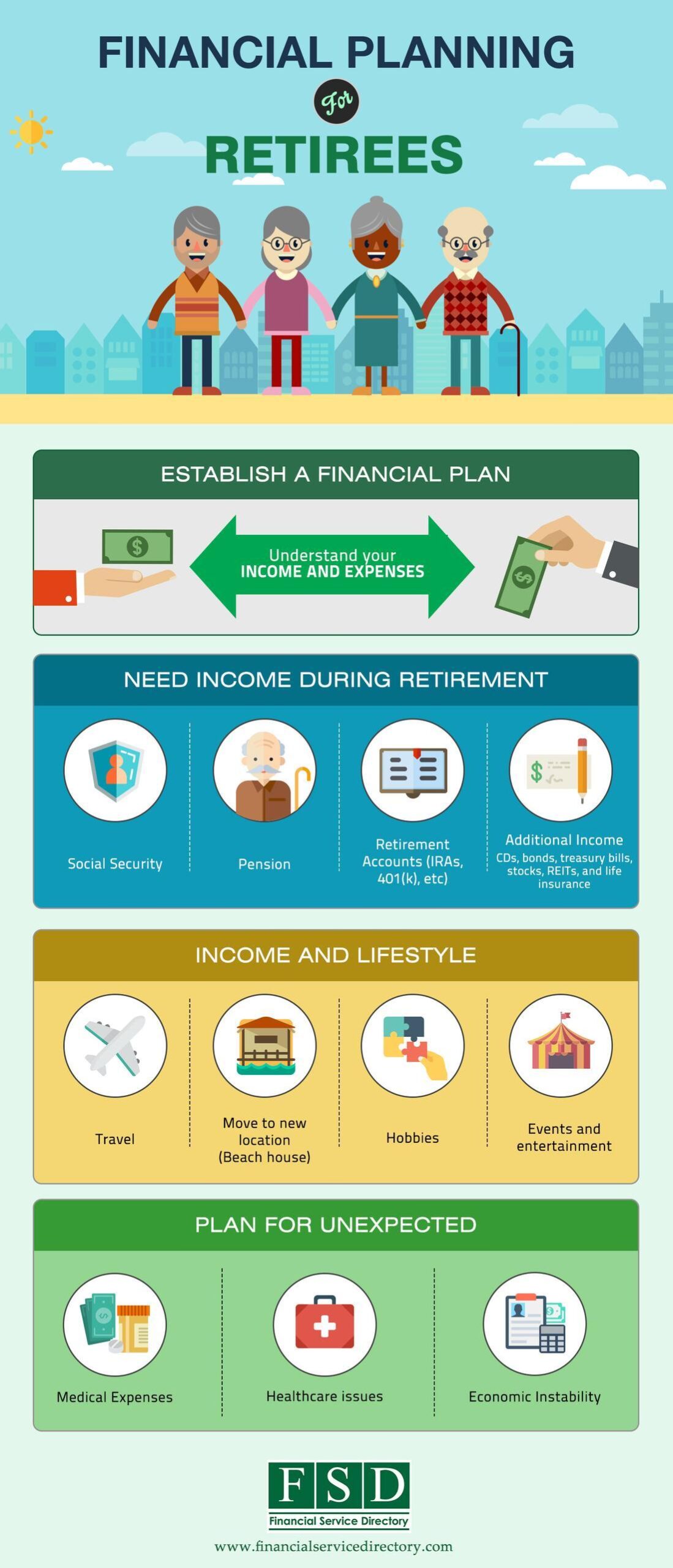
Investing Rs 50 lakh after retirement may seem like a straightforward task, yet it requires careful planning to ensure a steadier monthly income over the long haul. Many retirees find themselves grappling with the reality of transforming their lifetime savings into a sustainable financial strategy that can withstand economic fluctuations. The best investment options after retirement include a diverse mix that aligns with one’s financial goals while considering safety and growth. To achieve a comfortable lifestyle, effective financial planning for retirees is crucial to mitigate risks associated with inflation and rising living costs. Therefore, understanding retirement investment strategies is essential for making informed decisions that maximize monthly income after retirement.
When it comes to managing funds post-retirement, the challenge often lies in effectively utilizing a substantial corpus, like Rs 50 lakh. This investment decision can take on various forms including capital preservation, income generation, and inflation adjustment. One must explore the myriad of alternatives available for retirees to ensure financial stability and peace of mind. By examining retirement finance from multiple angles—such as cash flow, asset allocations, and risk management—individuals can make more robust choices about their future. Ultimately, the goal is to create a cohesive strategy that keeps retirement income not just adequate, but also adaptive to life’s unpredictable nature.
Understanding Retirement Investment Strategies
Retirement investment strategies are essential for anyone looking to secure their financial future after stepping down from their professional career. With uncertainties like inflation and unexpected expenses looming, it is crucial to have a diversified portfolio that accommodates regular income along with capital preservation. Many retirees opt for fixed deposits (FDs) for their perceived safety and guaranteed returns, but reliance solely on these might not be sufficient against the backdrop of rising costs. Including instruments like Senior Citizens Savings Scheme (SCSS) and mutual funds can enhance the overall stability and growth potential of a retirement portfolio.
Additionally, financial planning for retirees should not only focus on accumulation but also on distribution strategies. Deciding how to manage your retirement corpus effectively is vital in ensuring it lasts throughout one’s retirement years. Diversification across various asset classes like FDs, SCSS, and conservative mutual funds can minimize risks and maximize returns, transitioning from simple savings to a more comprehensive financial strategy.
Investing Rs 50 Lakh After Retirement: A Balanced Approach
When considering how to invest Rs 50 lakh after retirement, it is imperative to construct a balanced portfolio that factors in monthly income needs and inflation protection. A common approach many financial advisors recommend includes allocating portions of the corpus across different investment avenues—typically around 30% to SCSS for guaranteed returns, 25% to fixed deposits for liquidity, and the remaining balance to mutual funds for growth. This layered investment strategy helps ensure that retirees are not left solely dependent on one income source, reducing the risk of running out of funds.
It’s important to remember that each individual’s financial needs and risk tolerance will differ. Therefore, consulting with a financial planner to tweak the allocations according to personal circumstances and market conditions is advisable. By investing Rs 50 lakh thoughtfully, retirees can achieve a robust monthly income average of about Rs 20,000 to Rs 35,000, providing a stable foundation to meet essential living costs even as inflation looms.
Why FDs and SCSS Still Play a Vital Role
Fixed Deposits (FDs) and Senior Citizens Savings Scheme (SCSS) have long been cornerstones in retirement planning, primarily due to their safety and predictable payouts. FDs, known for their guaranteed returns, offer retirees peace of mind by ensuring a fixed income during times of volatility. SCSS adds to this security by providing government-backed returns, making them particularly appealing for retirees who prioritize stability over high-risk investments.
However, while these instruments are crucial, it’s vital to contextualize their role amidst the backdrop of rising inflation. A portfolio heavily weighted toward just FDs and SCSS may struggle to keep up with increasing living costs over time. Therefore, while they should undoubtedly be part of any retirement plan, it is necessary to also leverage other growth-oriented investments to maintain purchasing power.
Combatting Inflation: The Silent Retirement Risk
Inflation is often a silent threat to retirees, gradually eroding purchasing power and making it essential to factor in this reality during retirement planning. As medical costs, groceries, and other living expenses rise, fixed income sources may not adequately cover these increasing expenses. Hence, it becomes profoundly critical for retirees to construct a portfolio that not only ensures regular income but also protects against inflation.
In recognizing inflation as a significant risk, retirees should explore investment opportunities like equity mutual funds or inflation-indexed debentures. These options can provide the necessary growth potentials to outpace rising costs, ensuring that monthly income maintains its relevance over time. A well-thought-out investment strategy that includes inflation hedges is crucial to safeguarding a comfortable retirement.
The Role of Mutual Funds in Retirement Income Planning
Mutual funds can play a pivotal role in enhancing retirement income, especially in combating inflation’s effects. Unlike traditional saving instruments, mutual funds, particularly conservative hybrids, provide an opportunity for capital growth through limited equity exposure, all while maintaining a stable debt base. This blend allows retirees to enjoy a balance of security and growth that can better accommodate rising costs over time.
Moreover, mutual funds introduce flexibility into retirement investment strategies through systematic withdrawal plans. This not only assists in generating monthly income but also allows for retaining capital that has the potential to grow in an equity market. As retirees shape their financial plans, integrating mutual funds alongside FDs and SCSS becomes a strategic way to enhance financial wellness through sustained income.
How to Structure a Rs 50 Lakh Retirement Portfolio
A practical approach to structuring a Rs 50 lakh retirement portfolio involves carefully categorizing investments within specific layers. A typical structure might involve around 30% allocated to SCSS for reliable income generation, another 25% to FDs for liquidity, and about 30% in conservative mutual funds tailored for inflation protection. The remaining funds can be kept liquid for emergencies, ensuring that the retiree has easy access to cash when needed.
This layered structure illustrates that successful retirement investment isn’t simply about where to park a lump sum but acknowledging the interplay of various financial instruments. A balanced portfolio designed around regular income, capital protection, and inflation resilience can help retirees confidently navigate their post-retirement years while maintaining desired lifestyles amid financial uncertainties.
Estimating Monthly Income from a Rs 50 Lakh Corpus
A critical aspect for retirees is understanding how much monthly income a Rs 50 lakh corpus can generate, which can significantly influence their budgeting and planning. Depending on the investment structure, a retiree might draw an annual income estimate of approximately Rs 2.5 lakh at a conservative withdrawal rate of 5%. However, strategically investing this corpus through a diversified approach could enhance the monthly income substantially.
If structured correctly across varied instruments such as SCSS, fixed deposits, and mutual funds, it’s plausible to achieve an average monthly income ranging from Rs 25,000 to Rs 35,000. Such figures not only provide a buffer for regular expenses but also enable retirees to maintain a quality lifestyle without the fear of outliving their savings. Hence, when planning retirement, it’s crucial to have a realistic income projection to ensure financial well-being.
Emphasizing the Need for Diversification
Gone are the days when retirement planning was simply about saving and investing in fixed deposits. Nowadays, with rising costs and economic uncertainties, diversification has emerged as a fundamental component of creating a resilient retirement portfolio. A diversified approach mitigates risks associated with fluctuating interest rates and inflation—the dual threats that can jeopardize a fixed income strategy.
In essence, retirees must look beyond traditional investment vehicles. By combining different asset classes, including FDs, SCSS, various mutual funds, and even real estate, retirees can create a balanced portfolio that not only protects their principal but also generates adequate monthly income. This holistic approach ensures that income doesn’t just survive but evolves, adapting to changing economic conditions.
Balancing Comfort and Growth: The Real Objective of Retirement Investing
Ultimately, the objective of retirement investing is to create a system that delivers consistent income month after month, year after year, without the stress of depleting resources. The combination of reliable income sources such as FDs, SCSS, and inflation-resistant investments like mutual funds is the key to achieving this balance. Each investment plays a role in ensuring that the retiree’s lifestyle remains intact as they navigate through various phases of retirement.
Moreover, understanding that Rs 50 lakh is not just a financial milestone, but also a responsibility towards one’s future is crucial. A thoughtfully structured investment plan grows not only capital but ensures dignity and comfort throughout retirement. It’s this interconnectedness of income certainty and financial growth that enables retirees to enjoy their hard-earned years of rest and relaxation.
Frequently Asked Questions
What are the best investment options after retirement for Rs 50 lakh?
The best investment options for Rs 50 lakh after retirement include a diversified approach combining the Senior Citizen Savings Scheme (SCSS), fixed deposits (FDs), and mutual funds. SCSS provides guaranteed income, FDs offer predictable cash flow, and mutual funds can help safeguard against inflation, potentially increasing monthly income.
How can Rs 50 lakh be structured for monthly income after retirement?
For generating monthly income from Rs 50 lakh after retirement, it’s advisable to allocate approximately 30% in SCSS for guaranteed returns, 25% in fixed deposits for stable cash flow, and 30% in conservative hybrid mutual funds for inflation protection. The remaining amount can be kept in liquid funds for emergencies.
What are effective retirement investment strategies for a Rs 50 lakh corpus?
Effective retirement investment strategies for a Rs 50 lakh corpus involve diversification across multiple asset classes such as SCSS, FDs, and hybrid mutual funds. This blended strategy balances safety, income generation, and inflation protection, thereby helping maintain purchasing power over the years.
How to manage retirement corpus of Rs 50 lakh for lasting income?
To manage a retirement corpus of Rs 50 lakh for lasting income, create a diversified portfolio that includes about 30% in SCSS for regular income, 25% in fixed deposits for liquidity, and 30% in mutual funds to keep pace with inflation. This structure ensures both stability and growth.
What monthly income can Rs 50 lakh generate after retirement?
Depending on investment strategies, a Rs 50 lakh corpus can generate a monthly income ranging from Rs 20,000 to Rs 35,000. If well-structured with SCSS, FDs, and mutual funds, retirees could achieve an annual return between 7-8%, thus enhancing their monthly cash flow.
How does inflation affect investment options after retirement?
Inflation significantly impacts investment options after retirement by eroding the purchasing power of fixed returns. Therefore, it’s crucial to incorporate investments like mutual funds that provide growth potential alongside traditional options like SCSS and FDs to combat rising costs over time.
Why is diversification important in financial planning for retirees with Rs 50 lakh?
Diversification is vital in financial planning for retirees with Rs 50 lakh because it mitigates risks associated with relying on a single investment type. A mixed portfolio including SCSS, FDs, and mutual funds can enhance stability, regular income, and inflation protection, ensuring sustained financial health.
What role do mutual funds play in retirement investment strategies for Rs 50 lakh?
Mutual funds play a critical role in retirement investment strategies for Rs 50 lakh by providing the potential for higher returns and protecting against inflation. Incorporating mutual funds into a diversified portfolio helps ensure that monthly income keeps pace with the cost of living over time.
How can retirees ensure their Rs 50 lakh corpus lasts for years?
To ensure that a Rs 50 lakh corpus lasts for years, retirees should adopt a systematic withdrawal strategy while maintaining a balanced portfolio of SCSS, fixed deposits, bond funds, and liquid reserves. Regular assessments and adjustments in response to changing market conditions are also important.
What financial planning tips are essential for retirees with Rs 50 lakh?
Key financial planning tips for retirees with Rs 50 lakh include: diversifying investments across SCSS, FDs, and mutual funds; regularly rebalancing the portfolio to respond to market shifts; and focusing on generating steady income while safeguarding against inflation.
| Investment Option | Benefits | Considerations |
|---|---|---|
| Fixed Deposits (FDs) | Predictable returns, structured income | Inflation may erode value over time |
| Senior Citizens Savings Scheme (SCSS) | Government-backed, regular payouts | Limited growth potential |
| Mutual Funds | Higher potential returns, inflation buffer | Market risk, requires some knowledge |
| Liquid Funds | High liquidity for emergencies | Lower returns compared to other options |
Summary
Investing Rs 50 lakh after retirement is crucial for maintaining a stable income throughout your retirement years. By opting for a combination of Fixed Deposits, SCSS, and mutual funds, retirees can achieve a balance of security and growth. This diversified approach ensures that retirees are protected from inflation while also having a reliable source of monthly income. Ultimately, a well-structured investment strategy can allow for a comfortable lifestyle, safeguarding against the unexpected financial pressures that may arise in the later years of life.



























