

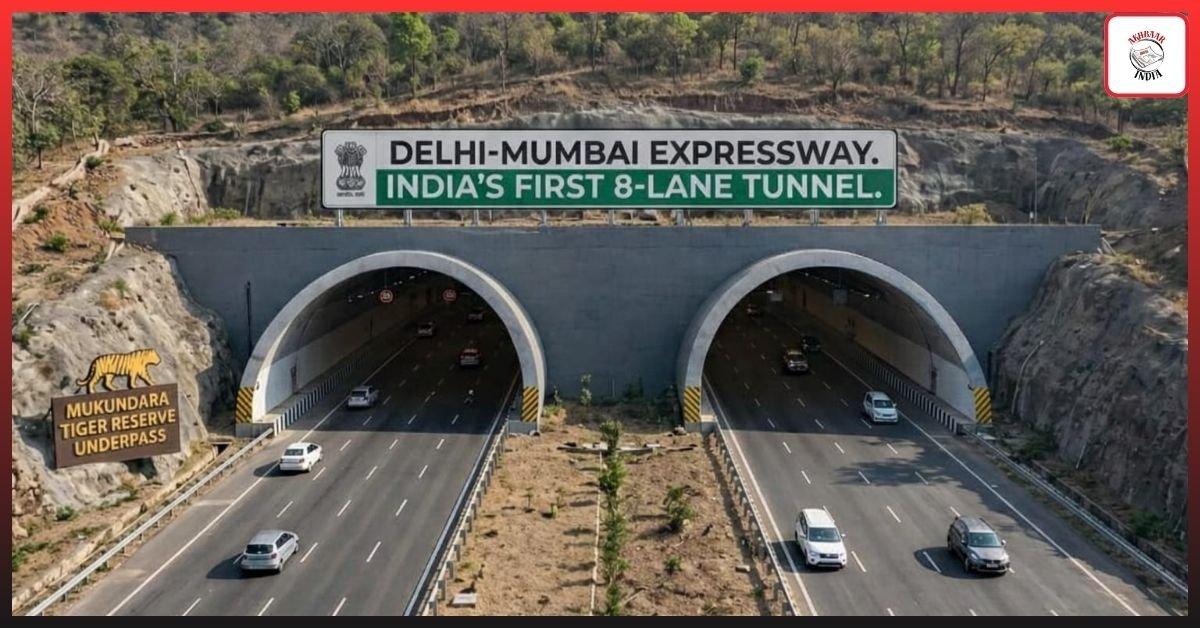
The Delhi-Mumbai Expressway tunnel marks a groundbreaking development in India’s road infrastructure, set to open on June 20, 2026. As the first 8-lane tunnel in India, this engineering marvel promises to transform road travel between Delhi and Mumbai into a more efficient and enjoyable experience. Nestled under the Mukundra Hills Tiger Reserve in Rajasthan, the tunnel not only facilitates smoother drives but also enhances tourism in the region. With recent Delhi Mumbai travel updates highlighting its significance, this construction addresses both convenience and ecological preservation. As an innovative solution to complex road construction challenges, the tunnel is a testament to modern engineering and conservation efforts.
Introducing a monumental addition to India’s highway system, the tunnel along the Delhi-Mumbai corridor represents a remarkable advancement in transportation technology. This expansive 8-lane underground passageway stands as a critical connection for road enthusiasts, significantly enhancing the travel experience between two of India’s major metropolises. Situated beneath the Mukundra Hills region, this engineering achievement not only eases traffic woes but also promises to bolster Rajasthan tourism by improving access to natural reserves. With key Delhi Mumbai travel updates awaiting the official opening, the anticipation surrounding this project is palpable. The construction of such an impressive roadway through the tiger reserve showcases the delicate balance between infrastructural growth and wildlife conservation.
The Opening of the Delhi-Mumbai Expressway Tunnel
On June 20, 2026, India will witness the inauguration of its first 8-lane tunnel, a pivotal component of the expansive Delhi-Mumbai expressway. This tunnel, which is uniquely positioned beneath the Mukundra Hills Tiger Reserve in Rajasthan, aims to revolutionize road travel between two of India’s most bustling cities. Featuring advanced engineering technologies, this infrastructure promises to accelerate travel times and enhance the overall experience for commuters and tourists alike.
The significance of this tunnel extends beyond mere transportation convenience; it embodies a blend of modern engineering with environmental stewardship. By opting for an underground route, engineers have successfully minimized the impact on the local wildlife and plant life, showcasing a commitment to conserving the important habitats in the tiger reserve. For travel enthusiasts, the forthcoming opening means more direct routes and the opportunity to experience the rich culture of Rajasthan while reducing the typical congestion associated with long-distance drives.
Enhancing Tourism in Rajasthan with Modern Infrastructure
The opening of the Delhi-Mumbai tunnel is set to act as a catalyst for Rajasthan tourism, bringing an influx of visitors drawn by the ease of road travel and the scenic beauty of the region. Travelers can look forward to exploring key tourist destinations linked by this expressway, from historic fort towns to the thriving cities of Jaipur and Udaipur. The integration of such a significant highway into the tourism landscape is likely to lead to a surge in local businesses and hospitality sectors, providing a much-needed economic boost.
Moreover, with the tunnel facilitating quick access to a myriad of attractions, Rajasthan’s unique offerings—from its architectural wonders to its delicious culinary scene—will be more accessible than ever. This newly constructed roadway will not only enhance the travel experience but also spotlight the importance of preserving Rajasthan’s cultural and natural heritage, ensuring that tourism growth aligns with conservation efforts.
Understanding the Engineering Marvel of the Mukundra Hills Tunnel
The Mukundra Hills tunnel is an extraordinary feat of road travel engineering, meticulously designed to navigate through one of India’s most ecologically sensitive areas. As the first 8-lane tunnel in India, it stands as a testament to the advancements in road construction technologies, ensuring that vehicles can travel safely and efficiently while maintaining environmental integrity. Equipped with cutting-edge safety systems and monitoring infrastructure, the tunnel promises a high standard of security for all users.
This ambitious project demonstrates how modern engineering practices can effectively address complex challenges, particularly those posed by constructing major infrastructures in wildlife habitats. Engineers faced the obvious difficulties of minimizing habitat disruption while maximizing the speed and efficiency of the new expressway, leading to innovative solutions that will benefit both travelers and the local ecosystem.
What Travelers Should Know About the Delhi-Mumbai Expressway
As the date approaches for the grand opening of the Delhi-Mumbai Expressway tunnel, travelers should consider several details to ensure a smooth journey. First and foremost, they will want to stay updated on the latest travel updates regarding road conditions, tolls, and potential traffic issues. With so many people eager to experience this new route, it would be prudent to plan your travels during off-peak hours to avoid congestion during the initial weeks post-opening.
Additionally, understanding the landscape along the expressway will enrich the travel experience. The route offers beautiful vistas and opportunities to explore Rajasthan’s cultural gems, like traditional artisan workshops and heritage sites. Travelers can strategically plan stops at picturesque locations, making the road trip not just a means to an end but a memorable adventure filled with exploration and discovery.
The Future of Long-Distance Road Travel in India
The completion of the Delhi-Mumbai Expressway tunnel symbolizes a transformative era in India’s long-distance road travel. With its 8-lane capacity, this expressway is poised to drastically reduce travel times and enhance accessibility between two major metropolitan areas. This infrastructure project exemplifies the government’s commitment to improving connectivity across the nation while investing in road travel that supports economic growth.
Moreover, as more of such tunnels and expressways are planned across India, travelers can look forward to a future where long-distance journeys become more enjoyable and efficient. The ongoing advancements in road travel engineering not only promise safer routes but also encourage tourism, contributing to the economic development of various states. The Delhi-Mumbai Expressway tunnel is set to be a gateway to the future of road travel in India.
Frequently Asked Questions
What are the expected benefits of the Delhi-Mumbai Expressway tunnel for travelers?
The Delhi-Mumbai Expressway tunnel, India’s first 8-lane tunnel, is anticipated to enhance travel convenience between Delhi and Mumbai by significantly reducing congestion and travel time. Set to open on June 20, 2026, this engineering marvel located under the Mukundra Hills Tiger Reserve will provide a smoother driving experience, making road trips more efficient and enjoyable. Moreover, it supports Rajasthan tourism by facilitating access to scenic attractions in the region.
| Key Point | Details |
|---|---|
| Tunnel Opening Date | June 20, 2026 |
| Tunnel Design | India’s first 8-lane tunnel under Rajasthan’s Mukundra Hills Tiger Reserve |
| Significance | Eases travel between Delhi and Mumbai, boosting convenience for road trips |
| Impact on Tourism | Likely to enhance Rajasthan tourism by providing easier access |
| Construction Challenges | Built to minimize environmental impact on the tiger reserve |
| Safety Features | Equipped with modern safety systems and monitoring infrastructure |
Summary
The Delhi-Mumbai Expressway tunnel, set to revolutionize travel between two of India’s largest cities, is an impressive engineering feat that promises to enhance road connectivity and reduce travel times significantly. This remarkable 8-lane tunnel, opening on June 20, 2026, is not only a testament to modern infrastructure but also a well-thought-out approach to preserving the environment, as it sits beneath the Mukundra Hills Tiger Reserve. By allowing seamless travel without disrupting the natural habitat, this project highlights India’s commitment to sustainable development in tourism and infrastructure.



























