In Tawang, a town steeped in history and situated in Arunachal Pradesh, an unexploded mortar shell from the 1962 era recently posed a significant threat until it was successfully defused by the Indian Army’s bomb disposal team. This live mortar bomb, discovered in the Lebrang area, highlights the lingering dangers posed by historical conflicts. Tawang SP Tasi Darang confirmed that upon receiving reports of the unexploded ordnance, swift action was taken to cordon off the area and ensure public safety. The army’s prompt response is a testament to their preparedness in handling such hazardous situations, drawing attention to the need for awareness regarding unexploded artifacts. Residents are urged to remain vigilant and report any suspicious objects to prevent potential disasters, reinforcing ongoing Tawang news coverage on safety and military efforts in the region.
In Tawang, the discovery of remnants from past conflicts, such as a live artillery fragment, underscores the ongoing challenges faced by local authorities and the military. This threat, identified as a mortar shell dating back to the early 1960s, necessitates expert intervention from dedicated bomb disposal teams. The diligent efforts of the Indian armed forces in managing these hazardous remnants exemplify a commitment to public safety and historical awareness. With unexploded munitions presenting significant risks to unsuspecting civilians, it is crucial for communities to be informed and proactive when encountering such dangerous relics. Therefore, initiatives to educate the populace about recognizing and reporting these potential threats are essential for ensuring the safety of Tawang’s residents.
The Importance of Properly Handling Unexploded Mortar Shells
Unexploded mortar shells are a significant concern in many regions of India, particularly in border areas like Tawang. The presence of these remnants from past conflicts poses a considerable risk to civilians and local infrastructure. As noted in recent Tawang news, the successful defusal of a 1962 era unexploded live mortar shell by the Indian Army’s bomb disposal team highlights the importance of specialized training and prompt action. Such operations not only ensure public safety but also illustrate the continuing vigilance of the India Army in addressing potential hazards like unexploded ordnance.
The bang of a bomb disposal team at work speaks to the critical nature of handling unexploded devices. Communities must remain aware of the dangers posed by live shells, which can remain dormant for decades before becoming a threat. It is paramount for residents to report any findings of unidentified or old munitions to the local authorities so that trained professionals can mitigate the risks associated with these explosive relics. Regular awareness campaigns can help inform the public about the proper steps to take when encountering these dangerous items.
Recent Operations by the Indian Army in Tawang
In a recent operation in Tawang, the Indian Army successfully defused a live mortar bomb, showcasing its commitment to maintaining safety in the region. The operation was initiated following a report from Tawang Police Station about an unexploded ordnance discovered in the Lebrang area. Coordinating effectively with local police, the army ensured that the surrounding area was secured, preventing potential risks associated with the unexploded shell. Such actions reflect the diligence and preparedness of the Indian Army in responding to explosive threats that may affect local communities.
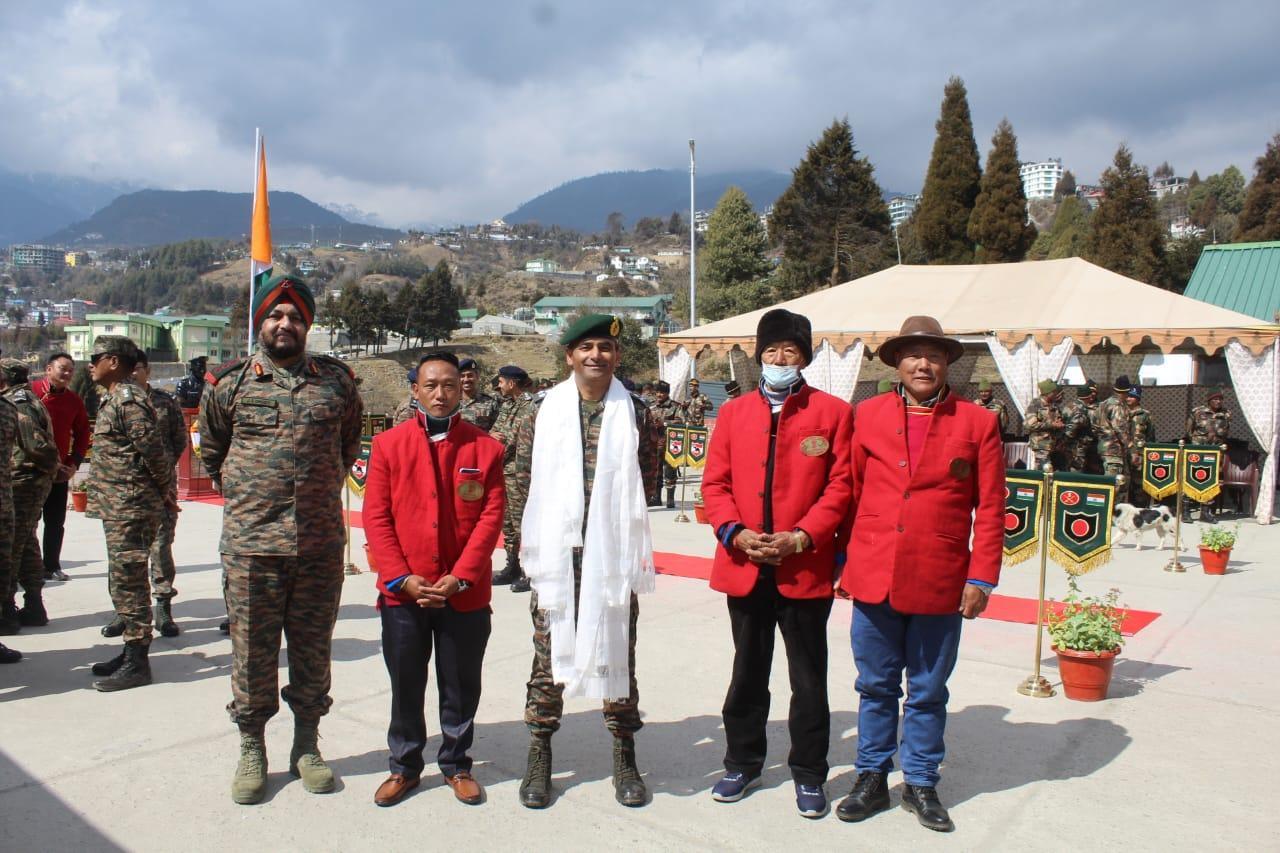
The bomb disposal team’s careful approach to relocating the unexploded mortar shell underscores the necessity of safety protocols in military operations. As they moved the shell to a controlled environment for defusal, high-ranking officials like Brig Bhupal Singh and Col N Vasantharaj witnessed the procedure, emphasizing the military’s meticulous attention to preserving public safety. This operation not only highlights the daily challenges faced by the Indian Army but also reassures residents that competent teams are in place to handle dangerous situations effectively.
The Impact of 1962 Era Mortar Shells in Arunachal Pradesh
The legacy of the 1962 era conflict still reverberates through Arunachal Pradesh, where unexploded mortar shells from that time continue to pose risks in various regions. As highlighted by Tawang SP Tasi Darang, these shells remain a hazard, sometimes found during routine activities by local residents. The presence of such antiquated munitions serves as a grim reminder of historical conflicts, necessitating ongoing awareness and educational outreach efforts to inform the public about the risks associated with these leftover explosives.
Efforts by the Indian Army to defuse these hazards through controlled operations is a crucial aspect of public safety. The frequent discoveries of these mortar shells in areas like Tawang underscore the need for constant vigilance and proactive measures. Local authorities, in collaboration with military personnel, encourage community engagement and prompt reporting when unexploded ordnance is found. Such partnerships are essential in reducing risks associated with these remnants of the past, making the region a safer place for residents.
Community Awareness and Safety Measures
Community awareness plays an essential role in ensuring the safety of residents in areas prone to unexploded ordinance. Following the recent incident in Tawang involving the defusion of a live mortar bomb, local authorities are actively promoting public education on how to recognize and report suspicious-looking shells or other explosive remnants. By maintaining open lines of communication with the public, the police can foster a sense of responsibility among citizens, encouraging them to report potential threats immediately.
Simple safety measures, like avoiding contact with unidentified objects and promptly alerting police, can significantly reduce the risk of accidents. The Tawang SP has called on the community to stay vigilant and informed, sharing guidelines on what to do if they come across unexploded ordnance. This collaboration is vital not just for the immediate safety of individuals but also for the broader security of the Tawang region, which has a history of such explosive discoveries.
The Role of the Bomb Disposal Team in Tawang
The bomb disposal team of the Indian Army serves a crucial role in ensuring the safety of civilians in Tawang and beyond. Tasked with neutralizing the risk posed by unexploded ordnance, their expertise and precision are vital in successfully handling potentially deadly situations. Each operation requiring the defusal of explosives involves meticulous planning, risk assessment, and execution, ensuring that the public is safeguarded from the dangers posed by items such as the 1962 era unexploded mortar shells.
Furthermore, the visibility of the bomb disposal team’s operations instills a sense of confidence in the local community. As seen in the recent successful defusal of the mortar shell, witnessing the military’s prompt and professional response to such threats reinforces the idea that trained professionals are always ready to protect against such dangers. The ongoing efforts of these teams are a testament to the dedication of the Indian Army in maintaining security and safety in sensitive regions.
Historical Context of Unexploded Munitions in India
Understanding the historical context of unexploded munitions in India is integral to grasping the complexities surrounding these dangerous relics. The legacy of conflicts, particularly the 1962 war, has left many regions, including Arunachal Pradesh, with hazardous remnants like unexploded mortar shells. These explosives serve as both physical hazards and historical markers, reminding us of the consequences of warfare that persists long after the conflict has ended.
Efforts by government and military agencies to clear these unexploded munitions are critical not only for current safety but also for advancing community development and local stability. The presence of unexploded shells can inhibit development projects and create fear among populations. Therefore, systematic bomb disposal operations are essential for revitalizing affected areas and fostering a sense of safety and normalcy in the community.
Legal Framework Surrounding Explosive Hazards
The legal framework governing the handling and disposal of explosive ordnance in India is designed to ensure public safety and mitigate risks associated with unexploded munitions. Laws and regulations guide military and civil authorities in conducting operations, like those seen recently in Tawang, where a bomb disposal team safely neutralized a 1962 era shell. This framework emphasizes the importance of accountability and thorough protocols in managing potential explosives.
Moreover, the laws stress collaboration between various stakeholders, including local law enforcement and military teams, to effectively address the challenges posed by unexploded ordnance. Continuous training on legal aspects and protocols surrounding bomb disposal is essential for responsive and responsible operations. The legal infrastructure not only fosters a conducive environment for public safety but also enhances community trust in institutional responses to explosive threats.
Future Initiatives for Explosive Ordnance Disposal
Looking forward, future initiatives for explosive ordnance disposal in India, particularly in regions like Tawang, should incorporate technological advancements and community engagement strategies. The integration of modern tools and techniques can enhance the efficiency and effectiveness of bomb disposal operations. Simultaneously, involving local populations in safety education initiatives can empower communities to participate actively in safeguarding their environment.
Establishing regular training workshops and awareness campaigns can help instill a culture of vigilance among residents. By educating local communities about the risks associated with unexploded munitions and the importance of reporting, stakeholders can create a more informed and proactive citizenry. These initiatives not only aim to address current threats but also work toward preventing future incidents involving unexploded ordnance.
The Role of Local Authorities in Managing Explosive Threats
Local authorities play a pivotal role in managing explosive threats and ensuring public safety in regions prone to unexploded munitions. Their collaboration with the Indian Army in handling recent incidents in Tawang, such as the successful defusal of a mortar shell, highlights their commitment to protecting residents. This partnership allows for rapid response and efficient management of hazardous situations, thereby reducing the risk posed by dangerous remnants of war.
Additionally, local authorities are instrumental in fostering awareness and educating the community about the protocols for reporting explosive hazards. By utilizing local media, including Tawang news outlets, they can disseminate crucial information on how to identify suspicious objects and the necessary steps to take upon discovery. The local government’s proactive stance enhances community resilience and cultivates a safer environment for all residents.
Frequently Asked Questions
What is an unexploded mortar shell and why is it dangerous?
An unexploded mortar shell is a type of artillery shell that did not detonate upon impact and remains live, posing a significant risk of accidental explosion. These shells, often originating from historical conflicts such as the 1962 Indo-China war, are highly explosive and can cause severe damage to surrounding areas if disturbed.
How does the bomb disposal team handle an unexploded mortar shell?
The bomb disposal team follows strict protocols to handle unexploded mortar shells. Upon receiving a report, they assess the situation, cordon off the area, and safely transport the shell to a secure location for controlled detonation, as was done recently in Tawang with a 1962 era unexploded shell.
What should I do if I find an unexploded mortar shell in Tawang?
If you encounter an unexploded mortar shell, do not approach it. Immediately notify the local authorities or the police, as they are trained to handle such situations. The Tawang Police encourage vigilant reporting to ensure public safety.
Why are unexploded shells from the 1962 era still found in Arunachal Pradesh?
Unexploded shells from the 1962 era are often found in border regions of Arunachal Pradesh due to the historic conflicts in the area. These remnants of war can remain buried or hidden for decades, posing dangers to local populations and necessitating ongoing bomb disposal efforts by teams like the Indian Army’s.
What recent incidents have occurred regarding unexploded mortar shells in Tawang?
Recently, a live mortar bomb from the 1962 era was discovered in Tawang and successfully defused by a bomb disposal team. This highlights the ongoing risks associated with unexploded shells in the region and the importance of swift communication to local authorities about such findings.
How does the Indian Army ensure public safety regarding unexploded mortar shells?
The Indian Army conducts regular operations to defuse unexploded mortar shells and actively works with local police to educate the public about the dangers. They urge citizens to report any sightings of unexploded shells to prevent accidents and enhance community safety.
What risks do live mortar bombs pose in areas like Tawang?
Live mortar bombs pose significant risks, including potential explosions that can cause injuries or fatalities, as well as property damage. Their presence in areas like Tawang, where unexploded shells are often found, highlights the need for caution and prompt reporting by residents.
How often does the bomb disposal team carry out operations in Tawang?
The bomb disposal team carries out operations as necessary based on reports of unexploded mortar shells, especially in regions like Tawang, which have a history of finding these dangerous remnants. Their proactive approach helps mitigate risks to local communities.
| Key Point | Details |
|---|---|
| Discovery of Mortar Shell | An unexploded live mortar shell from 1962 was found in the Lebrang area of Tawang. |
| Response by Authorities | Tawang Police Station OC informed the SP, leading to immediate actions by the police and Army’s bomb disposal unit. |
| Defusal Operation | The shell was moved to the Methang area and safely defused during a controlled operation. |
| Threat of Unexploded Shells | Mortar shells from 1962 can still be found in Arunachal Pradesh and are highly explosive hazards. |
| Public Advisory | The SP urged the public to report any sightings of unexploded munitions to avoid accidents. |
Summary
An unexploded mortar shell represents a significant danger in communities near former conflict zones. In Tawang, the recent discovery of a live 1962 mortar shell heightened awareness of the risks associated with unexploded ordnance. The timely actions of local authorities ensured the safe defusal of the shell, preventing potential disaster. Residents in border regions, particularly in areas like Arunachal Pradesh, should take extra precautions and report any similar findings to the authorities to enhance community safety.