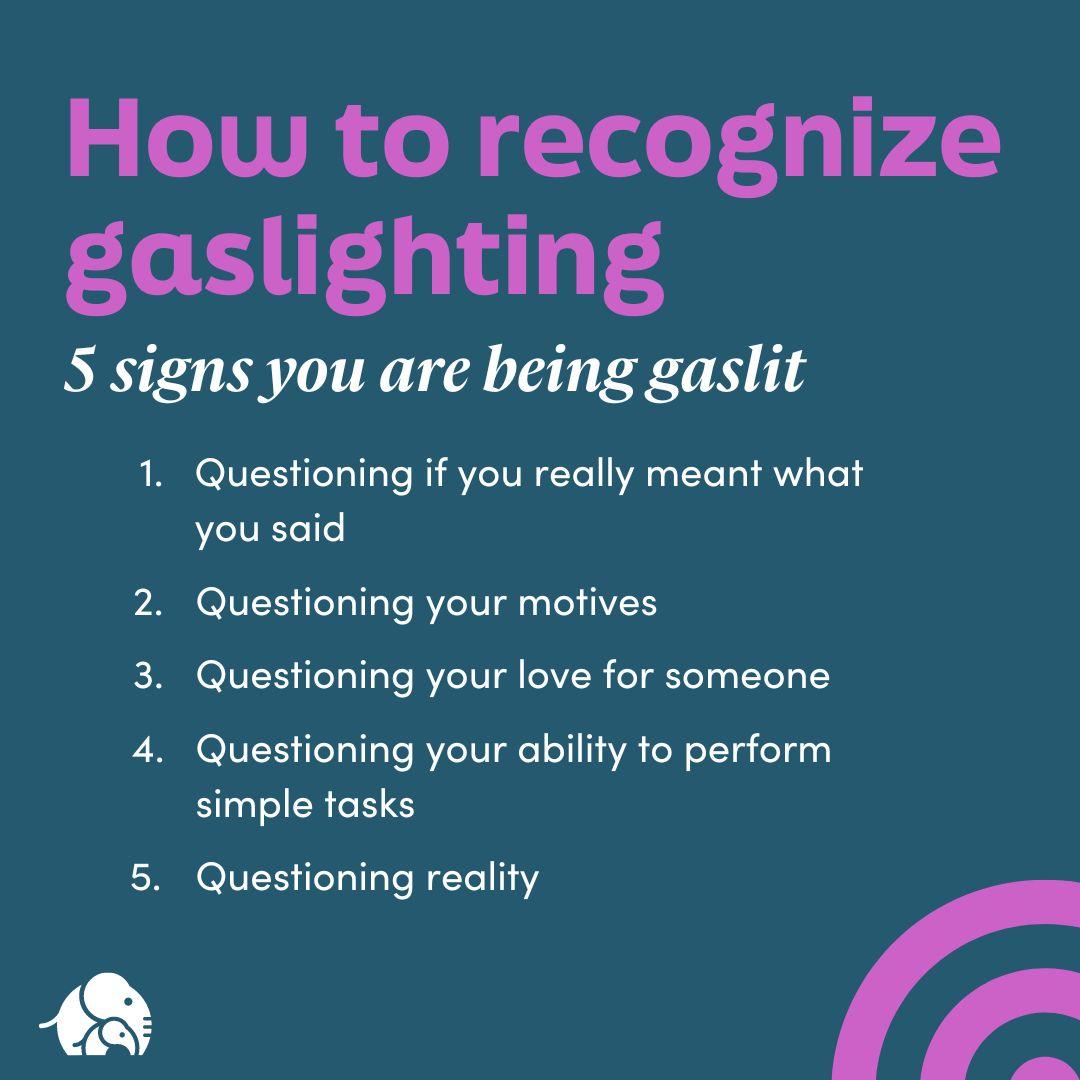
Gaslighting phrases are more than just words; they are powerful tools of psychological manipulation designed to undermine your self-esteem and perception of reality. These common manipulative phrases, such as “You’re overreacting” or “You’re too sensitive,” can leave lasting impacts on mental health and emotional well-being. Understanding how to recognize gaslighting is crucial in maintaining a strong sense of self. In today’s society, mental health awareness is ever more important, particularly in identifying unhealthy interactions that can occur in personal relationships. By learning gaslighting responses and asserting your feelings, you can reclaim your confidence and combat these damaging tactics.
The art of manipulation often finds expression through phrases that distort reality and undermine an individual’s feelings. These phrases, which can be described as dismissive or demeaning remarks, serve to create a sense of confusion and self-doubt in the recipient. Instead of confronting issues directly, manipulators will resort to tactics that belittle concerns and invoke feelings of inadequacy. To combat such behavior, it’s essential to develop a robust understanding of the phrases that commonly invoke these feelings, thereby fostering healthy communication and resilience. By approaching discussions with awareness, individuals can break free from the cycle of negative reinforcement and enhance their overall mental health.
Understanding Manipulative Behaviors: The Essence of Gaslighting
Gaslighting is a form of psychological manipulation that creates a pervasive sense of doubt in one’s own reality. This behavior is often subtle and insidious, making it difficult for individuals to recognize it when it occurs. The essence of gaslighting lies in its ability to distort perceptions, pushing victims to question their feelings, memories, and even their sanity. This technique is commonly employed by individuals seeking to dominate their partners, friends, or colleagues, by making them feel as though their reactions to certain situations are disproportionate or unjustified.
To effectively recognize gaslighting, it’s essential to understand the common phrases associated with this behavior. Phrases like “you’re overreacting” or “you’re too sensitive” are symptoms of a deeper manipulative pattern. These expressions serve to belittle your feelings and anxiety, making you question the validity of your emotions. Being aware of such phrases allows individuals to guard their mental health against manipulation, reinforcing the importance of mental health awareness in interpersonal relations.
Gaslighting Phrases: Recognizing Red Flags in Communication
Certain phrases can serve as clear indicators of the gaslighting dynamic. Statements such as “chill, it’s not a big deal” or “you need to toughen up” are used strategically to dismiss or belittle the person’s feelings. These common manipulative phrases not only invalidate your emotional responses but can perpetuate a cycle of self-doubt. It is crucial to recognize these verbal cues, as they create an environment where the manipulator can thrive by undermining your confidence.
Responding to gaslighting phrases effectively can help reclaim your sense of self. For example, instead of internalizing the dismissal when someone tells you to “calm down”, affirm your right to your feelings by stating, “What matters to me is valid, regardless of your opinion.” By choosing to respond assertively, you not only address the manipulation but also reinforce your emotional stability, thus maintaining a healthier mindset.
Coping Strategies: How to Respond to Gaslighting
Navigating through conversations laden with gaslighting requires strong coping strategies. When faced with manipulative remarks, responses such as, “I’m sensitive to disrespect” can shift the narrative back to the manipulator, prompting them to recognize the impact of their words. Establishing clear boundaries regarding emotional responses is critical, as it clarifies what is acceptable behavior and what isn’t, empowering individuals to stand firm against psychological manipulation.
Moreover, practicing self-affirmation in these situations fortifies your mental health. Responding with phrases that emphasize your right to feel, such as “I’m just paying careful attention to the behavior that is affecting me,” not only reinforces your emotional truth but also nurtures self-esteem. Engaging in reflective practices, such as journaling or discussing experiences with supportive friends or therapists, can further enhance your ability to manage gaslighting effectively.
Recognizing the Impact of Gaslighting on Mental Health
Gaslighting can have profound implications for mental health, often leading to anxiety, depression, and a distorted self-image. Victims may find themselves trapped in a cycle of confusion, doubting their interpretations of reality due to consistent undermining of their feelings. This form of psychological manipulation can erode the victim’s confidence over time, making them feel isolated and helpless. Enhancing mental health awareness about the effects of gaslighting is essential in empowering individuals to identify and confront such manipulative behavior.
As individuals become more aware of how gaslighting phrases affect their emotional well-being, they can begin to reclaim their narrative. Understanding that their feelings are valid regardless of external dismissals is an important step toward healing. Engaging in therapeutic practices or support groups that discuss common experiences with gaslighting can also contribute significantly to recovery and resilience against manipulative individuals, fostering a sense of community and understanding.
Empowering Yourself: Taking Action Against Gaslighting
Empowerment in the face of gaslighting starts with education and awareness. Intentionally learning about the signs of psychological manipulation can equip individuals with the tools necessary to confront such behaviors. By understanding the context and meaning behind common gaslighting phrases, individuals become more adept at recognizing when they are being manipulated. This proactive approach not only protects oneself from emotional harm, but it also cultivates a more assertive attitude in interactions with others.
Moreover, developing a supportive network of friends and family can enhance one’s strength against gaslighting techniques. Discussing experiences openly can demystify the feelings of isolation that often accompany manipulation. Additionally, practicing assertive communication can effectively deter the perpetuation of gaslighting dynamics. By stating clear reactions to manipulative comments, individuals assert their boundaries and create an environment that discourages further psychological manipulation.
Building Emotional Resilience Against Manipulation
Building emotional resilience is vital for anyone who may confront gaslighting. Understanding one’s own emotional landscape, including triggers and responses, allows for more effective management of interactions with potentially manipulative individuals. Techniques such as mindfulness and cognitive behavioral strategies can provide tools for managing emotional responses and maintaining a grounded sense of self in the face of external chaos sparked by gaslighting.
Furthermore, regularly engaging in self-care practices can bolster resilience against psychological manipulation. Whether through physical activities, artistic expression, or mindfulness techniques, nurturing one’s mental health contributes to an overall stronger self-image. When individuals view themselves as deserving of respect and validation, they are less likely to be swayed by invalidating gaslighting phrases, reinforcing their mental well-being.
The Role of Communication in Preventing Gaslighting
Effective communication is a critical element in preventing gaslighting and ensuring healthy relationships. Maintaining an open dialogue about feelings and experiences not only fosters mutual understanding but also diminishes the power of manipulative phrases. When discussing concerns openly, individuals can clarify misunderstandings before they escalate, creating an environment where gaslighting is less likely to take root.
Additionally, clear communication about boundaries makes it less acceptable for others to engage in gaslighting behaviors. By expressing what is considered respectful and what crosses the line, individuals can significantly decrease the chances of manipulation occurring. Assertive conversations that articulate feelings and set boundaries empower individuals to take control of their emotional health, thereby dismantling the groundwork for gaslighting.
Seeking Professional Help: A Vital Step in Addressing Gaslighting
Seeking professional help is a fundamental step for those affected by gaslighting. Therapists can provide insights into the patterns of psychological manipulation and help victims develop strategies for self-advocacy. Clinical professionals often employ evidence-based approaches to help individuals reclaim their narrative, providing essential support as they navigate the complexities of their experiences related to gaslighting.
Moreover, therapeutic settings foster a safe space where individuals can express their feelings without fear of dismissal. This validation plays a critical role in rebuilding self-esteem, which is often significantly undermined by gaslighting experiences. By engaging in therapy, individuals equip themselves with the tools necessary to combat future encounters with manipulators, solidifying their emotional resilience and mental health.
Creating Awareness: Gaslighting and Its Societal Implications
Creating awareness about gaslighting and its damaging effects is essential in promoting mental health awareness at a societal level. By educating communities about the manipulation techniques and the common phrases that signify such behavior, awareness can minimize the normalization of toxic interactions. This societal effort supports individuals as they navigate their relationships, fostering a culture that emphasizes respect and healthy communication.
Furthermore, addressing the prevalence of gaslighting in various contexts, including workplaces and relationships, establishes a platform for accountability and support. From workshops to public discussions, promoting awareness can empower individuals to recognize and challenge manipulative behaviors while helping those affected find the resources they require to heal and reclaim their agency.
Frequently Asked Questions
How can I recognize gaslighting in common phrases used in conversations?
Recognizing gaslighting involves identifying common manipulative phrases that invalidate your feelings or perceptions. Phrases like “You’re overreacting” or “Chill, it’s not a big deal” are often used to dismiss legitimate concerns, causing you to doubt your reality. When faced with such terms, remember that your feelings are valid. Acknowledging these statements and understanding their intent is key to maintaining your mental health and awareness.
| Gaslighting Phrase | Explanation | Suggested Response |
|---|---|---|
| You’re over-reacting | Used to invalidate your feelings and cover up disrespectful behavior. | “My reaction is proportional to what you said.” |
| Chill, it’s not a big deal | Diminishes your feelings and concerns. | “Big or small deal, I decide what matters to me.” |
| You’re too sensitive | Attempts to make you feel inadequate in handling conversations. | “I’m sensitive to disrespect.” |
| You’re taking it the wrong way | Shifts blame and makes you doubt your understanding. | “Am I? Maybe it’s because you’re behaving the wrong way.” |
| You’re reading too much into this | Deflects attention from their behavior and makes you feel delusional. | “No. I’m just paying careful attention.” |
| You need to toughen up | Makes you feel inadequate and weak. | “I’m tough enough to speak my mind honestly; perhaps you should try it.” |
Summary
Gaslighting phrases can significantly distort one’s perception of reality and feelings, leaving individuals questioning their own reactions. Understanding these common gaslighting phrases is crucial for promoting self-awareness and effective communication. Each phrase serves as a tactic to undermine a person’s confidence in their emotions and reactions. By recognizing these patterns and responding confidently, you can reclaim your narrative and emphasize the validity of your feelings. It’s essential to construct boundaries that protect your mental well-being. Ultimately, being aware of these manipulative phrases empowers individuals to stand firm in their truth and assert themselves against any form of emotional manipulation.