

The guilt of being a working mother is an emotional conflict that many modern moms face, a feeling that often creeps in as they balance job responsibilities with family life. As these women strive to meet societal expectations, they grapple with the challenges of working mothers, constantly questioning their choices and the moments they miss with their children. Conversations reveal a deep-seated fear: Are they doing enough at home while excelling at work? This guilt, often intertwined with anxiety, can be exacerbated by judgmental voices from family, friends, or even strangers. Yet, amidst the chaos, it’s essential for working mothers to find supportive communities that recognize this struggle, helping to alleviate some of the burdens associated with the guilt of being a working mother.
Navigating the complexities of motherhood and a career often leads to what many refer to as the “emotional turmoil of working mothers.” These challenges can weigh heavily on the hearts of women who find themselves torn between professional ambitions and their roles as nurturers. Juggling career aspirations with the heavy societal expectations placed on moms, many grapple with feelings of inadequacy and the need for support. It’s a common narrative among mothers today: the quest for balance that seems elusive at times, leading them to wrestle with their choices. Despite this emotional upheaval, it’s crucial to remember that working mothers are not alone in their journey and can find solace in shared experiences.
Understanding the Guilt of Being a Working Mother
Guilt, especially that of being a working mother, is a complex emotion that many women grapple with daily. This sentiment often stems from the societal expectations working moms face, which compel them to balance their professional responsibilities with their nurturing roles at home. Modern mothers frequently find themselves torn between their ambitions and the instinctual desire to be present for pivotal moments in their children’s lives. For many, this internal conflict is further magnified by the fear of missing out on milestones or not being able to provide the emotional support their children need. The immense pressure of juggling professional obligations with parenting can lead to a pervasive sense of inadequacy, as they worry whether they are fulfilling the expectations society has placed on them as mothers.
Moreover, the guilt intensifies when working moms compare themselves to others, perhaps even judging themselves through the lens of past generational patterns shown by their own mothers. The narrative of ‘the perfect mother’ often clouds their judgment, leading them to believe they are failing if they are not constantly available. This guilt can morph into emotional conflict, where a mother’s satisfaction with her career is overshadowed by feelings of remorse for not being there for her children. To combat this guilt, many mothers seek support from communities, both online and offline, where they can discuss their feelings openly and embrace the complexities of modern motherhood.
The emotional conflict that arises from working motherhood is further exacerbated by the judgments received from others. Many moms keenly feel the societal pressures, with well-meaning relatives or friends unintentionally spurring feelings of doubt by making comments about their absence. This can manifest as a challenging dichotomy; they love their careers and the fulfillment that comes with them, yet the constant undercurrent of guilt over not being entirely devoted to motherhood often lingers. It’s crucial for these mothers to acknowledge their emotions but also to understand that they are not alone in feeling this way.
Support from fellow working mothers can play a pivotal role in helping combat these feelings of guilt. By connecting with others who share similar experiences, they can validate each other’s decisions and create a formidable support network. This camaraderie not only eases the emotional conflict but also encourages mothers to embrace their dual identities as caregivers and professionals. Working mothers are paving the way for a generational change in perceptions about motherhood, emphasizing that they can be both present and ambitious.
Challenges Faced by Working Mothers in Modern Society
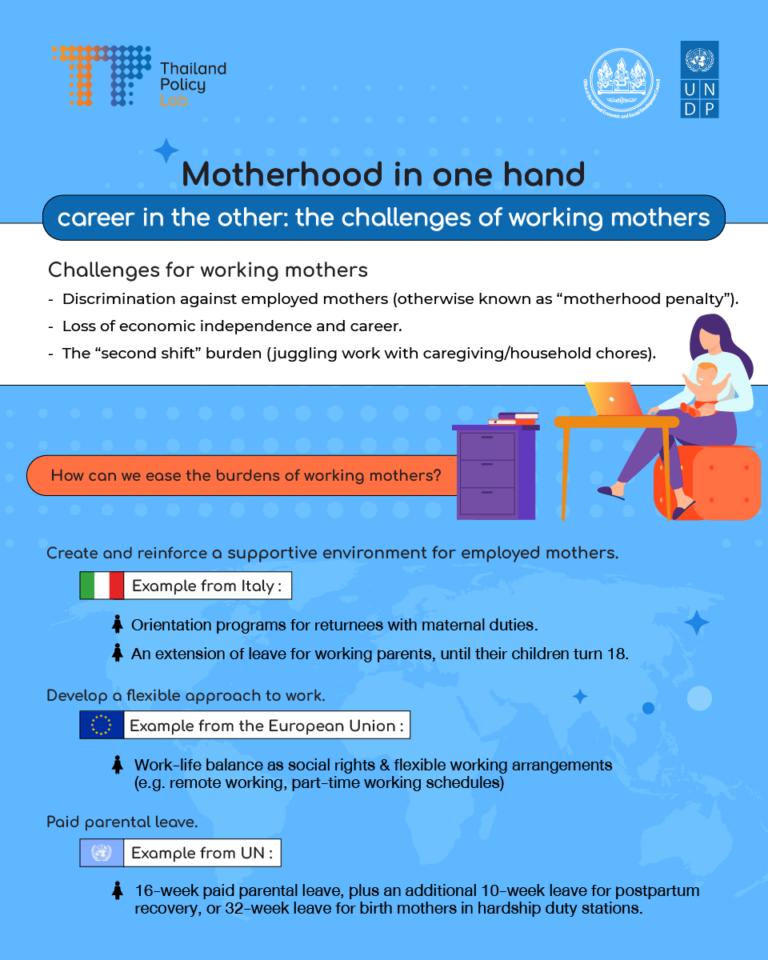
The challenges of working mothers today are multifaceted and deeply rooted in societal expectations. These women often find themselves in the relentless cycle of balancing work-life demands, which can range from meeting tight deadlines at the office to ensuring they are fully engaged during family time at home. The pursuit of career advancement while raising children can lead to significant stress and anxiety, especially as they navigate the subconscious evaluation of their parenting against societal norms. For instance, many mothers feel pressured to maintain an immaculate household and to involve themselves in their children’s extracurricular activities while also excelling in their jobs, creating a monumental sense of overwhelm.
Additionally, the notion of ‘supermom’ perpetuates unrealistic standards that make it challenging for working mothers to find peace with their choices. The emotional toll of these challenges can result in burnout, and without adequate support systems in place, many mothers struggle to handle the weight of their responsibilities. Whether it’s dealing with after-school arrangements or managing unexpected ill children, the unpredictability of motherhood adds to their challenges, making it essential for these women to establish boundaries and ask for help when needed.
Another significant hurdle faced by working mothers is the lack of flexible work arrangements available to them. Historically, most workplaces have adhered to rigid 9-to-5 schedules that do not accommodate the various demands of being a parent. This inflexibility can lead to frustration as mothers juggle their professional commitments with their children’s schedules. The emotional conflict arises when they have to choose between attending a critical meeting and their child’s school event, leaving them in a constant state of anxiety and guilt about their decisions. It’s vital for employers to acknowledge the realities of modern motherhood and foster an environment that respects the balance between work and family.
Creating a workplace culture that embraces the concept of flexible working hours or remote work opportunities can significantly alleviate these pressure points. When organizations recognize and implement support systems for working mothers, it not only boosts job satisfaction but also enhances productivity, as mothers feel more empowered and less guilty about their dual roles. In the long run, this cultural shift is essential for supporting the emotional well-being of working mothers.
The Importance of Support for Working Mothers
Support for working mothers is not just a luxury but a necessity in today’s world. Establishing a support system can significantly mitigate the feelings of guilt and emotional conflict that many working moms experience. Support can come in various forms – from family, friends, or professional networks – but it is essential for mothers to reach out and connect with others who understand their challenges. This network provides a space for mothers to share their experiences, fears, and triumphs, validating their emotions and reducing the isolation that can sometimes accompany their role.
Additionally, organizations and businesses can offer more substantial support by implementing policies that focus on the well-being of their employees. Initiatives such as mentorship programs for working mothers can create a sense of community and shared experience, making them feel empowered and understood. Furthermore, these supportive environments can lead to innovative ideas on work-life balance and pave the way for policies that ease the burden many mothers face, enhancing both personal satisfaction and workplace morale.
Furthermore, it is essential for society to shift its perception of working mothers by promoting dialogue and understanding of their unique struggles. Establishing platforms for discussion on issues such as working mom guilt or the emotional conflict faced by many can open doors to acknowledging these realities. When society supports mothers’ choices without judgment and recognizes their contributions both professionally and personally, it fosters an environment where working moms can thrive without guilt.
Moreover, such societal acceptance can empower women to be vocal about their needs, whether it’s advocating for more flexible working conditions or fostering conversations about mental health in workplaces. As working mothers collectively voice their challenges, they not only create awareness but also inspire the next generation of women to embrace their choices confidently, thus reshaping the narrative around working motherhood.
Frequently Asked Questions
What leads to the guilt of being a working mother?
The guilt of being a working mother often stems from emotional conflicts and societal expectations. Many mothers feel torn between their professional responsibilities and their desire to be present for their children. This internal struggle is intensified by judgments from society, which can create feelings of inadequacy. Moreover, the challenges of working mothers can include missing important milestones and the emotional burden of not being there for their kids, leading to deep-seated guilt. Understanding that these feelings are common can help mothers seek support and strategies to cope with working mom guilt effectively.
| Key Point | Description |
|---|---|
| Guilt as a Universal Experience | Many working mothers experience guilt about balancing work and family, regardless of their career choices. |
| Personal Anecdotes | Mothers shared personal stories that highlight the emotional conflict and guilt felt in daily situations. |
| Societal Expectations | Society’s judgments can worsen feelings of guilt, making mothers feel inadequate for working. |
| Motherhood Reflections | Past experiences with their own mothers can influence current feelings of guilt in working mothers. |
| Acceptance of Choices | Despite the guilt, most mothers expressed satisfaction with their life choices, emphasizing that no one should feel guilty for their decisions. |
Summary
The guilt of being a working mother is an insidious feeling that many mothers grapple with, often without any prior warning. While balancing career aspirations and family responsibilities, mothers face societal judgments and the personal strain of not being physically present for their children. Each mother’s experience is unique, yet they share common threads of emotional conflict and reflection that challenge the narrative of what it means to ‘do it all.’ Rather than allowing guilt to define their experiences, these mothers advocate for acceptance and understanding of their choices. Ultimately, the journey is about finding empowerment in one’s decisions while navigating the complexities of motherhood and work.



























