

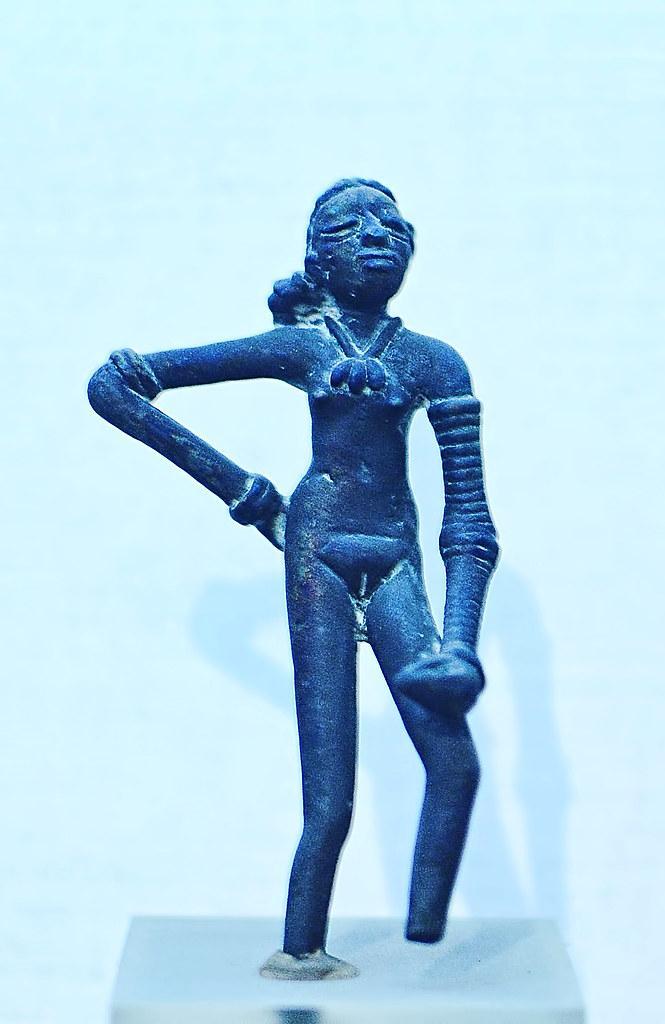
The “Dancing Girl” artifact from Mohenjo-daro stands as one of the most iconic representations of the Indus Valley Civilization, captivating historians and art enthusiasts alike. This ancient bronze sculpture, believed to date back to around 2500 BCE, portrays a young girl poised in a dynamic dance pose, capturing the essence of creativity and cultural expression in early society. However, recent controversy has arisen with the alteration of its image in the NCERT Class 9 arts textbook, where the traditionally bare torso of the Dancing Girl was visually covered, igniting debates on accuracy and representation in educational materials. Critics argue that this modification not only misrepresents the original artifact but also raises concerns about how ancient artifacts interpretation practices influence young learners’ understanding of history. The ongoing discussions surrounding the Dancing Girl highlight the significance of preserving the authenticity of cultural representations in the face of modern sensibilities.
The Dancing Girl sculpture, a remarkable testament to the artistry of the ancient Indus Valley civilization, has long fascinated those interested in historical artifacts. Known for its intricate detail and lively posture, this small bronze figure exemplifies the sophisticated craftsmanship of the people of Mohenjo-daro. Recent alterations made to its portrayal in educational resources have sparked a debate over the appropriateness of such changes, stirring discussions about cultural sensitivity and fidelity in the teaching of history. As discussions unfold, many are questioning the implications of misrepresentation and the responsibilities of institutions when it comes to preserving the integrity of ancient artifacts. The controversy surrounding the Dancing Girl serves as a reminder of the delicate balance between modern interpretations and historical accuracy.
The Significance of the Dancing Girl Artifact
The ‘Dancing Girl’ artifact, unearthed from the historic site of Mohenjo-daro, represents one of the most significant remnants of the Indus Valley Civilization, which thrived over 4,500 years ago. This bronze figurine, characterized by its agile pose and intricate details, encapsulates the artistic prowess and cultural richness of one of the world’s earliest urban societies. Standing at just 10.5 centimeters tall, the Dancing Girl not only showcases the exceptional craftsmanship of ancient artisans but also serves as a symbol of the cultural practices and social gatherings prevalent during that era.
Moreover, the Dancing Girl is a captivating representation that triggers our imagination about the social and ceremonial life in the Indus Valley Civilization. The artifact encourages historians and archaeologists to delve deeper into the customs, traditions, and values held by these ancient people. Such artifacts allow us to interpret ancient societal structures and explore the possible rituals and dances that may have been central to the lives of individuals in Mohenjo-daro.
Controversy Over the NCERT Textbook Alterations
Recent alterations to the portrayal of the ‘Dancing Girl’ in NCERT’s Class 9 arts textbook have ignited significant controversy, with critics arguing that these modifications fundamentally misrepresent the original artifact. The alterations, which have obscured the figure’s traditionally bare torso, have drawn comparisons to historical acts of censorship in art, such as the addition of fig leaves to classical statues, which altered their true representation. Advocates for accurate depictions argue that such changes undermine the historical context and artistic integrity of the original sculpture, potentially leading to misconceptions about the artistic norms of the Indus Valley Civilization.
Opponents of the revisions assert that authentic representations of historical artifacts are essential for educational purposes, promoting a comprehensive understanding of ancient cultures. When educational materials, such as those provided by the NCERT, fail to accurately represent artifacts like the Dancing Girl, they risk distorting students’ perceptions of history and culture. The debate surrounding this adjustment emphasizes a broader discussion on the interpretation of art and its place within modern educational frameworks.
Interpreting Ancient Artifacts: The Dancing Girl and Beyond
The interpretation of ancient artifacts, such as the Dancing Girl, plays a crucial role in shaping our understanding of the past, especially regarding the complex narratives surrounding the Indus Valley Civilization. These artifacts provide invaluable insights into the daily lives, religious practices, and artistic expressions of ancient societies. The Dancing Girl is not merely an object of art; it symbolizes the socio-political climate, gender roles, and cultural richness of its time, offering a window through which we can glimpse the nuances of Indus Valley life.
However, the interpretation of these ancient relics often sparks debates about cultural representation and historical accuracy. Scholars and archaeologists regularly engage in discussions regarding how artifacts should be presented, considering both their historical significance and their contextual meanings. The controversies surrounding representations in educational materials highlight the importance of maintaining integrity in how we depict our past, ensuring that future generations can appreciate and learn from the accomplishments and lifestyles of ancient civilizations.
The Cultural Impact of the Dancing Girl
The Dancing Girl has had a profound cultural impact that extends beyond the borders of its time and region. This captivating figurine has inspired countless artistic endeavors and is often highlighted as a testament to the aesthetic achievements of the Indus Valley Civilization. Not only does it serve as a source of national pride in India, but it also invites global audiences to appreciate the ingenuity of ancient cultures. As one of the most recognizable symbols of ancient art, the Dancing Girl continues to influence modern artists and designers, who draw inspiration from its form and cultural significance.
Furthermore, the enduring legacy of the Dancing Girl underscores the importance of preserving and respecting our shared cultural heritage. As new interpretations and adaptations of this iconic artifact arise, they remind us of the dynamic relationship between art, history, and contemporary society. The figurine not only educates us about the past but also prompts us to consider how cultural expressions evolve over time, fostering a deeper appreciation for the diversity and richness of human creativity.
Modern Representations and Adaptations of the Dancing Girl
In contemporary times, the representation of the Dancing Girl has been subject to various modern adaptations that reflect changing societal values and artistic interpretations. Recent initiatives have seen the creation of versions that align more closely with current aesthetic preferences, introducing the Dancing Girl to new audiences through different mediums, such as digital art, sculpture, and even fashion design. These adaptations allow for a fresh engagement with the figure, drawing attention to the relevance and adaptability of ancient cultural symbols in the modern world.
However, such reinterpretations often spark discussions about authenticity and fidelity to original representations. While modern adaptations may aim to celebrate the Dancing Girl, they also raise important questions about how we balance honoring historical accuracy with creative expression. These dialogues create a rich terrain for exploring not just the significance of ancient artifacts but also the roles they play in contemporary culture, bridging the gap between past and present through artistic dialogue.
Educational Implications of the Dancing Girl Artifact
The Dancing Girl artifact serves as a critical tool for education, helping students to understand the complexities of the Indus Valley Civilization and the broader principles of art history. Its inclusion in school curricula provides an opportunity to discuss various subjects, including anthropology, archaeology, and cultural studies. By studying such artifacts, students can develop critical thinking skills as they analyze the significance of art in historical contexts and explore the evolution of societal norms and expressions through art.
Furthermore, the controversies surrounding the NCERT textbook alterations highlight the importance of presenting educational content that reflects accurate historical interpretations. As educators navigate the challenges of teaching ancient history, having access to well-researched and uncensored representations of artifacts like the Dancing Girl is essential for fostering informed discussions among students. This artifact not only enhances the learning experience but also instills an appreciation for the rich tapestry of human history.
Exploring Historical Narratives Through the Dancing Girl
The Dancing Girl stands as a powerful narrative device, allowing historians and scholars to weave broader stories about the cultural and historical landscape of the Indus Valley Civilization. This artifact can illustrate not only the aesthetic preferences of its time but also its social structures, religious beliefs, and economic factors. By examining the Dancing Girl, researchers can delve into discussions about women’s roles in ancient society, artistic trends, and the significance of dance and entertainment in cultural practices.
In essence, the Dancing Girl invites us to reconsider our understanding of historical narratives and how artifacts contribute to our comprehension of ancient civilizations. This figurine, much like other artifacts from the Indus Valley, challenges us to rethink simplistic narratives and appreciate the complexity of historical interpretation. Through rigorous analysis and interdisciplinary approaches, the Dancing Girl can open pathways to deeper exploration of human history and the interconnectedness of artistic expression and societal development.
The Dancing Girl as a Symbol of Identity
The ‘Dancing Girl’ has transcended its existence as an artifact to become a potent symbol of identity for many. It is often associated with the cultural heritage of India, representing a unique blend of historical significance and artistic integrity that resonates with the values of contemporary society. In various cultural discussions and community events, the Dancing Girl serves as an emblem of pride, showcasing the artistic talents and diverse cultural narratives that form the backdrop of the Indus Valley Civilization.
Additionally, the symbolism of the Dancing Girl extends to discussions of gender and identity, reflecting the roles women have played throughout history. This figurine encourages dialogues about women’s representation in art and society, making it relevant to ongoing conversations about gender equity and cultural recognition. By embracing such symbols, communities can foster a sense of belonging and appreciation for their heritage while addressing contemporary social issues.
Dancing Girl in Popular Culture
The Dancing Girl artifact has made significant waves in popular culture, often referenced in literature, films, and art. Its unique aesthetic and historical significance have inspired modern artists and creators, resulting in interpretations that range from traditional to avant-garde. By incorporating the essence of the Dancing Girl into their works, contemporary artists reflect both the timelessness of its beauty and its overarching themes of celebration and expression, bridging the gap between the ancient and the modern.
Moreover, the representation of the Dancing Girl in popular media signifies an ongoing fascination with ancient cultures and their interpretations in today’s society. Films and documentaries exploring the Indus Valley Civilization frequently feature the Dancing Girl, not only as a representation of ancient artistry but also as a symbol of the enduring human spirit and creativity. This intrigue solidifies the Dancing Girl’s place in the collective consciousness, making it an essential part of the cultural dialogue surrounding art, history, and identity.
Frequently Asked Questions
What is the significance of the Dancing Girl artifact from Mohenjo-daro in the Indus Valley Civilization?
The Dancing Girl artifact from Mohenjo-daro is one of the most celebrated representations of the Indus Valley Civilization. This bronze sculpture, approximately 4,500 years old, showcases the artistic sophistication and cultural values of the period. Its posture suggests dynamic movement, often interpreted as a dancer, symbolizing the importance of dance in ancient rituals. The artifact not only reflects the craftsmanship of ancient artisans but also offers insights into the social and cultural life of the time. It has become an iconic representation of India’s ancient heritage, prompting discussions regarding its interpretation and portrayal in modern educational contexts.
| Key Points | Description |
|---|---|
| What is the Dancing Girl? | The iconic artifact of the Indus Valley Civilization, representing art and culture. |
| ‘Not age-appropriate’ | Critics argue that the alteration in the textbook makes the representation inappropriate for educational purposes. |
| ‘Misrepresents the original artifact’ | The modification is compared to the Church’s historical alteration of Michelangelo’s David, indicating harm to the original’s integrity. |
| NCERT reviewing the matter | The organization is currently assessing the changes made to the depiction of the Dancing Girl in the textbook. |
Summary
The Dancing Girl artifact stands as a testament to the rich cultural heritage of the Indus Valley Civilization. This celebrated piece of art, known for its elegant form and artistic expression, has recently sparked controversy due to the alteration in its representation in NCERT’s new Class 9 arts textbook. The decision to cover the traditionally bare torso of the Dancing Girl raises significant discussions on appropriateness and accuracy in educational materials. Critics argue that such modifications misrepresent the original artifact, akin to historical alterations of renowned artworks that damaged their essence. As the NCERT reviews this contentious change, it highlights the ongoing conversation about preserving the integrity of historical artifacts like the Dancing Girl while also addressing contemporary sensitivities.



























