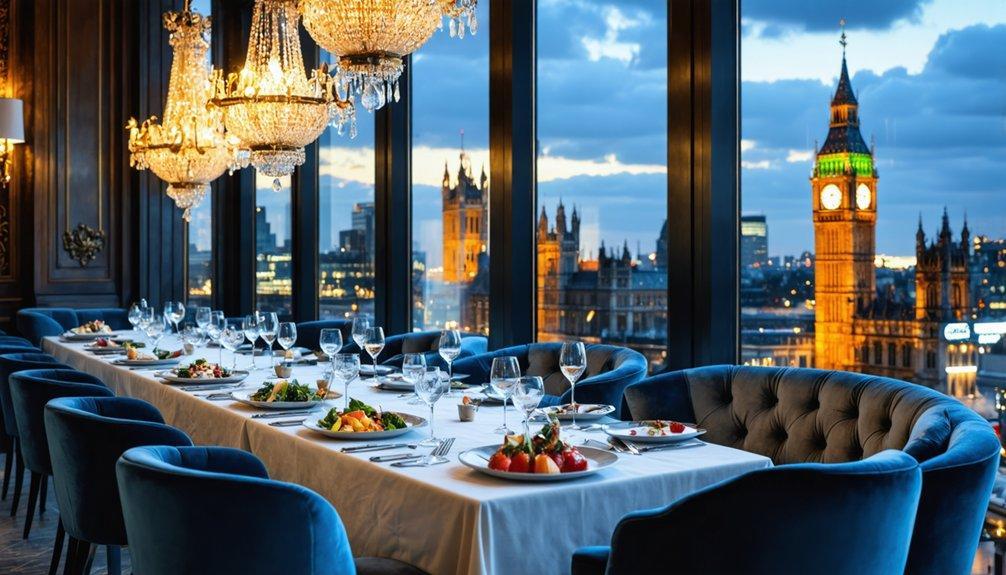
Veeraswamy, the UK’s oldest Indian restaurant, stands as a culinary landmark in London, boasting a remarkable history that spans over a century. Currently, this iconic establishment is embroiled in a legal battle against the Crown Estate due to contentious eviction proceedings. According to reports, the Crown Estate, which oversees properties for King Charles, aims to convert Victory House—home to Veeraswamy—into office space, igniting concerns among loyal patrons and staff alike. Co-owner Ranjit Mathrani has expressed frustration over failed negotiations, as they seek to protect the restaurant’s rich heritage and ongoing legacy in the face of looming changes. As London restaurant news unfolds, all eyes are on the upcoming court hearing where Veeraswamy’s fate will be determined amidst these challenging legal disputes, adding to its storied Veeraswamy history in the UK restaurant scene.
The longstanding institution known as Veeraswamy, recognized as the oldest Indian dining establishment in Britain, is currently facing a significant challenge regarding its tenancy. In a move that has captivated attention, the restaurant has taken legal action against the Crown Estate, which is intent on repurposing the historic site for modern office space. This situation unfolds as part of broader conversations surrounding dining heritage and real estate development in London, where the culinary arts often intersect with ongoing urban transformation efforts. With tensions rising and negotiations falling flat, the implications of the Crown Estate eviction could reverberate throughout the UK restaurant industry. As this legal saga continues, the struggle of Veeraswamy epitomizes the challenges faced by longstanding establishments amidst evolving commercial landscapes.
The Legacy of Veeraswamy: A Culinary Icon in the UK
Veeraswamy, as the UK’s oldest Indian restaurant, boasts a rich legacy that dates back over a century. Founded in 1926, it has been a beacon of Indian cuisine, captivating diners with its authentic offerings and vibrant atmosphere. Celebrated for introducing traditional Indian flavors to London, Veeraswamy has become an integral part of the culinary landscape, earning accolades and a loyal patronage that includes royalty and dignitaries alike. The restaurant’s history is not just about food; it’s a testament to the cultural exchange that London has cherished over the decades.
Throughout its existence, Veeraswamy has navigated several socio-economic changes, adapting its menu while remaining true to its roots. The establishment prides itself on using high-quality ingredients and time-honored recipes, which have earned it a prestigious reputation. As one of the pioneer establishments in bringing Indian cuisine to the forefront in the UK, its influence can still be felt in numerous Indian restaurants across London. Discovering the essence of Veeraswamy’s history is crucial not only for history enthusiasts but also for food lovers who appreciate the depths of international culinary traditions.
Veeraswamy vs. Crown Estate: The Legal Battle
The impending court case between Veeraswamy and the Crown Estate has captured significant media attention, highlighting the contentious issue of office space conversion over historical dining establishments. With the Crown Estate aiming to transform Victory House into a key business hub, the legal battle underscores the broader trend of urban development clashing with the preservation of cultural heritage. Co-owner Ranjit Mathrani expressed his disappointment, emphasizing that negotiations have faltered as the Crown Estate insists on pursuing a significant renovation project that compromises Veeraswamy’s future.
The legal battle is set to unfold over five days at the central London County Court, where MW Eat will assert that the proposed renovations can coexist with the restaurant’s operation. Mathrani’s testimony will argue that the modifications requested by the Crown Estate could be implemented without evicting the restaurant, thus preserving a long-standing legacy. With London restaurant news focusing on this case, the outcome could influence future developments of historical sites facing similar challenges, sparking conversations about the balance between commercial interests and the protection of culinary heritage.
Historic Ties: Veeraswamy and Royal Patronage
Veeraswamy’s link to history is accentuated by its connection to royal patronage. It is well-documented that the King of Denmark had delightful dinners at the establishment, even arranging for casks of Carlsberg beer to be shipped directly for his enjoyment. Such anecdotes not only highlight the restaurant’s charm but also its status as a favored dining destination for influential figures. This historical association elevates Veeraswamy beyond a mere dining establishment, marking it as a part of UK’s cultural fabric, showcasing the importance of cross-cultural culinary experiences.
As an institution that has welcomed dignitaries and influencers for generations, Veeraswamy represents a bridge between tradition and modernity. The stories of royal visits resonate with both locals and tourists, offering a glimpse into the restaurant’s illustrious past. The goal of maintaining such connections reinforces the need for remaining vigilant against the pressures of commercial redevelopment, as they threaten to erase the narratives that enrich London’s vibrant culinary scene. The tradition of hospitality and excellence at Veeraswamy attracts patrons who seek not just a meal but an experience steeped in history.
The Crown Estate’s Standpoint on Eviction
In the ongoing dispute, the Crown Estate has stated its commitment to facilitating the transition of Veeraswamy to new premises, should the court favor its plans for conversion. The estate’s representatives expressed disappointment over the situation while simultaneously offering to assist in finding alternative locations within their portfolio, ensuring that this historic restaurant continues to thrive in the West End. While the aim is to repurpose the site for commercial benefits, the Crown Estate must also consider the cultural implications of such decisions.
The Crown Estate’s response also highlights the balance it seeks to strike between business interests and local heritage. Despite plans to convert the restaurant’s premises into office space, the estate has indicated a willingness to discuss financial compensation for MW Eat to mitigate the impacts of eviction. This ongoing legal battle raises critical questions about the preservation of iconic eateries that contribute to the unique character of London and the responsibilities of property managers towards cultural retention amid urban development.
Future of Dining: The Impact of Office Space Conversion
The trend of converting dining spaces into office environments highlights significant changes in urban planning and the evolving nature of city life. Increasing demand for office space in bustling areas like the West End pushes property management groups like the Crown Estate to reconsider their strategies, often at the expense of historical establishments such as Veeraswamy. While this transformation aims to capitalize on rising commercial property values, it risks erasing invaluable cultural landmarks and influential culinary institutions that contribute to the vibrancy of London.
As restaurants face challenges from the shift towards office space conversion, the impact on cultural gastronomy and local economies is profound. With shifts in dining trends, restaurateurs must adapt while preserving their heritage, emphasizing the importance of advocating for spaces that can host diverse culinary experiences. Veeraswamy’s plight epitomizes broader concerns within the London restaurant scene, as communities rally to preserve their unique dining landscapes while navigating the complexities of real estate pressures and economic growth.
Culinary Heritage Meets Modern Development
The intersection of culinary heritage and modern development presents a compelling narrative, particularly in the case of Veeraswamy’s ongoing legal battle. As the restaurant stands at risk of eviction due to the Crown Estate’s development plans, the stakes are high for preserving a landmark that has played a pivotal role in London’s gastronomic culture. The challenge lies in finding a balance between the economic benefits of new office spaces and the cultural significance of historic establishments that contribute to the city’s identity and diversity.
Preserving the culinary heritage embodied by institutions like Veeraswamy requires a concerted effort from various stakeholders, including property owners, government officials, and the public. Advocating for the recognition of historical establishments in the face of aggressive urban renewal can lead to innovative solutions that allow both heritage and modern needs to coexist. Engaging in conversations about development policies may also pave the way for protecting other vulnerable eateries in London, ensuring that the vibrant tapestry of dining experiences is maintained for future generations.
Negotiation Strategies in Cultural Preservation
Negotiation is central to the conversation surrounding Veeraswamy’s future. As MW Eat navigates its legal battle, the strategies employed will be crucial in determining the outcome of negotiations with the Crown Estate. Mathrani’s willingness to adapt the restaurant’s layout while insisting on preserving its core operations offers a model of flexibility that could inspire similar negotiations in the industry. Demonstrating the capacity to adapt while maintaining commitment to heritage highlights a constructive approach to resolving conflicts in an urban environment.
Effective negotiation in cultural preservation requires a comprehensive understanding of the historical significance of establishments like Veeraswamy. It necessitates not only the willingness to compromise but also the articulation of the restaurant’s value within the community. Engaging with stakeholders to express the emotional and cultural significance of preserving Veeraswamy could sway public opinion and add weight to MW Eat’s case, underscoring the importance of dialoguing about the preservation of cultural icons in the face of modern development challenges.
Public Sentiment and Community Response
The fate of Veeraswamy has sparked public sentiment surrounding the preservation of London’s culinary heritage. With ongoing discussions in the media regarding the Crown Estate’s intentions, communities are rallying in support of the restaurant. Social media platforms have become hotspots for advocacy, where food enthusiasts and local patrons express their love for the iconic establishment and plea for its preservation. The outpouring of support showcases how dining establishments are not just businesses; they are treasured parts of the community fabric.
Community response has an undeniable impact on the trajectory of such a legal battle. Public campaigns and petitions can influence decision-makers and encourage a re-evaluation of development priorities. The presence of vocal advocates serves as a reminder of the public’s emotional investment in traditional eateries like Veeraswamy, emphasizing the need for decisions that honor and maintain cultural values amidst the push for modernization. This response could prove pivotal in ensuring that dining establishments retain their significance, even in changing urban landscapes.
Reflections on Gastronomic Continuity Amid Change
As the culinary landscape continues to evolve, reflections on gastronomic continuity amid change become increasingly relevant. Veeraswamy’s situation highlights the importance of retaining long-standing culinary traditions in an era dominated by rapid urban development. It challenges stakeholders to consider how the richness of culinary experiences, such as those offered by the UK’s oldest Indian restaurant, can coexist with modern demands for office and commercial spaces. Importantly, it fosters discussion on creating a future where heritage and progress align.
The story of Veeraswamy is not just about a restaurant facing eviction but a larger narrative about identity, cultural connection, and the transient nature of spaces we hold dear. By preserving such establishments, cities can maintain a sense of continuity that enriches their character. Promoting regenerative approaches to urban planning, where both heritage and innovation thrive, may pave the way for a culinary future that honors the past while embracing the present, ensuring that stories like that of Veeraswamy continue to resonate for generations to come.
Frequently Asked Questions
What is the latest news about Veeraswamy, the UK’s oldest Indian restaurant, regarding its eviction from the Crown Estate?
Veeraswamy, the UK’s oldest Indian restaurant, is currently embroiled in a legal battle with the Crown Estate over its eviction. The restaurant’s co-owner, Ranjit Mathrani, announced that negotiations have failed, leading to a court hearing scheduled for June 29. The Crown Estate intends to convert the restaurant’s premises into office space, despite Veeraswamy’s efforts to remain without displacement.
| Key Points |
|---|
| Veeraswamy is the oldest Indian restaurant in the UK, operating for over a century. |
| The restaurant is facing eviction by the Crown Estate, which manages properties for King Charles. |
| All negotiations between Veeraswamy and the Crown Estate have failed, leading to a court case. |
| MW Eat, the parent company of Veeraswamy, will present its case in court over five days starting June 29. |
| The Crown Estate plans to convert the restaurant’s location into office space, increasing rental income. |
| Veeraswamy has offered to match projected rent from the office space to remain operational. |
| The restaurant has historical significance, having hosted notable figures like the King of Denmark. |
| The Crown Estate has offered support to MW Eat in finding new premises within its portfolio. |
Summary
Veeraswamy, the UK’s oldest Indian restaurant, is embroiled in a legal battle with the Crown Estate over its eviction, marking a significant chapter in its storied history. Established over a hundred years ago, Veeraswamy has not only been a culinary landmark but also a haven for history, hosting royalty and dignitaries alike. As the Crown Estate pushes for a controversial conversion of its premises into office space, Veeraswamy’s future hangs in the balance. Co-owner Ranjit Mathrani’s commitment to preserving the restaurant speaks to its enduring legacy, as they fight for a resolution that would allow it to continue serving its loyal patrons in the heart of London. With negotiations failing, the upcoming court case will determine whether this cherished institution can withstand the forces seeking to transform its historic location.