

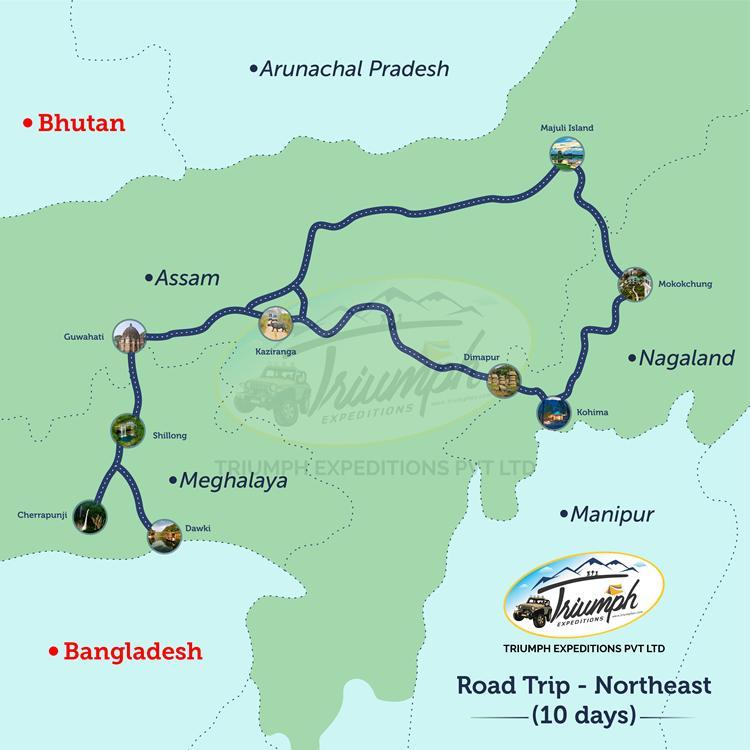
Northeast India travel is becoming increasingly popular among adventure seekers and nature enthusiasts looking to explore the region’s rich tapestry of cultures, landscapes, and biodiversity. Nestled in the foothills of the Himalayas, this enchanting region offers a unique blend of vibrant traditions, stunning vistas, and remarkable encounters with indigenous communities. From the rolling hills of Meghalaya to the mystical beauty of Arunachal Pradesh, traveling in Northeast India promises unforgettable experiences. A Northeast India road trip unveils breathtaking sceneries at every turn, beckoning travelers to pause and soak in the serene beauty of this hidden gem. With its immense tourism potential, exploring Northeast India not only enriches one’s travel portfolio but also contributes significantly to the local economies, enhancing the overall landscape of Northeast India tourism.
Embarking on a journey through the northeastern states of India opens up a world of experiences that are both diverse and captivating. This enchanting region, often overlooked by mainstream tourism, presents a trove of hidden treasures waiting to be discovered. The lush green valleys, vibrant festivals, and rich cultural heritage create a perfect backdrop for travelers seeking authenticity and adventure. Engaging in a road trip through these picturesque landscapes not only allows for spontaneous discoveries but also fosters a deeper appreciation for the local way of life. As travelers gain insight into the distinct charm of this area, it becomes clear that Northeast India’s tourism landscape holds immense promise for those willing to venture off the beaten path.
Exploring the Enchanting Landscapes of Northeast India
Northeast India is a captivating region that boasts an extensive tapestry of landscapes, cultures, and biodiversity that make it a unique destination for travelers. From the lush green hills of Meghalaya, where the living root bridges weave through dense jungles, to the arid yet stunning panoramas of Arunachal Pradesh, the geographical diversity is astounding. The region is home to a plethora of vibrant festivals, indigenous communities, and historical sites that enhance its appeal for cultural tourism. The serene beauty of places like Tawang or the mystical charm of Kaziranga National Park can transform every visitor’s journey into an unforgettable adventure.
In recent years, the theme of exploring Northeast India has gained traction among both domestic and international travelers, propelled by government initiatives aimed at promoting regional tourism. Activities like trekking in the Khasi hills or river rafting in Arunachal have become popular draws for adventure seekers, while peaceful retreats in the picturesque towns offer a sanctuary for those looking to reconnect with nature. Such activities make traveling in Northeast India not just appealing but also a potential boon for tourism, as these experiences can significantly contribute to local economies and sustainability.
Northeast India’s Tourism Potential Unlocked
Northeast India’s tourism potential is vast and largely untapped, offering immense opportunities for eco-tourism and sustainable travel practices. The unexplored landscapes—encompassed by a rich cultural heritage—lay the groundwork for innovative tourism ventures that can elevate the overall travel experience in the region. Awareness campaigns and marketing strategies aimed at highlighting the authenticity and unparalleled beauty of Northeast India are essential in capturing the interest of a wider audience. When tourists realize that they can experience the vibrant local traditions, exquisite culinary delights, and unparalleled hospitality of the Northeast, this region could rival other destinations as a top travel spot in India.
The government has acknowledged this potential, setting ambitious targets to attract a growing number of international visitors by 2047. Initiatives to improve infrastructure are critical. Enhanced connectivity through roads and airports facilitates easier access to various destinations within the Northeast region, thereby fostering growth in Northeast India’s tourism sector. As infrastructure improvements continue alongside the promotion of cultural experiences—such as visiting the tea gardens in Assam or the tribal markets in Nagaland—the region’s allure will undoubtedly increase for both luxury travelers and adventurous backpackers alike.
Planning Your Northeast India Road Trip
Planning a road trip through Northeast India promises an enriching experience filled with breathtaking scenery and rich cultural encounters. The winding roads that traverse the hills provide an intimate connection with the landscapes, allowing travelers to appreciate the stunning views and discover hidden gems along the way. Each state within the Northeast offers unique landscapes, from the snow-capped peaks of Sikkim to the serene rivers of Arunachal, ensuring that every stop on the journey is visually striking and culturally enriching.
For those considering a Northeast India road trip, it is essential to prepare adequately. This means not only planning the route carefully to include key attractions but also considering the varying weather and terrain conditions. Travelers should ensure they have suitable transportation, either through rented vehicles or personal cars equipped for the roads less traveled. Moreover, engaging with local guides can enhance the experience, providing insights into history, traditions, and hidden locations that are often overlooked by traditional tourism routes, making your journey through this enchanting region one to remember.
Sustainable Tourism Development in Northeast India
As the allure of Northeast India attracts more tourists, the focus on sustainable tourism development is more crucial than ever. Balancing the influx of travelers while preserving the natural environment and cultural integrity requires a concerted effort from both the government and local communities. Sustainable practices, such as responsible waste management, promoting local artisans, and preserving heritage sites, become essential for maintaining the delicate ecosystems and traditional lifestyles that define this region. The government’s initiatives to support local tourism while reducing ecological footprints will play a pivotal role in the sustainable growth of Northeast India’s tourism.
Moreover, fostering community involvement in tourism ensures that the benefits of increased visitor numbers reach the local population. Training locals to become guides, offering homestays, and supporting indigenous crafts can create an economic buffer against the challenges that arise from mass tourism. By embracing sustainable tourism strategies, Northeast India is positioning itself not only as a tourist destination but also as a model for preserving its unique cultural identity and pristine environments, all while capitalizing on the growing interest in ecologically responsible travel.
Cultural Richness of Northeast India
The cultural richness of Northeast India is a vibrant tapestry woven from the traditions, festivals, and languages of its diverse ethnic groups. Each state within this region showcases unique customs and practices that have been passed down through generations. Festivals like Bihu in Assam, Hornbill in Nagaland, and Wangala in Meghalaya reflect the region’s cultural vitality and invite travelers to partake in celebrations filled with traditional music, dance, and cuisine. This cultural immersion enriches the travel experience, providing visitors with a deeper understanding of the local way of life and fostering a connection between travelers and the hosts.
Furthermore, engaging with local communities during travels in Northeast India encourages responsible tourism practices that benefit both the tourists and the locals. It opens opportunities for visitors to learn about indigenous arts and crafts, such as weaving and pottery, contributing to the preservation of these age-old traditions. Not only do these interactions greatly enhance the traveling experience, but they also help promote Northeast India’s various cultural aspects, appealing especially to tourists looking for authentic and meaningful interactions during their travels.
Adventure Tourism in Northeast India
Adventure tourism in Northeast India is burgeoning, fueled by the region’s dramatic landscapes and diverse ecosystems. Opportunities for outdoor activities are abundant, ranging from trekking in the hilly terrains of Sikkim to water sports in the swirling rivers of Arunachal Pradesh. The region’s natural beauty serves as an exhilarating backdrop for activities like rock climbing, mountain biking, and paragliding, catering to thrill-seekers and adventure enthusiasts alike. Travelers are increasingly seeking these high-adrenaline experiences, making Northeast India a hub for adventure tourism.
The growing interest in adventure tourism is also prompting the development of infrastructure and services to support these activities, thereby enhancing the overall experience for travelers. Local entrepreneurs are creating eco-friendly lodges and organizing guided tours that align with sustainable practices, ensuring that the environment is preserved while adventure seekers enjoy their pursuits. By investing in adventure tourism, Northeast India can capitalize on its unique offerings, attracting visitors from around the world and providing economic benefits to local communities engaged in this vibrant sector.
Culinary Trails of Northeast India
The culinary scene in Northeast India offers a tantalizing journey through the region’s rich diversity of flavors and ingredients. Each state contributes its unique dishes, characterized by a blend of local herbs, spices, and traditional cooking methods. From the spicy fish curries of Assam to the rice beer of Nagaland, food enthusiasts will find an array of delightful experiences awaiting them. Street food, often overlooked in traditional tourism narratives, provides some of the most authentic culinary experiences as vendors showcase regional specialties that reflect the local culture.
As culinary tourism gains popularity, Northeast India’s gastronomic trails are poised to attract more visitors eager to explore the intricate tastes that define this region. Cooking classes, food festivals, and market tours can enhance the travel experience while supporting local farmers and food artisans. By promoting its culinary heritage, Northeast India not only diversifies its tourism offerings but also invites travelers to immerse themselves fully in the cultural richness of the region, creating lasting memories through flavors that are distinctively its own.
Wildlife and Nature Tours in Northeast India
Northeast India is a paradise for wildlife enthusiasts and birdwatchers, home to some of the most biodiverse ecosystems in the world. National parks like Kaziranga and Manas provide sanctuaries for numerous endangered species, including the Indian rhinoceros and the Bengal tiger. Wildlife tours in this region allow visitors to engage with nature in a profound way, showcasing the intricate balance of local ecosystems and the conservation efforts needed to maintain them. The opportunity to witness such breathtaking wildlife in their natural habitats captivates nature lovers and adds a unique dimension to traveling in Northeast India.
Moreover, the varied climatic zones across the states mean that nature tours reveal different flora and fauna throughout the year, making repeated visits equally rewarding. Guided trekking expeditions and eco-tours curated by local conservationists provide educational insights, raising awareness about biodiversity conservation and the importance of protecting these delicate environments. By choosing responsibly organized wildlife tours, travelers contribute to the local economy while ensuring that the natural beauty of Northeast India is sustained for future generations.
Frequently Asked Questions
What are the benefits of traveling in Northeast India?
Traveling in Northeast India offers a unique blend of natural beauty, cultural diversity, and rich history. With its stunning landscapes, vibrant local traditions, and untouched adventures, Northeast India’s tourism potential is immense. Visitors can explore lush mountains, picturesque tea gardens, and explore colorful festivals, making the region a must-visit for travelers seeking authentic experiences.
| Key Points | Details |
|---|---|
| Northeast India as a Preferred Travel Spot | Union Minister Gajendra Singh Shekhawat expressed personal affection for Northeast India, citing it as a favored destination for his family. |
| Aspirations for Future Travel | He hopes to undertake a long road trip through Northeast India with his family. |
| India’s Tourism Compared Internationally | Shekhawat noted that India’s tourism metrics should be compared to regional destinations rather than countries like France. |
| International Tourism Statistics | India attracts around 20 million international travelers annually, but the core tourist figure is impacted when removing Non-Resident Indians. |
| Longer Stays vs. Short Visits | International tourists in India tend to stay longer compared to those visiting destinations like Thailand or Dubai. |
| Untapped Tourism Potential | Shekhawat emphasized India’s significant untapped potential in tourism and the government’s goal to attract 100 million foreign tourists by 2047. |
| Challenges with Budget Travelers | The largest share of international travelers in India falls under the budget category, which poses challenges due to their expectations. |
| Collaboration for Infrastructure Development | The government is working with states to boost investment in hospitality, enhancing infrastructure in the tourism sector. |
Summary
Northeast India travel offers an enriching experience steeped in natural beauty and cultural diversity. The region has gained recognition not just for its breathtaking landscapes, including the lush hills and vibrant flora, but also for the warmth of its people and the allure of its unique traditions. With Union Minister Gajendra Singh Shekhawat advocating for this incredible region as a family-friendly travel destination, there is a growing interest in exploring Northeast India. This is a region where travelers can embark on memorable journeys filled with adventure, delectable cuisine, and the chance to connect with local communities. As the government intensifies its efforts to enhance tourism infrastructure and attract foreign visitors, the promise of a flourishing tourism landscape in Northeast India becomes ever more tangible. Visitors can look forward to discovering hidden gems that are bound to leave a lasting impression.



























