

The Fehmarnbelt Tunnel represents a groundbreaking advancement in infrastructure projects across Europe, set to transform travel between Denmark and Germany. Soon, journeys that currently take around 45 minutes by ferry could be shortened to a mere 7 minutes by train, thanks to this historic Baltic Sea tunnel. Designed to connect Rødbyhavn in Denmark with Puttgarden in Germany, the Fehmarnbelt connection will not only enhance train travel between these two vibrant nations but also bolster tourism and trade opportunities. This ambitious project is well underway, with engineers successfully positioning a massive 73,000-ton tunnel element beneath the waves — a significant milestone in construction. As we await the completion of the world’s longest immersed road and rail tunnel, the impact on Denmark-Germany travel will be monumental.
The construction of the Fehmarnbelt Tunnel signifies a major leap forward in European infrastructure, enabling quicker and more efficient transit between Denmark and Germany. This upcoming undersea passageway will revolutionize rail travel and create new connections for travelers and commuters alike. It is not just a tunnel but a key link within a larger network, making it invaluable for economic exchanges and cultural interaction. By establishing this crucial connection, travelers can look forward to seamless road and train services that reduce travel times and enhance accessibility, making the journey between these neighboring countries more enjoyable than ever.
The Fehmarnbelt Tunnel: Revolutionizing Denmark-Germany Travel
The Fehmarnbelt Tunnel represents a monumental advancement in travel between Denmark and Germany, significantly cutting travel time while enhancing connectivity. Traditionally, travelers relied on ferry services across the Baltic Sea, enduring a 45-minute journey that could be hampered by weather conditions. With the upcoming tunnel, this travel duration is set to plummet to just a remarkable 7 minutes by train. This staggering reduction in transit time is essential for not only leisure travelers seeking effortless cross-border excursions but also for businesses that require efficient logistics. As the world’s longest immersed road and rail tunnel, the Fehmarnbelt Tunnel signifies a leap toward modern infrastructure and seamless transportation options across Europe.
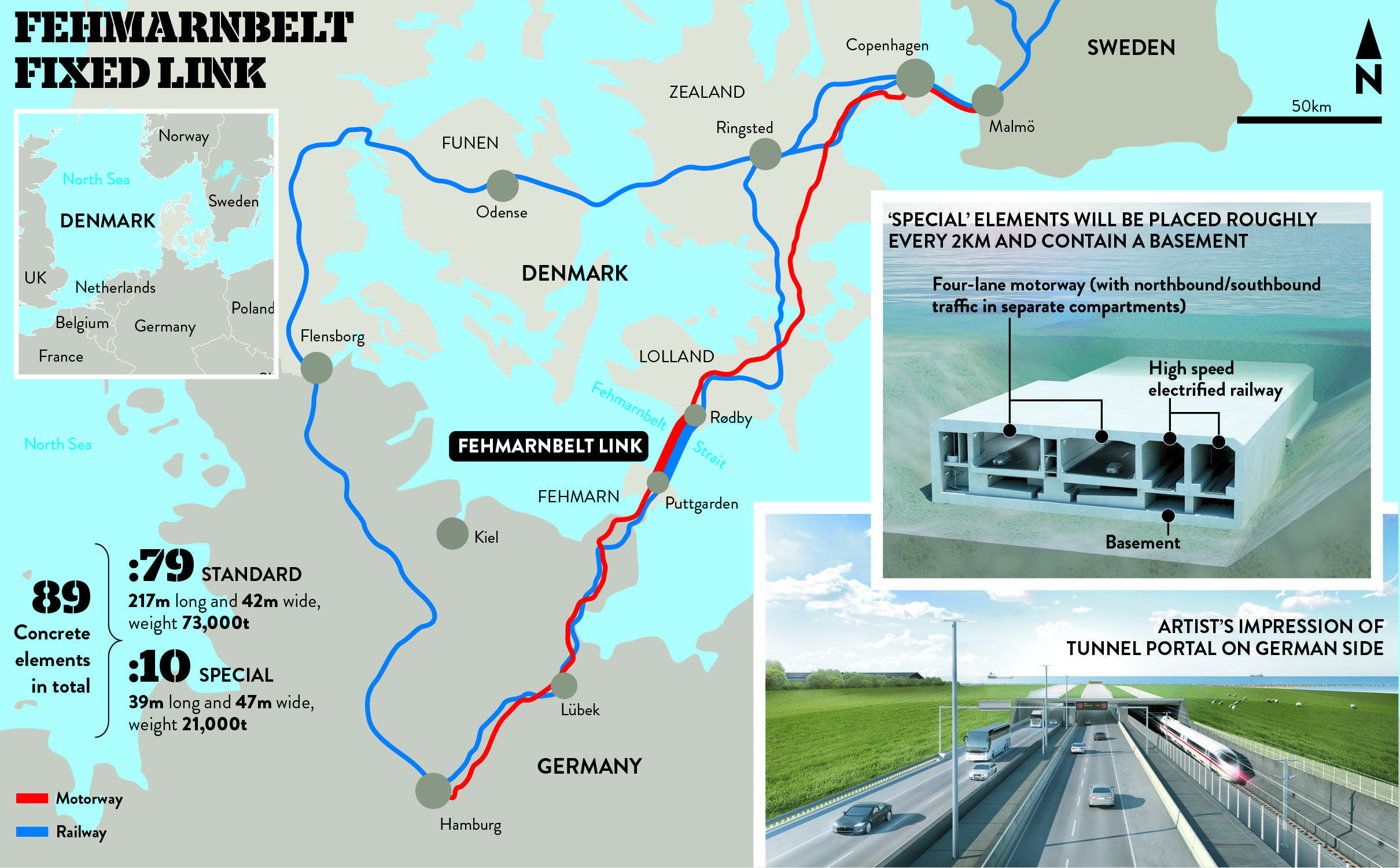
Engineered with precision, the tunnel will link the Danish town of Rødbyhavn with the German port of Puttgarden. It comprises an astounding number of 79 standard elements along with special sections designed for technical installations. Each component, weighing 73,000 tons and stretching about 217 meters in length, underlines the enormous scale and ambitious scope of this infrastructure project. This initiative is a vital step toward creating an integrated transport network that supports not just local travel but also enhances the overall economy, inviting more tourists and businesses to enjoy the beautiful landscapes of both Denmark and Germany.
Enhancing Infrastructure Connectivity in Northern Europe
The Fehmarnbelt Tunnel project is a cornerstone of ongoing infrastructure developments in Europe, aiming to enhance interconnectivity between neighboring nations. By establishing a direct transportation corridor across the Baltic Sea, the tunnel aligns with the broader goals of international trade and connectivity within Europe. This ambitious infrastructure project is set to pave the way for increased train travel between Denmark and Germany, facilitating smoother travel experiences for passengers and more efficient goods transport across borders. The project not only emphasizes the importance of regional collaboration but also showcases the European commitment to sustainable transport solutions.
In an era where infrastructural advancements are paramount to economic growth, the Fehmarnbelt connection is toast to the future, embodying progress at every step. With improved rail and road connectivity, it’s expected that tourists will be drawn to the rich cultural offerings of both Denmark and Germany, fostering a surge in visitor numbers. Moreover, efficient transport could stimulate local economies, benefitting businesses in both countries. As the combined infrastructure and intermodal transportation options flourish, individuals can look forward to exciting road trips linking Northern Europe, further enriching cross-border experiences.
The Impact of the Fehmarnbelt Tunnel on Travel Patterns
The introduction of the Fehmarnbelt Tunnel is bound to alter travel patterns significantly in Northern Europe. Traditionally, the ferry rides across the Baltic Sea were a common choice for many travelers; the new tunnel will provide a smooth alternative that minimizes delays and unpredictability associated with maritime travel. As a result, an influx of visitors is anticipated as convenience becomes a priority for those traveling for both leisure and business. The feasibility of undertaking quick day trips or weekend getaways between Denmark and Germany will likely transform tourism dynamics, promoting further exploration of regional attractions on both sides.
Beyond tourism, the Fehmarnbelt Tunnel will also have implications for business travel. With the capability for swift train connections, companies can leverage this infrastructure to expand their reach, navigating across borders for meetings or trade opportunities with ease. Additionally, freight transport may improve dramatically, as goods can be dispatched quicker than before. This enhanced efficiency supports the overall goals of sustainability while contributing to economic resilience in the route’s surrounding economies, thus promoting an environment ripe for innovation and collaboration.
Technical Innovations of the Fehmarnbelt Project
The Fehmarnbelt Tunnel project is not just about connecting Denmark and Germany; it embodies a plethora of technical innovations that set new standards for infrastructure projects worldwide. The construction has necessitated advancements in engineering techniques and materials, allowing for the creation of standard tunnel elements that can withstand the challenges posed by the Baltic Sea environment. The 73,000-ton elements, which are meticulously designed for durability and stability, showcase the application of cutting-edge engineering practices currently shaping similar infrastructure endeavors across Europe.
Additionally, the project highlights the integration of technology in tunnel construction and maintenance. Specialized sections are included to accommodate technological installations that ensure the safety and efficiency of operations once the tunnel is completed. This forward-thinking approach facilitates ongoing monitoring and maintenance, which is crucial for such massive undertakings. The Fehmarnbelt Tunnel sets a precedent not only for future infrastructure projects in Europe but also acts as a model showcasing how technology can enhance safety, operational efficiency, and the overall traveler experience.
Exploring the Benefits of Denmark-Germany Connectivity
The Fehmarnbelt Tunnel is set to unlock a wealth of benefits for travelers venturing between Denmark and Germany. One significant advantage is the reduced travel duration, positioning this route as one of the quickest links across the Baltic Sea. With the ability to traverse the stretch in just 7 minutes by train, travelers will find more opportunities to explore both countries and their delightful offerings, whether it be historical landmarks, culinary highlights, or scenic landscapes. This newfound efficiency could encourage spontaneous travel decisions, appealing to both locals and tourists alike who previously relied on ferries for crossings.
Furthermore, the improved connectivity promises to foster deeper cultural ties and facilitate economic exchanges between Denmark and Germany. Businesses can optimize their operations by reducing transportation times for freight and services, thus driving economic growth. Enhanced train travel also supports the environment by promoting greener modes of transport, reducing the carbon footprint compared to car travel or ferry trips. Addressing both travel convenience and sustainability, the Fehmarnbelt Tunnel acts as a crucial enabler for tighter integration of European communities.
Future Prospects for Infrastructure Projects in Europe
The successful progress of the Fehmarnbelt Tunnel project sets a strong precedent for future infrastructure endeavors in Europe. Touted for its ambitious scope, this initiative demonstrates how collaborative efforts can yield groundbreaking results. The tunnel’s attributes of enhancing connectivity and commuter convenience highlight the growing demand for modernization within transportation networks across the continent. As European countries continue to promote sustainable development, infrastructure projects that mirror the ambitions of the Fehmarnbelt Tunnel are likely to emerge, showcasing greater cooperation among nations to build efficient transit systems.
Moreover, as infrastructure projects like the Fehmarnbelt Tunnel advance, they present numerous opportunities for technology integration and modernization of existing systems. Future infrastructure strategies may focus on electrification, renewable energy sources, and smart technologies that not only improve operational efficiencies but also align with environmental sustainability goals. In line with regional developments, the Fehmarnbelt Tunnel could also inspire adjacent projects aimed at enhancing rail and road links, ultimately redefining travel landscapes across Europe.
Cultural Exchange Through Enhanced Travel Infrastructure
The advent of the Fehmarnbelt Tunnel heralds a new era of cultural exchange between Denmark and Germany, facilitated by improved travel infrastructure. By reducing the transit time between the two countries, the tunnel paves the way for increased interactions among citizens, fostering a greater understanding of shared histories and cultural heritages. Enhanced travel accessibility means that festivals, exhibitions, and cultural events in both countries are poised to see higher attendance, enriching the experiences for locals and travelers alike. This potential for cultural infusion can nurture and sustain the regional identity of both nations, as communities engage more frequently and meaningfully with one another.
In addition to tourism, educational exchanges can thrive as well. Students and professionals from both Denmark and Germany can seize opportunities for collaborative studies, workshops, and cross-cultural initiatives, supported by the ease of travel. By creating a platform for sharing ideas and knowledge, the Fehmarnbelt Tunnel can foster greater innovation and creativity across borders. As a result, this project is not merely an infrastructure accomplishment but also a catalyst for cultural dialogue that can benefit future generations in both nations.
Environmental Considerations of the Fehmarnbelt Project
As the Fehmarnbelt Tunnel progresses, environmental considerations have emerged as a key component of its planning and execution. Engineering teams have carefully considered the ecological impact of constructing a tunnel underneath the Baltic Sea, taking steps to safeguard marine life and surrounding ecosystems during and after the construction phase. Environmental assessments have been integrated into the project to identify potential risks and employ sustainable practices to mitigate them. This reflects a broader trend in Europe, emphasizing the need for infrastructure that respects and preserves natural resources while enhancing connectivity and mobility.
The project champions eco-friendly transport solutions, promoting train travel as a greener alternative to car-dependent journeys. With a focus on minimizing transportation footprints, the Fehmarnbelt Tunnel contributes to broader environmental goals by decreasing greenhouse gas emissions associated with the ferry service. By facilitating quicker and more efficient travel, the tunnel encourages a lifestyle that prioritizes sustainable choices, thereby echoing the growing European commitment to maintaining ecological integrity amid infrastructural progress. Ultimately, this endeavor exemplifies the harmonization of growth and environmental stewardship.
The Role of Investment in the Fehmarnbelt Tunnel’s Success
The construction of the Fehmarnbelt Tunnel is no small feat, requiring substantial investment and financing to bring this ambitious project to fruition. Various stakeholders, including government bodies and private investors, have recognized the tunnel’s potential for economic growth and regional connectivity, pooling resources to support the development. This collaborative approach to investment not only underscores the importance of international partnerships in achieving large-scale infrastructure goals but also highlights a commitment toward realizing a more interconnected Europe. Contributions from both Denmark and Germany demonstrate a united front in advancing infrastructure projects that will serve future generations.
Moreover, the financial backing for the Fehmarnbelt Tunnel is likely to be a benchmark for upcoming infrastructure projects across Europe. Demonstrating a combination of public and private investment can inspire confidence in funding mechanisms necessary for ambitious endeavors, thus laying the groundwork for sustainable infrastructure. By employing best practices in financing and management, similar projects that enhance connectivity are anticipated to flourish, reaffirming the value of strategic investment in achieving transformational outcomes for infrastructure projects.
Frequently Asked Questions
What is the Fehmarnbelt Tunnel and how will it impact train travel between Denmark and Germany?
The Fehmarnbelt Tunnel is an ambitious infrastructure project connecting Rødbyhavn in Denmark and Puttgarden in Germany. Once completed, it will allow train travel between Denmark and Germany to be reduced to just 7 minutes, replacing the current 45-minute ferry service. This major breakthrough in engineering will enhance connectivity in Europe, facilitating easier travel for both passengers and freight across the Baltic Sea.
| Key Features | Details |
|---|---|
| Travel Time | Reduced from 45 minutes ferry ride to 7 minutes by train. |
| Tunnel Length | The tunnel will be the longest immersed road and rail tunnel in the world. |
| Tunnel Connection | Connects Rødbyhavn, Denmark to Puttgarden, Germany. |
| Tunnel Elements | Comprises 79 standard elements, each approximately 217 meters long, and 10 special sections for technical installations. |
| Weight of Tunnel Elements | Each element weighs around 73,000 tons. |
| Impact on Travel | Expected increase in road trips linking Germany and Denmark, with improved rail connectivity. |
Summary
The Fehmarnbelt Tunnel is set to revolutionize travel between Denmark and Germany, drastically cutting down commuting time from a ferry journey of 45 minutes to a mere 7-minute train ride. This impressive engineering feat involves the immersion of substantial 73,000-ton tunnel elements in the Baltic Sea, marking a pivotal moment in the tunnel’s construction. Once completed, the Fehmarnbelt Tunnel will stand as the world’s longest immersed road and rail tunnel, facilitating a seamless connection between Rødbyhavn in Denmark and Puttgarden in Germany. The project, which encompasses 79 standard elements and additional sections for technical setups, is expected to enhance travel experiences significantly, leading to an upsurge in road trips and better rail links for travelers venturing between these two European nations.



























