

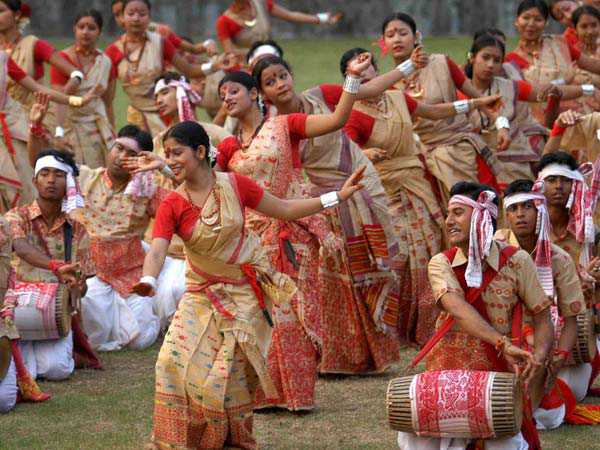
Assam’s cultural heritage boasts a vibrant tapestry woven from unique practices, traditional crafts, and distinctive culinary delights. This northeastern state of India has celebrated its rich traditions through products that have gained international acclaim, especially with four of them receiving prestigious Geographical Indication (GI) tags. Among these cherished products are the exquisite Assamese Bamboo Craft, the intricate Karbi Anglong Handloom, and the melodious Bihu Pepa, each reflecting the artistry and spirit of Assam. These elements not only showcase the region’s craftsmanship but also highlight its commitment to preserving age-old practices in a modern context. With such recognition, Assam continues to shine on the global stage, attracting enthusiasts of culture and craftsmanship alike.
Embracing the essence of Assam’s cultural legacy reveals a dynamic interplay of heritage and creativity. The state’s traditional artistry is embodied in its Geographical Indication products, which underscore the local artisans’ skills and the significance of their crafts. The elegant bamboo works, alongside the vibrant handwoven fabrics of Karbi Anglong, offer a glimpse into the intricate world of Assamese artistry. Another notable aspect is the iconic Bihu Pepa, a traditional musical instrument reflecting the joy and rituals of Assamese festivals. By exploring these facets of Assamese craftsmanship, one can appreciate not only the beauty of the products but also the cultural narratives embedded within them.
Assam’s Cultural Heritage: A Tapestry of Tradition
Assam’s cultural heritage is a vibrant amalgamation of diverse traditions, customs, and craftsmanship that reflect the state’s rich history and identity. The essence of this heritage is vividly portrayed through its unique crafts and products, many of which have received global recognition. The award of Geographical Indication (GI) tags to Assam’s traditional crafts stands as a testimony to the state’s fervent commitment to preserving its age-old techniques while promoting its cultural legacy. This recognition not only highlights the importance of these crafts but also plays a vital role in the economic upliftment of local artisans.
Among the traditional crafts in Assam, Assamese Bamboo Craft stands out for its intricate designs and versatility, showcasing the state’s expertise in sustainable materials. From beautifully woven baskets to decorative items, this craft symbolizes the ingenuity of Assamese artisans. The Bihu Pepa, a traditional musical instrument, is another hallmark of Assam’s cultural identity, often played during the Bihu festival celebrations, connecting generations through music and dance. These elements together form a formidable part of Assam’s cultural fabric, preserving traditions while continuously evolving to meet contemporary tastes.
Exploring Assam’s Geographical Indication Products
Assam has proudly secured Geographical Indication (GI) tags for several distinctive products, reflecting not only the unique characteristics of these items but also the cultural significance they hold. The Bah Silpa, associated with Assamese Bamboo Craft, showcases intricate designs that tell stories from the local culture, making it much more than just an artisanal product; it is a medium for cultural expression. Similarly, the Karbi Anglong Handloom embodies the uniqueness of the Karbi tribe, with its special weaving techniques that have been passed down through generations, and each piece created in this craft has a story to tell, resonating with the rhythm of the land.
The recognition of these products through GI tags is not merely a commercial advantage but a crucial step toward preserving Assam’s rich heritage. The Bihu Pepa, often linked with festivals, symbolizes the rhythm of Assamese life, and its craftsmanship is revered across borders. Furthermore, the Deori Handloom Products add another layer to Assam’s diverse tapestry, showcasing the skills of the Deori community. With these GI tags, Assam’s artisans are bolstered in their efforts to maintain traditional craftsmanship while adapting to the rapidly changing market dynamics, helping to ensure the survival of their cultural heritage.
The Role of Assamese Bamboo Craft in Cultural Preservation
Assamese Bamboo Craft is not just an art form; it is a critical part of Assam’s cultural heritage, bridging the past and the present. The craft utilizes locally sourced bamboo, a material deeply intertwined with the lifestyle of the Assamese people. Artisans have mastered complex techniques that allow them to create functional and decorative items that are both beautiful and practical. Through the practice of this craft, they ensure that traditional techniques are not lost and that the stories and practices of their ancestors continue to thrive in modern times.
Moreover, with the recent recognition of Assamese Bamboo Craft as a GI product, there is an invigorated focus on promoting these crafts globally. This not only opens up new markets for artisans but also enhances awareness of the cultural significance of bamboo in Assam. Workshops and training programs focused on traditional crafting techniques are being organized, ensuring that future generations inherit these skills. This sustainable approach not only aids in cultural preservation but also empowers local communities economically, fostering a deep sense of pride in their heritage.
Bihu Pepa: The Heartbeat of Assam’s Cultural Festivities
The Bihu Pepa is quintessentially tied to Assam’s vibrant cultural festivities, particularly the Bihu festival, which marks the Assamese New Year and the arrival of spring. This traditional musical instrument, made from the horn of the buffalo, produces a unique sound that fills the air with celebratory energy each year. The craftsmanship involved in creating the Bihu Pepa showcases expert knowledge handed down through generations, symbolizing the collective spirit of the Assamese community. During the festival, the Pepa resonates with dance, music, and joy, illustrating how an instrument can represent the cultural heartbeat of a region.
As part of Assam’s rich musical tradition, the Bihu Pepa plays an essential role in both community gatherings and cultural expressions. It is not just about music; it represents unity and celebration among the people. The recent GI recognition boosts its profile, allowing artisans to market their craft more effectively, thus preserving the tradition while adapting to contemporary demands. Through workshops and performances, the Bihu Pepa continues to thrive, connecting the youth with their rich musical heritage and ensuring that its sounds echo through generations.
Karbi Anglong Handloom: Weaving Threads of Tradition
The Karbi Anglong Handloom is a vital expression of the artistic heritage and identity of the Karbi tribe in Assam. This unique style of weaving is characterized by its vibrant colors and intricate patterns, each telling a story of the community’s cultural landscape. The handloom products, ranging from shawls to traditional dresses, are crafted with meticulous care, using techniques that have been preserved over centuries. The evolution of these traditional styles speaks to the resilience and creativity of the artisans, ensuring that their identity remains intertwined with their craft.
With the recognition of Karbi Anglong Handloom as a Geographical Indication product, there is renewed interest in promoting these weaves both locally and internationally. This designation not only enhances the visibility of these traditional textiles but also provides artisans with a platform to reach wider audiences. In recent years, initiatives have emerged to support local weavers, offering them training in both creativity and business skills. This not only empowers artisans economically but also helps in preserving the cultural narratives embedded within each woven piece, promoting a deeper understanding of Assam’s diverse heritage.
Understanding the Significance of Geographical Indication Products in Assam
Geographical Indication products play a crucial role in highlighting the unique qualities associated with the geographical origin of various goods. In Assam, the recognition of products like Bah Silpa-Assamese Bamboo Craft and the Karbi Anglong Handloom emphasizes the significance of traditional knowledge and practices. These GI tags help not only in protecting artisans’ rights but also in fostering consumer awareness regarding the authenticity of these products. It creates a sense of pride among local communities as their crafts gain national and international acknowledgment.
Moreover, this recognition encourages sustainable practices among producers, as they strive to maintain the traditional methods that earned them the GI status. It promotes a cycle of respect for the environment and cultural heritage, ensuring that future generations can appreciate and contribute to this legacy. As Assam continues to adapt to modern economic landscapes, GI products remain a cornerstone of cultural preservation, allowing traditional practices to find their place in contemporary markets while nurturing the state’s rich identity.
Artisan Empowerment through Assamese Traditional Crafts
Artisan empowerment is at the heart of preserving Assam’s traditional crafts, which include the highly skilled practices of bamboo weaving and handloom production. Initiatives aimed at supporting artisans through training programs not only enhance their crafting abilities but also teach them marketing skills crucial for sustaining their livelihoods. By helping artisans understand the market dynamics and providing them with business acumen, these programs enable them to elevate their craft from mere tradition to a viable source of income, fostering a sense of pride and identity.
Furthermore, artisan cooperatives in Assam serve as a platform for communal support, where craftspeople can collaborate and share resources. These cooperatives often engage in collective marketing efforts, thereby increasing visibility for their products and ensuring that artisans receive fair compensation for their work. The acknowledgment of products like Assamese Bamboo Craft and the Karbi Anglong Handloom under GI tags further enhances their marketability, allowing artisans to connect with consumers who value authentic, handmade products. This shift not only uplifts the artisans financially but also encourages them to keep the rich cultural traditions alive through their crafts.
Sustaining Assam’s Craftsmanship for Future Generations
Sustaining the craftsmanship of Assam requires a multi-faceted approach that values both heritage and innovation. As the demand for traditional products rises, efforts are being made to harmonize modern techniques with time-honored practices. Educational programs aimed at younger generations emphasize the importance of these crafts, inspiring youths to become proud custodians of their cultural heritage. By integrating traditional skills into school curriculums and community workshops, the path is paved for future artisans to appreciate the richness of their heritage.
Moreover, collaborations between local artisans and designers can bring fresh perspectives to traditional crafts, encouraging creativity while promoting authenticity. Such partnerships can lead to the development of contemporary products that still respect and preserve the essence of the original craftsmanship. As Assam’s crafts gain international recognition, it is essential to build a sustainable ecosystem that values artisans, fosters innovation, and ensures that the skills and stories behind these crafts continue to thrive, enriching the cultural landscape for generations to come.
Frequently Asked Questions
What are the Geographical Indication products from Assam’s cultural heritage?
Assam’s cultural heritage boasts four notable Geographical Indication (GI) products: Bah Silpa-Assamese Bamboo Craft, Karbi Anglong Handloom, Bihu Pepa, and Deori Handloom Products. These products highlight the unique craftsmanship and traditions of Assam, gaining international recognition.
How does Assamese Bamboo Craft reflect Assam’s cultural heritage?
The Assamese Bamboo Craft is a significant part of Assam’s cultural heritage, showcasing intricate designs and skilled craftsmanship. This craft not only provides livelihood to many artisans but also serves as a representation of the state’s rich biodiversity and traditional practices.
What is the significance of Bihu Pepa in Assam’s cultural heritage?
Bihu Pepa is a traditional musical instrument integral to Assam’s cultural heritage, especially during the Bihu festival. It symbolizes the agricultural and cultural roots of the Assamese people, embodying joy and celebration through its melodious sounds.
What makes Karbi Anglong Handloom a unique aspect of Assam’s cultural heritage?
Karbi Anglong Handloom is unique in Assam’s cultural heritage due to its distinct weaving patterns and vibrant colors that represent Karbi tribal traditions. This handloom craft is appreciated for its quality and reflects the rich cultural diversity of the region.
How can I learn about Assam’s traditional crafts and their history?
To learn about Assam’s traditional crafts such as Assamese Bamboo Craft and Karbi Anglong Handloom, you can explore local museums, attend craft fairs, or participate in workshops organized by artisan cooperatives. These platforms provide insights into the rich history and techniques behind these crafts.
Why are the Geographical Indication tags important for Assam’s cultural heritage?
Geographical Indication tags are vital for Assam’s cultural heritage as they provide legal recognition to traditional products like Bihu Pepa and Assamese Bamboo Craft. This recognition helps preserve traditional methods, supports local economies, and promotes the state’s cultural identity on a global scale.
What role does the Deori Handloom play in representing Assam’s cultural heritage?
The Deori Handloom represents Assam’s cultural heritage through its unique weaving styles and patterns that hold cultural significance for the Deori community. This craft not only preserves age-old traditions but also showcases the artistic skills of Assamese weavers.
How does Assam’s cultural heritage influence its culinary traditions?
Assam’s cultural heritage greatly influences its culinary traditions, where various traditional crafts and ingredients are utilized in local dishes. The culture fosters a connection between food and artisanal practices, often incorporating bamboo and handwoven utensils in meal preparation.
What initiatives are in place to promote Assam’s cultural heritage and crafts?
Various government and non-government initiatives aim to promote Assam’s cultural heritage and crafts, such as funding for artisan fairs, skill development programs, and marketing campaigns that focus on products like the Karbi Anglong Handloom and Assamese Bamboo Craft.
How can I support Assam’s cultural heritage?
You can support Assam’s cultural heritage by purchasing handmade crafts, promoting local artisans, visiting cultural festivals, and sharing knowledge about traditional products like Bihu Pepa and Assamese Bamboo Craft to raise awareness about their significance.
| Key Point | Description |
|---|---|
| Global Recognition | Assam’s cultural heritage and traditional products have gained international acclaim. |
| GI Tags | Four products from Assam have received Geographical Indication tags. |
| Awarded Products | 1. Bah Silpa-Assamese Bamboo Craft 2. Karbi Anglong Handloom 3. Bihu Pepa 4. Deori Handloom Products |
| Minister’s Statement | Jyotiraditya Scindia highlighted this as a proud milestone for Assam’s cultural heritage. |
| Ashtalakshmi States | The recognition reflects the rich traditions of the Ashtalakshmi States. |
Summary
Assam’s cultural heritage is a vibrant tapestry of traditional arts and crafts that have received global recognition through Geographical Indication tags. These achievements not only celebrate the unique products of Assam but also underscore the importance of preserving and promoting the rich cultural traditions of the region. As Assam continues to showcase its heritage through products like Assamese Bamboo Craft and Karbi Anglong Handloom, it sets an example of cultural pride and sustainability.



























