

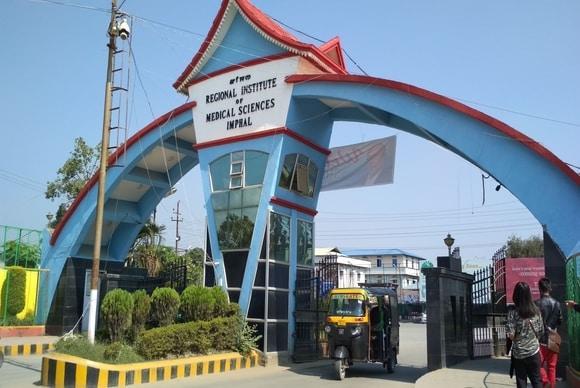
The recent Manipur violence has escalated tensions in the Kangpokpi district, where clashes erupted on Monday, resulting in injuries and a surge of unrest in nearby Imphal. Protesters, demanding justice for six Naga civilians who lost their lives last month, confronted security forces at the Regional Institute of Medical Sciences (RIMS Hospital Imphal). Reports indicate that violence broke out between Naga and Kuki communities in Kangpokpi, intensifying the already precarious security measures in the state. The Kuki Inpi Manipur condemned the alarming attacks that threaten civilian safety and disrupt community peace. This situation calls for urgent action from authorities to restore order and protect innocent lives from further conflict.
The disturbances in Manipur signify a grave communal strife that has recently come to light, particularly highlighted by the unrest in Kangpokpi. Tensions continue to rise as local groups, notably Naga organizations, advocate for justice regarding the tragic fates of certain civilians. Clashes between the communities have provoked a heavy security presence in the affected regions, particularly around health facilities like RIMS, where protests have taken a volatile turn. With calls for accountability growing louder and the demand for stringent security protocols increasing, the need for effective governance in resolving these tensions is more pressing than ever. The unfolding situation in Manipur underscores the fragility of peace in the region and prompts significant scrutiny into how local authorities manage communal relations.
Understanding the Kangpokpi Unrest
The recent unrest in the Kangpokpi district of Manipur is a stark reminder of the fragile peace in this region. On Monday, the violence erupted again, leading to injuries and indicating a spiral of chaos that appears resistant to resolution. This distressing cycle of violence can be traced back to the tensions between different ethnic groups, primarily the Naga and Kuki communities, each with their own grievances and historical conflicts. The manifestation of violence during such communal tensions often stems from the deep-rooted issues and demands for recognition of rights and justice.
As clashes continue, the safety of civilians has become increasingly precarious. The Kuki Inpi Manipur has vocally condemned actions taken against Kuki villagers, accusing the NSCN-IM and affiliated groups of inciting violence that not only endangers lives but also disrupts the fragile fabric of community coexistence. With rising incidents of inter-community conflicts, understanding the socio-political dynamics at play is crucial for formulating effective peace strategies.
The Impact on Medical Facilities and Availability
The violent clashes in Kangpokpi have significantly affected the local healthcare infrastructure, particularly around RIMS Hospital in Imphal. As seen during the unrest, injured individuals were transferred to RIMS for emergency treatment, drawing a considerable crowd and leading to chaos outside the facility. The hospital, which is meant to be a place of healing, became a focal point of tension as security forces had to intervene to restore order. This highlights a severe disruption in medical services amidst ongoing violence, particularly when the healthcare system is already overwhelmed.
Instances such as these bring to light the urgent need for crisis management protocol in hospitals during civil unrest. The overwhelming influx of patients due to violence not only strains medical resources but can lead to significant casualties if care is delayed or disrupted. Ensuring that healthcare facilities remain secure and accessible to those in need is imperative, particularly in regions where conflict can escalate rapidly.
Calls for Justice from the Naga Community
In the wake of violence in Manipur and the tragic deaths of six Naga civilians, calls for justice have intensified. The All Naga Students’ Association, Manipur (ANSAM), along with other organizations, brought attention to their demands during a press conference, emphasizing the need for action from both the state and central governments. The lack of progress regarding the investigation into these killings has further fueled anger and resentment within the Naga community, leading to subsequent unrest. This situation underscores the urgency for authorities to address these serious allegations transparently.
Furthermore, the sentiments expressed by community leaders reveal a deep-seated frustration with the governance structures in place that seem ineffective in delivering justice and security. The insistence on involving the National Investigation Agency (NIA) reflects a desire for impartiality and professional rigor in handling such sensitive cases. The Naga community seeks assurances that their voices are being heard and that the government is committed to rectifying historical injustices, which is essential for restoring peace and trust among the communities in Manipur.
Escalating Security Measures in Manipur
In response to the ongoing violence in Kangpokpi and surrounding areas, security measures have intensified immensely. Local authorities have mobilized additional security personnel to restore calm and prevent further escalation of unrest. The mobilization of forces such as the Manipur Police, CRPF, and Rapid Action Force (RAF) highlights the seriousness of the situation and the immediate need to safeguard civilians amidst violence. Enhanced security protocols are essential not only for public safety but also to foster an environment conducive to dialogue and reconciliation among conflicting parties.
Moreover, the strategic focus on increasing security around vulnerable infrastructure, such as RIMS Hospital, illustrates the direct correlation between civil unrest and the protection of medical facilities vital for community health. The presence of security on the streets and at hospitals serves as a deterrent against further aggression but can also intimidate civilians seeking help, thus complicating the peace-building efforts. Striking a balance between security and civilian access to essential services remains a crucial challenge for the authorities in Manipur.
The Role of Community Organizations Amidst Violence
In times of unrest, community organizations play a pivotal role in articulating the voice of the people and pushing for change. Groups like the Kuki Inpi Manipur and ANSAM have stepped into the spotlight, not just to demand justice for the recent violence, but to advocate for the rights and safety of their community. Their efforts to hold those accountable for the violence reflect a proactive approach in combating issues that have persisted for years. By mobilizing community support, these organizations can amplify their demands and push for significant governmental responses.
Moreover, community-led initiatives are crucial in educating citizens on conflict resolution and promoting peace. By taking a stand and unitedly addressing grievances, these organizations help to foster a sense of hope and direction, steering conversations toward constructive solutions rather than allowing violence to dominate their narrative. Their advocacy encourages broader participation in the peace process, which is essential for achieving long-standing stability in multi-ethnic regions like Manipur.
Healing the Wounds: Community Reconciliation Efforts
As tensions continue to simmer in Manipur, the need for reconciliation measures grows more pressing. Community leaders from both Naga and Kuki tribes need to come together to facilitate dialogue aimed at bridging divides and healing historical wounds. Initiatives focused on restorative justice, where grievances can be addressed openly, may play a vital role in instilling a sense of trust that has eroded during conflict. This is particularly important in Kangpokpi, where violent incidents have left scars that need to be attended to before they worsen.
Furthermore, effective reconciliation efforts can involve cultural exchanges and joint community-building projects that promote collaboration over conflict. Engaging youth through education programs focused on understanding different cultural perspectives can help in reducing biases that may contribute to tensions. By prioritizing healing through mutual respect and understanding, communities can pave the way toward a future where safety and unity prevail over violence in Manipur.
Government Response: Challenges and Opportunities
The government’s response to the ongoing violence presents both challenges and opportunities for peace in Manipur. With heightened scrutiny from the public and pressure from community leaders, officials are tasked with addressing complex grievances while ensuring security. The recent spike in violence, particularly in Kangpokpi, underscores the necessity for not only immediate security solutions but also long-term policies that address the root causes of communal unrest. This dynamic requires a careful balance between forceful responses to violence and constructive dialogue.
In light of the recent incidents, the government has a unique opportunity to rebuild trust with marginalized communities by demonstrating a commitment to justice and reform. By actively engaging with organizations like the Kuki Inpi Manipur and ANSAM, authorities can foster a cooperative environment that prioritizes citizen safety and addresses historical injustices. Moreover, transparent investigations and timely responses to community concerns can help in mitigating perceptions of indifference, thus aiding in the restoration of peace in the region.
Future of Law and Order in Manipur
The future of law and order in Manipur hangs in a delicate balance as community tensions continue to manifest in violent outbreaks. The recent events in Kangpokpi highlight the critical need for revised law enforcement strategies that not only address violence but also respect the complexities of ethnic identities. Policymakers must consider interventions that include conciliatory measures, thus transitioning from a reactive approach to a proactive community engagement strategy.
Additionally, reinforcing legal frameworks to safeguard human rights and ensure accountability for acts of violence is paramount for establishing lasting peace. With collective efforts from the government, military, and civil society organizations, a robust security framework that emphasizes collaboration and community respect can emerge. Real progress will depend on the genuine intent of all parties involved to prioritize peaceful coexistence over historical grievances.
Frequently Asked Questions
What is the current situation regarding violence in Manipur, particularly in Kangpokpi district?
Fresh violence erupted in Kangpokpi district of Manipur, leading to injuries and unrest. Recently, clashes occurred between Naga and Kuki groups, and security forces are actively deployed to maintain order.
How has the Kangpokpi unrest affected security measures in Manipur?
The Kangpokpi unrest has prompted heightened security measures in the affected areas, especially around RIMS Hospital in Imphal, where tensions have escalated due to ongoing protests and violence.
What prompted the latest violence in Manipur related to the Naga civilians?
The violence in Manipur was primarily ignited by demands for justice for six Naga civilians who were abducted and killed, with community organizations pushing for accountability.
What role did RIMS Hospital play during the recent events in Manipur?
RIMS Hospital became a focal point of unrest as injured individuals were transferred there, resulting in large gatherings, protests, and clashes between security forces and demonstrators.
What actions has the Kuki Inpi Manipur taken in response to the violence?
Kuki Inpi Manipur condemned the attacks in Leilon Vaiphei village, calling for stronger security measures and the prosecution of those responsible for the attacks that endangered civilians.
What are the community reactions regarding the violence in Manipur?
Community reactions have been intense, with demands for justice from Naga groups and protests against the handling of the situation by both state and federal authorities.
How are security forces responding to the unrest in Manipur’s Kangpokpi district?
Security forces have increased their presence in Kangpokpi and around RIMS Hospital, using crowd control measures to manage protests and prevent further escalation of violence.
What are the implications of the ongoing violence in Manipur for civilian safety?
The ongoing violence in Manipur raises significant concerns for civilian safety, leading to calls for enhanced security measures to protect residents amidst the tension between different groups.
| Key Points | Details |
|---|---|
| Fresh Violence in Kangpokpi | Three individuals were injured in recent clashes, leading to unrest spreading to Imphal. |
| Catalysts for Violence | Naga organizations reiterated demands for justice over the killings of six Naga civilians, escalating tensions. |
| Injuries Reported | The injured: Genlenmang Vaiphei (18), Lunliandaw Vaiphei (20), Paogou Lal (18) were transferred to RIMS for treatment after initial care at Leimakhong. |
| Condemnation of Violence | Kuki Inpi Manipur condemned attacks on villages, claiming it endangered civilians. |
| Protests Erupt in Imphal | Crowds gathered at RIMS, leading to clashes with security forces who used tear gas to disperse the protesters. |
| Blockades and Tensions | Road blockades were set up around RIMS; many shops closed due to fears of further violence. |
| Demands for Justice | Naga organizations held a press conference demanding justice and a transparent investigation into the civilians’ deaths. |
| Government Response | Calls for addressing the hostage killings and improving security measures in the region have been made. |
Summary
The recent violence in Manipur, particularly in Kangpokpi district, has raised significant concerns as injuries and unrest continue to escalate. With demands for justice from Naga organizations over the tragic deaths of six civilians, this conflict highlights the ongoing tensions between communities in Manipur. The situation remains critical, and security forces are intensifying measures to maintain order, but the underlying issues driving the violence require immediate attention to prevent further escalation.



























