

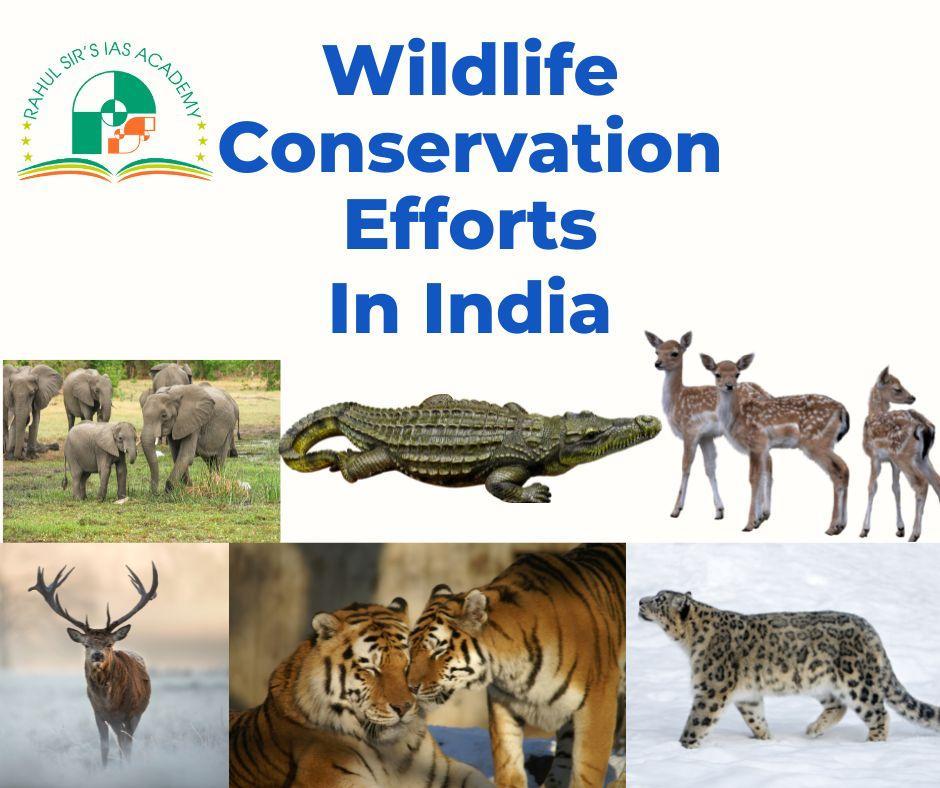
Snow Leopard Conservation in Ladakh is set to take a significant leap forward with the establishment of a dedicated conservation society, recently approved by Lieutenant Governor Vinai Kumar Saxena. This crucial initiative aims to protect the majestic snow leopards, which are integral to the wildlife conservation efforts in India, particularly in Ladakh where the largest population thrives. With over 477 snow leopards inhabiting the diverse snow leopard habitat of this region, preserving their existence is vital for maintaining the delicate balance of the Ladakh ecological identity. The foundation of this society reinforces the commitment to safeguarding the unique wildlife of Ladakh, ensuring future generations can appreciate these elusive cats. As awareness grows around the importance of snow leopard conservation, it highlights the urgent need for sustainable practices that benefit both wildlife and local communities alike.
The establishment of a specialized conservation body in Ladakh marks a pivotal moment in efforts to safeguard its iconic high-altitude felines. Known for their stunning beauty and vital role within the ecosystem, snow leopards embody the wilderness of this mountainous region, making their protection paramount to high-altitude wildlife management. The push for enhanced protective measures comes amid discussions on preserving not only the snow leopard species but also the broader ecological tapestry of the region. As we delve deeper into the description of this conservation initiative, it becomes clear that the strategies employed will be crucial in maintaining the delicate balance of Ladakh’s diverse biology. This pivotal measure will aid in reinforcing both the ecological significance of the snow leopards and the area’s identity as a habitat rich in wildlife.
Importance of Snow Leopard Conservation in Ladakh
The conservation of snow leopards in Ladakh is vital for maintaining the balance of its unique ecosystem. These majestic cats are not merely an iconic species; they play a significant role as apex predators, regulating the populations of their prey, which includes herbivores such as ibex and blue sheep. By ensuring a healthy snow leopard population, Ladakh supports the preservation of its delicate wildlife balance, which is crucial for the overall health of its mountainous ecosystem.
As Ladakh’s ecological identity is closely tied to the presence of snow leopards, efforts at conservation also reflect a commitment to preserving the region’s cultural heritage. The snow leopard symbolizes the wild and rugged beauty of the Himalayas, attracting nature enthusiasts and tourists alike. By focusing on snow leopard conservation, Ladakh not only safeguards its biodiversity but also promotes responsible tourism, creating economic opportunities while fostering appreciation for its wildlife.
The newly formed conservation society aims to implement targeted strategies that address both ecological and community issues related to snow leopard habitats. Initiatives may include the promotion of wildlife-friendly grazing practices, thereby reducing human-wildlife conflicts and the potential threat to both livestock and snow leopards. In addition, community engagement will play a crucial role in conservation efforts, empowering local residents to take part in protecting their natural heritage.
Moreover, this initiative underscores the significance of Ladakh in broader wildlife conservation in India. Given that nearly two-thirds of India’s entire snow leopard population resides within this union territory, effective conservation strategies in Ladakh could serve as a model for similar regions across the country. It highlights the importance of integrating local stewardship with scientific research to enhance the effectiveness of conservation efforts.
Understanding the Snow Leopard Habitat in Ladakh
The snow leopard habitat in Ladakh is a breathtaking landscape characterized by rugged mountains, steep cliffs, and open grasslands. This unique terrain provides the perfect conditions for snow leopards to thrive, as it offers ample cover for hunting and protecting their young. The snow leopard’s presence across various altitudes, from 3,000 to 5,400 meters, signifies its remarkable adaptability to extreme environments, which is a key aspect that wildlife conservation efforts must consider.
The priority in conserving snow leopard habitat is maintaining the integrity of the alpine ecosystem, where the delicate balance of flora and fauna is critical. Efforts include habitat preservation, as well as supporting initiatives to combat threats such as climate change and human encroachment. By creating protected areas and wildlife corridors, conservationists can ensure the snow leopard and its prey have the space they need to flourish, thus directly contributing to the overall health of Ladakh’s natural heritage.
Understanding the social behavior and movement patterns of snow leopards is also essential for effective conservation measures. Research indicates that these elusive cats can travel extensive distances, making their habitat needs dynamic and complex. Through the use of technological tools like GPS collars, researchers are gaining insights into the migratory routes and habitat preferences of snow leopards, information that is vital for developing successful conservation strategies tailored to the specific needs of this species.
Alongside scientific research, incorporating local knowledge from Ladakhi communities is crucial for successful snow leopard habitat management. Engaging local villagers in conservation programs not only ensures sustainable practices but also fosters a deeper connection between the community and their wildlife. By valuing the local perspective, conservation initiatives can achieve more significant results in protecting the snow leopard populations while enhancing the resilience of the entire ecological domain in Ladakh.
Challenges Facing Snow Leopard Conservation
Despite the admirable efforts being made toward snow leopard conservation in Ladakh, significant challenges remain. One primary concern is the increasing human encroachment into their habitats as a result of development and agricultural expansion. As more land is cleared for agriculture or infrastructure, snow leopards face habitat fragmentation, which jeopardizes their critical hunting grounds and breeding areas. This not only threatens the snow leopard population but impacts the entire wildlife community within the fragile ecosystem.
In addition to habitat loss, human-wildlife conflict represents a critical challenge for snow leopard conservation. As snow leopards venture closer to human settlements in search of prey, they may attack livestock, leading to retaliatory killings by local herders. Addressing this conflict requires a multifaceted approach, combining education, compensation programs for livestock losses, and implementing non-lethal deterrence measures to promote coexistence between people and wildlife.
Moreover, climate change poses an overarching threat to the snow leopard habitats in Ladakh. Rising temperatures and alterations in precipitation patterns are leading to ecological shifts that can affect the availability of prey and the overall stability of the alpine ecosystems. For conservation measures to be effective, they must also incorporate strategies to mitigate the impacts of climate change, ensuring the long-term survival of both snow leopards and their habitats.
Ultimately, overcoming these challenges will require collaboration among various stakeholders, including local communities, conservationists, and government entities. By forming partnerships focused on innovative solutions and collective conservation strategies, stakeholders can work together toward a sustainable future for snow leopards in Ladakh. The success of these endeavors will not only safeguard a vital species but will also ensure that the broader ecological identity of the region remains intact for generations to come.
Frequently Asked Questions
What is being done for Snow Leopard Conservation in Ladakh?
In Ladakh, a new conservation society for snow leopards is being established to protect this vital species. Approved by Lieutenant Governor Vinai Kumar Saxena, the initiative aims to address the needs of the snow leopard population, which is crucial for maintaining the region’s ecological identity. With 477 snow leopards residing in Ladakh, efforts will focus on habitat protection and enhancing wildlife conservation in India.
| Key Point | Details |
|---|---|
| Formation of Conservation Society | Ladakh will establish a conservation society dedicated to snow leopards, approved by Lieutenant Governor Vinai Kumar Saxena. |
| Significance of Snow Leopards | Snow leopards are crucial for Ladakh’s ecological identity and natural heritage. |
| Population Statistics | As per the 2024 Snow Leopard Population Assessment report, India has a total of 718 snow leopards, with 477 inhabiting Ladakh. |
Summary
Snow Leopard Conservation is a critical initiative being taken in Ladakh to protect the largest population of snow leopards in India. The formation of a dedicated conservation society reflects the region’s commitment to preserving this iconic species, which plays an integral role in maintaining the ecological balance of the Himalayas. With the latest assessments indicating that Ladakh houses more than two-thirds of India’s snow leopard population, it becomes even more imperative to safeguard their habitat and enhance conservation efforts. This not only preserves biodiversity but also aligns with the socio-economic interests of local communities reliant on the health of these ecosystems. The proactive steps towards Snow Leopard Conservation in Ladakh signify a deep understanding of the species’ value to the region’s natural heritage.



























