

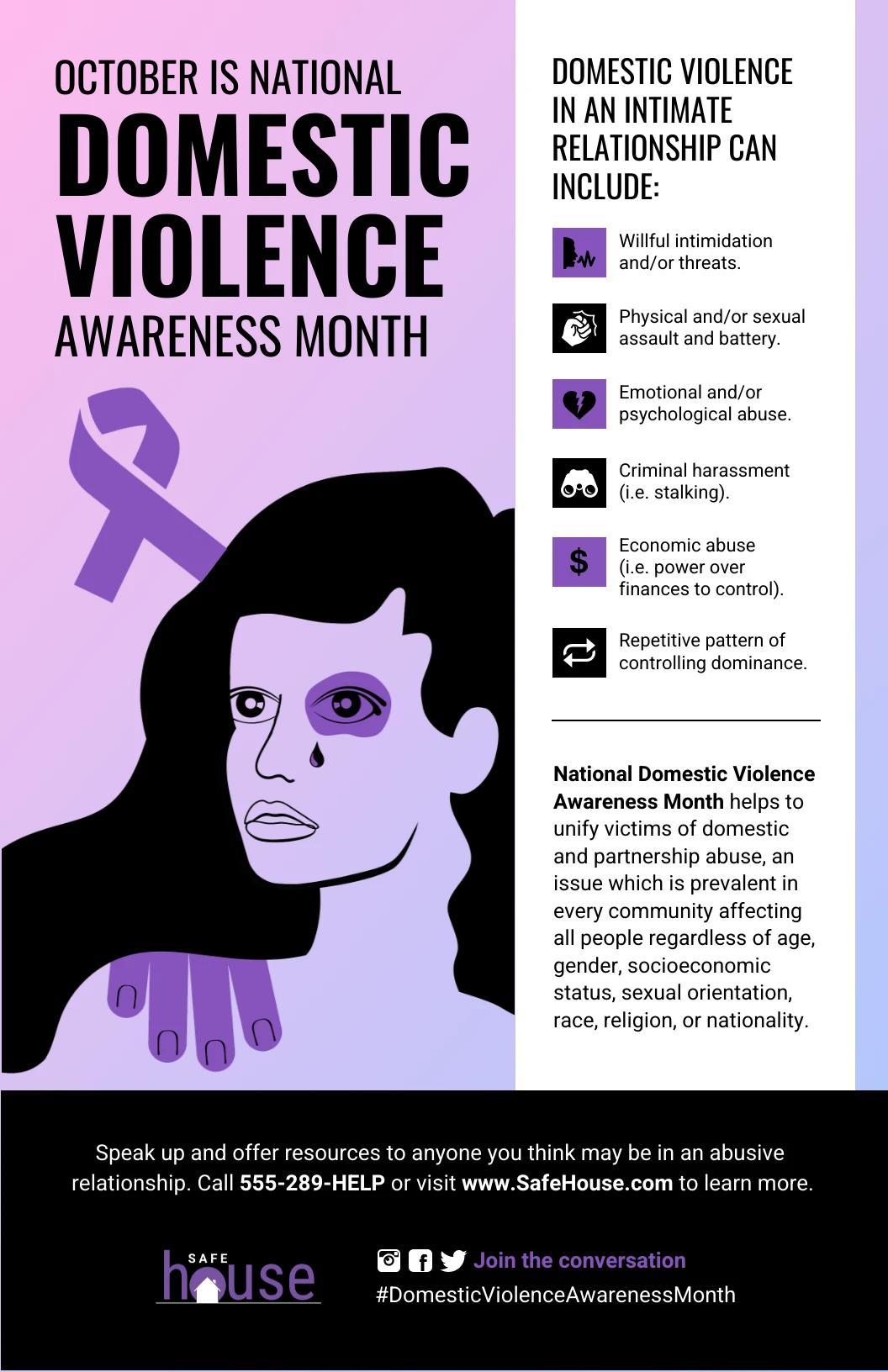
The recent Bengaluru murder case has shocked the nation, bringing to light the alarming escalation of domestic violence within intimate relationships. On a fateful morning, a 22-year-old woman from Sikkim, identified as Ati Hangma Subba, was brutally killed by her live-in boyfriend, illuminating the tragic consequences of a fierce argument that spiraled out of control. Suspicions of infidelity led to a violent confrontation between the couple, culminating in the accused slitting Subba’s throat with a kitchen knife. This chilling incident not only raises critical questions about the safety of women in relationships but also the darker aspects of live-in arrangements in urban settings. As Bengaluru news outlets cover this horrific event, it serves as a grim reminder of how passion can turn deadly, highlighting the need for heightened awareness and intervention in cases of domestic disputes.
A heartrending event in Bengaluru has drawn attention to the rising issue of violent conflicts within personal relationships. The tragic case involves a young woman, originally from Sikkim, who lost her life at the hands of her boyfriend during an intense domestic argument fueled by jealousy. This incident reflects broader societal concerns surrounding the dynamics of living together as a couple and the potential for such relationships to devolve into violence. The brutal circumstances of this murder underscore the importance of understanding the roots of domestic violence and the societal factors contributing to such tragic outcomes. As investigations continue, the story serves as a critical exploration of the perils that can stem from intimate partnerships gone awry.
The Dark Reality of Domestic Violence: The Bengaluru Murder Case
The horrific murder of a 22-year-old woman from Sikkim in Bengaluru underscores the pervasive issue of domestic violence often hidden behind closed doors. Each year, countless individuals suffer in silence within their homes, caught in cycles of abuse and manipulation. The case of Ati Hangma Subba highlights how a moment of mistrust—stemming from an argument over alleged infidelity—can spiral into a tragic outcome. This incident not only raises alarm about violence in intimate relationships but also calls attention to societal attitudes toward domestic disputes, which often downplay the grave consequences that can emerge.
Further complicating these domestic dynamics is the concept of live-in relationships, where couples might face additional pressures without the support structures associated with traditional marriages. The assumption that these arrangements are more liberal can often blind individuals to the realities of relationships marred by jealousy and mistrust. The incident involving Subba and her boyfriend, Purba Lepcha, serves as a chilling reminder that even in seemingly modern living situations, underlying tensions can manifest in violent ways. It emphasizes the urgent need for awareness and resources for individuals in such precarious circumstances.
Understanding Live-in Relationships and Their Challenges
Live-in relationships, while increasing in popularity, bring with them a unique set of challenges that can escalate into severe conflicts. For young couples like Ati Hangma Subba and Purba Lepcha, transitioning to sharing a living space can uncover deep-rooted insecurities and fears, particularly in situations marked by jealousy. This particular case highlights the dangers that can arise from unaddressed suspicions and emotional turmoil. The absence of solid communication and conflict resolution mechanisms in their relationship likely contributed to the fatal argument that took place.
In many instances, particularly among youth engaging in live-in arrangements, the lack of relationship experience can make them ill-equipped to handle disputes. Without the safety nets that marriage often provides, such as mutual commitments and family backing, couples might find themselves in vulnerable positions during conflicts. This deadly outcome in Bengaluru brings to light the necessity for education around healthy relationship practices and the importance of recognizing the signs of coercive control that can lead to domestic violence.
Investigative Updates and Legal Proceedings
Following the tragic incident, Bengaluru police swiftly launched an investigation that culminated in the arrest of Purba Lepcha. Authorities have indicated that preliminary investigations revealed a pattern of domestic disputes between the couple, fueled by mistrust and jealousy. This case is particularly concerning as it demonstrates a blatant disregard for the sanctity of life, stemming from an easily avoidable argument. The intensity with which this altercation escalated into murder leaves many questioning what support was available to the couple before this tragedy unfolded.
As the investigation progresses, police are delving deeper to understand the nuances of the relationship, including the psychological factors that led to such a violent outburst. This case will likely serve as a pivotal point in discussions around legal protections for individuals involved in domestic disputes in Bengaluru. The outcome of the legal proceedings may also influence how future cases of domestic violence are handled, emphasizing the need for stricter regulatory measures and support systems for victims and at-risk individuals.
The Importance of Societal Awareness Regarding Domestic Issues
The murder of Ati Hangma Subba in Bengaluru is a stark reminder of the critical need for societal awareness regarding domestic violence and the underlying issues that contribute to such tragic events. Often, many individuals fail to recognize not only the signs of an unhealthy relationship but also the real impacts of emotional and psychological abuse. There is an urgent need for communities to engage in dialogues about relationship health, educate themselves on the dynamics of domestic violence, and foster environments where victims feel safe to speak out.
In many cases, victims of domestic violence may not seek help due to fear of stigma or a lack of trustworthy support resources. This tragedy illustrates that incidents, much like the Bengaluru murder case, force us to confront uncomfortable truths about our societal norms concerning relationships. Establishing support systems, such as hotlines or counseling services, is essential for empowering individuals to escape abusive relationships and prevent further violence. Awareness campaigns are crucial in educating the public about the profound impact of domestic disputes and equipping individuals to identify and report instances of violence.
The Role of Authorities in Preventing Domestic Violence
In light of the recent murder case in Bengaluru, the role of local authorities and law enforcement agencies in preventing domestic violence has come under scrutiny. Police response to domestic disputes is critical, as early intervention can often mitigate situations before they escalate into violence. The case of Ati Hangma Subba exemplifies how, without proper awareness and immediate attention, domestic disagreements can lead to irreversible consequences. Therefore, police training specific to domestic violence situations is paramount in ensuring officers are equipped to handle these delicate cases effectively.
Moreover, community policing strategies that involve engaging local organizations and outreach programs can significantly enhance the support available to individuals experiencing domestic violence. Establishing strong partnerships with NGOs and mental health professionals allows for a holistic approach to domestic disputes, combining law enforcement with psychological support systems. This multifaceted strategy can aid in preventing future tragedies similar to the one seen in Bengaluru, as it fosters a community-centric approach to safeguarding at-risk individuals.
Coping Mechanisms for Survivors of Domestic Violence
In the aftermath of a tragic incident like the Bengaluru murder case, it’s crucial to discuss coping mechanisms available for survivors of domestic violence. Individuals who have experienced abusive relationships often face immense emotional trauma that can affect their mental health, relationships, and overall well-being. Support networks, including friends, family, and professionals, play a vital role in helping survivors process their experiences and begin the healing journey. Therapy and counseling can provide survivors with the tools to rebuild their lives and regain a sense of control.
Survivors may also benefit from educational programs that empower them with knowledge about healthy relationship dynamics and self-advocacy. Engaging in support groups with others who have experienced similar traumas can help to normalize their experiences and foster a sense of community. Encouraging storytelling and sharing among survivors can further facilitate healing and growth. Overall, providing adequate support systems and resources for victims can significantly reduce the number of domestic violence cases, preventing future tragedies reminiscent of the Bengaluru murder.
Legal Actions and Justice for Victims
The legal proceedings following the Bengaluru murder case are critical for establishing justice for the victim and setting a precedent for how domestic violence cases are handled in the future. Understanding the legal rights of victims and the responsibilities of the accused is essential in this context. Initiatives aimed at increasing the efficiency of the judicial process regarding domestic violence can help ensure that cases are dealt with promptly and sensitively, reflecting the urgency of addressing such serious offenses.
Furthermore, advocacy for legal reforms is necessary to strengthen protections for victims of domestic violence. This includes discussing potential changes to existing laws to create a more robust framework for prosecuting offenders effectively. Community engagement and activism can help prompt these necessary legal changes, ensuring that the justice system serves as a deterrent to potential perpetrators and a source of support for victims. The outcome of high-profile cases like that of Ati Hangma Subba can influence public perceptions and lead to vital changes in legal measures aimed at protecting victims of domestic violence.
Preventive Strategies Against Domestic Violence
Preventing incidents of domestic violence requires a multifaceted approach involving education, community resources, and legal support. One of the key strategies is implementing educational programs in schools and communities that focus on healthy relationship dynamics, conflict resolution, and the dangers of domestic disputes. By educating young individuals about the signs of an abusive relationship and providing them with tools to navigate conflicts, we can foster a generation that actively seeks peaceful resolutions instead of resorting to violence.
Additionally, partnerships with community organizations can facilitate outreach programs that provide resources and support to those potentially in dangerous situations. Creating safe spaces where individuals can seek help without fear of judgment is essential. Furthermore, advocating for local law enforcement to prioritize domestic violence cases can ensure that appropriate responses are enacted swiftly. By integrating various strategies, we can create an environment conducive to preventing domestic violence, ultimately saving lives and diminishing the need for conversations surrounding tragedies like the Bengaluru murder.
The Impact of Media in Shaping Domestic Violence Narratives
The media plays a significant role in shaping societal narratives around domestic violence, as demonstrated by public reactions to the Bengaluru murder case. How incidents are reported can influence public attitudes toward domestic disputes, which can either promote awareness or perpetuate stigma. Responsible reporting that highlights the complexities of domestic violence rather than sensationalizing it can foster a deeper understanding of the issue and encourage victims to come forward. Case studies, like that of Ati Hangma Subba, can spark dialogues that challenge cultural norms surrounding relationships and inspire collective action to combat domestic violence.
Moreover, media campaigns can serve as powerful tools for advocacy, promoting available resources for victims and emphasizing the importance of speaking out against abuse. By highlighting stories of survival and recovery, the media can inspire hope and resilience among those affected by domestic violence. It is crucial for media outlets to approach such subjects with empathy and responsibility, ensuring that they contribute positively to the discourse against domestic violence and promote protective measures for potential victims, ultimately helping to prevent further tragedies.
Frequently Asked Questions
What happened in the Bengaluru murder case involving a Sikkim woman?
In the Bengaluru murder case, a 22-year-old woman from Sikkim, Ati Hangma Subba, was allegedly murdered by her boyfriend, Purba Lepcha. The incident occurred during an argument in their home in Doddakanahalli, where the boyfriend allegedly suspected her of infidelity. He fatally attacked her with a kitchen knife.
What leads to the argument that turned fatal in the Bengaluru murder case?
The argument that turned fatal in the Bengaluru murder case stemmed from the suspect’s suspicions regarding the victim’s fidelity. Following a confrontation over these fears, the accused attacked the victim, resulting in her death.
What are the details surrounding the domestic violence aspect of the Bengaluru murder case?
The Bengaluru murder case highlights the tragic consequences of domestic violence. The crime arose from a heated dispute between a live-in couple, revealing the disturbing realities of intimate partner violence that can escalate to fatal outcomes.
Who are the individuals involved in the Bengaluru murder case?
The individuals involved in the Bengaluru murder case are Ati Hangma Subba, the 22-year-old victim from Sikkim, and her boyfriend Purba Lepcha, who has been arrested for the murder. Both had recently relocated to Bengaluru and were living together.
What are the authorities doing regarding the Bengaluru murder case?
Authorities have arrested Purba Lepcha following the murder of Ati Hangma Subba. The police are conducting a thorough investigation into the incident to gather more evidence and understand the circumstances surrounding this tragic event.
How does the Bengaluru murder case relate to trends in domestic violence?
The Bengaluru murder case underscores alarming trends in domestic violence, particularly in young couples living together. It illustrates how disputes, especially those arising from jealousy or infidelity, can lead to tragic violence.
What can be learned from the Bengaluru murder case about live-in relationships?
The Bengaluru murder case serves as a grave reminder of the potential dangers in live-in relationships, particularly when unresolved conflicts and jealousy surface. It highlights the need for better communication and support systems for young couples.
What steps can be taken to prevent incidents like the Bengaluru murder case?
Preventing incidents like the Bengaluru murder case requires education on domestic violence, encouraging open communication in relationships, and providing access to counseling services. Awareness campaigns can help address underlying issues before they escalate.
| Key Points |
|---|
| A 22-year-old woman from Sikkim was murdered by her boyfriend in Bengaluru. |
| The incident occurred in Doddakanahalli following an argument over suspected infidelity. |
| The accused, Purba Lepcha, allegedly slit the victim’s throat with a kitchen knife. |
| Both the victim, Ati Hangma Subba, and the accused had recently moved to Bengaluru and were living together. |
| Police have arrested the boyfriend and are conducting further investigations into the tragic incident. |
Summary
The Bengaluru murder case highlights a tragic incident where a young woman lost her life due to domestic violence, following suspicions of infidelity. This heartbreaking event serves as a stark reminder of the extreme consequences that can arise from personal disputes. The ongoing investigation into this case reflects the urgency for community awareness and prevention of domestic disputes. It underscores the importance of addressing issues of trust and interpersonal conflict in relationships before they escalate into violence.



























