

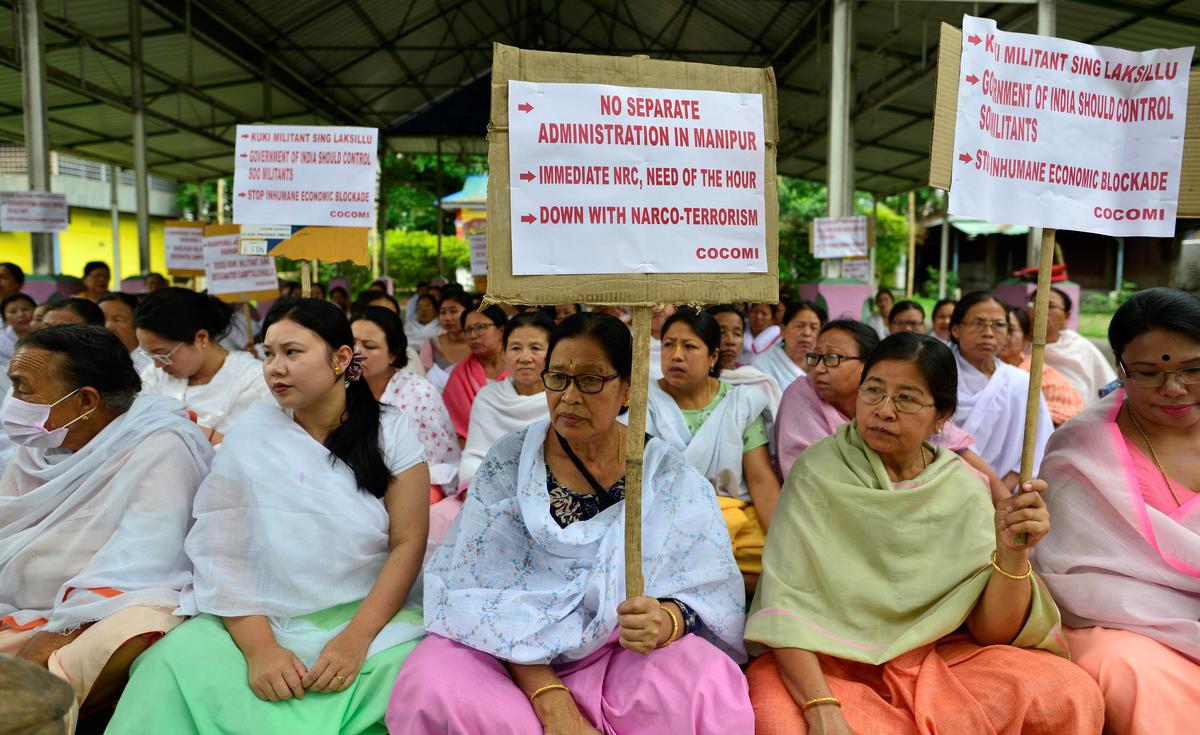
The recent Manipur patient transfer protests have highlighted the deepening unrest within the region, particularly surrounding the treatment of injured Kuki individuals at the Regional Institute of Medical Sciences (RIMS) in Imphal. On June 17, tensions flared as security forces moved three injured patients from the hospital amid public demonstrations Manipur in response to civil society demands for their removal. Protests erupted after the admission of these patients drew fierce objections, leading to clashes between demonstrators and authorities, including the use of tear gas to disperse crowds. The backdrop of the unrest was intensified by the recent tragic killing of six Naga civilians, further inflaming community sentiments and questions about the patients’ affiliations. As the civil society actions continue, the government faces mounting pressure to clarify the situation and address the concerns regarding the relocation of these injured patients.
In the midst of ongoing turmoil in Manipur, the recent uproar surrounding the transfer of patients has captured significant attention, reflecting the strained dynamics within the region. Known for its complex social fabric, the unrest at the Regional Institute of Medical Sciences (RIMS) has sparked widespread public demonstrations and debates about the treatment of the Kuki community. The protests have underscored the community’s grievances and demands for transparency, particularly following the violent incidents that claimed the lives of civilians. This situation not only emphasizes the urgency for discussions regarding healthcare protocols but also sheds light on the broader implications of civil unrest influenced by ethnic tensions and historical grievances. As local authorities navigate this delicate balance, the call for accountability and justice remains a pressing concern amid a backdrop of community anguish.
The Rising Tensions Behind Manipur Patient Transfer Protests
The patient transfer protests in Manipur have ignited a wave of unrest, predominantly fueled by existing tensions between various communities. On June 15, public demonstrations surged in response to the admission of injured Kuki patients at the Regional Institute of Medical Sciences (RIMS) in Imphal. Protesters demanded clarity about the patients’ identities and their affiliations, marking a significant moment in the already strained relations between the Kuki and Naga communities. The protests prompted a heavy security presence around RIMS, culminating in clashes as frustrated demonstrators sought answers from the government, illustrating the complexities of civil society actions amidst deep-seated ethnic conflicts.
Amid these protests, Chief Minister Yumnam Khemchand Singh’s assurances about the transfer of the Kuki patients from RIMS only added fuel to the fire when the expected timelines were not honored. This situation escalated public sentiment, leading to ongoing demonstrations and unrest around the hospital. Protesters, concerned about the implications of these transfers, vocalized their concerns over the timing amidst rising violence in the region, including the recent tragic killing of six Naga civilians. The gravity of these protests underscores the intricate web of emotions and historical grievances that characterize the current situation in Manipur.
Civil Society Actions and their Impact on Healthcare Accessibility
Civil society actions in Manipur, particularly surrounding the patient transfer protests, showcase the critical role of community involvement in matters of healthcare access and ethnic relations. As the protests at RIMS unfolded, community members rallied together, driven by a collective desire to protect their own amidst fears of bias in healthcare treatment. The heavy police presence and the use of tear gas reflect the severity of the unrest, illustrating how civil society can exert pressure during times of strife. This situation not only affects those seeking medical care but also signals the broader implications of community divisions on public health systems.
Healthcare accessibility in regions marked by civil unrest is often compromised due to ongoing tensions, as seen in the patient transfer incidents in Imphal. The relocation of injured Kuki patients amid protests raises questions regarding the safety and well-being of such individuals. Protests like these emphasize the necessity for transparent dialogue between the government and the communities involved. A sustainable resolution requires a commitment to alleviate fears and foster trust within the healthcare system, so that all citizens can receive the care they need, irrespective of their ethnic background. The ongoing turbulence in Manipur stands as a stark reminder of the challenges faced by healthcare institutions amid civil discord.
The Role of Public Demonstrations in Shaping Government Response
Public demonstrations in Manipur have played a vital role in shaping the government’s response during the recent patient transfer protests. When concerns regarding the care of injured Kuki individuals at RIMS mounted, protesters leveraged their collective voice to call for immediate action. This public outrage not only drew attention to the specific instance of healthcare access but also highlighted a recurring theme in the region — the demand for accountability from authorities. The protests reflect a growing sentiment in civil society that the government must be held responsible for its decisions and their impact on minority communities.
Moreover, the demonstrations served as a reminder of the power of community solidarity in advocating for marginalized groups. By uniting against perceived injustices, the protesters have compelled officials to respond to their concerns, leading to an agreement for the transfer of the patients, albeit under contentious circumstances. However, the ongoing unrest around these issues signifies that while short-term gains may be achieved, lasting peace and reconciliation in Manipur will require sustained efforts from both the government and civil society to address the underlying tensions and grievances.
Patient Relocation: A Double-Edged Sword in Conflict Zones
The recent relocation of injured Kuki patients from RIMS hospital highlights the complex dynamics often at play in conflict zones such as Manipur. This patient transfer, arranged under a backdrop of escalating protests, arises from a necessity to address immediate safety concerns for both the patients and healthcare providers. However, such movements often carry broader implications, including further entrenching divisions among communities. While the transfer may momentarily alleviate tensions around the hospital, it simultaneously raises questions about the healthcare policies in place during politically charged periods.
On the one hand, relocating patients can be seen as an immediate response to civil unrest, aiming to pacify demonstrators and uphold the integrity of medical institutions. On the other, this tactic can exacerbate feelings of alienation among communities who may perceive the actions as biased or discriminatory. Thus, while patient relocation can be a tool for conflict management, it must be executed thoughtfully and with transparency to foster trust and ensure equitable access to medical care among different ethnic groups within Manipur.
Examining the Underlying Causes of Protests in Manipur
The recent protests in Manipur serve as a reflection of deeper societal issues, particularly concerning ethnic relations and governance. The unrest around the transfer of the injured Kuki patients not only stems from immediate healthcare concerns but also from a long history of grievances among the communities involved. Tensions have reached a boiling point in recent weeks, exacerbated by violent incidents leading to fatalities, underlining a crisis that transcends the scope of healthcare alone. Understanding these underlying causes is crucial to addressing the discontent and mistrust that permeates society.
Furthermore, the protests can be seen as a manifestation of a broader call for social justice and equitable treatment by the government. The Kuki community, alongside others, seeks not just redress for specific grievances but also a reassessment of their place within the socio-political fabric of Manipur. Only through an acknowledgment of these historical injustices can a foundation for healing and reconciliation be laid, allowing communities to work towards a cohesive future over the shared challenges they face.
The Impact of RIMS Hospital Unrest on Healthcare Services
The unrest surrounding the Regional Institute of Medical Sciences (RIMS) has not only drawn national attention but has also significantly impacted healthcare services in Manipur. As protests erupted following the admission of injured Kuki patients, the situation revealed vulnerabilities in the hospital’s operations due to the inter-communal conflicts. RIMS, a critical healthcare facility, found itself at the center of a political storm, emphasizing how civil unrest can impede access to necessary medical care for individuals in need.
Moreover, ongoing demonstrations have placed additional strain on healthcare providers, who must navigate the complexities of delivering care under stressful conditions. Doctors and staff working at RIMS were compelled to respond to both the medical needs of patients and the significant security concerns surrounding the protests. The unrest thus highlights a critical intersection between civil rights, healthcare access, and community relations, emphasizing the need for comprehensive strategies that prioritize health while addressing the social dynamics at play.
Responding to Community Concerns Amidst Tensions
In light of the intense protests regarding the patient transfer of Kuki individuals, it’s imperative for the Manipur government to respond effectively to community concerns. The reality is that the grievances aired during these public demonstrations are rooted in a broader narrative of fear, anger, and mistrust, stemming from historical injustices and recent violence. Engaging in constructive dialogue with representatives of all community factions can pave the way towards addressing these issues transparently, potentially diffusing tension and fostering a sense of inclusivity and understanding.
Furthermore, if local authorities want to build trust, they must ensure that actions taken, such as patient transfers, include input from civil society groups and leadership representatives. By proactively addressing these tensions, the government has the potential not only to facilitate better inter-community relations but also to improve overall public health outcomes. Effective responses that engage with the community’s concerns are essential in rebuilding trust and ensuring that healthcare resources are equitably accessible to all individuals, irrespective of their ethnic backgrounds.
Public Sentiment and Its Influence on Healthcare Protocols
Public sentiment in Manipur significantly influences healthcare protocols, especially during times of unrest like the recent patient transfer protests. The extensive demonstrations surrounding the relocation of injured Kuki individuals have shown how community perception can dictate healthcare responses from governmental bodies. When public sentiment aligns with specific grievances, as was the case following the protests at RIMS, it can lead to immediate changes in healthcare policy and practice. This rapid response indicates that healthcare systems are not only public health institutions but also arenas of social negotiation and ethnic politics.
In many cases, negative public sentiment can complicate healthcare delivery — healthcare providers may face challenges in fulfilling their duties due to fear of backlash or unrest. The situation at RIMS reveals how crucial trust between communities and healthcare institutions is; failing to address public concerns can have serious repercussions, both for immediate healthcare access and for the long-term relationship between ethnic communities and health services. Thus, understanding and engaging with public sentiment is essential for fostering a responsive and equitable healthcare environment in Manipur.
Frequently Asked Questions
What prompted the Manipur patient transfer protests at RIMS hospital?
The Manipur patient transfer protests at RIMS hospital were triggered by public objections to the admission of injured Kuki patients amidst rising tensions in the region. Following the recent violent incidents, including the killing of six Naga civilians, civil society groups and community members expressed their discontent, demanding transparency about the patients’ identities and affiliations, further escalating the unrest.
| Key Points |
|---|
| Three injured Kuki patients were transferred from RIMS hospital under tight security on June 17 at 12:15 am due to protests. |
| Public protests had escalated since June 15, demanding the removal of the Kuki patients and clarification about their identities. |
| Protesters claimed no previous objections to Kuki patients receiving treatment at RIMS and connected the current protests to a recent violent incident involving six Naga civilians. |
| The transfer was postponed from June 16 and took place only after government assurances given to protesters. |
| Security forces used tear gas to disperse crowds during the height of the protests around the hospital. |
| The destination of the Kuki patients after the transfer has not been disclosed by the authorities. |
| Concerns remain over the lack of arrests related to the murder of the six Naga civilians, heightening tensions in the community. |
Summary
The Manipur patient transfer protests encapsulate a deeply rooted conflict in the region, reflecting the tensions between communities following a recent violent incident. The protests emerged from growing dissatisfaction with the treatment of Kuki patients at RIMS, highlighting the interplay between healthcare access and ethnic identity in Manipur. Escalating public sentiment, especially after the tragic killings of Naga civilians, emphasized the fragile peace and the urgency for the government to address concerns raised by the demonstrators. Through this situation, it is evident that public trust is at stake, urging authorities to communicate transparently about patient transfers and the underlying issues of community unrest in Manipur.



























