

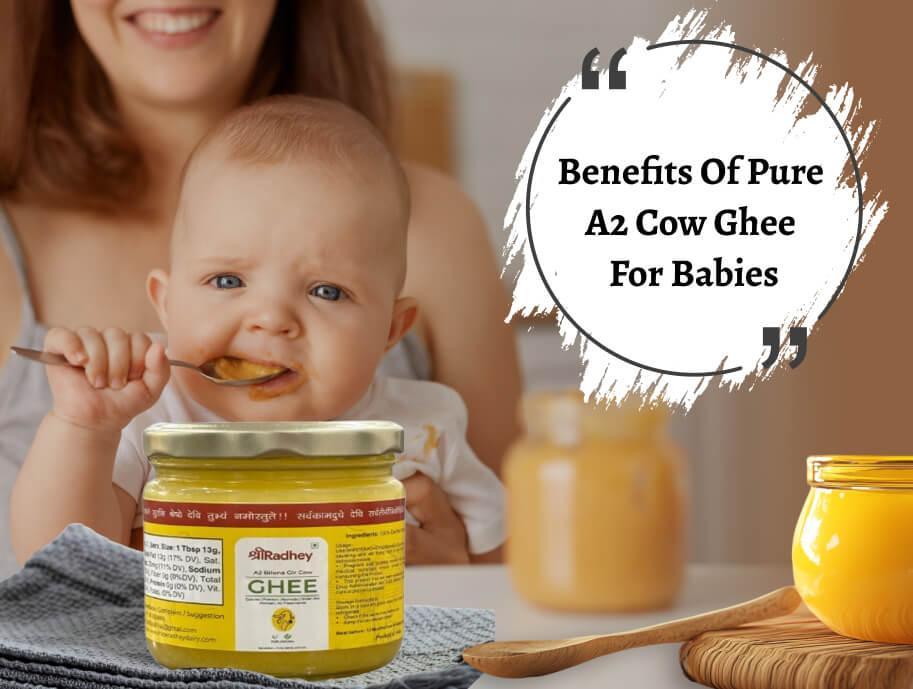
Baby home remedies have long been a staple in nurturing newborns, with parents often turning to traditional solutions to soothe their little ones. In many households, remedies like ghee for babies, gripe water, and kajal are passed down through generations, believed to support health and ward off negativity. However, as these practices integrate into modern parenting, questions regarding their safety arise. Are these so-called safe baby remedies backed by scientific evidence, or do they carry hidden risks? Delving into the intersection of tradition and science can help new parents make informed choices about the remedies they choose for their infants.
In the world of infant care, alternative terms such as natural baby treatments and holistic baby care frequently surface, especially as parents seek effective ways to provide comfort without dependence on pharmaceuticals. From nutrition-rich ingredients like ghee to widely acknowledged solutions like gripe water, caregivers often explore various cultural practices to nurture their babies. These approaches reflect a blend of wisdom and instinct passed through family generations, yet it is crucial to assess their efficacy and safety. Understanding the broader spectrum of traditional baby care practices not only enriches parenting experiences but also fosters a balanced approach to baby health.
Understanding Baby Home Remedies: Ghee, Gripe Water, and Kajal
Baby home remedies often evoke a sense of nostalgia, as many parents rely on the timeless wisdom their grandparents imparted. Remedies like ghee, gripe water, and kajal are often portrayed as essential staples in nurturing infants. Ghee, a traditional fat, is frequently praised for its nutritional benefits, believed to contribute to a baby’s growth and development. Many parents choose to incorporate ghee into their baby’s diet, primarily after they start solids, aiming to enhance flavor and nutrition in their meals.
However, it is crucial for parents to approach these remedies with informed caution. While ghee does contain healthy fats beneficial for babies, it is not a miracle food. As Dr. Purushottam Das Garg points out, a balanced diet remains the cornerstone of healthy development. Across many cultures, gripe water is also embraced for its purported ability to relieve gas and colic in babies. Yet, despite its popularity, parents should investigate the efficacy and safety of such remedies, especially as scientific validation is limited.
The Benefits and Risks of Using Ghee in Baby Diets
Ghee is often revered as a healthy fat for babies, believed to support growth due to its caloric density and nutritional content. When introduced in moderation, it can help to enhance the flavor of baby food, making it more appealing to infants as they transition to solids. Experts suggest mixing small quantities, around ¼ to ½ teaspoon, into purees or khichdi, to avoid overwhelming a baby’s developing digestive system. The timing of introducing ghee is equally important; typically, after six months is considered ideal based on readiness for solid foods.
On the flip side, too much ghee can lead to an imbalanced diet, overshadowing the nutritional benefits of other essential foods. Parents must be mindful that ghee should not be seen as a shortcut to improved health or weight gain. The focus should remain on providing a variety of nutrients through a well-rounded diet. Also crucial is the quality of ghee; organic, unsalted ghee should be favored to ensure a premium ingredient is provided to the baby.
Gripe Water: Efficacy and Safety Considerations
Many parents find themselves turning to gripe water as a go-to solution for calmness during uncomfortable moments with their babies. Made from natural herbs like fennel and chamomile, some believe it can alleviate gas and colic symptoms. Despite its widespread use, there is an ongoing debate about whether gripe water is genuinely effective. As per pediatricians, addressing the underlying causes of a baby’s distress should take precedence over administering remedies perceived to be quick fixes.
Additionally, concerns regarding the safety of gripe water arise, particularly with formulations that may include additives. Parents are advised to choose trusted brands or consider homemade versions to mitigate risks. This approach allows them to maintain control over the quality of ingredients used. Luckily, many families opt for traditional recipes passed down through generations, preserving the essence of cultural practices while ensuring the baby’s safety and health.
Kajal: A Cultural Tradition with Safety Risks
Applying kajal is a tradition steeped in cultural significance, often associated with protecting infants from the evil eye. Many parents believe that it enhances a baby’s charm and wards off negativity. However, while these beliefs are deeply rooted in tradition, the safety of kajal for infants remains a critical concern for medical professionals. Certain types of kajal contain harmful substances, possibly including lead, which is hazardous for a developing child’s brain and body.
The risk escalates even with homemade kajal, which some parents assume is safer due to its natural ingredients. Unfortunately, the preparation and storage methods can introduce contaminants that pose risks to the infant’s delicate eyes. Engaging in informed dialogues about the potential dangers of traditional practices like kajal application helps parents make safer choices, ensuring their baby’s health is prioritized above cultural conformity.
The Importance of Parental Awareness in Traditional Remedies
It is essential for parents to strike a balance between honoring traditional beliefs and ensuring the safety of their infants. While home remedies like ghee, gripe water, and kajal have been relied upon through generations, modern medical guidance cannot be overlooked. A growing body of research encourages parents to seek scientific validation of these remedies, prioritizing the well-being and safety of their children over conventional wisdom.
Developing an open dialogue with pediatricians can empower parents to make well-informed decisions regarding their baby’s health and nutrition. Considering the importance of evidence-based practices, parents are encouraged to analyze traditional remedies critically and adapt them to align with contemporary health recommendations, ensuring that they actively contribute to their baby’s growth and safety.
Cultural Reflections: The Role of Grandparents in Baby Care
Grandparents often play a vital role in the upbringing of grandchildren, frequently serving as a fountain of wisdom regarding child-rearing practices. Their experiences and long-held beliefs about remedies like ghee and gripe water come deeply embedded in cultural identities. However, as new scientific evidence emerges, it’s essential for modern parents to engage with grandparents about the potential risks associated with traditional practices, while still respecting their insights and experiences.
Creating a space for dialogue allows families to blend cultural care practices with contemporary medical knowledge effectively. By doing so, parents can inherit the love and wisdom of their elders while ensuring that the health and safety of their babies remain paramount. Ultimately, this balanced approach can lead to a more harmonious family dynamic in the journey of raising healthy children.
A Note on the Evolving Landscape of Baby Care
The landscape of baby care is ever-evolving, influenced by advances in medical knowledge and research. Parents today are more inclined to assess the safety and efficacy of traditional home remedies, pushing for a cautious implementation of practices handed down through generations. While many individuals cherish these time-honored approaches, blending them with evidence-based practices can provide a comprehensive framework for responsible parenting.
As the understanding of infant health continues to progress, parents are increasingly equipped to create nurturing environments for their little ones. The dialogues within families about the relevance and safety of home remedies demonstrate a proactive approach to child-rearing, allowing for the celebration of culture while advocating for the best for babies. Engaging with professionals and fostering a continuous learning mindset is pivotal for promoting optimal health and safety.
Navigating the Myths Surrounding Baby Remedies
In the realm of baby care, a plethora of myths often cloud parental judgment about what remedies are beneficial or harmful. For instance, while many believe that ghee can serve as an exceptional brain food for babies, the nutritional landscape is considerably more complex. Similarly, the comforting promise of gripe water as a miracle gas reliever can mislead parents into overlooking underlying health issues in their infants.
Being well-informed empowers parents to navigate the misconceptions surrounding these remedies. Paying heed to expert opinions and merging this knowledge with cultural practices fosters a clearer understanding of what is genuinely safe and effective. Discouraging reliance on anecdotal evidence alone prompts parents to engage in a critical evaluation of the home remedies deemed suitable for their babies.
Encouraging Safe Practices Among New Parents
As new parents embark on their journey of caring for infants, establishing safe practices is crucial. The stakes are high when it comes to the health and safety of newborns, as their vulnerabilities necessitate heightened caution. Familiarizing themselves with the latest medical guidelines, as well as seeking opinions from pediatricians, arms parents with the knowledge needed to foster safe and nurturing environments.
Equally important is the role of community and support networks in providing valuable resources and shared experiences. By encouraging family discussions about baby care, new parents can assert their preferences while remaining open to learning from seasoned caregivers. Such interactions foster a sense of camaraderie that ultimately ensures the well-being of infants through safe and informed practices.
Frequently Asked Questions
Are traditional baby home remedies like ghee or gripe water safe for infants?
When considering baby home remedies such as ghee and gripe water, safety and scientific evidence are paramount. Ghee can be introduced into a baby’s diet in small amounts around six months old, offering nutritional benefits without compromising their health. Gripe water, often used for gas relief, is commonly given to babies; however, its effectiveness lacks solid scientific backing. Parents should focus on identifying the root cause of discomfort rather than relying solely on these remedies. Always consult a pediatrician before trying new remedies.
| Home Remedy | Description | Expert Opinion | Safety for Babies |
|---|---|---|---|
| Ghee | Believed to support strength and healthy growth; often added to baby food from 6 months onwards. | Nutritional value exists, but should not be relied upon solely for weight gain. | Safe in small amounts (1/4 to 1/2 teaspoon) after 6 months, but excess may disrupt diet balance. |
| Gripe Water | Commonly used for gas and colicky babies; contains herbal ingredients. | Limited scientific support for its effectiveness; underlying issues should be identified first. | Generally considered safe, but should not replace identifying actual cause of discomfort. |
| Kajal | Applied for cultural beliefs; thought to protect against the evil eye. | No proven benefits for eyesight; caution advised due to possible harmful substances. | Risky due to potential lead content; best to avoid use on infants. |
Summary
Baby home remedies have been a beloved aspect of cultural practices, especially in Indian households. However, as parents seek to ensure the safety and well-being of their infants, it’s crucial to approach these remedies with a discerning eye. While ghee can be a nutritious addition to a baby’s diet when introduced properly, and gripe water may provide temporary relief in some situations, neither should overshadow the importance of understanding the baby’s unique health needs. On the other hand, the use of kajal, often seen as a protective charm, carries potential risks that can harm rather than help. Therefore, it is best for parents to consult healthcare professionals and prioritize safe, evidence-based practices when considering baby home remedies.



























