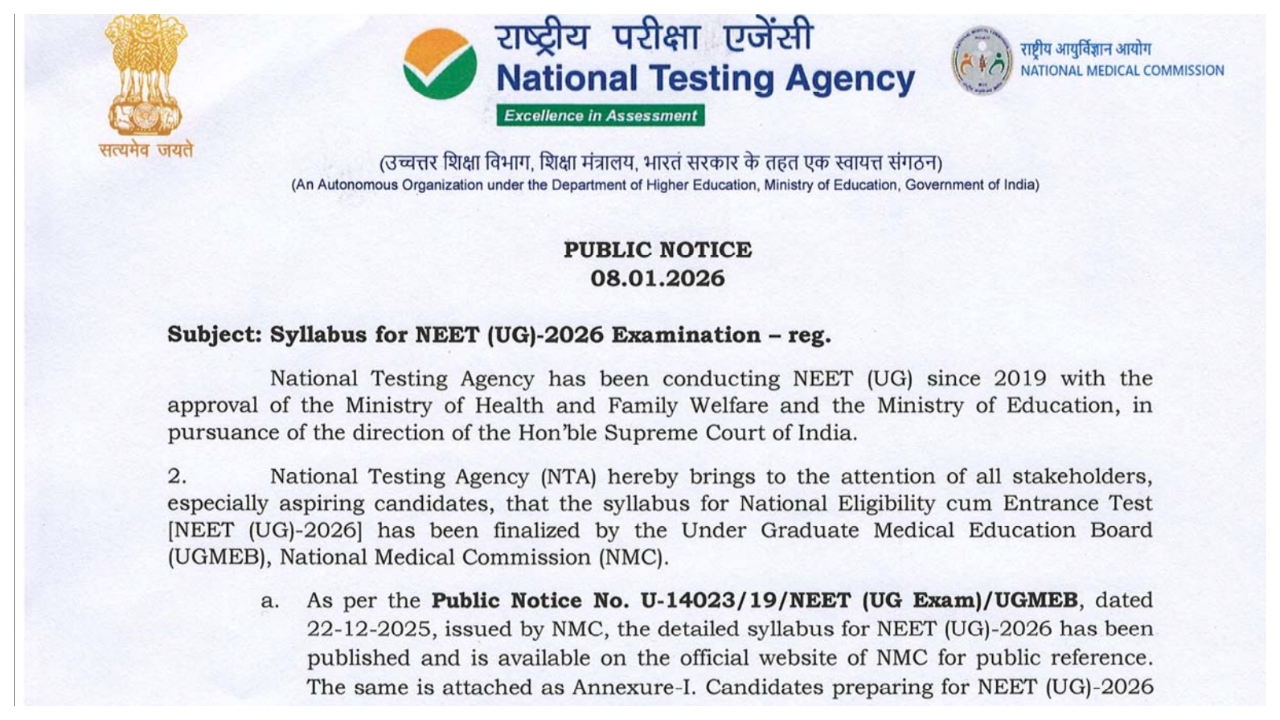
The recent Telegram government restriction regarding the NEET-UG 2026 re-examination has sparked significant controversy across India. In an effort to combat cheating networks and papel leak allegations, the Central government imposed temporary access restrictions on the messaging platform, affecting over 150 million users nationwide. This move was executed under Section 69A of the Information Technology Act, 2000, with the intention of safeguarding the integrity of the upcoming examination taking place on June 21. Telegram has since responded by challenging these measures in the Delhi High Court, citing concerns about digital privacy and the impact on users. This situation highlights the delicate balance between preventing academic dishonesty and preserving the rights of individuals in the digital age.
In light of the ongoing controversy surrounding the NEET-UG 2026 re-examination, the temporary limitations placed on Telegram usage represent a pivotal moment in India’s approach to digital communication during critical assessments. The government’s initiatives aim to thwart organized cheating practices and address suspicions surrounding fabricated examination materials. As authorities enforce such restrictions, they must confront the broader implications for digital privacy and user accessibility. Telegram’s legal challenge against these access hindrances underscores the tension between regulatory measures and the rights of millions using the platform for legitimate purposes. The situation serves as a significant case study in the management of online spaces amid rising concerns over academic integrity.
Telegram Government Restriction NEET-UG 2026: A Necessary Evil?
The recent restrictions placed on Telegram by the Central Government have ignited debates across various sectors, particularly among students preparing for the NEET-UG 2026 examination. These measures, aimed at curbing organized cheating, have been a point of contention, especially since over 150 million users in India rely on the platform for communication. Government officials have made it clear that the temporary ban on Telegram aims to prevent potential cheating networks that could exploit the digital communication features available on the app. Critics argue that while maintaining the integrity of examinations is crucial, limiting access to a widely used platform raises significant digital privacy concerns.
In approaching the Delhi High Court, Telegram is challenging the government’s decision, citing the sweeping impact on communication among its vast user base. The case highlights the delicate balance between enforcing measures against cheating and preserving individual digital rights. Although the government’s intentions may stem from allegations of paper leaks and the rising sophistication of cheating methods, the abruptness of such restrictions has sparked significant backlash, with many questioning whether these actions could unduly punish innocent users who simply rely on the app for daily communication.
Impact of Telegram’s Access Restrictions on Users
The temporary restrictions on Telegram’s access inevitably affect a large number of individuals, particularly students and educators who utilize the platform for study groups, information exchange, and real-time discussions. Since the restrictions coincide with the NEET-UG 2026 examination period, many students fear that they will be cut off from vital resources and peer support just as they approach the critical time for their medical entrance exams. This disruption can lead to heightened stress and anxiety, as reliable communication is crucial for academic support.
Furthermore, the government’s directive to disable Telegram’s message-editing feature adds another layer of complexity to the situation. Many users, particularly those using the app for collaboration and studying, rely on the ability to edit messages for clarity and accuracy. By enforcing such a limitation, the government not only targets potential cheating but also inadvertently affects legitimate users who depend on the platform’s full functionality for effective communication. The ongoing discussions about the nature of digital privacy amidst these restrictions can shape future policies and users’ trust in digital platforms.
Government Cheating Measures and Their Controversy
In light of the NEET-UG 2026 re-examination, the government’s initiative to restrict access to Telegram is portrayed as a necessary measure against organized cheating. The Ministry of Electronics and Information Technology, under the recommendations of the National Testing Agency, has justified these actions in the name of maintaining public order during crucial examinations. While the intentions to combat cheating are indeed valid, the controversy arises from the approach taken. Observers raise concerns over whether such measures truly mitigate the risk of cheating or merely disproportionately affect the rights of millions of users.
Moreover, the implications of these government-mandated restrictions are multi-faceted. On one hand, they serve as a deterrent against cheating; on the other, they fuel discussions about censorship and the potential overreach of government powers in regulating digital spaces. As platforms evolve and cheating methods become more sophisticated, the challenge lies in devising policies that protect the integrity of examinations without infringing on users’ rights to access information and communicate freely. The ongoing deliberations surrounding these measures could influence how digital privacy and access are navigated in the future.
Addressing Digital Privacy Concerns Amidst the Restrictions
As the debate over the government’s restrictions on Telegram unfolds, digital privacy concerns emerge as a predominant theme. Users have expressed apprehension regarding the long-term implications of such government interventions in digital communication platforms. The actions taken against Telegram raise critical questions about the extent to which governmental bodies can intrude upon digital privacy in their pursuit of public security. Students and stakeholders alike are worried that if such restrictions become normalized, they may face further limitations in the future.
The broader conversation also touches on the accountability of digital platforms concerning user data and privacy. As the government moves to implement restrictions in response to alleged cheating and paper leak incidents, the need for transparency in how these measures are enforced becomes paramount. Users deserve clarity on how their information is handled and the criteria for imposing such restrictions. As society becomes increasingly dependent on digital communication tools, ensuring user rights while combating fraud and cheating will be pivotal in shaping a responsible digital future.
The Future of Telegram in India’s Digital Landscape
Looking ahead, the future of Telegram within India’s digital ecosystem remains uncertain amidst ongoing government restrictions. Depending on the outcome of the legal proceedings instigated by Telegram, the implications for users could either lead to the reinstatement of unrestricted access or a new precedent for government control over digital communications in India. The case underlines the need for technology companies to be proactive in engaging with governments to create frameworks that protect user rights while addressing concerns about misuse. Such dialogue could pave the way for solutions that allow for effective examination conduct without compromising individual freedoms.
Additionally, the case surrounding Telegram highlights a broader trend of scrutiny regarding online platforms in India. As digital platforms continue to play an increasing role in daily life, the pressure on the government to regulate these platforms while also protecting user rights intensifies. The evolution of these discussions will shape how platforms navigate compliance with governmental regulations while fostering a safe space for users. Ultimately, as the digital landscape evolves, the balance between regulation and accessibility will be critical in determining the future presence of platforms like Telegram in India.
Frequently Asked Questions
What are the implications of the Telegram government restriction related to NEET-UG 2026?
The Telegram government restriction linked to the NEET-UG 2026 re-examination impacts over 150 million users in India. It was enacted by the Ministry of Electronics and Information Technology (MeitY) to prevent organized cheating networks and to address paper leak allegations associated with the examination. The restrictions, which will last until June 22, 2026, limit access to the Telegram platform and disable its message-editing feature, aiming to uphold the integrity of the examination process.
| Key Points | Details |
|---|---|
| Telegram’s Legal Action | Telegram has filed a plea against the Central government’s temporary restrictions in the Delhi High Court. |
| Purpose of Restrictions | The restrictions aim to prevent cheating networks and allegations of paper leaks. |
| Affected Users | Over 150 million users in India are impacted by these government actions. |
| Legal Proceedings | The case is being heard by Justice Tejas Karia, who is addressing the matter urgently. |
| Government’s Order Basis | The Ministry of Electronics and Information Technology (MeitY) issued the order based on NTA’s recommendations. |
| Duration of Restrictions | The access restriction will last until June 22, coinciding with the NEET-UG 2026 re-examination. |
| Additional Restrictions | The government has also ordered Telegram to disable its message-editing feature until June 30. |
| Justification for Actions | NTA claims the measures are in the interest of public order to deter organized cheating. |
Summary
Telegram government restriction NEET-UG 2026 has stirred significant reactions as the messaging platform pushes back against the Central government’s access limitations. The temporary restrictions, enforced under Section 69A of the Information Technology Act, 2000, are designed to curb cheating syndicates and safeguard the integrity of the NEET-UG 2026 re-examination occurring on June 21. With implications for over 150 million users, the legal proceedings brought by Telegram highlight the ongoing tension between regulatory measures and digital freedom. As the Delhi High Court deliberates the case, the focus remains on balancing the need for public order with the rights of users and the role of technology in education.