In a significant development, the Mizoram court ruling has led to the sentencing of two Border Security Force (BSF) personnel, illustrating the justice system’s firm stance against heinous crimes. Nilanjan Das and Dinesh Kumar have been condemned to 20 years of rigorous imprisonment for their roles in a grievous case involving rape, murder, and an acid attack that shocked the local community nearly nine years ago. The district court’s decision, rooted in multiple sections of the Indian Penal Code, emphasizes the commitment to delivering justice for victims of such brutal acts. Notably, this ruling serves as a crucial precedent concerning Border Security Force convictions, highlighting that no one is above the law. As these men await their appeal, the incident reiterates the imperative for accountability within law enforcement agencies and reassures victims that their voices will be heard.
The recent court verdict against the two BSF members marks a pivotal moment in addressing grave offenses encompassing sexual violence and assault. This ruling serves to reinforce the judicial commitment to upholding victims’ rights while signaling a broader societal demand for justice in cases involving officers of the law. The brutalities resulting from the horrific rape and acid attack, which left one woman disfigured and another dead, have garnered public outrage and concern about the conduct of security personnel. The ruling sheds light on the importance of holding law enforcement accountable, particularly when they are implicated in crimes against civilians. As communities continue to seek justice, this case exemplifies a broader struggle for the safety and dignity of all individuals, particularly vulnerable women.
Mizoram Court Ruling on BSF Personnel Sentenced
In a landmark ruling, the Mizoram district court has sentenced two Border Security Force (BSF) personnel to a combined 20 years of rigorous imprisonment for their involvement in a shocking case of gang rape and acid attack. The court’s decision reflects a firm stand on issues of violence against women and serves as a reminder of the need for justice for victims of heinous crimes. The gravity of the situation is underscored by the serious charges, which included sections of the Indian Penal Code related to grievous bodily harm and acid attack, showcasing the court’s commitment to holding offenders accountable for such brutal acts.
The district court, presided by Judge Sylvie Zomuanpuii Ralte, emphasized the importance of delivering justice in cases where victims endure unimaginable suffering. The ruling, which also involved a significant examination of evidence and testimonies from 18 witnesses, aims to reinforce societal trust in the judicial system. By pronouncing strict sentences, the court hopes to deter similar offenses, contributing to a broader movement for justice and protection for all women, particularly in remote regions affected by such violence.
Justice for Victims: Implications of the BSF Convictions
The convictions of Nilanjan Das and Dinesh Kumar mark a pivotal moment for justice in the Mizoram rape and acid attack case. Their sentencing not only offers closure for the victims and their families but also represents a step towards accountability for state personnel committing violent acts against civilians. Such rulings encourage survivors to speak out and seek legal recourse, knowing that the judiciary is willing to impose strict measures to combat impunity among those in uniform.
Moreover, this case highlights the ongoing struggle for women’s rights and safety in India. The Indian Penal Code’s stringent provisions against sexual offences are crucial, but their implementation remains vital for actual change. The Mizoram court’s bold ruling serves as a beacon of hope for victims, reinforcing the message that justice will prevail, regardless of the perpetrators’ affiliations. Through this ruling, the court extends its support to all victims and advocates for a society free from such violence.
The Role of the Indian Penal Code in Ensuring Justice
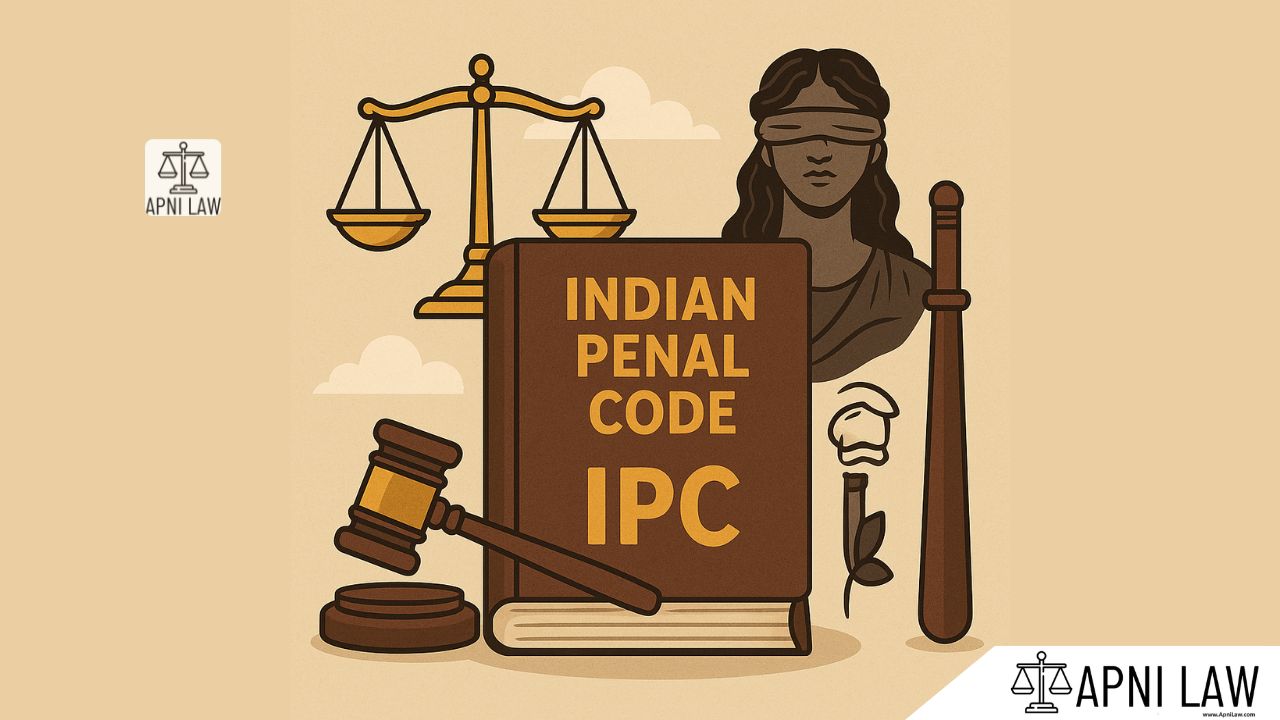
The Indian Penal Code (IPC) plays a crucial role in shaping the legal framework around crimes, particularly those involving sexual violence. In the Mizoram case, the accused were charged under various sections of the IPC designed to address gang rape, assault, and the infliction of grievous bodily harm. Such legal provisions are essential for prosecuting offenders and ensuring they face appropriate punishment, thereby reinforcing societal norms against violence.
However, the effectiveness of the IPC must be matched by robust law enforcement and judicial processes. The Mizoram court’s focused approach in examining extensive testimonies and forensic evidence exemplifies the judicial diligence necessary for effective crime resolution. As courts continue to interpret and apply the IPC in cases like this, they not only uphold the law but also reassure the public of their commitment to justice and protection for all.
The Aftermath: Legal and Social Repercussions
The sentencing of the two BSF personnel is bound to have significant legal and societal repercussions. Legally, it sets a precedent for how cases involving armed forces and sexual violence are approached in Indian courts. This ruling may embolden prosecution efforts in similar cases, addressing concerns about the perceived immunity of law enforcement personnel in violent crime cases against civilians.
Socially, this case highlights the urgent need for systemic reforms and community dialogues around gender-based violence. By bringing these issues to light, the Mizoram court provides an opportunity for advocacy groups and policymakers to address the underlying causes of such violence and implement preventive measures. The hope is that this case will foster a climate of accountability that resonates throughout society, encouraging victims to come forward and seek justice without fear.
Broader Implications for Border Security Force Conduct
The conviction of BSF personnel in a case of such atrocity raises critical questions about conduct and accountability within the Border Security Force. As protectors of the nation’s borders, BSF members are expected to uphold the highest standards of conduct. This ruling serves as a necessary reminder that misconduct, especially involving violent crimes against women, cannot be tolerated and must be addressed with the utmost seriousness.
In light of this ruling, there is an imperative for the BSF to scrutinize its internal protocols, focusing on training regarding gender sensitivity and the importance of protecting civilians. The public expects that such organizations respond to judicial findings by enforcing disciplinary measures against personnel who breach conduct codes, thus reinforcing community trust in these armed forces.
Victim Support Mechanisms Following Court Rulings
In the aftermath of the Mizoram court ruling, it becomes critical to highlight the importance of victim support mechanisms. Survivors of such violent crimes often face formidable barriers in recovery, including physical, emotional, and financial challenges. Establishing comprehensive support systems for victims is essential to their healing and reintegration into society.
Support mechanisms may include access to counseling, medical care, and legal assistance, ensuring that victims can navigate the aftermath of such tragedies with a degree of support and dignity. Government programs and community initiatives must be mobilized to provide resources to those affected by sexual violence, reinforcing the broader message that society stands firmly against such acts.
Public Awareness Campaigns Addressing Violence Against Women
The Mizoram ruling serves as a catalyst for broader public awareness campaigns aimed at combating violence against women. It is imperative that communities come together to educate society about the severity of sexual violence and the repercussions it has on victims. By enhancing public discourse around these critical issues, there is potential to change attitudes and behaviors that perpetuate gender-based violence.
Educational programs in schools, community organizations, and media campaigns can focus on promoting respect for women and encouraging individuals to stand against violence. Legal proceedings, such as the one in Mizoram, demonstrate the outcomes of bringing perpetrators to justice, serving to inspire collective action and mobilize community support for victims.
The Importance of Judicial Accountability in Sexual Violence Cases
Judicial accountability is fundamentally important in the context of sexual violence cases like the one involving BSF personnel in Mizoram. The court’s decision to convict and impose stringent sentences strengthens the faith of citizens in the legal system to protect victims and punish perpetrators. Such accountability is essential for fostering a society where laws are upheld, and respect for individual rights is prioritized.
Moreover, judicial accountability encourages transparency and adherence to due process, which is critical in ensuring fair trials for both victims and accused individuals. As more cases receive appropriate judicial scrutiny and conviction rates improve, confidence in the judiciary will enhance, leading to a more just society overall. Victims must feel that they can rely on the courts to deliver justice, free from bias or inequity.
Navigating the Challenges of Reporting Sexual Assault
Reporting sexual assault cases remains a significant challenge for many victims, often due to fear of stigma, ridicule, or inadequate support systems. In the Mizoram case, the bravery of the victims’ families to come forward and seek legal action underscores the importance of supportive reporting environments. Strengthening these mechanisms can empower survivors and facilitate the legal process necessary for justice.
Law enforcement and community support systems must prioritize creating safe spaces for reporting incidents of sexual violence. Cultural awareness and sensitivity training can assist authorities in handling such delicate situations appropriately, thereby encouraging more victims to come forward. As seen in the Mizoram ruling, successful reporting can lead to swift legal action and accountability for criminals.
Frequently Asked Questions
What is the recent Mizoram court ruling regarding BSF personnel sentenced for rape and acid attack?
A Mizoram court has sentenced two Border Security Force (BSF) personnel, Nilanjan Das and Dinesh Kumar, to 20 years of rigorous imprisonment for their roles in a horrific rape and acid attack case that dates back to 2017.
What were the charges against the BSF personnel sentenced in the rape and acid attack case?
The charges against the BSF personnel consisted of gang rape, causing grievous bodily harm, and participating in an acid attack, all of which fall under various sections of the Indian Penal Code (IPC). They were acquitted of murder under Section 302 of the IPC.
How did the Mizoram court ensure justice for victims in this BSF personnel case?
The Mizoram court provided justice for victims by convicting the BSF personnel based on the testimonies of 18 witnesses and substantial evidence, confirming the harsh realities of their criminal actions and issuing sentences designed to reflect the severity of their crimes.
Can the BSF personnel sentenced for the rape and acid attack case appeal their convictions?
Yes, the court ruling confirms that the convicted BSF personnel, Nilanjan Das and Dinesh Kumar, have the right to appeal against their convictions and sentences.
What were the circumstances under which the BSF personnel committed the crimes leading to their sentencing?
The crimes occurred in July 2017 while the BSF personnel were stationed in Silsuri West, Mamit district. The victims had gone to collect crabs and wild vegetables when the attack took place, leading to severe injuries and an eventual homicide.
What evidence was presented in the Mizoram court during the trial of the BSF personnel?
The Mizoram court examined extensive evidence, including testimonies from 18 witnesses and forensic evidence that indicated the brutal nature of the crimes committed by the BSF personnel, leading to their conviction.
What are the implications of the BSF personnel convictions under the Indian Penal Code (IPC)?
The convictions under the Indian Penal Code (IPC) highlight the legal accountability of security forces for their actions. It reinforces the message that severe punishments, like the 20 years of rigorous imprisonment, are necessary to deter future crimes and ensure justice for victims.
What actions were taken by law enforcement following the attack involving BSF personnel?
Following the attack, law enforcement collected crucial evidence, including duty rosters, conducted search operations, and ultimately identified the accused BSF personnel through a test identification parade, leading to their arrests.
| Key Points |
|---|
| A district court in Mizoram sentenced two BSF personnel to 20 years of rigorous imprisonment for a 2017 case involving rape, murder, and acid attack. |
| The convicted individuals, Nilanjan Das and Dinesh Kumar, were found guilty under various sections of the Indian Penal Code, including gang rape and acid attack. |
| One victim was killed, and the other survived but was left disfigured and partially blind due to the acid attack. |
| The case was brought to light by the brother of one of the victims, leading to a police investigation and eventual trial of the accused. |
| Despite the body of one victim being found, the accused were acquitted of murder charges related to Section 302 of the IPC. |
| The judgment was delivered by Additional District and Sessions Judge Sylvie Zomuanpuii Ralte on June 16, 2026, after reviewing evidence and testimonies from 18 witnesses. |
| Both convicted individuals are allowed to appeal the ruling and have already spent 144 days in detention during the trial. |
Summary
BSF personnel sentenced for serious crimes involving rape and murder highlights the grave nature of the offenses committed. This ruling underscores the judicial system’s commitment to seeking justice for victims of heinous crimes. The case serves as a reminder of the ongoing issues regarding violence against women and the need for strict enforcement of laws to protect vulnerable individuals.