

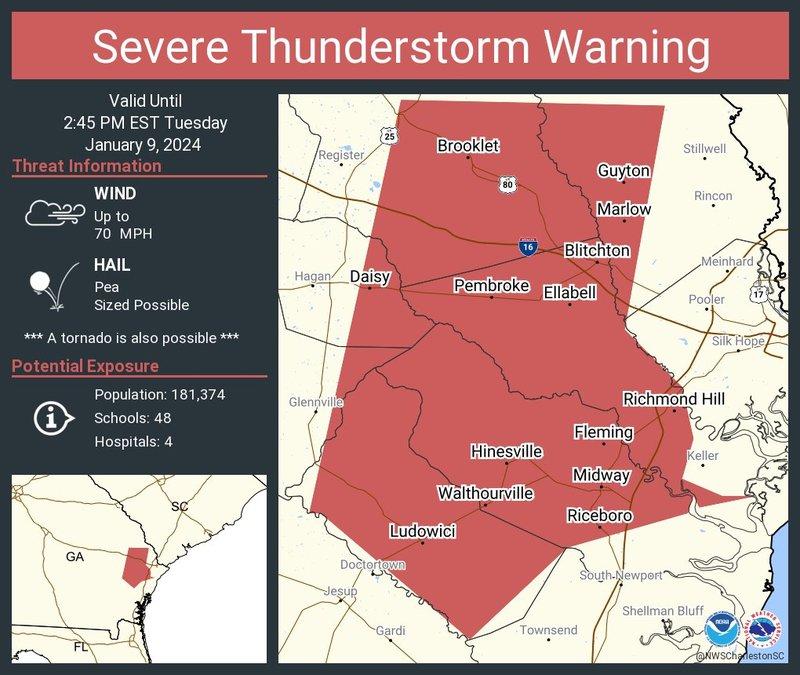
As weather patterns shift, a thunderstorm warning has been issued for various districts, prompting residents to stay alert. With moderate thunderstorms expected to unleash surface winds of up to 40 km/h, towns such as Bhadradri Kothagudem, Jangoan, and Khammam should prepare for turbulent conditions in the next three hours. This thunderstorm forecast indicates potential heavy rainfall, making a timely weather update essential for anyone in the affected areas. In light of this, it’s crucial to follow storm safety tips to minimize risks associated with severe weather. Additionally, stay tuned to regional weather alerts to remain informed about any changes in these conditions.
In anticipation of inclement weather, alerts of an impending storm have been issued for local regions, signaling residents to brace for impact. Expected to bring strong winds and significant precipitation, this climatic upheaval emphasizes the necessity for comprehensive storm preparedness. With various municipalities like Mahabubabad and Nalgonda highlighted in the latest regional forecasts, individuals are encouraged to heed safety advisories and respond accordingly. As atmospheric conditions escalate, staying updated on storm patterns can ensure personal safety and the well-being of communities. Embracing effective weather awareness strategies is vital to navigating such meteorological adversities.
Understanding the Thunderstorm Warning
A thunderstorm warning indicates that severe weather is imminent in the expected area. The alert suggests that conditions are ripe for thunderstorms that could potentially disrupt daily activities and pose risks to safety. In the coming hours, isolated districts including Bhadradri Kothagudem and Khammam may experience moderate thunderstorms with winds reaching up to 40 km/h, emphasizing the urgency of these weather alerts.
It is essential to stay tuned to weather updates during this period, especially in areas with a high likelihood of intense rainfall and strong winds. Understanding a thunderstorm forecast enables residents to prepare adequately and take necessary precautions. Local authorities will issue regional weather alerts, detailing affected districts and expected weather severity.
Storm Safety Tips for Thunderstorms
To ensure safety during thunderstorms, it’s crucial to follow storm safety tips. First, seek shelter in sturdy buildings away from windows and doors, which could be vulnerable to strong winds or falling debris. It’s advisable to have an emergency kit ready, including essential items such as water, food, medications, and a flashlight, should the storm lead to outages.
Another important safety measure is to avoid using electrical appliances during the storm to prevent electric shocks from lightning. It’s also recommended to refrain from driving during heavy rainfall, as road conditions may become hazardous. Staying informed through weather updates will help you assess the situation and follow the guidelines issued by the State Disaster Management Authority (SDMA) for your safety.
Weather Updates and Heavy Rainfall Warning
As thunderstorms approach, timely weather updates become critical. Heavy rainfall warnings have been issued for districts like Nalgonda and Warangal, urging residents to remain cautious. Monitoring local news channels or weather apps can provide real-time information and any changes in the storm’s path, ensuring that individuals remain alert to the evolving weather conditions.
The adverse effects of heavy rainfall can lead to flash flooding and road blockages, particularly in low-lying areas. Hence, it is advisable for inhabitants in affected zones to plan their activities accordingly, ensuring they are not caught off guard by sudden weather changes. Taking heed of these warnings aids in avoiding potential dangers posed by unprecedented downpours.
The Importance of Regional Weather Alerts
Regional weather alerts play a pivotal role in maintaining public safety during inclement weather. These alerts provide essential information about what to expect in specific areas, including updates on impending thunderstorms and the potential severity of rainfall. Local authorities and meteorological agencies are dedicated to ensuring these alerts reach citizens promptly, assisting them in making informed decisions regarding their safety.
Staying aware of these alerts also helps individuals prepare their homes and families before severe weather strikes. By understanding the risk levels in their region, individuals can implement safety measures, from securing outdoor furniture to ensuring everyone knows where to take shelter. This proactive approach is vital in minimizing the impacts of thunderstorms and ensuring community resilience.
Precautions to Take Before a Thunderstorm Hits
As thunderstorms are likely to occur, taking precautions before they hit is vital for ensuring safety. Residents in the potentially affected districts should secure any loose outdoor items that could be blown away and cause damage or injury. It’s also a good practice to check and clean gutters and drainage systems to prevent flooding from heavy rainfall.
In addition, having a family emergency plan in place can greatly enhance safety during thunderstorms. Establish where family members should congregate if the storm worsens and ensure everyone is aware of the plan. By taking these preparatory steps, households can reduce risks associated with storms and heavy rainfall.
Monitoring Properties During Thunderstorm Conditions
Monitoring properties during thunderstorm conditions is crucial for damage mitigation. Residents in areas under a thunderstorm warning should keep a close eye on their surroundings, particularly for any signs of severe wind or abnormal rainfall patterns. Understanding the storm’s behavior can help in taking timely actions, such as evacuating low-lying areas prone to flooding.
In addition, homeowners should document their property’s current condition through photographs or videos, which could be beneficial for insurance purposes should damage occur. Checking on neighbors, especially vulnerable individuals, can foster community support during severe weather events, making it easier to respond collectively.
Post-Thunderstorm: Assessing Damage and Recovery
Once a thunderstorm has passed, it is crucial to assess any damage to property and ensure everyone’s safety. Check for hazardous conditions such as downed power lines and rising water levels. It is advisable to wait for official confirmation that the storm has fully passed before venturing outside.
If damage has occurred, documenting it accurately for insurance claims becomes necessary. Communicating with local authorities about any road conditions and seeking emergency assistance should also be prioritized. Recovery efforts may involve collaborations within the community to ensure that those affected receive the help and resources they need.
The Impact of Climate Change on Thunderstorm Frequency
Recent studies indicate that climate change has influenced the frequency and intensity of thunderstorms across various regions. With warmer temperatures, the atmosphere holds more moisture, leading to an increase in severe weather events. This trend raises concerns regarding preparedness and infrastructure resilience to cope with more significant storm occurrences.
As communities become more vulnerable to intense thunderstorms, it’s vital for residents to stay informed about the implications of climate change on weather patterns. Understanding these changes equips individuals and local governments to develop effective disaster response plans, ensuring that safety measures are in line with current atmospheric conditions.
Preparing for Future Thunderstorm Events
Preparation for future thunderstorm events involves personal responsibility and community engagement. Establishing networks among neighbors can amplify such efforts, allowing for shared resources and collective safety measures. Communities can strengthen their emergency response capacities by organizing local workshops on storm preparedness and safety protocols.
Furthermore, individuals are encouraged to invest in weather alert systems and apps to receive immediate notifications about thunderstorm warnings and related weather updates. Taking proactive steps enhances personal safety and promotes community resilience in the face of unpredictable weather phenomena.
Frequently Asked Questions
What should I do when there is a thunderstorm warning?
When a thunderstorm warning is issued, it is crucial to seek shelter immediately and stay indoors. Pay attention to local weather updates and forecasts, particularly for heavy rainfall warnings. Review storm safety tips, such as avoiding windows, unplugging electrical appliances, and ensuring your emergency kit is ready. Additionally, stay informed through regional weather alerts to ensure your safety during the storm.
| Districts | Wind Speed | Safety Guidelines |
|---|---|---|
| Bhadradri Kothagudem | Up to 40 km/h | Adhere to SDMA guidelines |
| Jangoan | Up to 40 km/h | Adhere to SDMA guidelines |
| Khammam | Up to 40 km/h | Adhere to SDMA guidelines |
| Mahabubabad | Up to 40 km/h | Adhere to SDMA guidelines |
| Nalgonda | Up to 40 km/h | Adhere to SDMA guidelines |
| Suryapet | Up to 40 km/h | Adhere to SDMA guidelines |
| Warangal | Up to 40 km/h | Adhere to SDMA guidelines |
| Yadadri Bhuvanagiri | Up to 40 km/h | Adhere to SDMA guidelines |
Summary
A thunderstorm warning has been issued for several districts, indicating a high likelihood of moderate thunderstorms accompanied by surface winds that could reach up to 40 km/h. Residents of Bhadradri Kothagudem, Jangoan, Khammam, Mahabubabad, Nalgonda, Suryapet, Warangal, and Yadadri Bhuvanagiri should stay alert and follow the directives set forth by the State Disaster Management Authority (SDMA). It is crucial to take necessary precautions and heed these warnings to ensure safety during such weather events.



























