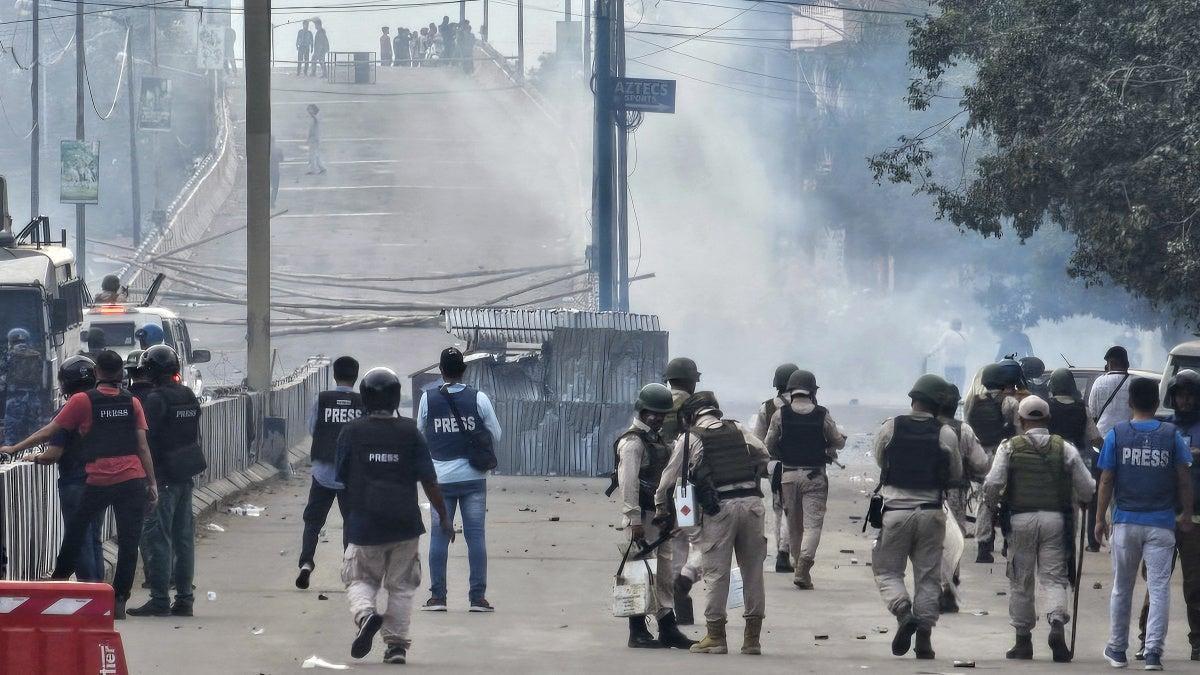
The recent surge in violence in Manipur has captured national attention, highlighting the deteriorating security situation in this northeastern state. The unrest has primarily stemmed from escalating tensions between the Kuki and Naga communities, with ethnic clashes resulting in over 260 casualties since early May 2023. In a bid to address the ongoing crisis, Manipur Governor Ajay Kumar Bhalla recently briefed Union Home Minister Amit Shah about the dire circumstances. The government’s response to the Kuki-Naga conflict aims to restore peace amidst this deepening chaos. As the state grapples with ethnic tensions, the focus remains on stabilizing the region to prevent further violence and loss of life.
Manipur is currently facing a tumultuous period marked by significant civil unrest, which underscores the fragility of regional harmony. Long-standing disputes, particularly between the communities of Kuki and Naga, have led to a series of violent encounters that have severely impacted the lives of many. The recent discussions among key political leaders, including Governor Bhalla and Home Minister Amit Shah, reflect the urgency with which the situation must be addressed. Amidst these challenges, the commitment to restoring a government elected just earlier this year remains pivotal. As the complexities of these ethnic divides unfold, the need for a comprehensive dialogue and resolution appears more pressing than ever.
Understanding the Rising Violence in Manipur
The ongoing violence in Manipur has captured global attention, particularly due to the severe ethnic tensions that have emerged primarily between the Kuki and Naga communities. These tensions first flared on May 3, 2023, igniting clashes that resulted in over 260 fatalities to date, a staggering toll that underscores the volatility of the region. The complexities of the Kuki-Naga conflict reflect a long-standing struggle for identity, rights, and land in an area that is incredibly diverse yet deeply divided.
Governor Ajay Kumar Bhalla’s recent meeting with Union Home Minister Amit Shah in New Delhi shows the government’s attempt to address these surges in violence. Discussions surrounding the Manipur security situation are critical as both communities navigate the aftermath of recent clashes. The current state of affairs necessitates swift action from the both local governance and central authorities to prevent further loss of life and to restore peace and order in the area. Only through concerted efforts and dialogue can the underlying issues be resolved.
Key Players in the Manipur Ethnic Tensions
At the heart of the Manipur ethnic tensions are prominent figures, notably Governor Ajay Kumar Bhalla and Union Home Minister Amit Shah, whose roles are pivotal in mediating the crisis. Their recent discussions focused on updates about the security situation, emphasizing the need for immediate measures to quell further unrest. Bhalla’s insights provide critical local perspectives on how to address the Kuki-Naga conflict, which has escalated dramatically amid ongoing political changes in the state.
Furthermore, the involvement of local leaders, including Chief Minister Yumnam Khemchand Singh and Deputy Chief Ministers Losii Dikho and Nemcha Kipgen, illustrates the multi-layered nature of this crisis. As representatives of the Kuki and Naga constituencies, their collaboration is essential for restoring peace. However, the current political landscape, underpinned by a fragmented Cabinet and the recent historical context of President’s Rule, presents significant challenges for effective governance.
The Role of Government Intervention in Manipur
Government intervention in Manipur’s conflict-laden landscape is crucial. As articulated during the discussions between Ajay Kumar Bhalla and Amit Shah, it is evident that the central government is keen to take an active role in resolving the ongoing violence. The Union Home Ministry’s communication on this matter reflects a commitment to restoring normalcy and stability, indicating that the state must be a priority, especially given the scope of the ethnic violence.
The planned expansion of the Manipur Cabinet is expected to address governance issues directly tied to the unrest. Yet, the delay in the Cabinet addendums raises questions about the government’s readiness to tackle the urgent crises—both security and political—that stem from the ethnic tensions. Without a robust and unified leadership capable of representing all communities involved, the path toward reconciliation remains fraught with difficulties.
Community Dynamics: Kuki vs. Naga Conflict
The Kuki-Naga conflict in Manipur is entrenched in historical grievances and socio-political dynamics that have evolved over the years. Rooted in territorial disputes and recognition, both communities have faced the challenges of cohabitation in a diverse ethnic landscape. The recent escalation of violence, with both sides suffering losses, exemplifies the dire need for community dialogue and mutual understanding.
Efforts to foster reconciliation must prioritize the voices of the affected communities. Understanding the historical contexts that have fueled animosities is essential for creating pathways toward peace. Both Kuki and Naga communities must work collaboratively to address their concerns while finding common ground, with support from local leaders and the government to facilitate dialogue.
Moving Forward: The Future of Peace in Manipur
Looking ahead, the prospects for peace in Manipur hinge on comprehensive strategies employing both community engagement and authoritative oversight. The discussions between Governor Ajay Kumar Bhalla and Amit Shah suggest a potential for governmental frameworks to shape a more secure environment for affected populations. Initiatives must focus not only on immediate security but also on long-term strategies to address the socio-economic disparities that underpin the unrest.
The restoration of normalcy will depend significantly on fostering trust among the communities involved. Local leaders, when empowered to lead reconciliation efforts, can be instrumental in bridging divides. To this end, peace-building measures should include educational initiatives, economic collaboration, and inclusive political dialogues, with the ultimate goal being a thriving, united Manipur that transcends past grievances.
The Responsibility of Central Government in Manipur
The central government has a paramount role in mediating the complex situation in Manipur. As evidenced by the meeting between Ajay Kumar Bhalla and Amit Shah, the administration is aware of its responsibilities toward ensuring the safety and stability of the region. Government strategies must prioritize addressing the immediate security needs while simultaneously laying groundwork for structural changes that can prevent future conflicts.
Additionally, central intervention should not only focus on reactive measures but also embrace proactive initiatives aimed at community empowerment. By facilitating inclusive policies that enable participation from both Kuki and Naga groups, the government can help mitigate feelings of disenfranchisement that contribute to ongoing tensions. This holistic approach is essential for achieving lasting peace in Manipur.
Understanding the Impact of Ethnic Clashes on Manipur’s Society
The ethnic clashes in Manipur have far-reaching impacts on society that extend beyond the immediate casualties. The psychological scars left on communities, coupled with loss of property and livelihoods, create a persistent state of fear and mistrust that can last for generations. The inter-community relations further deteriorate, often resulting in a cycle of retaliation that complicates reconciliation efforts and societal cohesion.
Moreover, the continuous violence disrupts daily life, discouraging economic activity, exacerbating poverty, and inducing a climate of instability that affects the overall quality of life in the region. Addressing these social implications is as important as managing political resolutions; strategies must focus on healing and rebuilding communities to foster a peaceful coexistence.
The Need for Comprehensive Security Measures
In light of the violent events observed in Manipur, there is an urgent need for implementing comprehensive security measures. The government must assess the effectiveness of current security protocols and adapt responses to the evolving dynamics of the Kuki and Naga conflict. This may involve strengthening police presence, enhancing community policing initiatives, and training law enforcement to engage effectively with community representatives.
Equally vital is the involvement of local stakeholders in crafting security strategies. By including community voices in discussions around safety, the governance can foster trust and cooperation. An integrated approach that combines local knowledge with government initiatives will not only address the present crises but also pave the way for a more secure future.
Impact of Political Stability on Conflict Resolution
Political stability in Manipur plays a crucial role in conflict resolution amidst the ethnic turmoil between the Kuki and Naga communities. Following the restoration of the elected government, expectations are high for effective governance and mediation of tensions. Stability culminates in a conducive environment that allows for meaningful dialogues and the establishment of peace agreements, which are essential for the healing and rebuilding of fractured community relations.
However, the delay in expanding the Cabinet could hinder the necessary legislative efforts needed to address grievances. A well-formed government must proactively involve diverse representation to ensure balanced approaches to community concerns. Without this inclusive strategy, the potential for resurgence in violence remains palpable, emphasizing the need for continued focus on ensuring political stability.
Frequently Asked Questions
What is the current security situation in Manipur amid ongoing violence?
The current security situation in Manipur is tense due to ongoing violence primarily between the Kuki and Meitei communities. Following the unrest which began on May 3, 2023, the death toll has surpassed 260. Recent meetings, such as the one between Manipur Governor Ajay Kumar Bhalla and Union Home Minister Amit Shah, have focused on addressing the escalating Manipur ethnic tensions and discussing measures for restoring peace.
What sparked the recent Manipur violence between the Kuki and Naga communities?
The recent Manipur violence between the Kuki and Naga communities stems from rising ethnic tensions that escalated in May 2023. Conflicts originally ignited between the Kuki-Zo and Meitei groups, with disputes over land and political representation intensifying the Kuki Naga conflict, leading to significant casualties and unrest.
How has the government responded to the Manipur security situation?
In response to the Manipur security situation, the government has reinstated the elected state government after a year of President’s Rule. Recent discussions involving Governor Ajay Kumar Bhalla and Union Home Minister Amit Shah reflect ongoing efforts to address safety concerns and stabilize the region amid ongoing violence.
What outcomes were expected from the Amit Shah meeting regarding the Manipur ethnic tensions?
The meeting between Union Home Minister Amit Shah and Manipur Governor Ajay Kumar Bhalla aimed to review the security situation and explore strategies to mitigate the rising ethnic tensions in Manipur. Outcomes could include reinforced security measures or policies aimed at fostering peace between the Kuki and Meitei communities.
What impact has the conflict between Kuki and Naga communities had on Manipur?
The conflict between the Kuki and Naga communities has had a devastating impact on Manipur, leading to over 260 deaths and widespread violence. This has caused significant disruption to the social fabric, necessitating discussions at the government level, such as those between Ajay Kumar Bhalla and Amit Shah, to address the persistent security challenges.
What are the implications of the Manipur ethnic tensions on upcoming elections?
The Manipur ethnic tensions could significantly impact the upcoming elections, as the ongoing violence may affect voter safety and turnout. The restoration of the elected government and ongoing cabinet expansions could influence political dynamics, especially concerning representation for both the Kuki and Naga communities.
What has been the role of Ajay Kumar Bhalla in addressing the Manipur violence?
Ajay Kumar Bhalla, as the Governor of Manipur, plays a crucial role in addressing the violence by liaising with the Union government and providing updates on the security situation. His recent meeting with Amit Shah highlights the active engagement of state leadership in seeking solutions to the Manipur violence and ensuring safety for all communities.
What is the timeline of events leading to the current situation of violence in Manipur?
The violence in Manipur escalated on May 3, 2023, primarily between the Kuki-Zo and Meitei communities. Following intense conflicts resulting in numerous casualties, the region was placed under President’s Rule for a year. The government was restored on February 4, 2026, amidst ongoing ethnic tensions, with pivotal discussions between state leaders and the central government continuing.
| Key Point | Details |
|---|---|
| Governor’s Meeting | Governor Ajay Kumar Bhalla met with Union Home Minister Amit Shah to discuss the security situation in Manipur. |
| Ongoing Violence | Violence between Kuki and Naga communities has escalated in Manipur, with over 260 deaths recorded since May 3, 2023. |
| Restored Government | Following a year of President’s Rule, the elected government was restored on February 4, 2026. |
| Cabinet Expansion | Expansion of the Manipur Cabinet is pending, with Assembly elections scheduled for early next year. |
| Oath of Deputy Chief Ministers | Deputy Chief Ministers Losii Dikho and Nemcha Kipgen took their oaths representing the Naga and Kuki communities. |
Summary
Manipur violence has significantly impacted the region, leading to serious discussions at the highest levels of government. With over 260 lives lost since the ethnic conflict erupted in May 2023, it poses a grave challenge to peace and stability. The recent meeting between Governor Bhalla and Union Home Minister Shah reflects ongoing concerns about security and governance in the state. As the Cabinet awaits expansion and upcoming elections loom, the focus remains on restoring harmony among the conflicting communities.