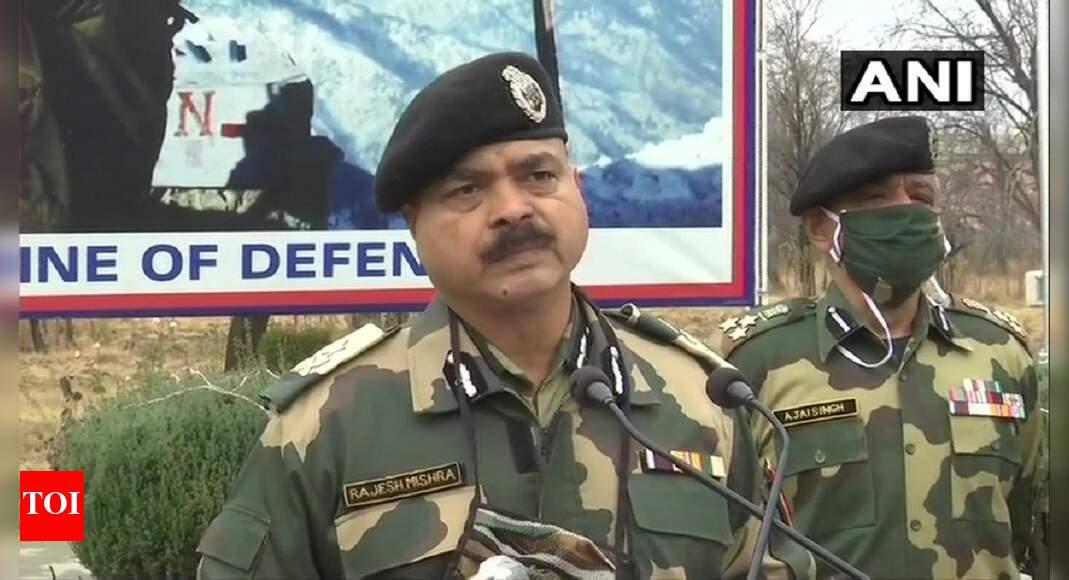
The recent spate of killings by the Bangladesh Border Security Force (BSF) has sparked significant outrage, emphasizing ongoing concerns over human rights violations at the border. Bangladesh Home Minister Salahuddin Ahmed condemned these incidents as egregious violations during his address in Parliament, highlighting the increasing tensions in India-Bangladesh relations. The BSF’s use of lethal force in border management has drawn protests from Dhaka, as the minister called for a halt to practices that have resulted in the deaths of innocent Bangladeshi nationals. This issue is compounded by complex border dynamics, including cross-border crime and smuggling that complicate enforcement actions on both sides. Furthermore, statements from the Bangladesh Home Minister echo the need for improved cooperation to address these border issues and prevent further tragedies in the future.
The ongoing violence along the Bangladesh-India border highlights a disturbing reality of enforced human rights violations amidst escalating civil tensions. Known colloquially as BSF-related incidents, these border killings have cast a shadow over the fragile diplomatic ties between the two nations. Minister Salahuddin Ahmed’s remarks underscore the urgency for constructive dialogue as both countries grapple with challenges arising from illegal border activities and the management of cross-border crime. The implications of this conflict extend beyond mere enforcement, as they attempt to balance security needs with the rights of civilians. As discussions continue on both sides, the focus remains on achieving a humane approach to border security that respects human life.
Human Rights Violations by the Bangladesh Border Security Force
The Bangladesh Border Security Force (BSF) has faced significant allegations of human rights violations, particularly with regard to their treatment of Bangladeshi nationals. These allegations often stem from reported incidents where individuals have been killed during confrontations along the India-Bangladesh border. Recent statements from Bangladesh’s Home Minister, Salahuddin Ahmed, underline this issue, as he categorically described these killings as a “clear violation of human rights.” Such statements reflect the growing concern regarding the actions of the BSF in the context of maintaining border security and addressing issues related to cross-border crime.
Additionally, the BSF’s use of lethal force has been consistently criticized as unnecessary, especially as the Bangladesh government advocates for more non-lethal methods in border management. The ongoing discussions between the Border Guard Bangladesh (BGB) and the BSF are aimed at mitigating border-related incidents, but the persistence of these human rights violations raises serious questions about the effectiveness of current policies. As the situation develops, the call for accountability and changes in operations becomes more pressing, highlighting the urgent need for a reevaluation of border security measures that prioritize human rights.
Cross-Border Crime and Its Impact on India-Bangladesh Relations
Cross-border crime remains a pivotal concern in the India-Bangladesh relationship, with incidents of smuggling, illegal entry, and human trafficking frequently cited as justifications for strong border security measures. While the BSF has maintained that their actions, including the use of force, are rooted in self-defense, the implications of these measures are profound. Each encounter results not only in loss of life but also in escalating tensions between the two countries. The ongoing battle against cross-border crime complicates relations further, as both nations navigate their security concerns and the need for cooperative dialogue.
In light of these complex dynamics, statements from officials such as the Bangladesh Home Minister play a crucial role in framing public discourse. Ahmed’s assertions that India employs heavy-handed tactics during their operations, including what he called “push-in” tactics, point to a disturbing trend in border management strategies that may leave many civilians vulnerable. Effective cooperation between the BGB and BSF is essential to address the challenges of cross-border crime without compromising the safety of individuals caught in the crossfire. Both countries need to strive for effective communication and coordination to tackle these pressing issues, ensuring that human rights are respected in pursuing border security.
Bangladesh Home Minister’s Stance on Border Security
Bangladesh’s Home Minister Salahuddin Ahmed has taken a strong stance regarding border security, particularly in light of the alarming reports of killings of Bangladeshi nationals by the BSF. His statements in Parliament underscore the deep-seated frustrations that have arisen from perceived inaction and inadequate measures to protect individuals crossing the border. Ahmed’s rhetoric suggests a demand for accountability and a call to readdress the approach taken by the BSF in their dealings with suspected border violations, emphasizing the need for stricter adherence to human rights standards.
Moreover, the Home Minister’s appeal for non-lethal measures highlights a critical shift in how border issues should be managed moving forward. His comments come amid ongoing discussions between the BGB and the BSF, where both sides are urged to enhance their cooperation, particularly through joint patrols and local meetings designed to defuse tensions. As threats from cross-border crime persist, the need for effective dialogue and respect for human dignity at borders could potentially redefine the relationship between Bangladesh and India, fostering a more diplomatic approach to resolving these long-standing issues.
The Role of Bangladesh Border Guard in Mitigating Tensions
The Border Guard Bangladesh (BGB) plays a pivotal role in maintaining security along the extensive 4,096 km border with India, which is one of the longest in the world. Their responsibilities include not only the prevention of illegal crossings but also the safeguarding of human rights along the border. Recent instances reported by the Home Minister illustrate the challenges faced by the BGB in counteracting cross-border crime while also advocating for the rights of their citizens. The BGB’s efforts are crucial in fostering a more secure environment that minimizes violent encounters and ensures the protection of Bangladeshi nationals.
In collaboration with the BSF, the BGB has intensified joint operational efforts, which have resulted in improved communication and preventive measures against unlawful activities. Such cooperation is vital as it addresses not only security concerns but also humanitarian issues stemming from border management practices. Through local-level flag meetings and increased patrols, these forces aim to establish an ecosystem of trust that reduces the likelihood of violent confrontations while also targeting the root causes of cross-border crime.
Strengthening India-Bangladesh Border Relations
Strengthening relations between Bangladesh and India requires an acknowledgment of the intricate issues surrounding their border. The recent statements made by Bangladesh’s Home Minister indicate a desire for a collaborative approach to address human rights violations while also tackling the persistent threat of cross-border crime. By emphasizing cooperation through joint patrols and ongoing dialogue, both countries can work towards creating a more secure and peaceful border environment. This collaborative spirit is essential for mitigating tensions that arise from misunderstandings or violent encounters.
Furthermore, the involvement of both nations in high-level discussions signifies a commitment to resolving disputes amicably. The recent meetings between the BGB and BSF have aimed to enhance trust and operational synergy, addressing both security concerns and humanitarian rights. Stronger India-Bangladesh relations may ultimately depend on continuous dialogue and active measures that promote safety while ensuring that human dignity is upheld across their borders.
The Importance of Non-Lethal Measures in Border Management
As highlighted by Home Minister Salahuddin Ahmed, transitioning to non-lethal measures in border management is critically important to prevent unnecessary loss of life and to adhere to human rights principles. The use of force by security agencies raises complex ethical questions, particularly when it results in fatalities. Advocating for non-lethal alternatives can help deescalate potential conflicts and reduce the casualties often associated with confrontations along the border.
Implementing non-lethal measures involves training border security personnel in techniques that prioritize negotiation and conflict resolution. The adoption of such practices not only fosters a more humane approach to border policing but also strengthens the integrity of law enforcement agencies by aligning their operations with international human rights standards. Moreover, a collaborative approach that incorporates local communities in border management strategies could enhance overall security and contribute to a culture of mutual respect between Bangladesh and India.
Human Rights Concerns in Border Security Operations
The ongoing human rights concerns associated with border security operations have become increasingly prominent in the diplomatic discourse between India and Bangladesh. Bangladesh’s Home Minister has raised alarms over the pattern of killings and violence allegedly perpetrated by the BSF, calling attention to the broader implications for human rights and security in the region. This perspective has catalyzed further discussions on how border security forces can balance the need for effective law enforcement with the obligation to respect human rights.
A comprehensive approach to dealing with human rights issues at the border may involve policy reforms, including transparent investigations into incidents involving use of force, as well as better training for border personnel. Additionally, international organizations may play a role in monitoring and advocating for the adherence to human rights standards along the India-Bangladesh border. Addressing these human rights violations not only helps protect the individuals involved but is also crucial for preserving the long-term stability of India-Bangladesh relations.
Challenges in Implementing Effective Communication Across the Border
One of the critical challenges facing India-Bangladesh relations is the implementation of effective communication between the BSF and BGB. As both sides navigate complex cross-border issues, including crime and immigration, it becomes imperative to establish clear channels of communication that allow for immediate dialogue in instances of conflict. Home Minister Salahuddin Ahmed’s emphasis on regular flag meetings is a step toward addressing this gap, aiming to foster understanding and coordination between the two forces.
However, achieving seamless communication goes beyond merely scheduling meetings. It requires overcoming language barriers, cultural differences, and historical grievances that can complicate interactions. Building trust through continuous engagement and collaborative training initiatives can help bridge these divides. When both agencies work as partners rather than adversaries, the goal of a secure and peaceful border becomes more attainable, ultimately enhancing the diplomatic ties between India and Bangladesh.
Indicators of Progress in India-Bangladesh Border Management
Despite the challenges that India and Bangladesh face at their shared border, there have been notable indicators of progress in recent efforts. The increased frequency of joint patrols and meetings signifies a mutual commitment to enhancing security and reducing incidents of violence. The proactive measures taken by both the BGB and the BSF demonstrate a willingness to collaborate amid the pressing issues of cross-border crime and human rights violations that have historically strained relations between the two nations.
Moreover, region-based initiatives, such as community engagement programs that involve local populations in border security discussions, further exemplify progress. These initiatives can help cultivate local awareness and cooperation, leading to a more secure border environment. As both countries continue to prioritize these collaborative efforts, they contribute to a narrative of hope and stability in a region often marred by conflict.
Frequently Asked Questions
What are the implications of the recent Bangladesh Border Security Force killings on India Bangladesh relations?
The recent allegations of killings of Bangladeshi nationals by India’s Border Security Force (BSF) are seen as a significant strain on India-Bangladesh relations. Bangladesh Home Minister Salahuddin Ahmed has condemned these actions as clear violations of human rights, highlighting ongoing tensions over border security issues. These incidents not only provoke public outcry in Bangladesh but also necessitate diplomatic discussions between both countries to address human rights violations and manage cross-border crime effectively.
| Aspect | Details |
|---|---|
| Key Figure | Bangladesh Home Minister Salahuddin Ahmed |
| Incident Dates | Recent killings discussed on June 17, 2023 |
| Violation Allegation | The killings are described as a clear violation of human rights |
| Bangladesh’s Response | Consistently protested against BSF’s use of lethal force |
| BSF’s Defense | Claims that shootings are in self-defense against crimes |
| BGB-BSF Cooperation | Efforts to reduce border-related deaths despite tensions |
| Push-Back Incidents | 2,369 people allegedly pushed into Bangladesh since Aug 2024 |
Summary
The Bangladesh Border Security Force killings highlight a troubling issue in relations between Bangladesh and India, with allegations of human rights violations linked to the use of lethal force by India’s Border Security Force (BSF) against Bangladeshi nationals. Home Minister Salahuddin Ahmed has condemned these incidents and emphasized the need for improved communication and cooperation between the two border-guarding forces. Despite India’s perspective that such shootings are often in self-defense during confrontations with cross-border criminal activity, the ongoing conflict over border security measures continues to strain diplomatic relations. Ahmed’s remarks and the subsequent calls for accountability reflect a crucial stand for protection and human rights along one of the world’s longest borders.