

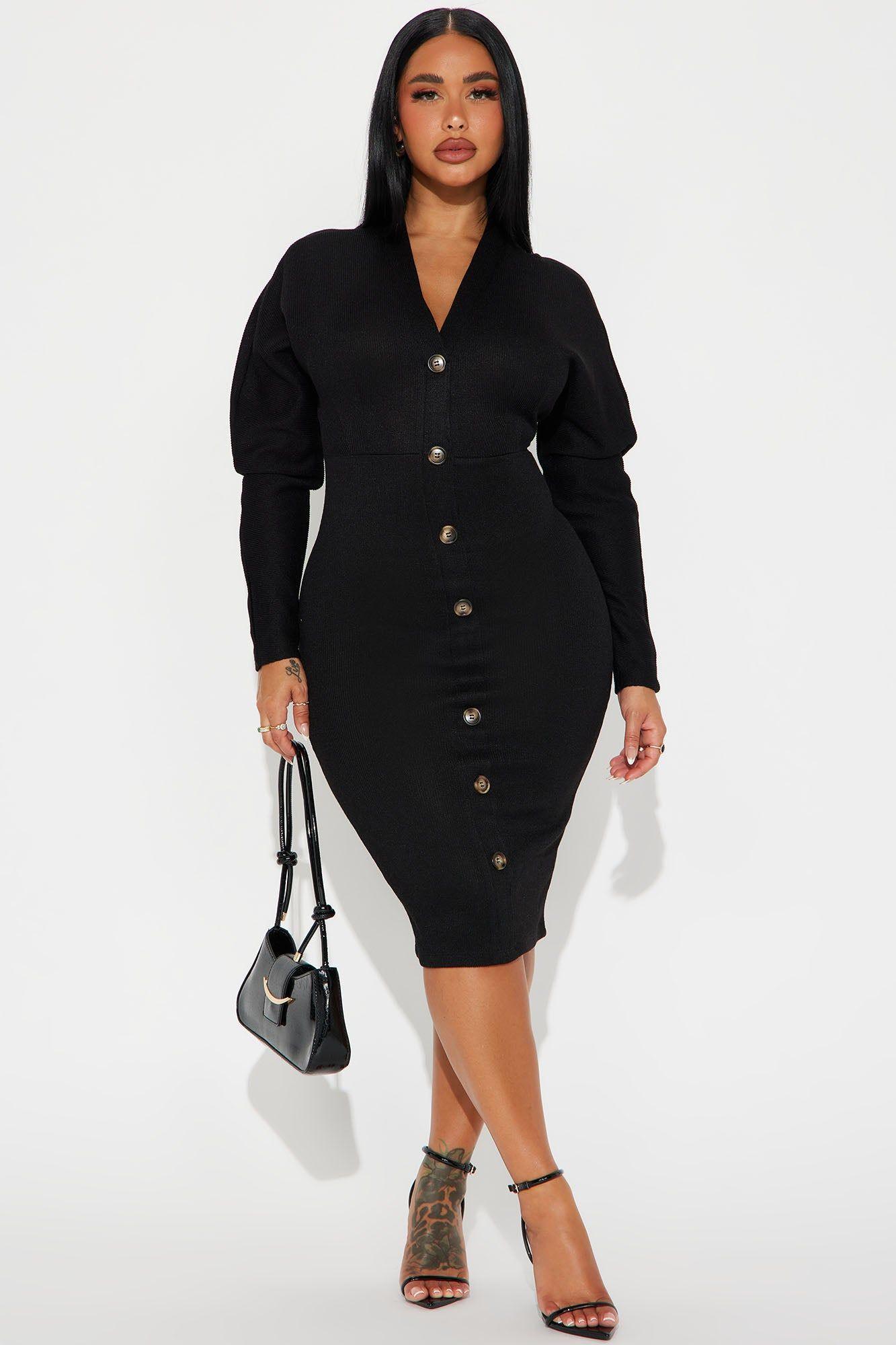
The psychology of wearing black is a fascinating exploration of how color impacts our emotions, perceptions, and even social interactions. Often linked to confidence, black clothing can evoke a sense of sophistication and authority, making it a staple in many wardrobes. Moreover, the emotional effects of color suggest that wearing black may reduce decision fatigue, allowing individuals to feel more grounded amid chaos. Contrary to common misconceptions, black does not indicate unhappiness; instead, it can create a sense of emotional safety and mystery. This psychological meaning of black is no surprise, given its benefits as a versatile and powerful choice in fashion.
Exploring the emotional landscape of donning dark attire reveals a complex interplay between individual psychology and societal perceptions. Black garments are not merely about aesthetic appeal; they serve as a psychological armor, providing the wearer with a shield of confidence and self-assuredness. The appeal of black as a clothing choice often lies in its ability to create a striking presence in social settings while simultaneously evoking feelings of calm and introspection. Wearing black also taps into the broader concept of fashion psychology, where color choices communicate deeper emotional states and personal identities. Ultimately, the allure of black clothing transcends trends, rooted in its rich psychological implications and the benefits it brings to those who choose to wear it.
The Psychological Meaning of Black in Fashion
The psychological meaning of black in fashion extends beyond mere aesthetics; it symbolizes strength, elegance, and authority. In various cultures, black is associated with power and formality, making it a go-to choice for significant occasions, from formal events to job interviews. This color conveys a message of confidence and professionalism, allowing individuals to present themselves as capable and decisive. In the realm of fashion psychology, black is often perceived as a universally flattering color that can enhance the wearer’s image, further cementing its status as a staple in wardrobes worldwide.
Moreover, the emotional effects of color play a crucial role in understanding why many people gravitate toward black clothing. Many wearers report feeling an increased sense of confidence and security when adorned in black. This phenomenon can be linked to the color’s historical associations with formality and sophistication, causing individuals to feel empowered and self-assured. Moreover, as society becomes increasingly overwhelmed by choices, black clothing offers a sense of simplicity and uniformity, hence reducing decision fatigue and allowing individuals to focus on what really matters.
The Emotional Effects of Color: Black as a Comforting Choice
Wearing black clothing is often seen as a choice that provides emotional safety. The consistent presence of black in one’s wardrobe can offer comfort during uncertain times, serving as a psychological anchor in a chaotic world. This emotional association helps individuals project a sense of calm and control, which are essential for navigating life’s challenges. For many, the depth and mystique of black create an aura of intrigue that shields them from the scrutiny of others, allowing them to present themselves on their terms.
Furthermore, the benefits of wearing black extend to its practicality and versatility in fashion. Black clothing can easily transition from day to night, adapting to various social settings and events. This flexibility offers wearers the chance to express their personality without the burden of extensive wardrobe choices. The consistent appeal of black also ensures that it remains timeless, allowing individuals to invest in classic pieces that uphold both style and emotional comfort in their fashion choices.
Black Clothing and Increased Confidence: A Psychological Boost
The correlation between black clothing and increased confidence can be attributed to the psychological principles inherent in fashion psychology. Many studies indicate that when individuals wear black, they often perceive themselves as more attractive and powerful. This perception translates into real-world interactions, where others may respond positively to the confidence projected by individuals in black attire. Therefore, by donning black, individuals are not only enhancing their self-image but also influencing the perceptions of those around them, creating a cycle of affirmation and empowerment.
Additionally, black clothing provides a protective layer that can buffer individuals from negative perceptions. It acts as a form of armor, allowing wearers to navigate social situations without the fear of judgment often associated with more vibrant colors. In this way, the psychological effects of the color black serve multiple purposes: boosting self-esteem while simultaneously creating a barrier against potential criticism. Thus, choosing black enables individuals to harness their inner confidence while maintaining control over their external image.
The Mystery Factor: Why Black Resonates with Many
The mysterious allure of black clothing captivates many, invoking a sense of intrigue and depth that other colors may not possess. This mystique is deeply rooted in cultural symbolism; black is often associated with the unknown and the enigmatic. Fashion enthusiasts frequently celebrate this characteristic, using black as a means to express their individuality and complexity. The versatility of black allows for various interpretations—one can appear chic, edgy, or moody, all depending on the styling choices surrounding this singular color.
Furthermore, black’s enigmatic reputation contributes to its enduring popularity in the fashion world. Designers often explore this color’s ability to evoke emotional responses, ensuring that black pieces remain timeless in their collections. The mystery factor not only appeals to wearers but also intrigues observers, creating a narrative that captures attention. Consequently, black becomes more than just a color; it embodies a story, a personality, and an attitude, making it a favored choice among those looking to leave a lasting impression.
Consistency Through Black: Fashion Amidst Chaos
For many, the act of wearing black signifies a deliberate choice that foster consistency in an otherwise unpredictable world. In fashion, black stands as a symbol of reliability and stability. When faced with the chaos that life can sometimes bring, individuals may find comfort in the simplicity of black clothing. This consistency not only provides a cohesive aesthetic but also helps maintain a sense of personal identity amid external turmoil, reinforcing the idea that fashion can be a refuge.
Moreover, the psychological benefits of this consistency are profound. It’s common for wearers of black to report feeling more grounded and centered, as the color encourages a sense of inner peace. When life becomes uncertain, returning to a dress code predominately featuring black allows for familiarity and ease. This reaction amplifies the emotional safety associated with black clothing, highlighting its importance as not just a style choice, but also a powerful psychological tool.
Black as a Form of Self-Expression in Fashion
The role of black in self-expression within the realm of fashion cannot be overstated. This color serves as a canvas on which individuals can paint their personalities and moods. The psychological meaning of black as a versatile and bold choice allows for limitless interpretations, making it a favorite among artists, rebels, and fashion-forward individuals. Incorporating black into one’s wardrobe allows for personal narratives to shine through—even subtle variations in style or accessories can convey distinct messages about one’s identity.
In addition, black clothing has often been linked to movements of resistance and individuality throughout history. From punk rock subcultures to minimalistic aesthetics, black serves as a form of protest against societal norms. This rich background contributes to the depth of self-expression associated with black attire, allowing wearers to align themselves with a broader narrative while simultaneously showcasing their unique flair. This connection between self-expression and the color black underscores its significant role in contemporary fashion, continuing to influence trends and personal choices alike.
The Timeless Elegance of Black Clothing Choices
The timeless elegance associated with black clothing reinforces its status as a staple in fashion. Known for its ability to transition seamlessly across seasons and trends, black remains a favorite choice for designers and wearers alike. Its versatility is unmatched, allowing individuals to dress it up or down depending on the occasion. Whether paired with vibrant accessories or worn in a monochromatic ensemble, black continues to exude sophistication, reinforcing the idea that classic choices transcend time.
Moreover, the psychological impact of choosing black for special occasions can elevate the wearer’s sense of status and self-worth. Throughout history, black has been favored for evening wear and formal events, symbolizing refinement and class. This association enhances the feeling of confidence when donning black garments, as individuals feel they are part of a longstanding tradition of elegance. Thus, whether it’s a little black dress or tailored black suit, the elegance of black clothing remains unparalleled, solidifying its place within the fashion hierarchy.
Fashion Trends: The Resurgence of Black in Style
Fashion trends demonstrate a cyclical nature, and black consistently re-emerges as a dominant force. Designers regularly revisit and refresh black pieces, further entrenching its relevance in contemporary wardrobes. The resurgence of black in fashion reflects a societal inclination towards minimalism and sophistication, where less is more. As consumers seek to declutter their lives and wardrobes, the simplicity of black offers a practical and stylish solution that can be endlessly combined and styled.
Additionally, the psychological implications of black’s resurgence in fashion cannot be overlooked. In times of uncertainty, many individuals gravitate towards reliable colors that evoke a sense of stability and comfort. Black’s consistent popularity demonstrates not only its aesthetics but also how it resonates with the emotional needs of wearers. By choosing black, individuals are not just making a fashion statement but also engaging with their preferences and feelings, marking black as a perennial favorite in the fashion landscape.
Frequently Asked Questions
What is the psychology of wearing black in fashion?
The psychology of wearing black in fashion is largely influenced by its associations with confidence and emotional safety. Black clothing is often perceived as a versatile choice that can exude elegance and sophistication while reducing decision fatigue. Many individuals find that black allows them to express a sense of mystery and consistency, helping them navigate a chaotic world. Additionally, the psychological meaning of black is not necessarily linked to unhappiness; instead, it can symbolize strength and self-assuredness.
| Key Point | Explanation |
|---|---|
| Confidence | Wearing black is commonly associated with a sense of confidence and authority. |
| Decision Fatigue | Black can help reduce decision fatigue, allowing individuals to feel less overwhelmed when choosing outfits. |
| Emotional Safety | Many people feel an emotional sense of safety and security when wearing black. |
| Mystery | Black is often seen as a color of mystery, adding an intriguing element to one’s appearance. |
| Not Unhappiness | Wearing black does not correlate directly with being unhappy; it can simply be a style choice. |
| Style Consistency | In a chaotic world, wearing black can create a consistent and stable wardrobe choice. |
Summary
The psychology of wearing black reveals a fascinating interplay between personal expression and emotional comfort. Individuals often choose black not only for its stylish appearance but also for the confidence it instills. This color serves as a refuge in a cluttered world, providing wearers with a sense of emotional safety and reducing decision fatigue. Furthermore, black embodies a friendly form of mystery, alluring without tying a person to negativity. Ultimately, the enduring appeal of black in fashion reflects both its versatility and the deep psychological connections it fosters.



























