

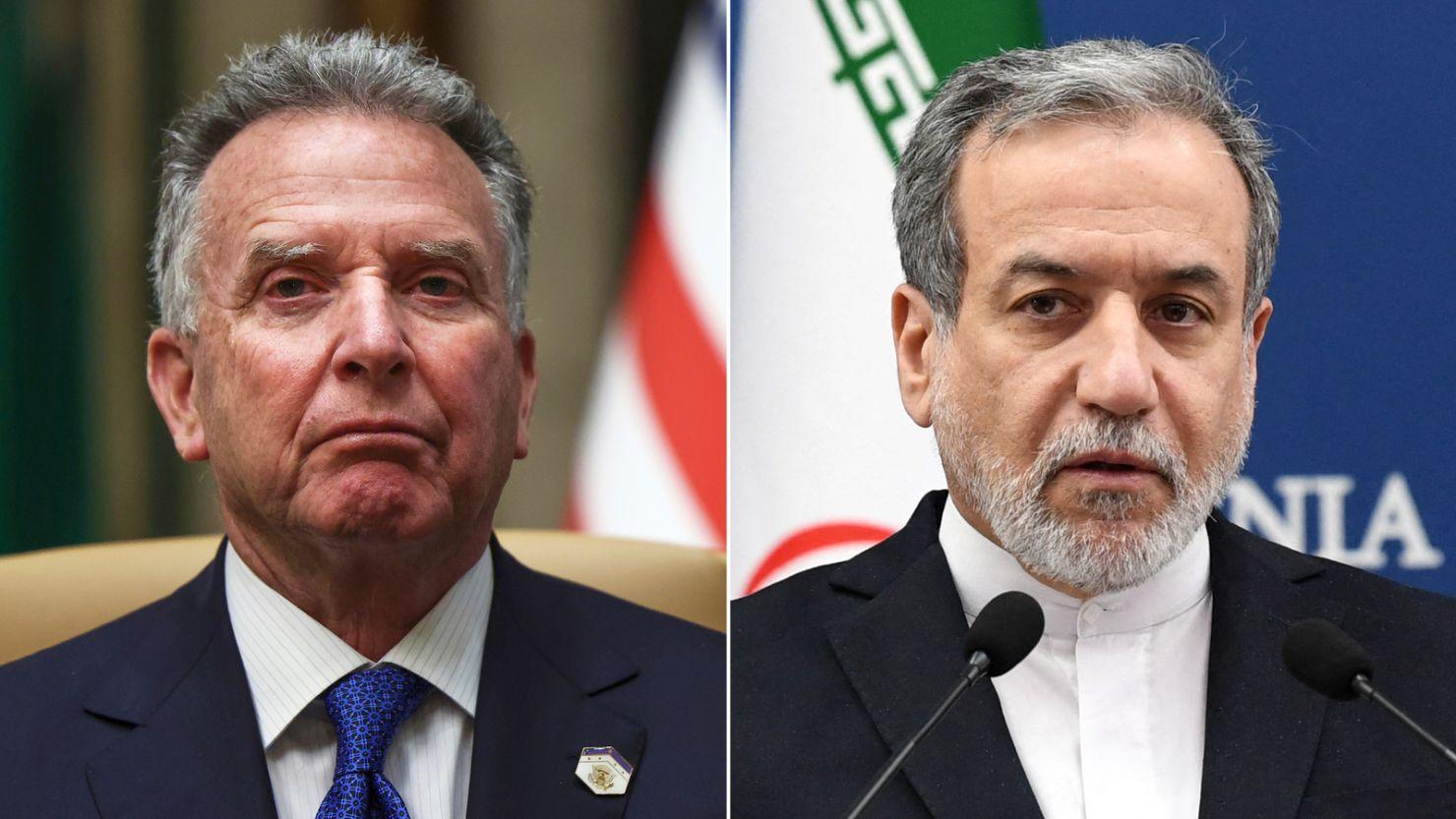
Iran-US negotiations are taking center stage as both countries seek to resolve long-standing tensions that have plagued their relationship for decades. At the heart of these discussions is the Iran nuclear deal, a pivotal agreement that stipulates limits on Iran’s nuclear program in exchange for relief from crippling US sanctions on Iran. With the promise of unlocking approximately $300 billion in frozen assets, the stakes for Iran’s economic recovery have never been higher. Moreover, the removal of the US naval blockade would pave the way for enhanced trade opportunities, further aiding Iran’s recovery efforts. As both nations maneuver towards a diplomatic solution, the potential for a stable agreement hang in the balance, creating waves of anticipation in the international arena.
The ongoing diplomatic dialogues between Tehran and Washington highlight a crucial phase in international relations that could redefine the future landscape of the Middle East. These critical talks revolve around the broader implications of US sanctions and how they intertwine with Iran’s ambitions for economic revival. Additionally, resolutions concerning Iran’s restricted assets could significantly influence the nation’s development trajectory. As these two powers explore pathways to mutual concessions, including security reassurance and nuclear negotiations, the importance of a harmonious outcome is paramount. Overall, this intricate web of diplomacy not only reflects the challenges of the past but also the hope for a more peaceful coexistence moving forward.
Iran-US Negotiations: Pathway to Economic Recovery
The Iran-US negotiations present a pivotal opportunity for both nations, particularly in the realm of economic recovery for Iran. By engaging in diplomatic dialogue, Iran hopes to alleviate the burdens imposed by long-standing US sanctions, which have severely hampered its economy. The potential relaxation of these sanctions could lead to significant economic revitalization, enabling Iran to regain access to global markets and attract foreign investment. This economic boost is vital, considering the crippling effects of sanctions on critical sectors such as trade, energy, and humanitarian supplies.
Moreover, a successful negotiation could facilitate Iran’s access to its frozen assets, which are estimated to be around $100 billion held abroad, particularly in countries like South Korea and Japan. Releasing these funds would not only enhance Iran’s liquidity but also lay the foundation for investment in infrastructure and public services. This financial influx would play a crucial role in helping Iran stabilize its economy, which has suffered due to multiple factors, including falling oil revenues and the COVID-19 pandemic.
The Stakes of Resuming Iran Nuclear Deal Talks
Negotiating a renewed Iran nuclear deal holds considerable importance for international stability, as it aims to impose rigorous limits on Iran’s nuclear program. The discussions could establish a framework to ensure that Iran remains in compliance with its commitments to prevent any escalation towards nuclear weapons development. The outcome of these talks could also have far-reaching implications for regional security, potentially reducing tensions in the Middle East and paving the way for a more peaceful coexistence.
In conjunction with nuclear limitations, the negotiations encompass critical discussions about the removal of the US naval blockade that has restricted Iranian access to international waters. This blockade has been a significant source of contention between the two nations, obstructing not only Iran’s shipping capabilities but also its economic recovery efforts. A comprehensive agreement could thus restore safe passage for commercial vessels and enhance Iran’s ability to export oil and goods, reinforcing its economy.
US Interests in the Iran Negotiations: A Diplomatic Approach
From the perspective of the United States, these negotiations offer a strategic route to curb Iran’s nuclear ambitions while minimizing the risks of military confrontation. By crafting a diplomatic framework, the US aims to find a path that not only imposes restrictions on Iran’s nuclear activities but also addresses broader security concerns in the region. This may involve offering security assurances and establishing mechanisms for verification to ensure compliance with the terms of any agreement reached.
Additionally, the resumption of negotiations serves as a diplomatic alternative to prolonged conflict, which could escalate tensions in the Middle East. The US stands to gain not just in terms of nuclear limits but also in fostering legitimate trade channels through the removal of sanctions. This could enhance trade relations within the region and support a more stable geopolitical climate, ultimately benefiting both parties in the long run.
Impact of Sanctions Relief on Iran’s Infrastructure Development
The potential relief from US sanctions has immense implications for Iran’s infrastructure development, particularly following years of economic stagnation. With the lifting of these sanctions, Iran could mobilize significant investment into critical infrastructure projects, which are essential for sustainable economic growth. The reconstruction efforts could include revitalizing the energy sector, transportation networks, and public utilities, providing a solid foundation for future expansion.
Furthermore, investments made possible by sanctions relief can lead to job creation and increased productivity across various sectors in Iran. As the nation positions itself to leverage its frozen assets, the influx of capital would enable local businesses to thrive, restoring economic stability and improving living standards for its citizens. Such developments could significantly alter the economic landscape, making Iran a more robust player in the global market.
Navigating Frozen Assets: An Opportunity for Iran’s Economic Revival
Negotiations regarding Iran’s frozen assets are critical in propelling its economic recovery. The release of funds that have been tied up due to sanctions could lead to a significant boost in the nation’s financial resources. This capital is crucial for pursuing various economic initiatives, including technological advancements and social programs that can enhance the quality of life for Iranian citizens.
Additionally, unlocking these frozen assets might allow Iran to restart interactions with international banking systems, facilitating smoother transactions and investment flows. As Iran seeks to diversify its economy and reduce its dependency on oil exports, creating a more stable economic environment becomes paramount. The negotiations focused on these assets represent not just immediate relief but a future-oriented approach to economic resilience.
Regional Stability and the Role of the US-Iran Dialogue
The ongoing dialogue between the US and Iran plays a significant role in promoting regional stability in the Middle East. As both nations engage in negotiations focused on the nuclear deal and sanctions relief, the prospects for reducing hostilities in the region increase. A successful agreement may alleviate some of the tensions that have historically led to conflict and instability among neighboring countries and stakeholders.
Furthermore, the strategic positioning of both nations within the global arena necessitates a cooperative approach. By easing military pressures and collaborating on security matters, Iran and the US can contribute to a more balanced geopolitical landscape. This dialogue not only serves their interests but also addresses broader concerns regarding terrorism, arms proliferation, and economic cooperation among Middle Eastern states.
Clarifying Security Assurances in the Transition Period
The negotiations are set against a backdrop of complicated trust issues between the US and Iran. Therefore, clarifying security assurances during the transition period is essential to bridge gaps between the two nations. This may involve mutual commitments to refrain from aggressive actions while the negotiations unfold, fostering an environment conducive to trust-building and confidence.
As both parties navigate these discussions, a focus on security guarantees can facilitate a smoother process toward final agreements on sanctions and nuclear limitations. Establishing clear terms regarding military presence and activities in the region is vital to allaying fears on both sides and ensuring that the negotiations yield sustainable outcomes.
Access to the Strait of Hormuz: A Strategic Consideration
The Strait of Hormuz, a critical chokepoint for global oil shipments, stands at the forefront of negotiations between Iran and the United States. Discussions surrounding access to this strategic waterway are instrumental in fostering diplomatic solutions to existing tensions. Once the negotiations progress and security concerns are addressed, enhanced access to the strait is expected to facilitate uninterrupted maritime trade and promote economic interactions between Iran and the global marketplace.
Moreover, reduced military presence by the US in the region, as part of the negotiation outcomes, can create a more stable shipping environment in the Strait of Hormuz. This would not only benefit Iran’s economy through increased oil exports but also stabilize global oil prices, positively impacting multiple economies reliant on stable energy supplies.
A New Era of Cooperation: The Future Beyond Sanctions
Looking ahead, the potential outcomes of the Iran-US negotiations can usher in a new era of cooperation that transcends the burden of sanctions. If both nations are willing to compromise and establish a cooperative framework, the region could witness a renaissance in diplomatic relations. Such an evolution could pave the way for collaborative efforts in combating shared challenges, such as terrorism and regional security issues.
The momentum gained from resolving key points in the negotiations can also encourage greater economic ties not only between Iran and the US but among Middle Eastern countries as well. By fostering a culture of diplomacy and trade, this new era can lead to a more integrated and prosperous region, enhancing stability that benefits not just Iran and the US, but all nations involved.
Frequently Asked Questions
What are some expected benefits for Iran from the Iran-US negotiations?
The Iran-US negotiations could lead to significant benefits for Iran, including relief from US sanctions on Iran, which would aid in its economic recovery. Iran may also gain access to its frozen assets, with estimates reaching up to $300 billion available for reconstruction. Additionally, these negotiations may result in the removal of the US naval blockade, improve security assurances, and provide a platform for nuclear negotiations without immediate escalation.
| Key Points | Iran’s Gains | US Gains |
|---|---|---|
| Relief from sanctions, economic recovery | Access to frozen assets | Limits on Iran’s nuclear program |
| $300 billion for reconstruction | Removal of US naval blockade | Hormuz opens to commercial traffic |
| Security assurances, reduced military pressure | Nuclear negotiations without immediate escalation | Diplomatic alternative to prolonged conflict |
Summary
Iran-US negotiations stand at a critical juncture, offering potential benefits for both nations. For Iran, the primary gains include relief from debilitating sanctions, access to about $300 billion in frozen assets, and significant economic recovery opportunities. Moreover, the removal of the US naval blockade promises to enhance trade routes, while security assurances from the US could lead to reduced military pressures in the region. Concurrently, the United States stands to secure limitations on Iran’s nuclear program, ensuring that nuclear negotiations proceed without immediate escalation towards conflict. This negotiation framework provides a diplomatic alternative, paving the way for a more peaceful and cooperative relationship. As both sides agree to negotiate further details to finalize these agreements within a 60-day timeframe, the focus remains on achieving comprehensive resolutions that address sanctions, nuclear restrictions, economic cooperation, and mutual security guarantees.



























