

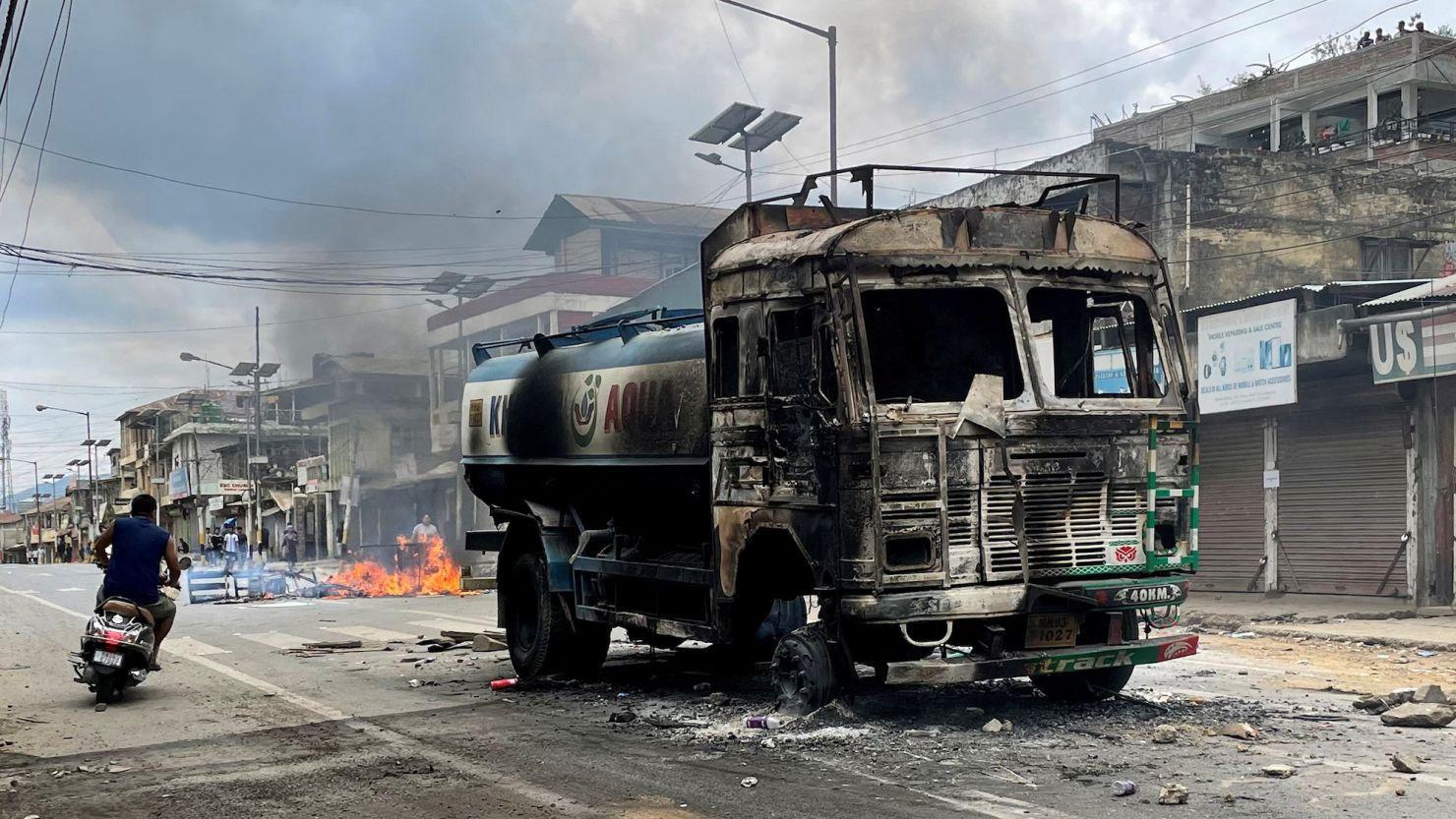
In the face of escalating ethnic violence in Manipur, security operations have been intensified across various regions, particularly in the Kangpokpi district. Recent reports indicate a surge in armed conflict in Manipur, prompting local law enforcement to step up its efforts to restore peace. Security forces have conducted extensive operations, targeting several villages where tensions between the Kuki-Zo community and other groups have been high. These operations have not only led to the recovery of arms and ammunition but also the dismantling of illegal bunkers linked to violent activities. As Manipur police operations progress, the commitment to curbing the unrest and ensuring community safety remains a top priority.
As tensions flare in Manipur, especially in areas like Kangpokpi, law enforcement agencies are actively engaged in critical security actions aimed at quelling unrest. The recent surge of violence reflects deeper issues within the community, particularly between the Meiteis and the Kuki-Zo factions, leading to a series of coordinated police and military interventions. With an alarming number of casualties and widespread unrest, the focus has shifted towards comprehensive security measures to restore order. Through precise operations, authorities are not only seizing illegal weapons but also dismantling structures that support violence. This multi-faceted approach underscores a determined effort to bring calm back to Manipur.
Recent Developments in Manipur Security Operations
In light of the ongoing ethnic violence in Manipur, security forces have intensified their operations, particularly in the Kangpokpi district, which has seen severe incidents of conflict. The recent operations that took place on June 17, 2026, revealed a significant cache of arms and ammunition, highlighting the urgency and necessity of these efforts. The authorities successfully dismantled at least thirty illegal bunkers and outposts, which were considered strategic points for armed factions operating within the region.
The operations not only aimed at recovering weapons but also served to ensure the safety of the community amid rising tensions between the Kuki-Zo and Naga groups. By taking a proactive approach, the Manipur police operations are attempting to stem the tide of violence that has left a devastating mark on local populations. The recovery of dangerous items such as bulletproof vests and ammunition indicates the serious threat posed by armed conflicts in the region.
Ethnic Tensions: The Kuki-Zo and Naga Conflict
The ongoing armed conflict in Manipur, particularly in Kangpokpi district, is deeply rooted in ethnic tensions between the Kuki-Zo community and the Naga population. On May 13, six individuals from the Naga community were abducted in Leilon Vaiphei, a predominantly Kuki-Zo village, and their recovery just weeks later shed light on the grave situation. Such incidents underline the fragility of peace in Manipur amidst rising ethnic violence, which has claimed over 260 lives since the beginning of the conflict.
The Kuki-Zo tensions have only escalated fears and concerns among the local populace. Following deadly clashes, security measures have increased in intensity, as evidenced by the rigorous operations led by the newly appointed DGP Mukesh Singh. The focus on community engagement and public support is crucial, as former Chief Minister N Biren Singh emphasized the need for unity among different ethnic groups to support the restoration of peace.
Impact of Armed Conflicts on Local Communities
The aftermath of armed conflicts in Manipur has led to widespread displacement and human suffering, especially within the Kangpokpi district. With over thousands of individuals rendered homeless due to ethnic violence between the Meiteis and Kuki-Zo groups, the implications of such instability extend beyond physical security to social and economic degradation. Communities previously living in harmony are now polarized, further exacerbating grievances and perpetuating cycles of violence.
These conflicts have created a dire humanitarian crisis, compelling local authorities and security forces to act vigorously. The recent retrieval of weapons and the destruction of illegal bunkers during the operations indicate an immediate response to the chaos that has engulfed the area. Nonetheless, the path to sustainable peace will require collective efforts from both security forces and the communities involved to foster understanding and reconciliation.
Community Support for Security Forces in Manipur
The efforts of security forces in addressing the challenges posed by ethnic violence in Manipur call for community support. The proactive approach taken by law enforcement, particularly under the guidance of DGP Mukesh Singh, has been receiving positive feedback from local leaders. Former Chief Minister N Biren Singh’s call to unite the different communities to aid the security forces underlines the essential role that collective community efforts play in restoring peace and normalcy.
Community engagement is vital in bridging the gap between conflicting groups. By fostering open dialogues and collaborations between the Kuki-Zo and Naga populations, security forces can build trust and cultivate a sense of shared responsibility for the safety and security of all residents. Encouraging local support not only aids in operations but also enhances the efficacy of long-term peace initiatives that could end the ongoing ethnic violence.
The Role of Technology in Enhancing Security Operations
Technological advancements are playing an increasingly significant role in enhancing security operations in conflict zones like Manipur. The efficiency with which security forces conducted search operations in Kangpokpi district, allowing the rapid identification and dismantling of illegal bunkers, suggests the adoption of modern methods in intelligence gathering and tactical deployments. Utilizing drones for surveillance or analytics for tracking arms supplies could potentially reshape how security challenges are approached.
In a region plagued by armed conflict, such technological involvement empowers security forces to respond swiftly and effectively. Tracking movements and gathering real-time data about hotspots of violence significantly enhances operational success. As Manipur continues to navigate the complexities of ethnic tensions and armed strife, investing in technology will not only address immediate threats but could also pave the way for a more sustainable peace process.
Long-Term Solutions for Peace in Manipur
While immediate security operations are necessary to combat current threats, there is a pressing need for long-term solutions to ethnic violence in Manipur. Dialogues between the Kuki-Zo and Naga communities must be prioritized, promoting understanding and addressing historical grievances that have fueled divisions. Engaging community leaders, civil society, and governmental organizations in reconciliation processes can help build a framework for sustainable peace.
Economic development initiatives and joint community projects are critical in fostering cooperation. As demonstrated in other conflict-affected areas, integrating community development strategies with security measures can transform rivalries into collaborations. For Manipur, embracing an inclusive approach that values all ethnic groups will be vital for creating an environment where violence is replaced with dialogue and mutual respect.
The Importance of Law Enforcement Accountability
One vital aspect of managing security operations in ethnic conflict zones concerns law enforcement accountability. In Manipur, where mistrust between communities and police has been a significant barrier, it is critical to ensure that security personnel act with integrity during operations. Scrutiny and transparent reporting on police actions can help rebuild trust among the local populations, making communities more willing to cooperate with security measures.
The commitment to accountability not only protects the rights of citizens but also enhances the overall effectiveness of law enforcement in complex environments. As the situation in Manipur continues to evolve, fostering a culture of accountability within police ranks could pave the way for effective security operations that are respected by community members. This unwavering duty to uphold both peace and justice will be foundational towards achieving lasting stability.
Media Coverage of Manipur’s Conflict
Media plays a crucial role in shaping public perception of conflicts like those in Manipur. Accurate reporting on the armed clashes and the subsequent security operations is essential for informing the general populace and maintaining transparency. The portrayal of the ongoing ethnic violence, particularly tensions within the Kuki-Zo community and the Naga groups, influences not only local but also national and international perspectives on the crisis.
Responsible media coverage can help mitigate panic and misinformation, fostering a more informed society. Additionally, the narrative presented can either exacerbate tensions or promote understanding and resolution. As media outlets report on security operations, they should focus on the broader implications of the conflict while highlighting efforts towards peace, thus encouraging a more nuanced understanding of the complexities involved.
Strategies for Conflict Resolution in Manipur
Effective conflict resolution in Manipur requires innovative strategies that go beyond military intervention and focus on addressing root causes. Engaging diverse stakeholders in mediation processes can help develop multifaceted solutions that take into account the interests of both the Kuki-Zo and Naga communities. Establishing community forums where grievances are aired and addressed is crucial in building trust and reconciliation.
Furthermore, integrating educational initiatives aimed at fostering cross-cultural understanding can serve as a long-term strategy for peace. By involving youth and community leaders in dialogue programs, Manipur can begin to cultivate a generation that prioritizes collaboration over conflict. These approaches, complemented by governmental and non-governmental organizations’ support, can contribute significantly to ending ethnic tensions and building a sustainable future.
Frequently Asked Questions
What are the recent outcomes of security operations in Kangpokpi district related to ethnic violence in Manipur?
Recent security operations in Kangpokpi district, initiated by Manipur police, have led to significant recoveries, including a cache of arms and ammunition and the dismantling of over thirty illegal bunkers. These operations targeted villages such as Leilon Vaiphei and Konsakhul, which have been hotspots for ethnic violence and armed conflict in Manipur. The proactive measures aim to restore peace amidst ongoing tensions between the Kuki-Zo community and other groups.
How is Manipur police addressing armed conflict and violence in Kangpokpi district?
Manipur police are actively addressing armed conflict and violence in Kangpokpi district through extensive search operations. These include targeting illegal bunkers and unauthorized check posts while recovering firearms and ammunition. As part of their strategy, the police are focusing on enhancing security and preventing further ethnic violence in Manipur, especially between the Meitei and Kuki-Zo communities.
What measures have been implemented by security forces to combat ethnic violence in Manipur?
Security forces have implemented comprehensive measures including search operations that led to the destruction of illegal bunkers and outposts linked to ethnic violence in Manipur. Operations are being directly supervised by the Director General of Police, ensuring robust response strategies against anti-social elements, particularly in Kangpokpi district, where recent conflicts have resulted in tragic fatalities and displacement.
What role does the Kuki-Zo community play in the current security situation in Manipur?
The Kuki-Zo community is at the center of the current security situation in Manipur, facing tensions related to ethnic violence, especially in areas like Kangpokpi district. Recent incidents, including the abduction and murder of individuals from the community, have heightened conflicts. Security operations are crucial in restoring order and addressing grievances within the Kuki-Zo community and their interactions with other ethnic groups.
How are recent police operations influencing security outcomes for Kangpokpi district in Manipur?
Recent police operations have significantly influenced security outcomes in Kangpokpi district by targeting illegal armed groups and conduct substantial recoveries, such as firearms and bulletproof vests. These proactive actions are intended to mitigate ethnic violence and restore normalcy, reflecting the commitment of Manipur’s security forces to regain control amid ongoing tensions.
What support is the local community expected to provide for security operations in Manipur?
The local community in Manipur is urged to provide full support to security operations amid rising ethnic violence. Former Chief Minister N Biren Singh emphasized the importance of community cooperation with the police, particularly in Kangpokpi district, to foster peace and assist in dismantling hostile elements contributing to armed conflict.
| Key Point | Details |
|---|---|
| Extensive Search Operations | Security forces conducted operations in four villages in Kangpokpi district. |
| Violence and Incidents | Recent violence incidents led to the search operations aiming to recover arms and dismantle illegal structures. |
| Arms and Ammunition Recovered | 11 shotguns, 294 live rounds, gunpowder, empty cases, and bulletproof vests were seized. |
| Destruction of Bunkers | 30 illegal bunkers and check posts were destroyed during the operations. |
| Overall Security Situation | Over 260 deaths and widespread dislocation of people attributed to ethnic violence since May 2023. |
| Support for Security Forces | Former Chief Minister praised DGP Mukesh Singh’s hands-on approach during operations. |
Summary
Manipur security operations have escalated in response to rising tensions and violence in the region. The efforts by the security forces, under the supervision of DGP Mukesh Singh, indicate a strong commitment to restoring peace and security. With crucial recoveries of arms and the dismantling of illegal setups, these operations aim to stabilize an area that has witnessed severe ethnic conflicts. The proactive measures taken by the authorities reflect a determination to protect the community and promote unity. As Manipur continues to face challenges, the collective efforts of the security forces and the support from local leaders are essential for achieving lasting peace.



























