

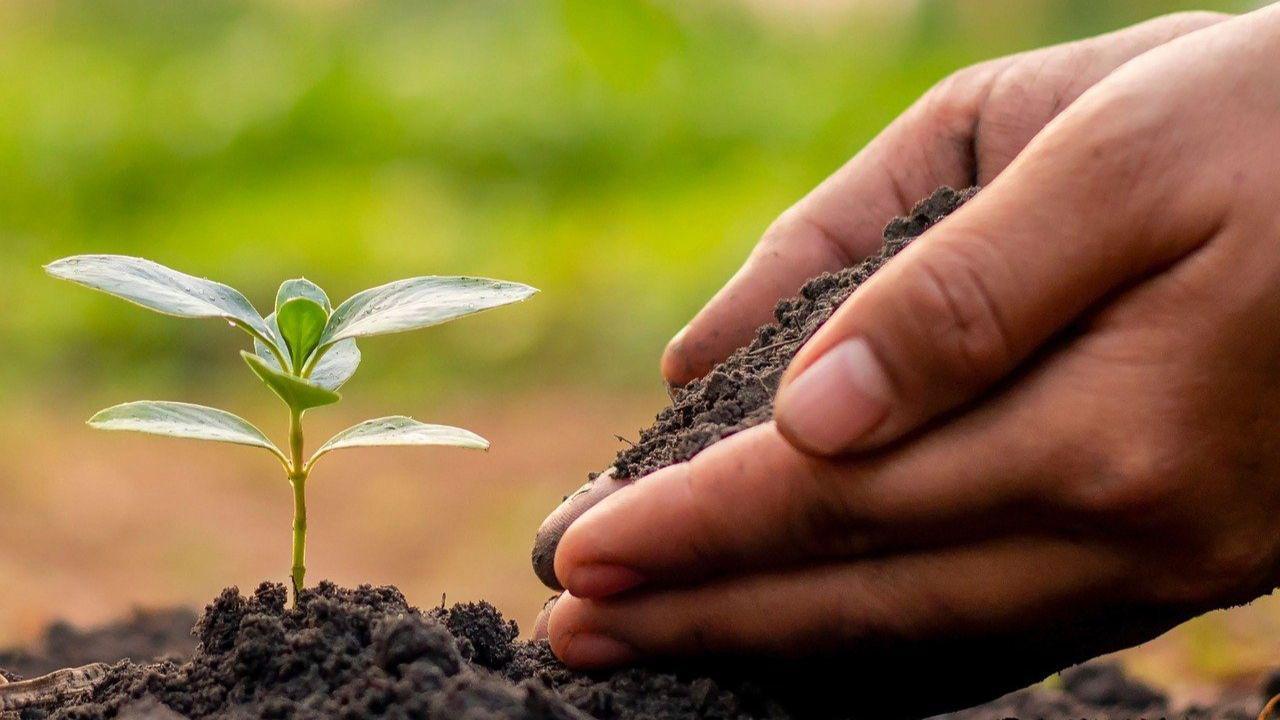
SALT farming in Manipur is emerging as a transformative approach to bolster sustainable agriculture in the region, particularly amidst the challenges faced by traditional jhum cultivation. As farmers grapple with declining soil fertility and the increasing demands on their land, SALT provides innovative soil fertility techniques and alternative farming practices that align with ecological sustainability. This method not only addresses the pressing issues of productivity but also aims to enhance sustainable livelihoods for the local communities. By diversifying crop production and integrating livestock rearing, SALT farming offers a viable solution to the agricultural challenges faced in Manipur. As such, it stands as a beacon of hope for farmers looking to revitalize their agricultural practices while securing their futures.
In the picturesque landscape of Manipur, a revolutionary form of agriculture known as SALT farming is taking root, promising a brighter future for the region’s smallholder farmers. With a backdrop of diminishing yields and environmental constraints, this approach seeks to innovate the traditional farming methods that have long defined the area. By focusing on sustainable and integrated agricultural practices, SALT farming not only addresses the urgent need for improved soil health but also presents safer, more eco-friendly alternatives to prevalent agricultural techniques. The initiative aims to create a resilient agricultural framework that supports the local economy while fostering a commitment to ecological preservation. As communities pivot towards these forward-thinking practices, the prospects for building enduring sustainability in Manipur’s agriculture become increasingly promising.
Understanding the Challenges of Jhum Cultivation in Manipur
Jhum cultivation, a traditional practice in Manipur, has become increasingly challenging for farmers due to a convergence of socio-economic pressures and climatic variability. The trend has shifted towards shorter fallow periods, which significantly reduce soil fertility and the overall quality of crop yields. Farmers like Aling emphasize that the reduced quantity of rice produced and difficulties in cultivating other vegetables have made subsistence farming increasingly precarious. As land around villages becomes scarcer, tensions rise—often forcing farmers back onto land that needs much longer to heal between crops.
Moreover, the collective experiences of farmers highlight a growing concern regarding the sustainability of shrunken land resources. Agricultural experts point out that the growing population pressures lead to the fragmentation of land ownership, which exacerbates problems associated with soil health. With the decline in traditional crop yields, farmers are witnessing a paradox where dependency on jhum, a practice that has sustained their communities for generations, now threatens their very livelihoods.
Sustainable Farming Solutions: SALT Farming in Manipur
SALT farming, or Sloping Agricultural Land Technology, has emerged as a promising solution in Manipur, especially as jhum cultivation faces unsustainable pressures. This innovative farming method focuses on improving soil health and stability in sloping terrains, thereby enhancing productivity and reducing erosion. By introducing SALT practices, local farmers can cultivate multiple types of crops while ensuring sustainable use of land. Unlike jhum, where monoculture can lead to nutrient depletion, SALT encourages biodiversity, allowing farmers to grow various crops that cater to both subsistence and market needs.
Since its introduction, SALT farming has also provided a platform for farmers to diversify their income streams. For example, the incorporation of livestock into SALT practices not only improves economic resilience but supports ecosystem health by providing natural fertilizers and pest control. The positive impacts of SALT farming align with the community’s efforts toward sustainable agriculture in Manipur, making it a fitting alternative for families who rely on the land for their livelihoods.
Innovating Agricultural Practices for Better Soil Fertility
Soil fertility is critical for sustainable agriculture, particularly in regions like Manipur where traditional methods like jhum have begun to falter due to climate changes and land pressures. Farmers are looking towards alternative farming practices that can rejuvenate the soil and enhance productivity. Techniques such as crop rotation, the use of cover crops, and organic amendments are gaining traction and yielding promising results in improving soil health and fertility.
Additionally, the community-driven approaches that emphasize agroecology help in harnessing local knowledge on soil management. By improving soil structure and nutrient content naturally, these innovative techniques directly address the challenges associated with declining fertility. Communities in Manipur have begun to realize that sustainable agricultural practices are indispensable for restoring their land’s productivity and ensuring food security for future generations.
Community Engagement in Sustainable Agricultural Change
The challenges facing jhum cultivation and the adoption of SALT farming underscore the importance of community engagement in developing sustainable agricultural solutions. In Manipur, initiatives that involve local farmers in the decision-making processes regarding farming practices have shown significant promise. Building trust and collaboration within the community can lead to more successful implementation of new agricultural techniques, as they resonate more with the farmers’ realities and local conditions.
Moreover, creating a platform for farmers to share their experiences and knowledge about sustainable agriculture fosters a stronger sense of community. Regular training and peer-learning sessions help farmers refine their skills in implementing SALT farming and address any challenges they may face. This community-based approach not only enhances the agricultural capacity of farmers but also builds resilience against economic and environmental pressures, ultimately fostering sustainable livelihoods.
The Role of Education in Advancing Sustainable Agriculture
Education plays a pivotal role in the transition from traditional jhum cultivation to more sustainable agricultural practices in Manipur. While current agricultural programs often overlook innovative techniques like SALT, integrating these approaches into formal education could equip the next generation of farmers with crucial skills and knowledge. Revising curricula to include topics around sustainable agriculture and soil fertility management can create a more informed and engaged farming community.
Additionally, educational programs can facilitate partnerships between agricultural institutions and local farmers. This synergy can enhance the knowledge transfer process, making it easier for farmers to adopt new methods tailored to their specific conditions. By cultivating a generation of well-educated farmers, the region can ensure the continuity of effective agricultural practices that promote sustainability and resilience in local communities.
Government Support for Sustainable Agricultural Practices
Strong government support is essential for transitioning towards sustainable agricultural practices like SALT in Manipur. Policymakers can play a significant role by integrating SALT into existing agricultural frameworks and extending support through funding and resources. Local government bodies could facilitate access to high-quality seeds and training for farmers, empowering them to adopt innovative techniques that enhance soil fertility and crop yields.
Furthermore, leveraging government schemes such as MGNREGA to develop SALT farms can create employment opportunities while promoting sustainable agricultural practices. With better funding and support systems, farmers can access the necessary resources to transition smoothly to alternative agricultural methods, ensuring that the agricultural landscape in Manipur remains sustainable and profitable.
Collaborative Farming Approaches: Learning and Adapting
A collaborative approach to farming practices is vital for learning and adapting new techniques in the community. By engaging farmers in participatory training sessions, initiatives can cultivate a proactive learning environment where innovations like SALT farming can thrive. This hands-on experience encourages farmers to experiment, evaluate the outcomes, and refine their practices, allowing them to adapt to emerging challenges.
The success of such collaborative efforts relies not only on support from agricultural experts but also on a deep commitment to understanding local challenges and incorporating traditional knowledge into modern practices. Establishing a community of practice fosters an ongoing dialogue among farmers, creating a dynamic learning ecosystem that adapts to the unique agricultural needs of Manipur.
Economic Resilience through Diversified Farming Systems
Economic resilience in agricultural communities can be significantly enhanced through diversified farming systems. In the context of Manipur, integrating various crops and livestock within farming practices helps secure income against market fluctuations and climate impacts. By reducing reliance on a single crop, farmers can safeguard their livelihoods, ensuring adequate food supply and income even in adverse conditions.
Moreover, diversified farming systems promote healthier soil and ecosystems. By rotating crops and including livestock, farmers can improve soil fertility and manage pests naturally. This approach not only supports the ecological balance but also enhances sustainability and productivity—key aims that align with the sustainable agriculture goals in Manipur.
Future Directions for Sustainable Livelihoods in Manipur
Looking ahead, the future of sustainable livelihoods in Manipur relies on implementing comprehensive strategies that address the pressing issues of land degradation and social equity. By prioritizing sustainable agricultural practices and supporting farmers through education, community engagement, and effective policy measures, there’s a significant potential to revitalize farming in the region. Investing in research and development to create climate-resilient crops can also enhance food security for vulnerable communities.
Ultimately, moving towards a sustainable agricultural framework in Manipur is not just about improving crop yields but also about empowering local communities to secure their livelihoods for generations to come. Sustainable agriculture must focus on enhancing food sovereignty, promoting economic independence, and nurturing relationships between farmers and their land, marking a new chapter in the cultural and economic narrative of Manipur.
Frequently Asked Questions
What are the challenges of jhum cultivation in Manipur?
Jhum cultivation in Manipur faces significant challenges including reduced fallow periods, leading to decreased soil fertility and crop yields. The increasing demand for farmland and population growth have forced farmers to return to the same plots too frequently, disrupting the traditional ‘shifting’ practices. Additionally, unpredictable weather conditions further exacerbate these challenges, impacting both rice and vegetable production.
How does SALT farming improve soil fertility in Manipur?
SALT farming promotes sustainable agricultural practices that enhance soil fertility in Manipur by integrating techniques like contour planting and the use of hedgerows. These methods help to prevent soil erosion, improve nutrient retention, and promote biodiversity, which can revitalize soil quality over time, contrasting with the unsustainable practices commonly associated with jhum cultivation.
What is the significance of sustainable agriculture in Manipur?
Sustainable agriculture in Manipur, particularly through methods like SALT farming, is crucial for improving food security and livelihoods. It supports long-term agricultural health by enhancing soil fertility, conserving water resources, and providing farmers with varied income sources. By adopting sustainable practices, farmers can better adapt to environmental changes and reduce reliance on traditional methods that are becoming increasingly unviable.
What alternative farming practices are being introduced in Manipur?
Alternative farming practices in Manipur, such as SALT farming, offer new methods for enhancing agricultural productivity while maintaining environmental sustainability. These practices include integrating livestock farming, cultivating a variety of crops, and employing soil conservation techniques, which collectively contribute to improved yields and resilience against climate challenges.
Why is there a need for soil fertility techniques in Manipur’s agriculture?
Soil fertility techniques are essential in Manipur’s agriculture to combat declining yields associated with shorter fallow periods in jhum cultivation. Practices like cover cropping, crop rotation, and agroforestry under SALT farming help restore soil health, retain moisture, and ensure that farmers can depend on their land for sustenance and income in the long term.
How can SALT farming contribute to sustainable livelihoods in Manipur?
SALT farming can contribute to sustainable livelihoods in Manipur by diversifying income sources through the cultivation of various crops and livestock rearing. This method not only improves food security for farmers but also allows them to generate additional income from the sale of produce, ultimately reducing their dependence on a single crop and increasing economic resilience.
What role do local communities play in implementing SALT farming?
Local communities play a pivotal role in implementing SALT farming by participating in training programs, providing feedback on practices, and adapting techniques to fit their specific needs. Collaboration and knowledge sharing among farmers enhance the effectiveness of SALT as a viable agricultural method, ensuring that it meets local agricultural challenges and contributes to community sustainability.
How can educational institutions support SALT farming in Manipur?
Educational institutions can support SALT farming in Manipur by incorporating it into agricultural curricula, training students in its principles and practices, and fostering a new generation of practitioners. By emphasizing scientific approaches to SALT, these institutions can help build skilled support systems that empower farmers to transition to sustainable agriculture.
What impacts have monoculture practices had on agriculture in Manipur?
Monoculture practices in Manipur have negatively impacted soil health by leaching essential nutrients and increasing vulnerability to crop failures. This shift away from diverse cultivation reduces resilience against pests and varying climate conditions, leading to higher risks for farmers relying on single crop outputs for their livelihood.
What are the benefits of integrating SALT farming with local agricultural systems in Manipur?
Integrating SALT farming with local agricultural systems in Manipur offers numerous benefits, including enhanced biodiversity, improved soil health, and increased crop variety. This synergy allows farmers to maintain traditional knowledge while adopting new practices that boost productivity and environmental sustainability, ultimately fostering better community resilience.
| Key Points | Details |
|---|---|
| Jhum Cultivation | Traditional method of shifting or slash-and-burn farming that has been practiced for centuries in Manipur. |
| Challenges Faced | Shortening fallow periods, declining soil fertility, increasing population pressures, and unreliable weather conditions. |
| Shift to Monoculture | Adoption of monoculture plantations has worsened soil health and yield unpredictability. |
| Introduction of SALT | SALT (Sloping Agricultural Land Technology) introduced as a sustainable alternative to jhum farming. |
| SALT Implementation | Farmers trained to integrate SALT into local agricultural practices, improving crop diversity and soil health. |
| Support and Collaboration | Emphasis on long-term collaborative efforts with local farmers, government, and civil society for SALT success. |
Summary
SALT farming in Manipur offers a promising solution for farmers facing the challenges of traditional jhum cultivation. As environmental pressures and changing agricultural practices threaten subsistence farming, SALT provides a sustainable approach that not only improves soil health but also diversifies crop production. By working collaboratively with farmers and integrating SALT into existing agricultural systems, the long-term sustainability of farming in Manipur can be achieved, ensuring food security and economic viability for the local communities.



























