

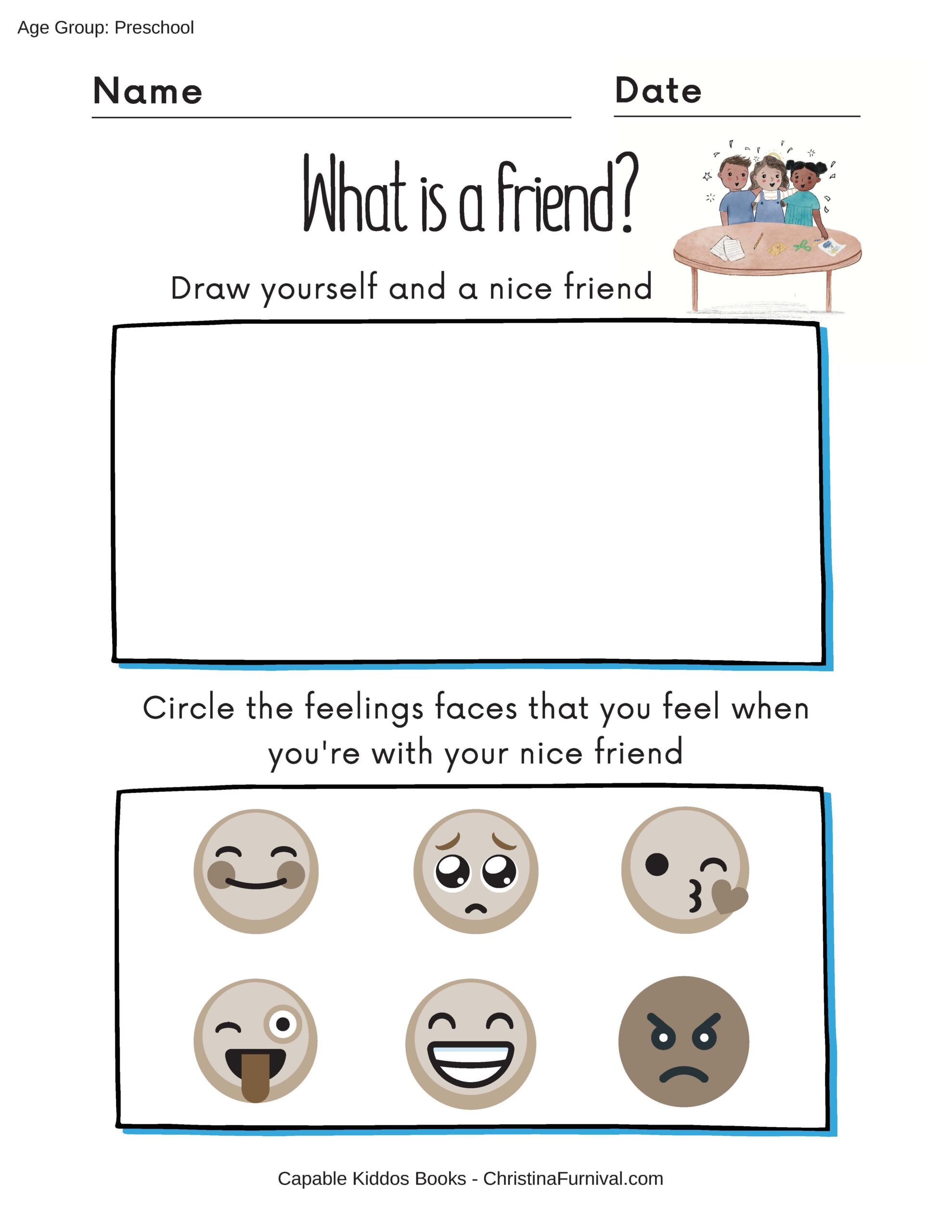
Teaching sons healthy friendships is critical for their personal growth and emotional development. Friendships play a pivotal role in shaping a boy’s character and influencing his choices as he navigates through life. As parents aim to instill friendship lessons for boys, it’s essential to emphasize the importance of healthy friendships from a young age. By raising sons with good friends, parents can help them cultivate skills in empathy, respect, and self-awareness. Through intentional parenting tips for friendships, mothers and fathers can guide their children to choose companions who truly support and uplift them.
In today’s world, equipping boys with the tools for building meaningful connections is more important than ever. Understanding companionship, camaraderie, and the value of mutual respect are essential life lessons that resonate through adolescence and into adulthood. As we guide young men in fostering socially enriching relationships, we emphasize the significance of positive influences and the impact of friendship choices. Navigating the complexities of social dynamics, our role as caregivers is to steer them toward healthy companionships that align with their values. This journey not only shapes their friendships but ultimately frames their perspectives on life and community.
Teaching Sons Healthy Friendships: The Foundation of Supportive Relationships
Healthy friendships are essential for emotional development and overall well-being, especially during a child’s formative years. Teaching sons the value of kindness, respect, and support in friendships lays the groundwork for lasting relationships. At a young age, discussions about what constitutes a good friend should be prioritized. Parents should emphasize that friends should be those who enhance their happiness and nurture their self-esteem. This foundation can help boys cultivate a network of supportive individuals that encourage positive growth as they mature.
As they navigate various social environments, sons must learn to recognize the characteristics of healthy friendships. This means understanding that good friendships are reciprocal, characterized by mutual respect, honesty, and trust. Encouraging boys to reflect on their feelings toward their friends can further empower them. Questions like ‘Do I feel good around this person?’ or ‘Do they respect my boundaries?’ will help them critically evaluate their relationships. By engaging in these reflective conversations, parents can instill a strong sense of self-awareness that will guide their sons in choosing friends wisely throughout their lives.
The Importance of Healthy Friendships in Adolescence
During adolescence, the significance of friendships increases markedly, as peer influence becomes a major factor in shaping behavior and identity. At this age, boys often desire acceptance and belonging, which can sometimes lead them to engage in unhealthy friendships. Parents should stress the importance of surrounding themselves with friends who embody positive values and encourage healthy habits. Teach sons to assess their friendships, not just by how fun they are, but by how much they contribute to their personal growth and happiness.
Moreover, having guidance for boys regarding friendships during adolescence can help them navigate complex social dynamics. Encourage them to be discerning about their friendships by asking questions about how these relationships influence their decisions and self-perception. The goal is not to dismiss friends lightly but to make informed choices that foster a supportive and nurturing social circle. By helping sons understand the attributes of healthy friendships at this critical juncture, parents can empower them to form meaningful connections that will benefit them for years to come.
Parenting Tips for Friendships: Fostering Positive Social Connections
Parenting tips for friendships focus on guiding sons to choose friends wisely. Parents can play a crucial role by becoming active participants in their children’s social lives. This can involve inviting their sons’ friends over, observing interactions, and discussing those observations openly. By doing so, parents provide a safe environment for their children to talk about their friendships and experiences, allowing them to express their needs and feelings regarding their social relationships.
Additionally, teaching sons the importance of communication within friendships can empower them. Encourage them to practice expressing their thoughts, feelings, and boundaries clearly. This skill not only helps boys deal with conflicts but also ensures they foster friendships based on openness and respect. Providing structured opportunities for your sons to discuss their friendships—like family meetings or casual conversations during car rides—can create a supportive atmosphere where they feel comfortable seeking guidance on their social connections.
Raising Sons with Good Friends: A Lifelong Skill
Raising sons with good friends is a lifelong skill that should be nurtured from a young age. It is not enough to teach them to choose friends based on superficial traits; instead, encourage them to seek out friends who represent the qualities of dependability, kindness, and mutual respect. By focusing on these characteristics, parents can help their children build a solid foundation for healthy relationships that will follow them into adulthood.
As adolescents learn to identify and cultivate good friendships, they should be encouraged to think critically about their connections. Discussing the qualities of a positive friendship and encouraging them to seek friends who uplift and inspire them is essential. Additionally, it is important for parents to model these behaviors in their friendships, thereby demonstrating the qualities they wish to instill. As sons observe their parents navigating healthy relationships, they gain valuable insights that they can apply in their own lives.
Friendship Lessons for Boys: From Childhood to Adulthood
Friendship lessons for boys evolve as they grow, starting from early childhood experiences to complex adult connections. Early lessons should focus on kindness, safety, and understanding boundaries, laying the groundwork for healthier relationship-building as they approach pre-adolescence and beyond. At each stage, parents must prompt conversations that encourage boys to discuss their feelings about friendships and evaluate them against positive standards.
As boys transition to adulthood, these lessons should encompass deeper values and standards for friendships. Young men should be reminded that friendships are not solely about having fun but about aligning with values and ambitions. Encouraging them to seek out peers who share their aspirations fosters a network that supports their journey towards becoming their best selves. By reinforcing these friendship lessons over time, parents can help their sons cultivate meaningful relationships that are both rewarding and transformative.
Navigating Friendships in the Digital Age: Challenges and Solutions
In today’s digital world, navigating friendships presents unique challenges for boys. The prevalence of social media can lead to misunderstandings, superficial interactions, and cyberbullying. Parents should actively engage in discussions about appropriate online behavior and the importance of maintaining respectful friendships in both digital and physical spaces. It’s essential to remind sons that online interactions can impact their mental health and self-esteem.
Moreover, fostering healthy friendships in a digital age requires teaching sons to prioritize face-to-face interactions and deepen their connections beyond the screen. Encouraging them to organize offline activities with their friends can help strengthen these bonds. Discussing the differences between online personas and real-life behaviors can also guide boys in understanding authentic friendship and genuine support. Through open dialogues about the pros and cons of digital relationships, parents can help sons build resilience and choose friendships that reflect genuine care and respect.
Understanding the Role of Boundaries in Friendships
Boundaries are a crucial element in maintaining healthy friendships, and this concept should be taught as early as possible. Parents can guide their sons on how to establish personal boundaries with friends, teaching them the importance of saying no and respecting their own limits. This awareness helps boys develop the confidence to navigate social situations without compromising their values or comfort.
As boys grow older, their understanding of boundaries should evolve to encompass emotional and social aspects of their friendships. Encouraging discussions about what it feels like when boundaries are respected or violated can foster empathy in friendships. It’s important for sons to recognize that healthy friendships involve clear communication and an understanding that both parties must feel comfortable and respected. By instilling these principles, parents empower their sons to create and uphold respectful relationships.
The Influence of Healthy Friendships on Personal Development
Healthy friendships play a vital role in personal development, especially during the transformative years of adolescence and early adulthood. Positive peer influences can encourage boys to develop confidence, resilience, and a sense of identity. Teaching sons to seek friends who inspire and challenge them can greatly enhance their growth and self-awareness, leading to a more fulfilling life.
Moreover, understanding the influence of friendships helps sons navigate the complexities of their social environments. Parents should emphasize that while friends can positively shape their lives, they can also lead to negative behaviors if not chosen wisely. Foster discussions about the impact friends have on personal choices, and encourage boys to regularly reflect on whether their friendships contribute positively to their goals. This ongoing dialogue can empower boys to pursue connections that support their desired path in life.
Lifelong Strategies for Building Healthy Friendships
Building healthy friendships is not only about making connections but also maintaining them throughout life. Teaching sons lifelong strategies, such as active communication, empathy, and accountability, can prepare them for various relationship dynamics. Parents can reinforce the idea that friendships require effort and investment, encouraging boys to reach out, support, and nurture their connections consistently.
In addition, parents can model strategies for conflict resolution in friendships, emphasizing that it is natural to have disagreements. Teaching sons ways to effectively communicate their feelings and seek compromises will equip them with the skills to handle challenges maturely. By establishing these lifelong strategies for building and maintaining healthy friendships, parents contribute significantly to their sons’ emotional intelligence and relationship satisfaction.
Frequently Asked Questions
What are some effective parenting tips for raising sons with good friends?
Raising sons to foster healthy friendships involves teaching them the importance of kindness and respect. Begin by guiding them to recognize the qualities of a good friend, such as support and positive influence. Encourage open discussions about friendship at various stages of their development, helping them to question friendships that do not enhance their well-being. Instilling values that prioritize mutual respect and integrity will equip sons with the skills to build lasting, healthy friendships throughout their lives.
| Age Group | Key Points |
|---|---|
| 3 to 6 | Friendship is about kindness and safety. Teach children that friends are kind, do not bully, and it’s okay to walk away from those who make them feel unsafe. |
| 7 to 10 | Influence starts at this age. Teach kids that good friends encourage positive choices, respect others, and friendships should be questioned if they lead to trouble. |
| 11 to 13 | Friendship begins to shape identity. Help sons understand the importance of being true to themselves over fitting in and the impact of friends on their values. |
| 14 to 17 | Teenage friends can shape future paths. Emphasize the importance of setting boundaries and recognizing the influence of their peer group. |
| 18 and above | In adulthood, friendships should align with personal values. Encourage sons to choose friends who support their goals and integrity. |
Summary
Teaching sons healthy friendships is crucial for their development and success in life. As they navigate various stages of growth, it is important for parents to guide them in recognizing the qualities of true friendship. From the very early years of kindness and safety to the complexities of adolescence and adulthood, the ability to identify and nurture healthy relationships will shape their character and life choices. By instilling these values, parents ensure that their sons will not only build a supportive social network but also grow into respectful and responsible individuals who understand the significance of integrity in friendships.



























