

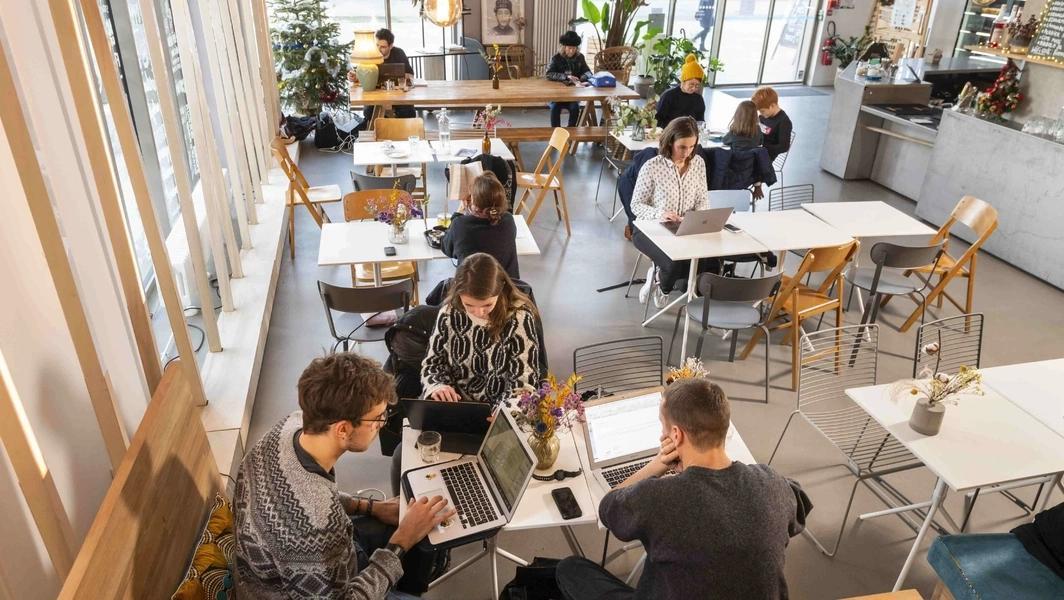
Gen Z workplace norms are reshaping the professional landscape, emphasizing efficiency and well-being to challenge traditional work practices. This tech-savvy generation prioritizes work-life balance, redefining productivity in the workplace by valuing results over sheer presence. With a keen desire for modern work environments, they reject the outdated notion of “presenteeism” and instead focus on completing tasks effectively. By encouraging a healthier approach to work, Gen Z demonstrates that staying late does not equate to being productive or dedicated. As these norms take root, businesses are recognizing the need to adapt, fostering a culture that supports not just efficiency at work, but also overall employee satisfaction.
The evolving standards of the newest workforce cohort, often referred to as Generation Z, are compelling organizations to rethink established professional protocols. This group champions a reconfigured relationship with work, where the traditional ethos of working late hours is gradually being replaced by a focus on achieving outcomes within a reasonable timeframe. Their unique approach fosters a balance between professional obligations and personal time, advocating for a more harmonious integration of life and career. Embracing these contemporary workplace ideals, companies can create an environment that nurtures productivity while also meeting the diverse needs and expectations of their employees. As the workforce continues to evolve, it becomes increasingly vital for organizations to understand and implement these progressive changes.
Gen Z Workplace Norms: A Shift in Perspective
Gen Z is reshaping the landscape of workplace norms by prioritizing a culture that emphasizes efficiency and well-being, challenging the long-standing tradition of ‘presenteeism.’ Unlike previous generations that often equated time spent in the office with commitment, Gen Z workers are redefining this relationship. They possess a remarkable digital fluency, allowing them to leverage technology to get their work done in efficient ways, often from remote environments. This shift not only enhances productivity but also encourages a healthier work-life balance, where personal well-being takes precedence over mere appearances.
The impact of these new norms is palpable in modern work environments, where workers are no longer tethered to their desks. Many Gen Z employees feel empowered to log off when tasks are completed instead of staying late to create a façade of diligence. This cultural shift reflects a deeper desire for purpose-driven work, forcing businesses to reconsider their traditional practices. By focusing on tangible outcomes rather than hours logged, Gen Z underscores a movement towards authenticity and genuine engagement in the workplace.
Emphasizing Productivity Over Presenteeism
With the changing dynamics in the workplace, productivity has become the cornerstone of Gen Z’s approach to work. For this generation, the focus is on output rather than the number of hours spent in the office. They advocate for a results-oriented mindset, challenging conventional practices that prioritized physical presence over effective work. As technologies evolve, monitoring productivity has become sophisticated, allowing workplaces to measure efficiency without relying on the outdated paradigm of personal visibility during working hours.
As a result, Gen Z workers find themselves in an environment where busywork is less tolerated. The reluctance to engage in tasks that lack meaning and value indicates a significant departure from traditional work cultures. They believe that working smarter leads to higher efficiency at work, fostering innovation and creativity instead of stagnation caused by unnecessary meetings and rigid hierarchies. This mindset, rooted in a commitment to productivity, represents a crucial shift that allows for more adaptive and gratifying modern work environments.
The Importance of Work-Life Balance for Gen Z
For Gen Z, work-life balance is not just a benefit; it is an expectation. This generation believes that maintaining a healthy balance between personal and professional life is essential for overall well-being. Unlike their predecessors, who often prioritized work at the expense of personal time, Gen Z actively seeks flexible work arrangements that allow them to integrate their personal and professional lives seamlessly. These choices empower them to recharge, fostering a more engaged and productive workforce.
Additionally, companies that recognize the importance of work-life balance can attract and retain top talent from this demographic. By implementing strategies that offer flexibility and support for mental health, organizations can create a conducive environment that resonates with Gen Z’s values. Such approaches not only enhance employee satisfaction but also improve productivity and performance, ultimately contributing to healthier work environments that encourage balanced living and happier employees.
Challenging Traditional Work Practices: A Gen Z Perspective
Gen Z embodies a spirit of inquiry and skepticism that extends beyond their academic experiences into their professional lives. Their rejection of outdated practices reflects a broader desire for adaptability and relevance in the workplace. As they navigate their careers, they are not afraid to question the status quo, challenging norms that dictate how work should be conducted. This critical perspective leads to an essential dialogue about what constitutes effective work practices in contemporary settings.
By actively resisting busywork and advocating for purposeful tasks, Gen Z encourages a shift in organizational culture that embraces innovation and creativity. Rather than adhering to rigid hierarchies and traditions, they seek environments where ideas can flow freely, fostering collaboration and inclusion. This push for reform could ultimately transform workplaces into dynamic spaces that prioritize efficiency, effectiveness, and the well-being of all employees.
Redefining Engagement in the Modern Workplace
Gen Z’s approach to workplace engagement is distinctly different from previous generations, favoring quality and intentionality over mere attendance. They perceive engagement as active participation that contributes to their personal growth as well as the company’s mission. This emphasis on meaningful involvement shifts the focus from simply being present to actually contributing to the organization’s success. By defining engagement on their terms, Gen Z highlights the importance of purpose-driven work in modern environments.
Furthermore, this generation’s preference for authentic engagement can prompt employers to rethink their approaches to employee involvement. By fostering environments where workers are encouraged to share their ideas and challenge existing processes, organizations can tap into the strengths of a motivated workforce. This redefinition of engagement not only benefits productivity in the workplace but also cultivates a culture of trust and respect, key ingredients for a thriving modern workplace.
Workplace Flexibility: The Key to Success for Gen Z
Workplace flexibility is a central theme for Gen Z workers, as they seek out roles that allow for autonomy in how, when, and where work is completed. The traditional 9-to-5 workday is becoming less relevant, as many Gen Z employees prefer to work in ways that suit their lifestyles and peak productivity times. This shift has significant implications for how businesses attract and retain talent, as offering flexible work options becomes a competitive advantage in recruiting this tech-savvy generation.
Moreover, flexible work arrangements are closely tied to enhancing work-life balance. By accommodating individual needs and preferences, employers can create a more engaged and productive workforce. Gen Z’s focus on well-being encourages organizations to look beyond conventional structures, leading to innovative policies that promote mental health, family commitments, and personal interests. This adaptability not only boosts employee satisfaction but also enhances overall workplace performance.
Leveraging Technology for Enhanced Productivity
For Gen Z, technology is an integral part of their work experience that enhances productivity and streamlines processes. Familiar with digital tools from an early age, they are equipped to utilize technology for optimizing tasks and improving communications within their teams. This fluency allows them to efficiently manage their time and resources. As a generation that values results over method, they embrace tech solutions that foster productivity while minimizing busywork, reflecting a fundamental shift towards more effective modern work environments.
The integration of technology into daily operations is not merely a convenience; it is a necessity for Gen Z workers who thrive in digitally enabled settings. Organizations that invest in the latest technological advancements can harness the potential of this new workforce by providing tools that enhance collaboration and innovation. As a result, the fusion of technology with workplace practices signifies a major evolution towards achieving greater efficiency at work, ensuring both businesses and their employees can achieve their goals more effectively.
Fostering a Culture of Open Communication
Open communication is vital in creating a workspace conducive to the values upheld by Gen Z. They thrive in environments where feedback is encouraged and effective dialogue is prioritized. This generation’s desire for transparency stems from their need to feel valued and included in organizational decision-making processes. By fostering a culture of open communication, companies stand to benefit from the diverse perspectives and fresh ideas generated by Gen Z employees.
Moreover, transparent communication channels facilitate collaboration and build trust among team members. Gen Z’s preference for direct and honest interactions paves the way for healthier workplace relationships, allowing them to question outdated practices and propose innovative solutions. By embracing open communication strategies, organizations can ensure that their teams are aligned, engaged, and motivated to contribute positively to their shared objectives, ultimately leading to enhanced overall productivity.
Creating Healthier Work Environments for the Future
The push for healthier work environments is a central tenet of Gen Z’s workplace philosophy. Recognizing the importance of mental health and well-being in achieving success, this generation advocates for spaces that nourish both productivity and personal happiness. Businesses that prioritize employee wellness through wellness programs, flexible schedules, and mental health support not only attract Gen Z talent but also foster a healthier organizational climate overall.
Investing in the psychological and physical well-being of employees is not only ethical but also beneficial for productivity in the workplace. A supportive environment allows individuals to thrive, reducing burnout and absenteeism while improving job satisfaction and retention rates. By integrating well-being into the fabric of work culture, organizations can develop more resilient and engaged employees, paving the way for future success in an ever-evolving work landscape.
Frequently Asked Questions
How is Gen Z redefining work-life balance in modern workplaces?
Gen Z is prioritizing work-life balance by challenging traditional work practices that emphasize presenteeism. They seek flexibility and efficiency at work, focusing on completing tasks rather than just being visible. This preference for productivity allows them to maintain their well-being while ensuring high performance.
| Key Points |
|---|
| Gen Z prioritizes efficiency and well-being over presenteeism. |
| They question outdated practices, valuing productivity and purpose. |
| They prefer to leave work once tasks are complete, moving away from the idea of needing to appear busy. |
| The notion of loyalty is shifting from time spent in the office to actual productivity. |
| Gen Z’s educational background promotes a questioning attitude towards traditional workplace norms. |
Summary
Gen Z workplace norms represent a transformative shift in how work is perceived and conducted. This generation emphasizes the importance of efficiency and mental well-being, challenging the outdated practice of presenteeism that once dominated corporate culture. Rather than adhering to the old norm of staying late to project dedication, Gen Z workers prioritize completing tasks and logging off when their work is done. This approach not only fosters healthier work environments but also encourages a focus on meaningful productivity and genuine engagement. As they enter the workforce, their experiences and priorities are reshaping organizational expectations, spotlighting the need for businesses to adapt to these evolving standards.



























